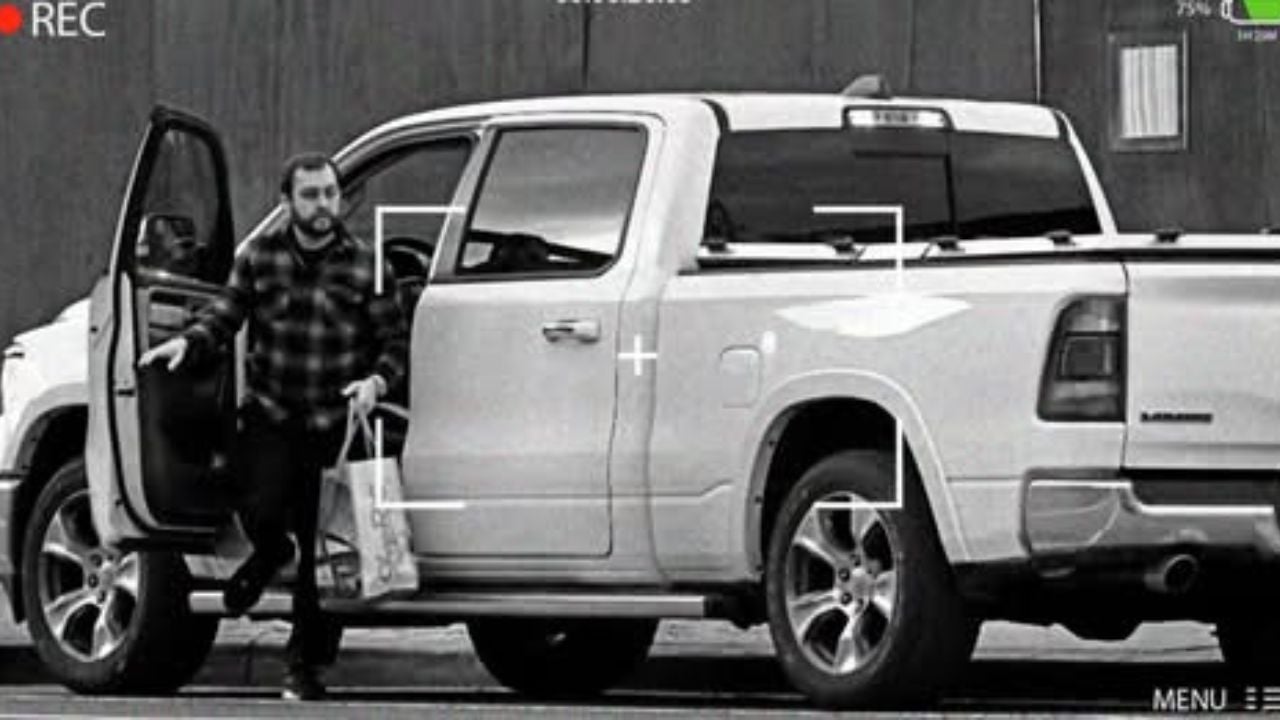

In New York City, where automated cameras now issue millions of tickets each year, one case has come to symbolize the limits of enforcement and the fragility of public trust.
Officer James Giovansanti, a member of the NYPD, has amassed a driving record so extreme that it reads like a chronicle of disregard for the law, not just infractions.
Since 2022, his 4,800‑pound pickup truck has been flagged by speed and red‑light cameras 547 times, averaging nearly one violation every other day in 2025 alone.
The fines tied to those tickets exceed $36,000, yet Giovansanti remains on active duty, still behind the wheel, shielded by a system that penalizes vehicle owners financially but fails to trigger license points or suspensions under current state law.
A Political Accountability Gap
The revelations, first reported by Streetsblog New York City, have ignited a storm of criticism. Current NYC mayor Zohran Mamdani, a vocal advocate for traffic safety, condemned the behavior as “unacceptable” and stressed that city employees must model safe conduct.
547 speeding tickets is absolutely mind-boggling. Any driver with this many tickets is a menace to public safety. This officer’s license must be revoked before tragedy strikes.
Yet another example of why Albany must pass the Stop Super Speeders Act now. https://t.co/9b4mr4ayME
— Antonio Reynoso (@BKBPReynoso) April 24, 2026
But Mamdani stopped short of outlining specific consequences, instead pointing to ongoing conversations with police leadership.
That hesitation has left a widening accountability gap, raising questions about whether officers are held to the same standards as civilians in a city increasingly reliant on automated surveillance to police its roads.
The political friction is palpable.
Mayor Eric Adams has reportedly referenced discussions with Police Commissioner Edward Caban and Department of Information Technology and Telecommunications Commissioner Jessica Tisch, but neither City Hall nor the NYPD has announced disciplinary measures.
Tisch, whose office oversees the city’s traffic camera program, has remained largely silent, even as critics argue that institutional reluctance to discipline officers for off‑duty conduct undermines the credibility of enforcement.
The result is a perception that the city’s own employees can flout the rules with impunity.
Dangerous Driving Patterns Emerge
The details of Giovansanti’s violations paint a troubling picture.
Many occurred at night along Staten Island corridors such as Richmond Terrace, with clusters of tickets logged within minutes. In some cases, speeding and red‑light violations were recorded back‑to‑back, a pattern that transportation advocates describe as consistent with high‑risk crash behavior.
For groups like Transportation Alternatives, the case is not just about one officer but about a small group of chronic offenders who disproportionately endanger the public. They argue that automated enforcement, while effective at documenting violations, is toothless against drivers who treat fines as a cost of doing business.
That frustration has fueled renewed calls for legislative change.
Advocates have rallied behind the Stop Super Speeders Act, a stalled proposal in Albany that would require repeat offenders to install electronic limiters in their vehicles, physically capping speeds.
The bill represents one of the most direct policy responses to the problem, but its passage remains uncertain amid political resistance in the state legislature. Supporters insist that without such measures, the city will continue to face a revolving door of dangerous drivers whose behavior is documented but not curtailed.
The NYPD’s Credibility Dilemma
The NYPD, meanwhile, is wrangling with a credibility dilemma.
As an institution tasked with enforcing traffic laws, it now finds one of its own officers embodying the very violations it polices.
Officials have maintained that the infractions are unrelated to Giovansanti’s official duties, but critics counter that unchecked misconduct erodes public trust and signals a broader culture of leniency within precinct ranks.
Former NYPD officer and policing expert Michael Alcazar has warned that ignoring repeated violations undermines professionalism and weakens institutional authority, noting that patterns of off‑duty misconduct traditionally trigger supervisory scrutiny.
For Mamdani, the controversy has become a test of political resolve. His strong rhetoric has won praise from safety advocates, but the absence of concrete follow‑through risks turning the crisis into a symbol of the city’s inability to hold its own accountable.
Beyond One Rogue Officer
The stakes extend beyond one officer or one department: they touch on whether automated enforcement can truly deliver safety in a city where traffic violence remains a leading cause of injury and death.
If the system cannot compel compliance from those sworn to uphold the law, critics ask, how can it be trusted to protect everyone else?
Meanwhile, Giovansanti continues to drive, his record growing more notorious by the day. The case has become a rallying point for reformers, a headache for police leadership, and a reminder that technology alone cannot substitute for accountability.
Whether Albany acts on the Stop Super Speeders Act, whether City Hall demands discipline, or whether the NYPD finally intervenes, the outcome will shape the future of traffic safety and, apparently, the credibility of institutions charged with enforcing it.
Sources: Streetsblog New York City, VINnews