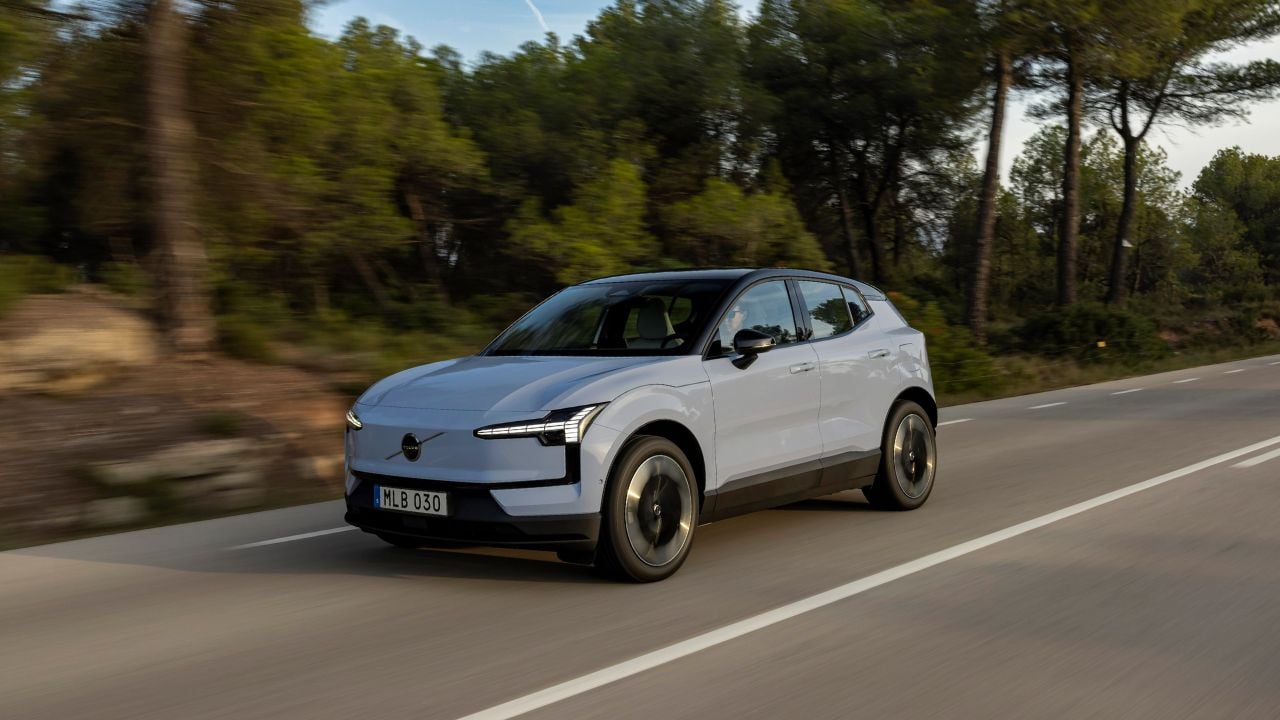
Volvo’s affordable EV plans in the United States have taken another unexpected turn. After finally launching the EX30 following multiple delays, the Swedish automaker has now confirmed the compact electric crossover will be discontinued for the American market after the 2026 model year.
The decision is a frustrating one for buyers who had been waiting for a genuinely attainable premium EV from Volvo. The EX30 originally promised a starting price of roughly $35,000, positioning it as one of the cheapest luxury-branded EVs headed for the U.S. market before tariffs and production complications pushed pricing far higher than initially expected.
Still, Volvo says it is not abandoning the affordable EV segment entirely. Company executives have now confirmed that a new electric model aimed specifically at American buyers is already in development and scheduled to arrive in 2027 as a spiritual successor to the EX30.
According to Volvo Cars America president Luis Rezende, the upcoming EV will offer a price “very similar” to the original EX30 target while delivering additional interior space and broader appeal for U.S. customers.
Why The EX30 Failed In America
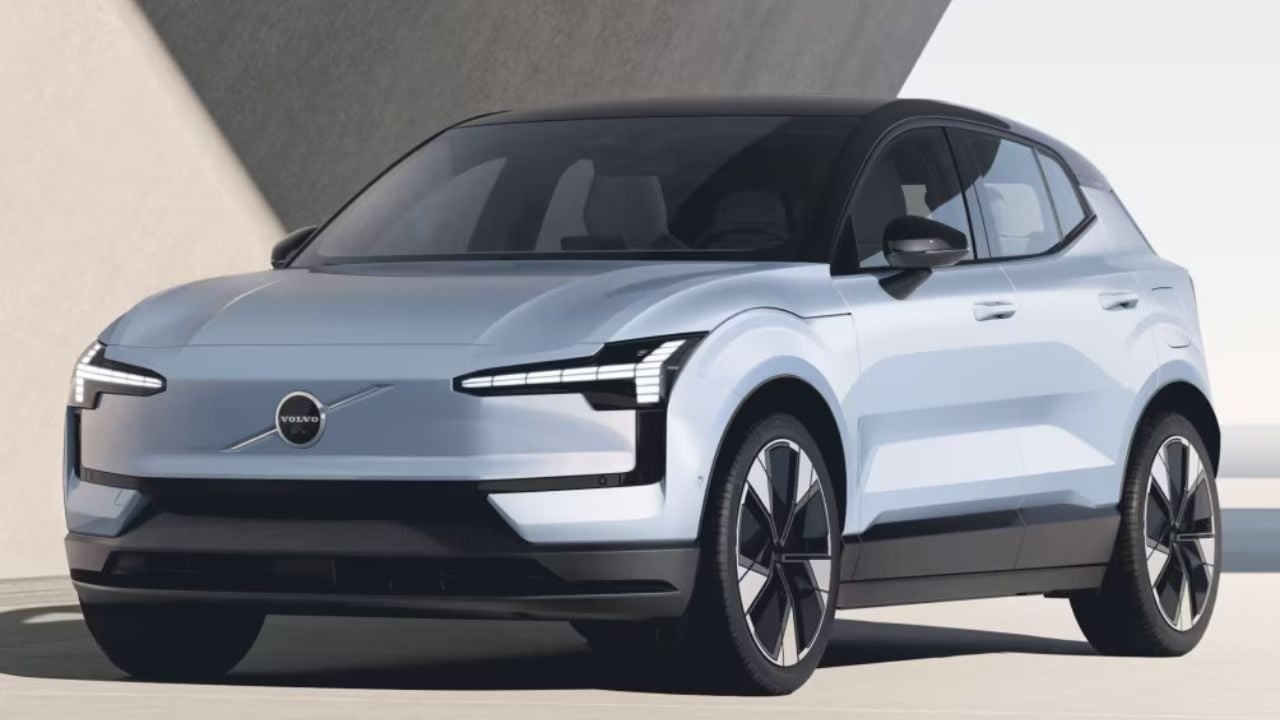
The EX30 initially looked like a breakthrough product for Volvo in the United States. Compact dimensions, attractive styling, strong performance, and a relatively affordable starting price gave the small crossover serious potential in an EV market increasingly dominated by expensive SUVs.
That plan quickly unraveled once new tariffs on Chinese-built electric vehicles dramatically increased costs. Because the EX30 was produced in China, the added import duties reportedly inflated the vehicle’s effective pricing by nearly $10,000 compared to Volvo’s original projections.
By the time the EX30 officially reached American buyers in early 2025, the entry price had climbed to nearly $45,000 instead of the originally promised $34,950.
Volvo also faced additional headaches after a battery-related recall raised concerns about fire risks. Combined with changes in EV demand and pricing pressure throughout the industry, the compact crossover no longer made financial sense for the U.S. market.
Volvo’s New Affordable EV Is Already In Development
Rather than walking away from the lower-cost EV segment, Volvo says it is already preparing a replacement designed specifically for American preferences.
Rezende confirmed the new EV is expected to arrive in 2027 and will offer “a bigger space” than the EX30 while still maintaining the fun-to-drive character Volvo wanted from its smaller crossover.
That detail is especially important because many American buyers viewed the EX30 as slightly too compact for family use. A roomier replacement could allow Volvo to target a much wider audience without abandoning the affordability goal entirely.
The automaker has not revealed technical details, dimensions, battery specs, or even the vehicle’s name yet. However, the company appears committed to keeping pricing somewhere close to the original EX30 target rather than moving further upscale.
Volvo Is Expanding Its EV Strategy In The U.S.
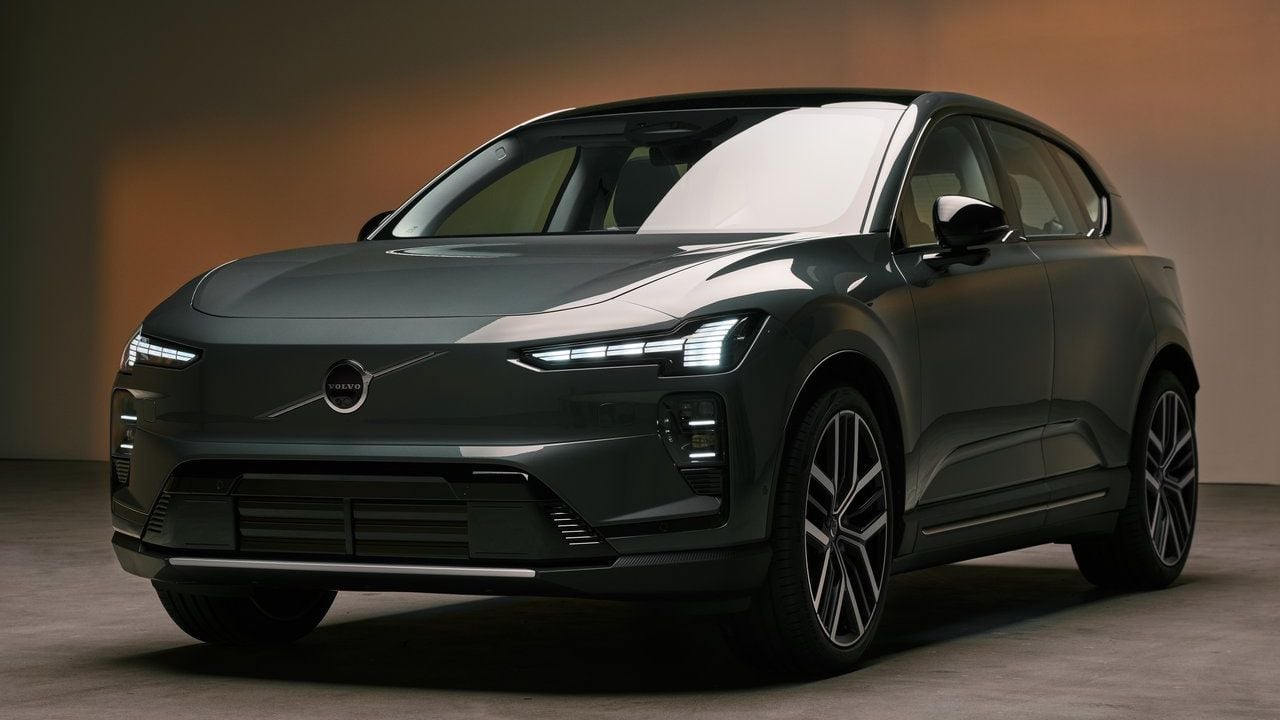
While the EX30 exits the lineup, Volvo is simultaneously pushing deeper into the premium EV market with newer and larger electric SUVs.
The newly introduced Volvo EX60 currently serves as one of the brand’s most important upcoming EV launches. The crossover starts at nearly $60,000 and rides on Volvo’s advanced 800-volt SPA3 platform, offering significantly faster charging and improved range compared to earlier models.
Volvo has also hinted at larger family-focused vehicles being built at its South Carolina factory using a multi-powertrain strategy instead of relying entirely on fully electric models from day one.
That approach is something that’s increasingly seen across the industry. Automakers are still investing heavily in EVs, but many brands are becoming more cautious about pricing, production locations, and how quickly buyers are willing to transition away from gasoline vehicles.
Affordable EVs Are Becoming The Real Battleground
Volvo’s decision highlights that affordable electric vehicles are still one of the hardest segments to crack profitably. Luxury automakers have found it easier to sell expensive EVs with larger profit margins, but demand for lower-cost electric crossovers continues to grow rapidly in the United States.
Vehicles like the Toyota bZ have shown there is still a strong appetite for EVs priced closer to mainstream gasoline vehicles. The challenge is balancing affordability with battery costs, tariffs, production expenses, and tightening competition from both American and Chinese automakers.
Volvo clearly believes the market opportunity is still there. The company just seems convinced the EX30 was not the right vehicle for the current political and economic climate in the United States.
If Volvo can successfully deliver a roomier EV near the original EX30 price target by 2027, it may finally land the affordable premium electric crossover American buyers were waiting for in the first place.