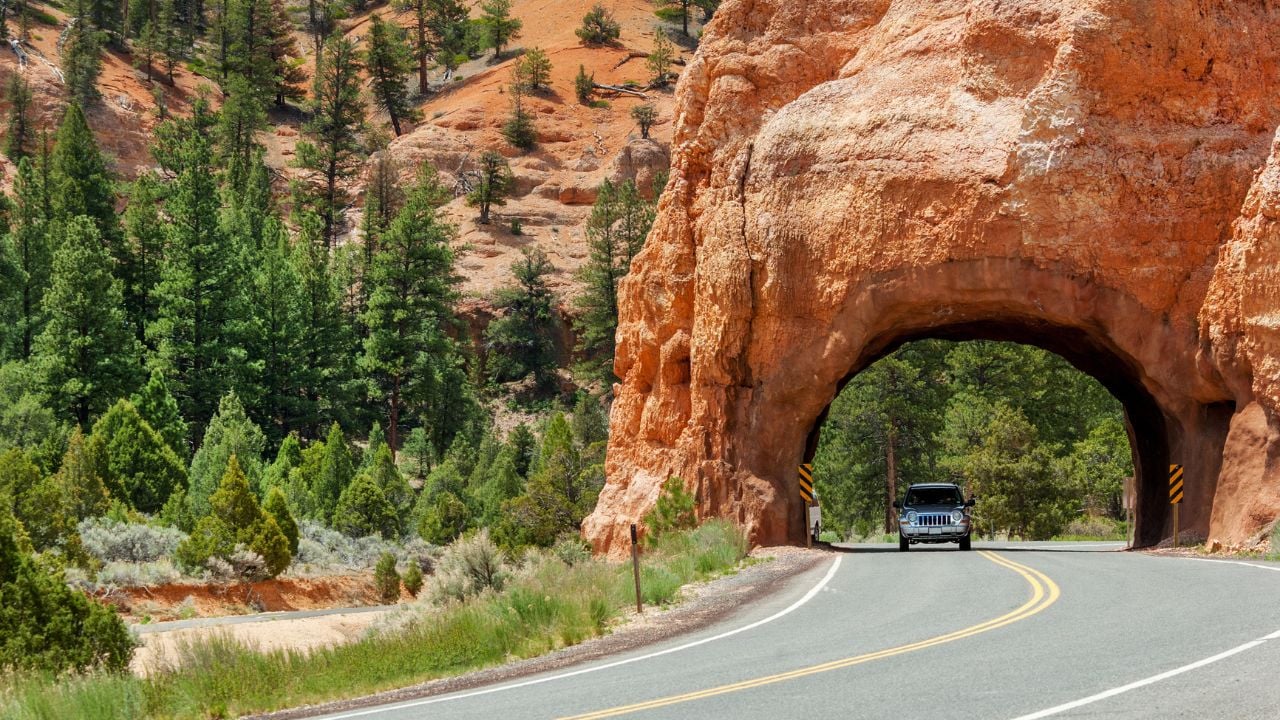
For a while, the classic American driving vacation started to feel like something people talked about more than they actually took. Cheap flights, hotel points, and the push toward farther-flung bookings made the open road seem slightly old-fashioned. That mood has shifted. Deloitte’s 2025 summer travel research found that 53% of Americans planned leisure vacations, up from 48% in 2024, with more quick getaways on the calendar and a more frugal overall approach. At the same time, Enterprise Mobility said 60% of surveyed Americans planned to reach their next summer destination by personal or rental vehicle, while Bank of America found that more than 70% of respondents still planned to travel in summer 2025, with lower-income households especially likely to stay within the United States.
What makes the revival interesting is that it is not driven by one motive alone. Cost matters, of course, but so do flexibility, spontaneity, scenic value, and the simple pleasure of setting your own pace. A traveler can leave early, stop for pie in a small town, detour toward a lake, and change plans without dealing with airline rules or fixed arrival windows. That combination has made the road trip feel modern again rather than nostalgic, which is a big reason it has re-entered the travel conversation so forcefully.
1. The Steering Wheel Is Winning the Value Battle

The value case for road trips looks strong because multiple studies point the same way. Deloitte said summer 2025 travel was trending toward more driving instead of flying, fewer international trips, fewer destination-resort stays, and a more frugal approach overall. Bank of America’s summer outlook likewise found that lower-income households were the most likely to plan travel within the U.S., and that driving was the favorite vacation mode of transport for low- and middle-income respondents. When budgets tighten, the car starts looking less like a compromise and more like the most practical way to keep the trip alive.
Holiday travel numbers make the shift even harder to dismiss. AAA projected 39.4 million Memorial Day travelers by car in 2025, or 87% of all holiday travelers, a record for that weekend. Then it projected 61.6 million Independence Day travelers by car, the highest July Fourth driving volume on record. When the biggest seasonal records keep being set on the highway, it becomes much harder to argue that road trips are running only on memory and romance.
2. Freedom Matters as Much as Price

The road-trip comeback is not just about saving money. Enterprise Mobility’s 2025 summer survey found that 60% of Americans planned to travel by personal or rental vehicle to their next destination, and 23% expected to rent a vehicle either as the main mode of transport or for use once they arrived. Among renters, 69% said the appeal was flexibility to explore, while 47% liked the freedom to drive to restaurants and 46% to take day trips. That is less about penny-pinching than about wanting room to improvise.
The same survey helps explain why the appeal feels so broad. Enterprise said it was seeing a year-over-year increase in expected travel from its U.S. neighborhood rental locations in June and July 2025, a sign that people were leaning into open-road travel. At the same time, 62% of surveyed summer travelers said they were cutting other expenses to budget for their next trip. That mix is revealing. Americans were not abandoning vacations. They were reshaping them into something easier to manage and much easier to control.
3. Scenic Highways Have Become Attractions Again
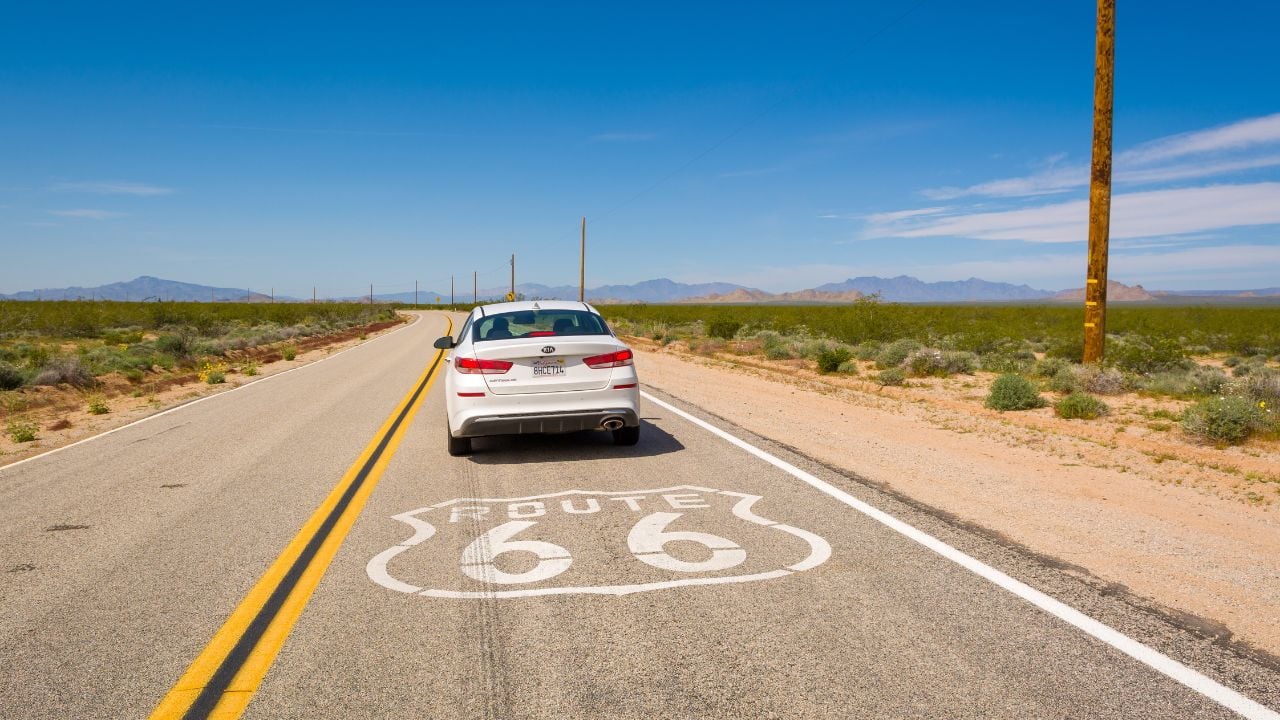
The comeback is not only about getting from one place to another. Longwoods International found that 56% of travelers had spent at least one night following a touring route or scenic or historic highway in the previous five years, and 31% had done that multiple times. It also found that 33% were extremely interested in touring part or all of Route 66. That kind of interest suggests the route itself has regained real star power.
Federal highway officials make a useful distinction here. The Federal Highway Administration says an All-American Road must be a “destination unto itself,” offering such an exceptional travel experience that people would make the drive a primary reason for their trip. That idea lines up neatly with current traveler behavior. For plenty of Americans, the road is no longer just the stretch between two reservations. It has become the vacation again.
4. America’s Drivable Landscapes Are Pulling Hard
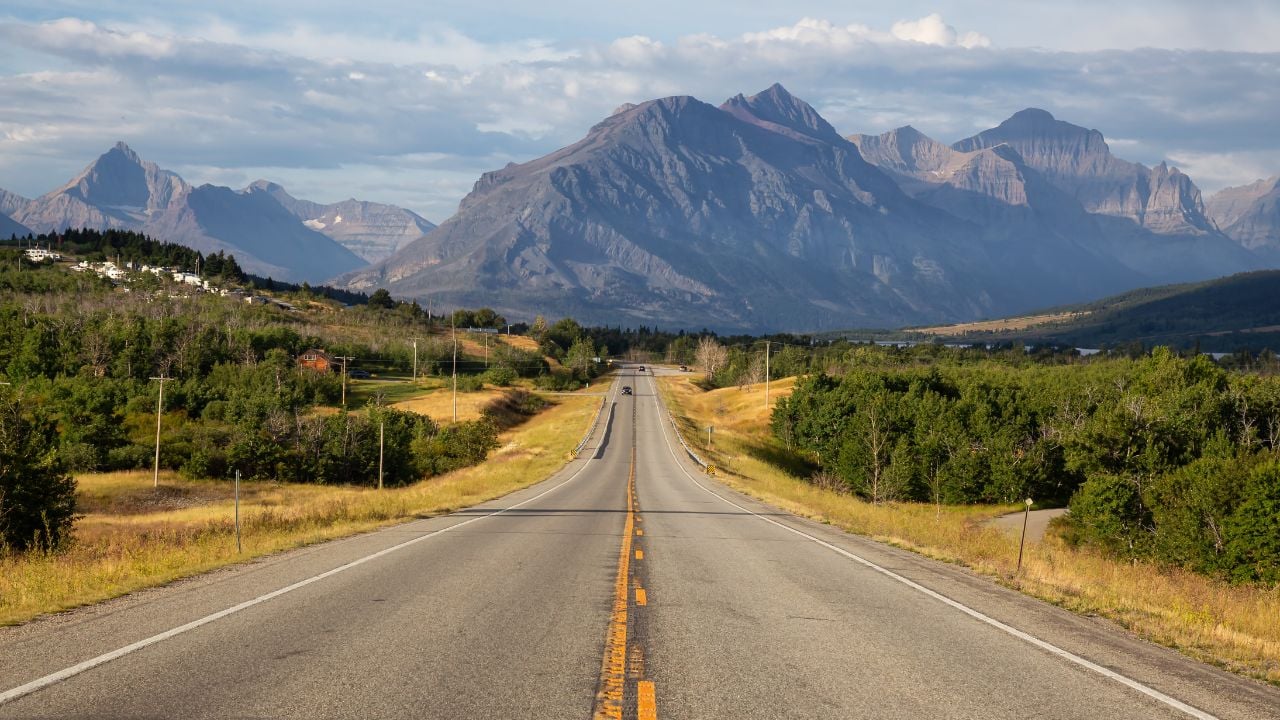
National Park Service data helps explain why so many motorists are still happy to put in the miles. The agency said the national park system recorded 323,014,305 recreation visits in 2025, including 13,016,577 overnight stays, with 26 parks setting visitation records. Some of the strongest numbers came from places that fit naturally into a driving holiday: Blue Ridge Parkway led all National Park System sites with 16,533,753 visits, Natchez Trace Parkway drew 7,994,783, and Great Smoky Mountains National Park welcomed 11,527,939.
Those figures point toward a distinctly American kind of getaway, one built around overlooks, picnic pullouts, mountain tunnels, lake cabins, roadside diners, and long stretches of windshield scenery. They also match what travelers say they want. Enterprise found that 50% of respondents pictured their dream holiday as a mix of relaxation and sightseeing, 46% wanted local food and cuisine, and 33% were drawn to culture and history. That combination naturally favors a car because a car lets the trip spread beyond one fixed base.
5. The Return Is Real, but the Tradeoffs Are Real Too
No comeback story is complete without a few complications. Longwoods found that concern about rising gas prices climbed from 17% in June 2025 to 23% in July, a reminder that road-trip confidence can shift quickly when fuel starts moving the wrong way. AAA said July 4th 2025 gas prices were still the lowest they had been since 2021, but it also warned that oil-market tensions and an active hurricane season could still change the picture. The romance is real, but the math underneath it can still move around.
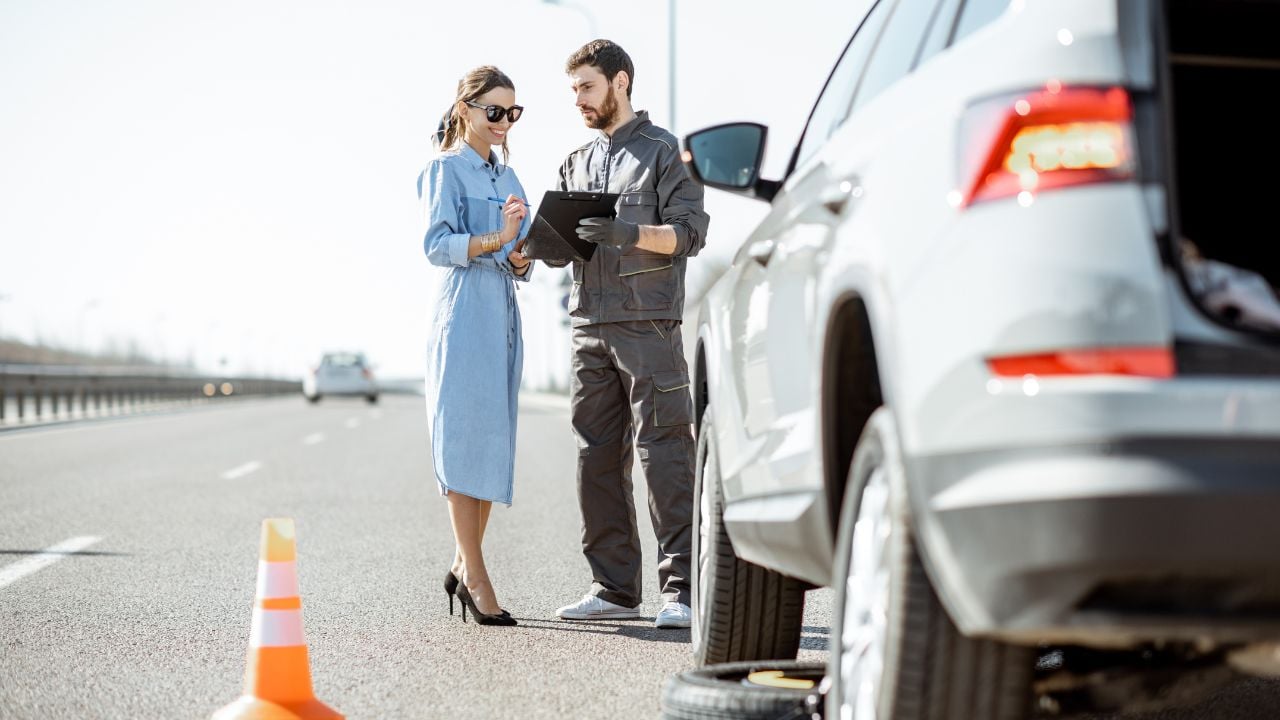
Then there is the practical side of all that enthusiasm. AAA said it responded to nearly 700,000 roadside assistance calls during the previous July Fourth travel period and urged drivers to handle routine maintenance and pack an emergency kit before leaving. It also warned that holiday congestion would be worst in the afternoons on peak travel days. Pair that with record-level parkway and park visitation, and the modern road trip looks slightly less carefree than the postcards suggest. The appetite is back, but the smartest travelers are the ones who plan like the crowds are back too, because they are.