Honda’s North American plan now looks less like a sprint to battery electric vehicles and more like a long bridge through hybrids.
After several years of heavy EV promotion, the company is reading the market more carefully. Fully electric demand has not grown evenly across every segment, charging infrastructure remains a concern for many buyers, and price still matters deeply in the mainstream models that keep Honda strong.
That does not mean Honda is walking away from electrification. It means hybrids now look like the safer business case for the next several years, especially in the United States and Canada.
In its 2026 business briefing, Honda said it will reallocate more development and production resources into hybrid models, which it described as being in high demand. The company plans to launch 15 next-generation hybrid models globally by the end of the fiscal year ending March 31, 2030, with North America as one of the priority regions.
Honda Is Reading North America More Carefully
The shift comes as automakers across the industry admit that the move to fully electric cars is taking longer than expected. Honda is still preparing EV technology for the future, but it is no longer treating North America as a market that will move on one fixed timetable.
The company has already made major adjustments. Honda said it will indefinitely suspend its project to build a comprehensive EV value chain in Canada and continue reassessing its procurement strategy. At the same time, it will convert part of its joint venture battery production with LG Energy Solution toward hybrid battery production.
That tells the story clearly. Honda is not only talking about hybrids more seriously. It is moving factory planning, battery sourcing, and product development around them.
According to Autoblog, citing Automotive News, American Honda planning chief Gary Robinson said hybrids are expected to become the core of Honda’s North American business and eventually surpass traditional gasoline models later this decade.
Honda And Acura Will Not Use The Same Formula
Honda and Acura are expected to take different paths through this transition. Honda will keep gasoline engines where they still make sense, especially in lower priced models where affordability and market share matter most.
Acura, on the other hand, is expected to lean harder into hybrids. That fits the luxury side of the business better, where buyers may be more willing to accept hybrid systems when they bring stronger performance, smoother power delivery, all-wheel-drive capability, and a more refined driving experience.
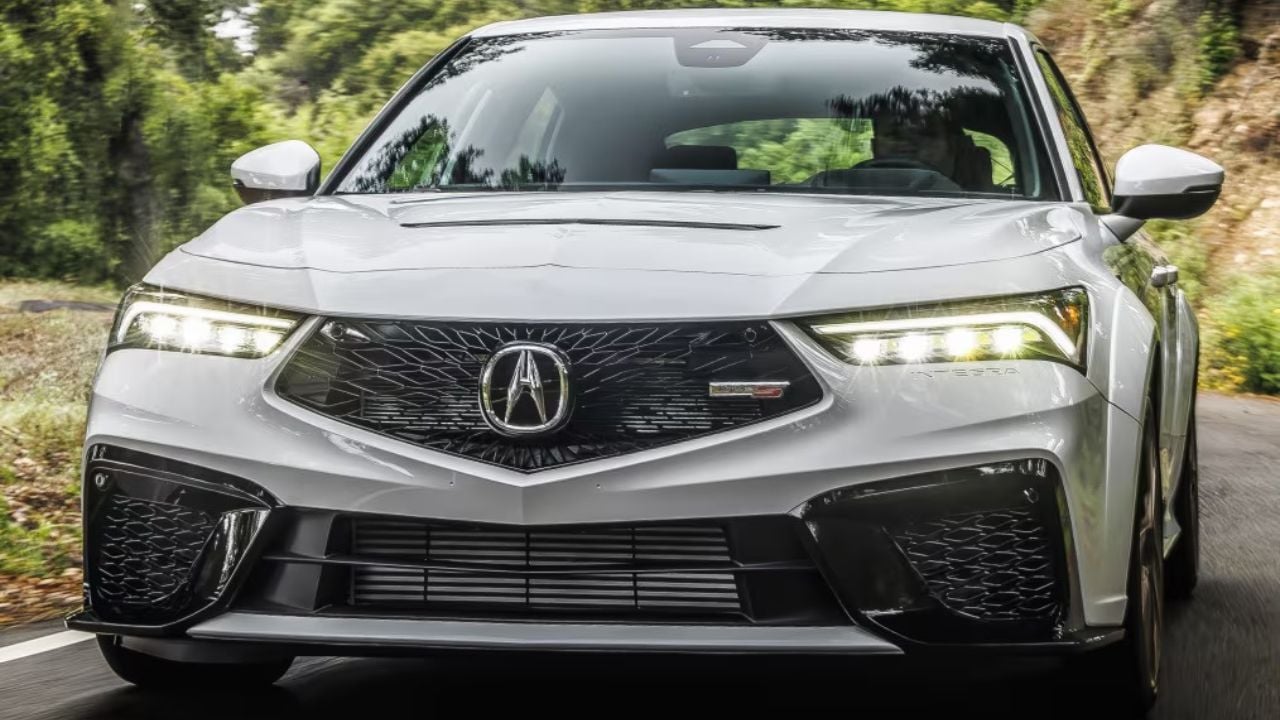
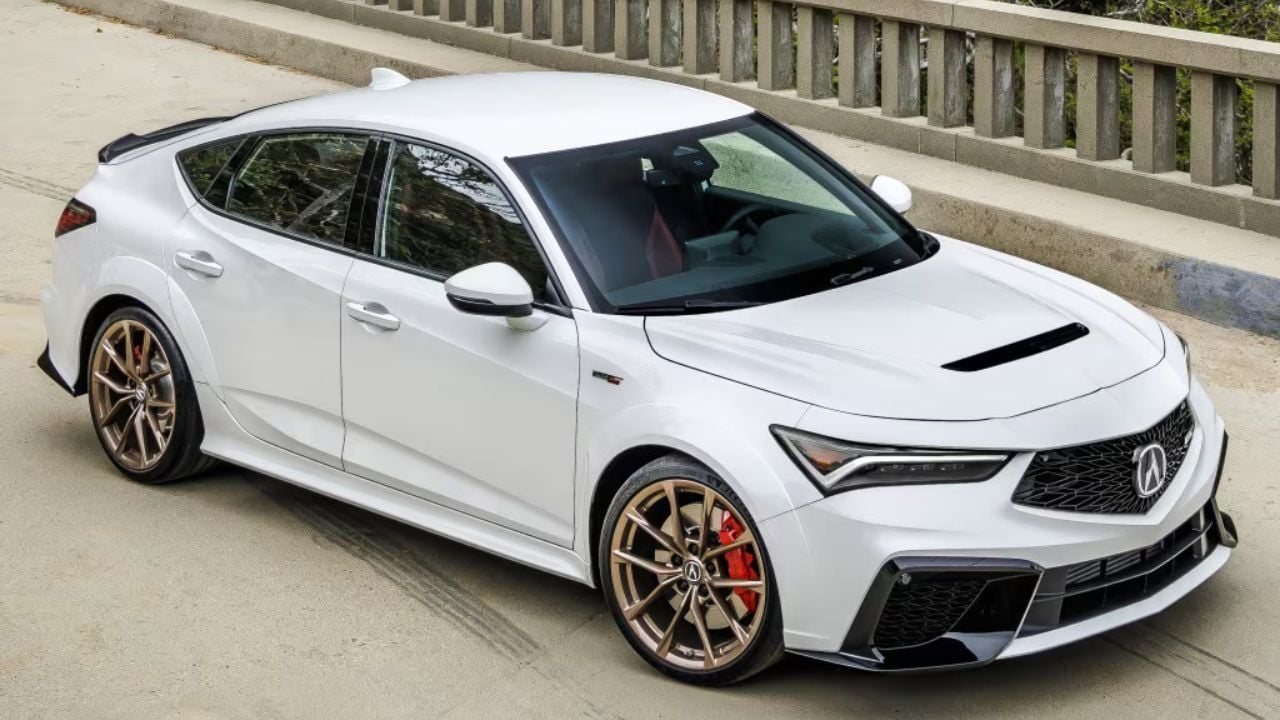
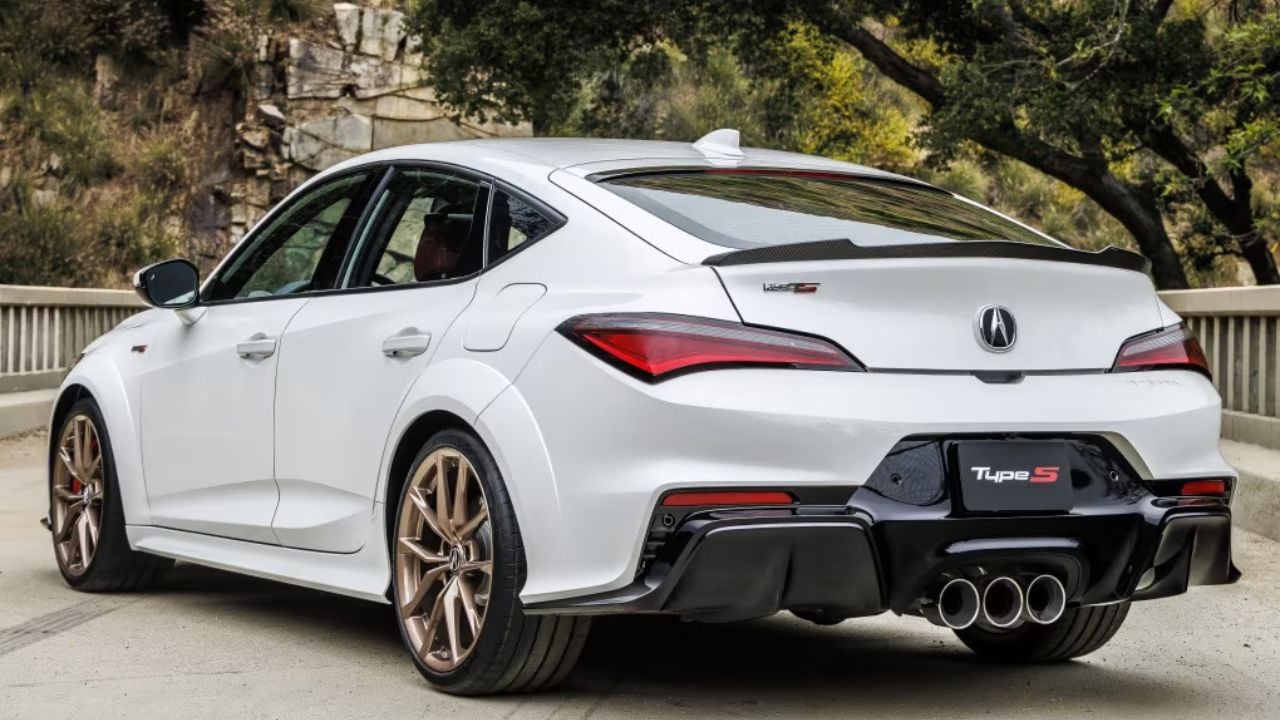
The new direction could also affect product cycles. According to the same report, several important models may stay on the market longer than expected as Honda reshapes its next wave of hybrid technology. That list includes the Odyssey, Accord, and HR-V on the Honda side, along with Acura’s MDX and Integra.
That does not necessarily mean these models will be ignored. It means Honda may use smaller updates, technology improvements, and powertrain changes instead of rushing into full redesigns before the business case is ready.
New Hybrid Systems Are Coming
Honda will begin launching next-generation hybrid models in 2027, using an all-new hybrid system and platform. The company says it wants to reduce the cost of its next-generation hybrid system by more than 30% compared with the system introduced in 2023.
Honda also plans to make all of its North American auto plants capable of producing hybrid models. That matters because hybrid growth is no longer being treated as a small side program. It is becoming part of the company’s manufacturing backbone in the region.
The next-generation Acura RDX is expected to introduce a two-motor hybrid powertrain and arrive as a 2028 model. Honda will also continue improving the two-motor hybrid formula already used in models such as the Civic, Accord, and CR-V.
The company does not plan to limit hybrid growth to smaller cars. Honda said it will launch large-size hybrid models in North America in 2029, in the D-segment or above. Reports have linked that direction to family vehicles such as the Pilot, Passport, Ridgeline, Odyssey, and Acura MDX, although Honda’s official language is broader than those specific nameplates.
Hybrids Give Honda A Lower Risk Future
The logic is easy to understand. Hybrids give drivers better fuel economy and lower emissions without forcing them to change daily habits or depend fully on public charging infrastructure.
That is especially important for family vehicles and crossovers. Buyers in those segments often care about range, reliability, space, weather confidence, towing needs, road trip comfort, and familiar ownership behavior. A hybrid can improve efficiency without making the vehicle feel unfamiliar.
Honda’s current plan also protects the lower end of its lineup. Gasoline engines still make sense in smaller and less expensive models where price is one of the biggest reasons buyers choose Honda in the first place. The next Civic is also expected to keep gasoline versions alongside newer hybrid options.
For Acura, hybrids can play a different role. They can support performance and refinement, not just fuel savings. That gives Honda room to keep the mainstream brand grounded while letting Acura move further into electrified premium models.
Honda is not abandoning EVs. The company says it will continue preparing EV hardware platforms, software, and all-solid-state battery development so it is ready when demand grows. The difference is that hybrids now give Honda a lower-risk path through the years immediately ahead.
Instead of betting everything on a sudden EV shift, Honda is choosing a strategy shaped by real customer behavior. In North America, that means keeping gasoline where it still works, expanding hybrids where buyers already see value, and waiting for the EV market to mature before forcing the next big leap.
This article was originally published by Autorepublika.com and is republished with permission. It has been reviewed and edited by Guessing Headlights.