Classic trucks live differently from classic cars. A coupe may spend most of its life under a cover, but an old pickup still looks right with a toolbox in the bed, a parts run on the schedule, and a little dust on the paint.
Collectors keep using the best examples for practical reasons. These trucks were built around frames, axles, carbureted engines, bench seats, manual controls, and hardware ordinary owners could understand with basic tools and patience.
The strongest examples are rarely perfect showpieces. They are solid drivers with good brakes, healthy cooling systems, sorted steering, safe tires, clean wiring, and enough originality to keep their character intact.
These five classic trucks remain popular because they still feel useful. They can cruise to a local show, carry weekend supplies, handle light chores, and remind people why pickups became trusted tools before they became lifestyle vehicles.
1967 To 1972 Chevrolet C/K

The 1967 to 1972 Chevrolet C/K sits in one of the most useful classic truck windows, with vintage character, strong parts support, and enough modern drivability to make regular use realistic. Chevrolet offered inline-six engines, small-block V8s, and later big-block V8 options, while 1971 brought front disc brakes to many light-duty two-wheel-drive models.
That brake upgrade makes later examples especially attractive for owners who actually drive their trucks. The C/K also combines clean styling, a roomy cab for its era, straightforward mechanicals, and one of the strongest parts networks in the classic truck world.
A small-block V8 truck can cruise easily, while an inline-six version keeps the experience simpler and usually cheaper to maintain. Collectors still use these trucks without treating them like fragile display pieces. They can handle weekend errands, light hauling, local drives, and casual road trips when properly sorted.
Rust around cab corners, rockers, floors, bed supports, and lower fenders deserves serious inspection. A solid C/K remains one of the clearest answers for anyone who wants a classic pickup that still works like a truck.
1973 To 1979 Ford F-Series
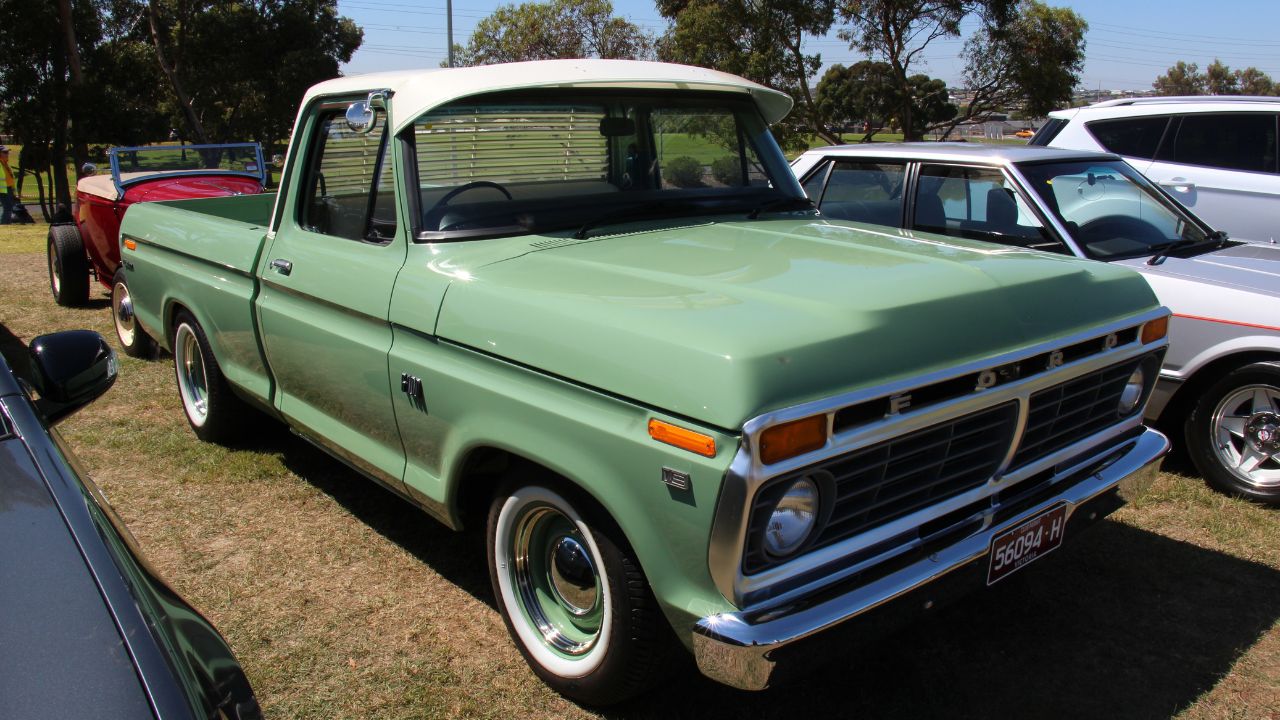
The 1973 to 1979 Ford F-Series, often called the Dentside generation by enthusiasts, brought squared-off styling, broad engine availability, and a stronger everyday truck feel. Ford produced this generation from the 1973 through 1979 model years, and the lineup included half-ton, three-quarter-ton, and heavier-duty versions.
This era works well for collectors who want a truck that feels old but not delicate. The bodies are simple, the engine bays are accessible, and the 300-cubic-inch inline-six became one of Ford’s most respected truck engines.
Depending on year and configuration, buyers could also find 302 V8, earlier 360 and 390 FE V8s, later 351M and 400 V8s, and 460 V8 power in heavier or properly configured models. That range gives collectors plenty of room to choose between simple durability and stronger old-school torque.
The best Dentside trucks have enough size for real use, enough parts support for realistic ownership, and enough mechanical simplicity to keep owners involved. Buyers should inspect cab mounts, bed floors, frame condition, steering wear, fuel tanks, and old wiring repairs. A clean F-100 or F-250 from this period can still feel like a working pickup rather than a fragile collectible.
1947 To Early 1955 Chevrolet Advance Design

The 1947 to early 1955 Chevrolet Advance Design pickup helped move Chevrolet trucks away from purely prewar work-vehicle thinking and into a more modern postwar shape.
Chevrolet’s Advance Design series included familiar 3100, 3600, and 3800 models with inline-six power and simple manual transmissions. Early light-duty trucks are closely associated with the older 216-cubic-inch six, while later 1954 and 1955 First Series trucks brought the more desirable 235-cubic-inch six into the light-duty conversation.
Collectors still use these trucks for their approachable mechanical layout, handsome shape, and strong restoration support. The cab shape, rounded fenders, split windshield on earlier models, and simple bed layout give them huge visual charm without making ownership feel exotic.
Parts support is excellent, with major suppliers still offering restoration parts for 1947 to 1955 Chevrolet trucks. Buyers should inspect cab corners, floors, lower doors, running boards, bed wood, wiring, brakes, and steering wear. A solid Advance Design pickup feels like an honest old truck that can still handle relaxed weekend use.
1948 To 1952 Ford F-1
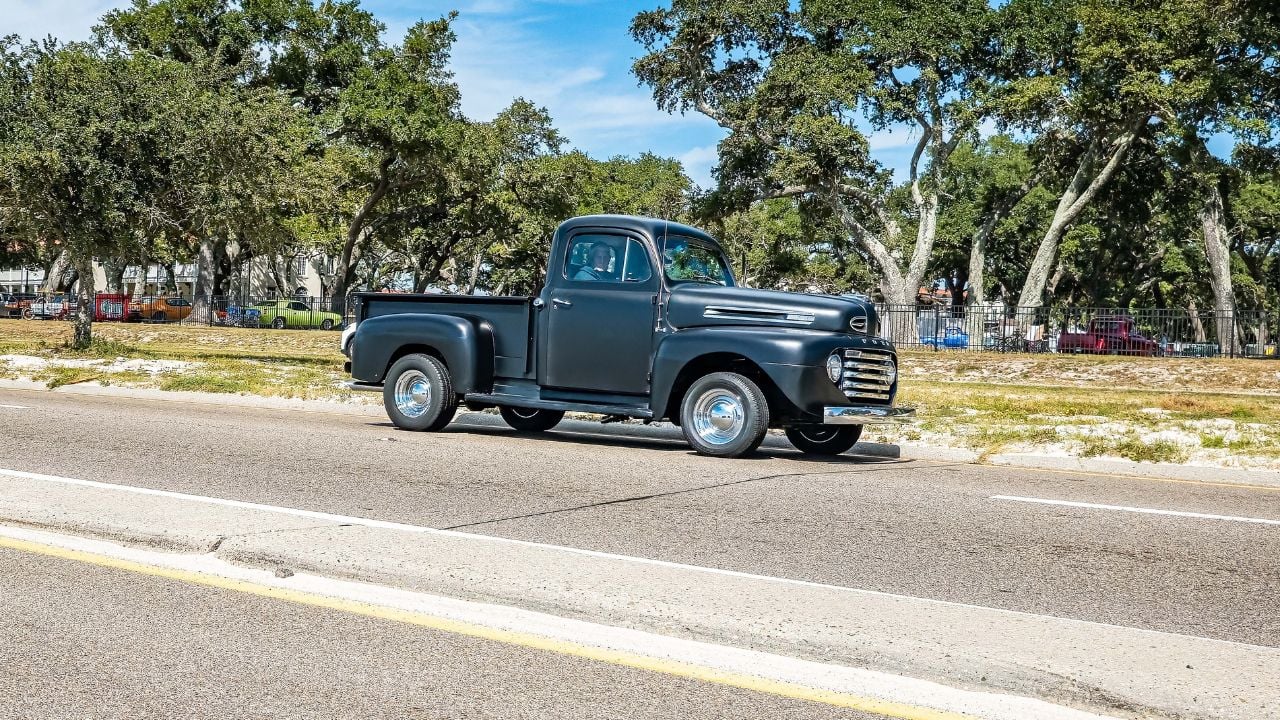
The 1948 to 1952 Ford F-1 represents the beginning of the F-Series story. Ford introduced the first F-Series trucks for 1948, moving away from car-based truck design toward a dedicated truck chassis.
The F-1 used simple flathead six-cylinder and flathead V8 power, manual transmissions, and work-focused hardware. It is slower and older in feel than the later trucks here, but that is part of its collector appeal.
The F-1 has upright proportions, a straightforward cab, a short wheelbase, and mechanical systems that reward careful, patient maintenance. It feels like a bridge between prewar trucks and the postwar pickups that reshaped American roads.
Collectors still use F-1s for relaxed driving, parades, small chores, and weekend events. They are not ideal highway machines without thoughtful upgrades, but a well-sorted truck can still be deeply satisfying at modest speeds. The smartest buyers focus on body structure, cab floors, fenders, running boards, bed condition, and the quality of any older restoration work.
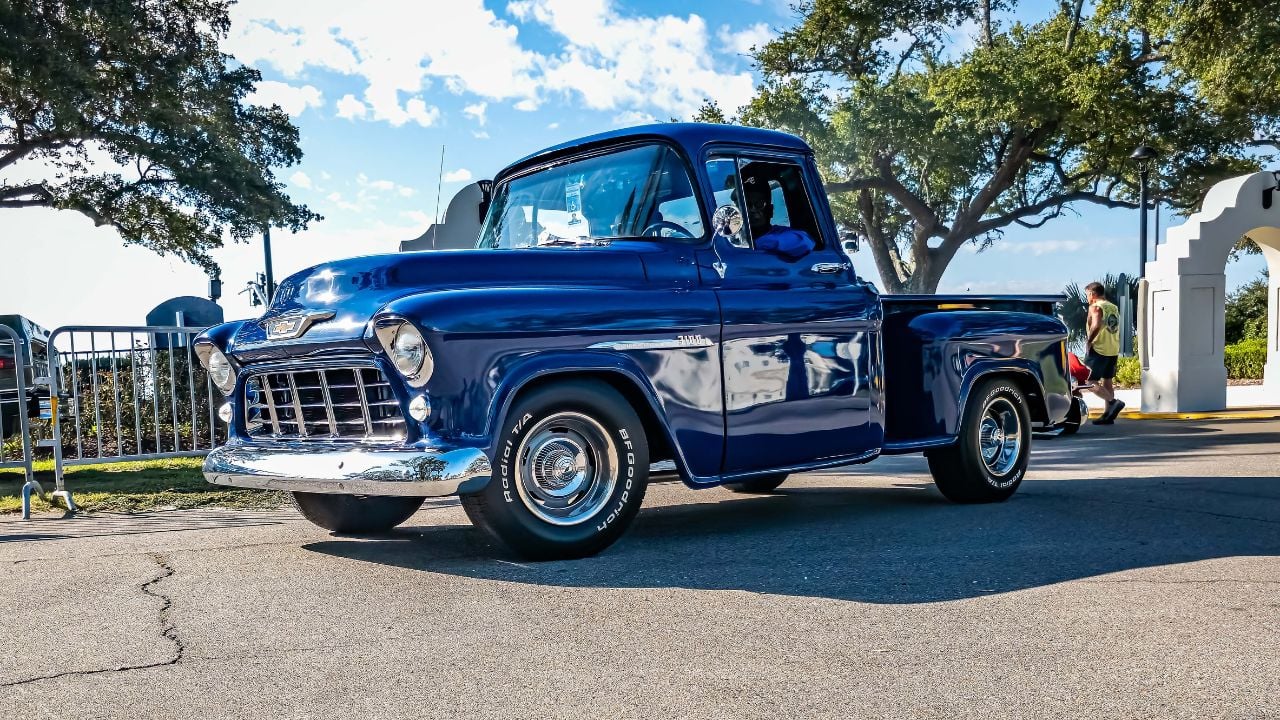
1955 To 1959 Chevrolet Task Force
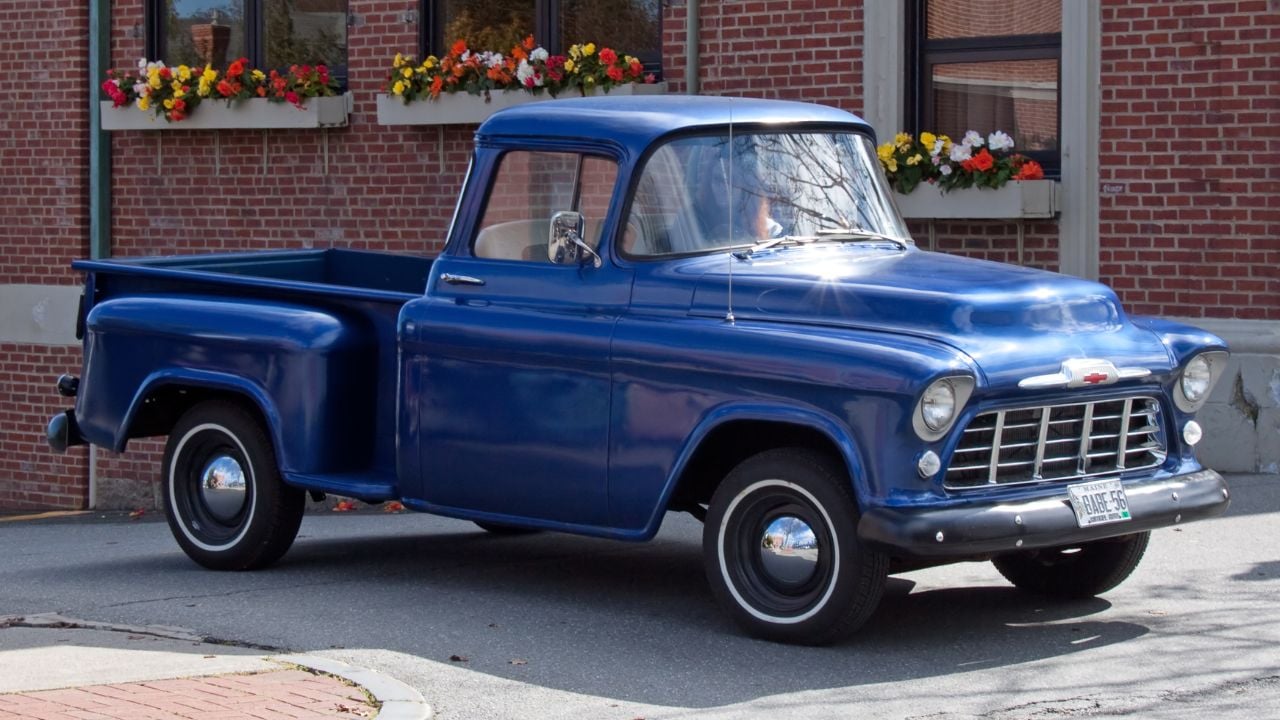
The Chevrolet Task Force series gave Chevrolet trucks a cleaner, more modern look for the second half of the 1950s. The series arrived for the second half of 1955 and ran through 1959, with styling that moved far away from the earlier Advance Design trucks.
Chevrolet offered familiar inline-six power, including the 235-cubic-inch Thriftmaster, along with V8 options that helped define the era’s shift toward stronger light trucks.
These trucks combine usable proportions with huge visual appeal. The wraparound windshield, integrated fenders, handsome grille designs, and simple bed layout give them more presence than many earlier work trucks without making them overly complicated.
A Task Force Chevrolet can still function as a weekend hauler when the brakes, steering, cooling, and fuel system are in good shape. Parts support is strong, and the owner community is deep. Buyers should be careful around rust in cab corners, floors, lower doors, steps, fenders, and bed wood. A clean 3100 with sensible mechanical work offers one of the most enjoyable old truck experiences in the collector market.
Why Simple Classic Trucks Still Get Used
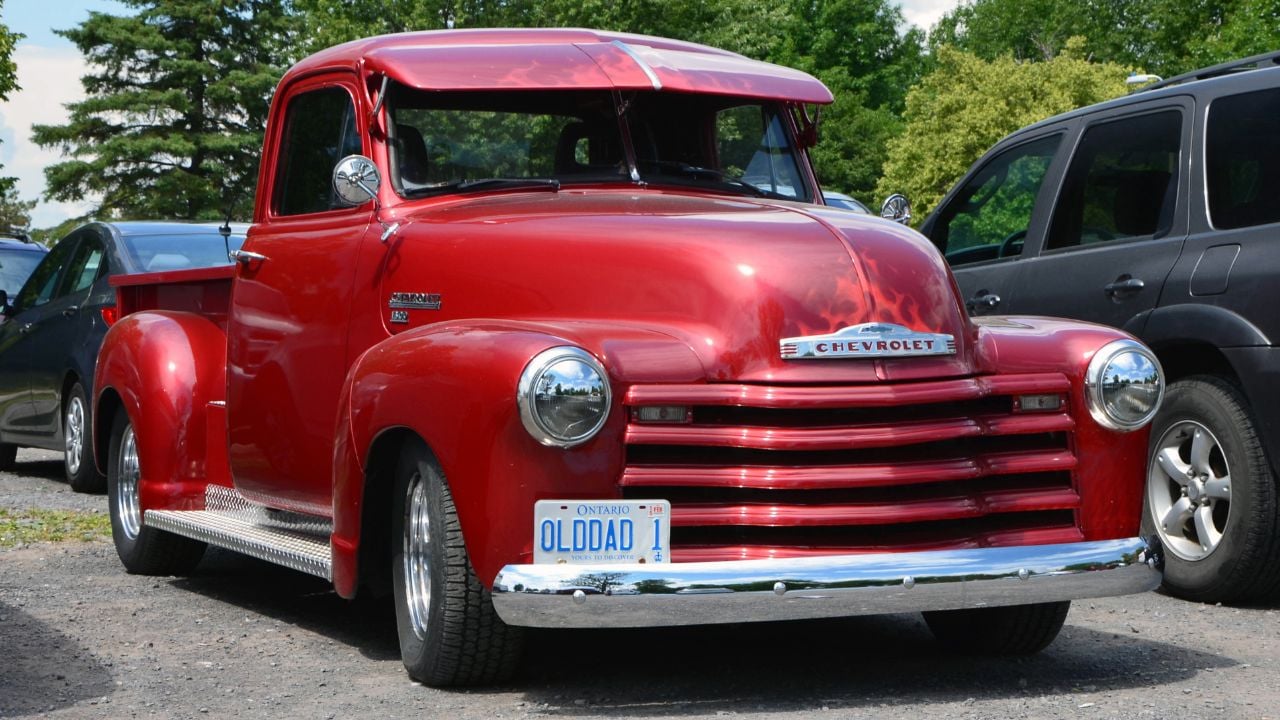
The best classic trucks earn affection through usefulness. They do not need luxury cabins, huge screens, or complicated electronics to feel rewarding. They need honest controls, strong frames, accessible engines, good parts support, and enough durability to leave the garage without anxiety.
The Chevrolet C/K and 1973 to 1979 Ford F-Series bring broad parts support and familiar drivetrains. The Ford F-1 adds early postwar character, while the Chevrolet Advance Design and Task Force pickups show why 1950s Chevrolet trucks still attract collectors who want style, simplicity, and usability in one package.
Condition still decides everything. Rust, weak brakes, sloppy steering, overheated engines, unsafe wiring, and missing trim can turn a charming pickup into a long project.
That is why these pickups still leave the garage. They are old enough to feel special, simple enough to understand, and sturdy enough to keep doing small jobs without losing their charm.