Lawmakers are finding unique ways to reduce carbon emissions and fuel consumption, and this time, the matter of discussion is not ethanol or electric vehicles, but aftermarket tires that drivers choose over Original Equipment Manufacturer (OEM) tires.
Drivers often switch to better tires for enhanced comfort or performance after the OEM tires on their vehicles wear out. However, a proposed bill may deter motorists from choosing aftermarket tires for environmental reasons.
The state has directed the California Energy Commission (CEC) to develop a replacement tire efficiency program that ensures all tires sold in the state are as energy-efficient as OEM tires.
This means citizens may be allowed to only choose the same tires that came with their new vehicles, or select from other available efficient tires in the market.
CEC Testing Shows OEM Tires Are More Energy-Efficient
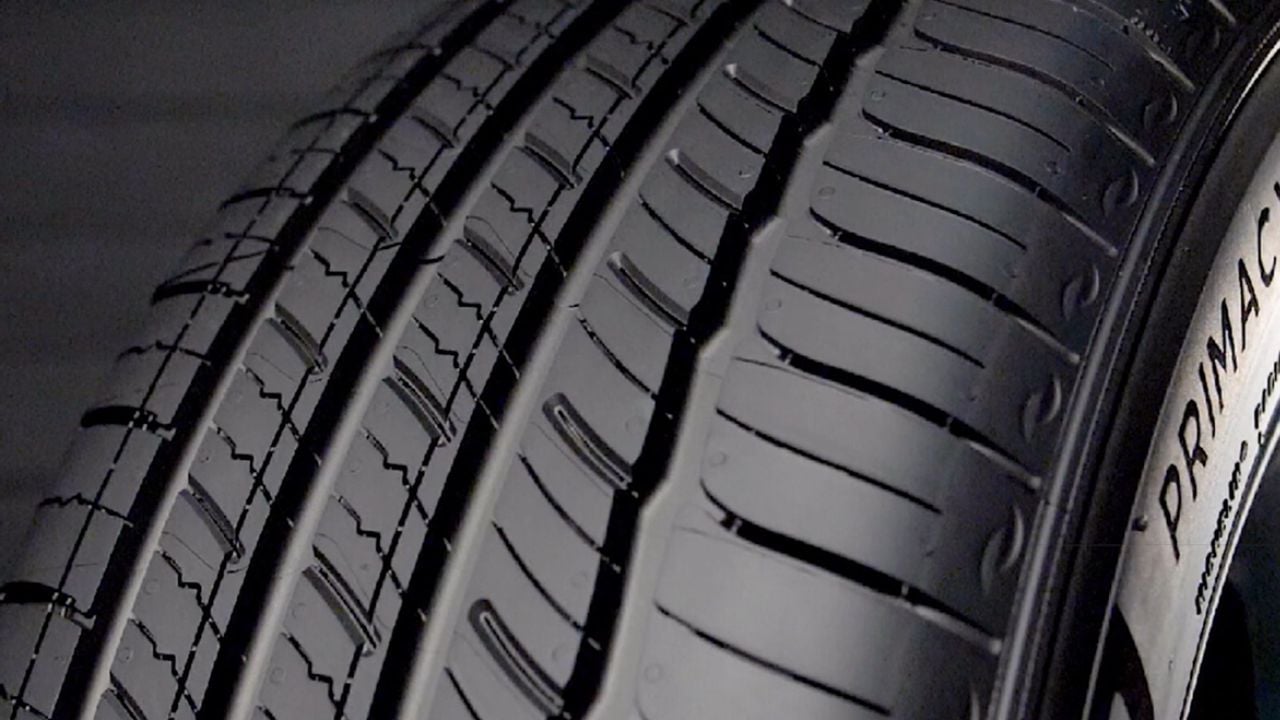
According to the CEC, testing showed that OEM tires are more efficient than replacement tires, meaning they have less rolling resistance. Notably, tires with less rolling resistance reduce fuel consumption. The report states:
“Assembly Bill 844 (Nation, Chapter 645, Statutes of 2003), codified in Public Resources Code Sections 25770 through 25773, directs the California Energy Commission (CEC) to adopt a replacement tire efficiency program ‘designed to ensure that replacement tires sold in the state are at least as energy efficient, on average, as tires sold in the state as original equipment on new passenger cars and light-duty trucks.’”
“Replacement tires are those purchased by drivers to replace existing tires. The tires sold with new vehicles are referred to as original equipment tires. Testing commissioned by the CEC shows that original equipment tires are more efficient than replacement tires.”
Fuel prices and consumption have become major talking points amid tensions involving Iran and the broader Middle East. However, that is just one of the aspects the proposal covers, as it aims to reduce driver fuel spending, regardless of whether vehicles are powered by batteries or gas. The report added:
“Tire efficiency has a significant impact on the energy consumption of vehicles. How easily a tire rolls, referred to as rolling resistance, affects how much drivers spend on fuel for their vehicle, whether gasoline, diesel, electricity, or hydrogen fuel.”
Reduced Rolling Resistance Means More Savings
The report claims that California drivers could save around $179 on gas over a four-year period and reduce emissions significantly. It stated:
“The regulations proposed in this staff report are, if adopted, expected to save each California driver of a gasoline passenger vehicle about $179 (2024 dollars) in fuel costs over the typical four-year life of a set of tires.
“In total, the regulations are anticipated to save California drivers about $979 million (2024 dollars) in fuel costs annually in 2035 and reduce greenhouse gas emissions by an estimated 2.0 million metric tons of carbon dioxide equivalent in 2035.
“This quantity is equivalent to about 1.9 percent of California’s 2021 passenger vehicle emissions.”
The CEC adds that the proposed regulations are “technically feasible, are cost-effective, and will not compromise safety, reduce tire life, or increase tire waste.” However, the report fails to mention whether drivers will have a choice to use aftermarket tires based on personal preference.
While the CEC may be confident in suggesting OEM tires, certain drivers may feel safer and more comfortable using non-OEM tires. It remains to be seen how the law will be implemented, if passed, and whether drivers’ freedom to choose the tires they prefer for their vehicles will be traded for greater efficiency and fuel savings.
Social Media Video Highlights OEM Tire Challenges
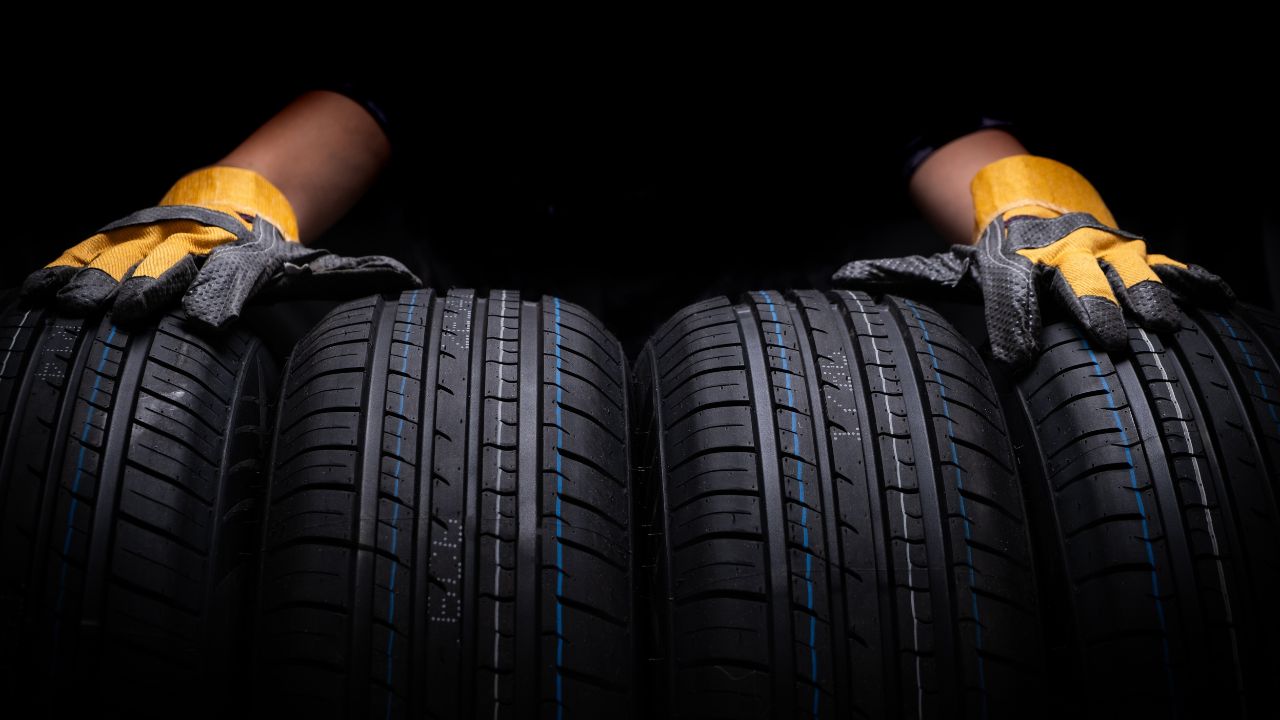
A video on Instagram by Tyre Reviews discusses the proposed tire regulations and highlights how OEM tires that are fitted on new vehicles are tuned to have low rolling resistance so that environmental targets of the automakers are met.
However, the video explains that OEM tires often have a lower starting tread depth, a shorter tread life, and sometimes less grip on wet roads, factors that could be flagged as significant safety hazards.
That raises an important question of whether driver safety should be compromised for increased fuel savings. Not only that, reduced tread life means the tires will wear out sooner, leading to another purchase, whereas certain aftermarket tires that are designed to last long offer greater mileage and thus add to savings anyway.
View this post on Instagram