Google has been working behind the scenes to reduce the spread of diseases by mosquitoes using artificial intelligence. Project Debug aims to carry out the operation in Florida and California over the next two years that could reduce the mosquito population.
However, the project has not been approved by the government just yet, as Google’s proposal is being reviewed by the US Environmental Protection Agency (EPA), which is inviting the public to comment until June 5.
If an approval is granted, Google will disperse 32 million bacteria-infested mosquitoes, injected with the specific strain of the Wolbachia pipientis bacteria.
The experiment has reportedly been carried out in Singapore, and the results have been impressive, as dengue cases dropped to their lowest levels after just two years.
What is Project Debug?
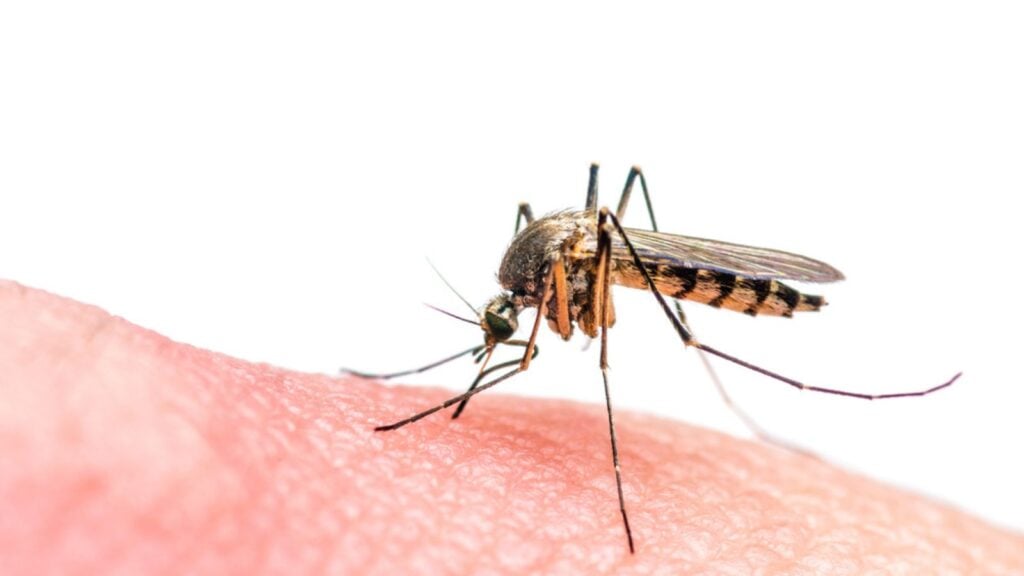
Project Debug aims to release more “good bugs” or male mosquitoes that will have a significant effect on the total mosquito population, and thus help curb the spread of diseases.
The project claims “mosquitoes are the deadliest animals on the planet,” particularly the Aedes aegypti species that “carries diseases such as dengue, Zika, yellow fever, and chikungunya, which make hundreds of millions of people sick every year.”
Debug states, “these diseases are spreading faster than ever.” The project uses a natural technique to control mosquito population rather than using pesticides, and believes this is the need of the hour because “most of these diseases don’t have effective vaccines or treatments.”
Project Debug aims to release a higher number of male mosquitoes that have “naturally-occurring bacteria called Wolbachia,” which prevents them from having offspring with wild female mosquitoes.
Notably, male mosquitoes cannot bite or spread disease like female mosquitoes, and an increase in their population would lead to fewer mosquitoes over a period of time (since they cannot have offspring).
Project Debug confirms that this “technique uses a naturally occurring bacteria and uses no chemicals, no toxins and doesn’t involve genetic modification. Similar approaches have been used to safely combat other pests for decades.”
How Google Plans to Execute Project Debug in Florida and California
According to a report by FirstPost, the Federal Register notice mentions releasing 16 million laboratory-bred and sterilized male mosquitoes in the two states in the first year, while the other half will be released the following year. Notably, this is subject to approval by the U.S. government.
While the specific location where the mosquitoes will be released has not been mentioned, researchers revealed that Google aims to reduce the spread of the Culex quinquefasciatus variety of mosquito, a species famous for carrying the West Nile virus and St. Louis encephalitis.
Project Debug’s earlier work and the Singapore trials focused on Aedes aegypti, the EPA proposal for California and Florida targets Culex quinquefasciatus, a different mosquito species associated with diseases such as West Nile virus rather than dengue fever
The US Centers for Disease Control and Prevention (CDC) identified the West Nile virus as the leading cause of mosquito-borne disease in the U.S. Over 1,300 people reportedly fall sick every year, as the virus attacks the central nervous system.
How Will AI Help Control the Mosquito Population?
Project Debug will make use of AI and specialized insect breeding robots to reduce the spread of disease through mosquitoes. FirstPost reported that on May 12, Debug revealed it was expanding its research and development programme in Singapore.
The goal is to focus on AI and automation to breed, sort, and release sterilized male mosquitoes. A robotic system will rear mosquitoes, while a proprietary AI-powered computer vision will be used to separate adult male and female mosquitoes.
A study published in The Lancet Regional Health—Western Pacific journal revealed that following the release of infected mosquitoes in Singapore in 2016, dengue cases dropped to their lowest in 2018.
If they are going to do this, they should spread it along all states, not just Florida and California. Athough I wish they wouldn’t do it, it might be a horror story.
This has huge “how the Z poc outbreak started” vibes. And who knows what the ecological fallout could be? Mosquitoes, while annoying, are food for a lot of beneficial bugs and animals.