
After years of writing about international destinations and chasing exotic locales across the globe, I found myself questioning whether I’d overlooked the extraordinary places in my own backyard. A deliberate journey through America’s diverse landscapes, cultures, and communities revealed something profound: the United States offers experiences as transformative and soul-stirring as anywhere on Earth. These ten destinations reminded me why America captivates travelers from around the world, and why we shouldn’t take our own country’s wonders for granted.
Olympic Peninsula, Washington

Standing in the Hoh Rainforest, surrounded by moss-draped maples and the ethereal silence of ancient trees, I understood why this corner of America feels almost mythical. The Olympic Peninsula compresses an impossible variety of ecosystems into one accessible region: temperate rainforests that rival anything in New Zealand, rugged Pacific coastlines that match Scotland’s drama, and alpine meadows that evoke the Swiss Alps.
The drive from Seattle takes less than three hours, yet transports visitors into landscapes that feel undiscovered. Hot Springs Resort offers rustic luxury amid old-growth forests, while the coastal towns of Port Townsend and Sequim provide charming bases for exploration. What struck me most was the accessibility of profound wilderness experiences, nowhere else can you witness such ecological diversity within a single day’s journey.
The peninsula’s Native American heritage adds cultural depth often missing from pure nature destinations. The Makah Cultural Center in Neah Bay presents indigenous perspectives on this land with sophistication that rivals any museum worldwide. This combination of natural wonder and cultural authenticity creates experiences that transcend typical tourist attractions.
Savannah, Georgia

Savannah accomplishes something remarkable: it preserves American history while remaining vibrantly alive. Unlike museum-piece historic districts that feel frozen in time, Savannah’s squares and antebellum mansions house thriving restaurants, art galleries, and local businesses that create genuine community rather than tourist theater.
The city’s architectural beauty rivals Charleston or New Orleans, but Savannah possesses a more relaxed authenticity. Local restaurants serve exceptional Southern cuisine without the pretension that has crept into other foodie destinations. The Greyfield Inn on Cumberland Island extends Savannah’s charm into wilderness settings where wild horses roam pristine beaches.
What makes Savannah exceptional is how seamlessly it integrates preservation with progress. The SCAD (Savannah College of Art and Design) student population keeps the city culturally vibrant while respecting its historic character. Evening strolls through Forsyth Park or along River Street reveal a city that honors its past while embracing its future—a balance many American destinations struggle to achieve.
Big Sur, California
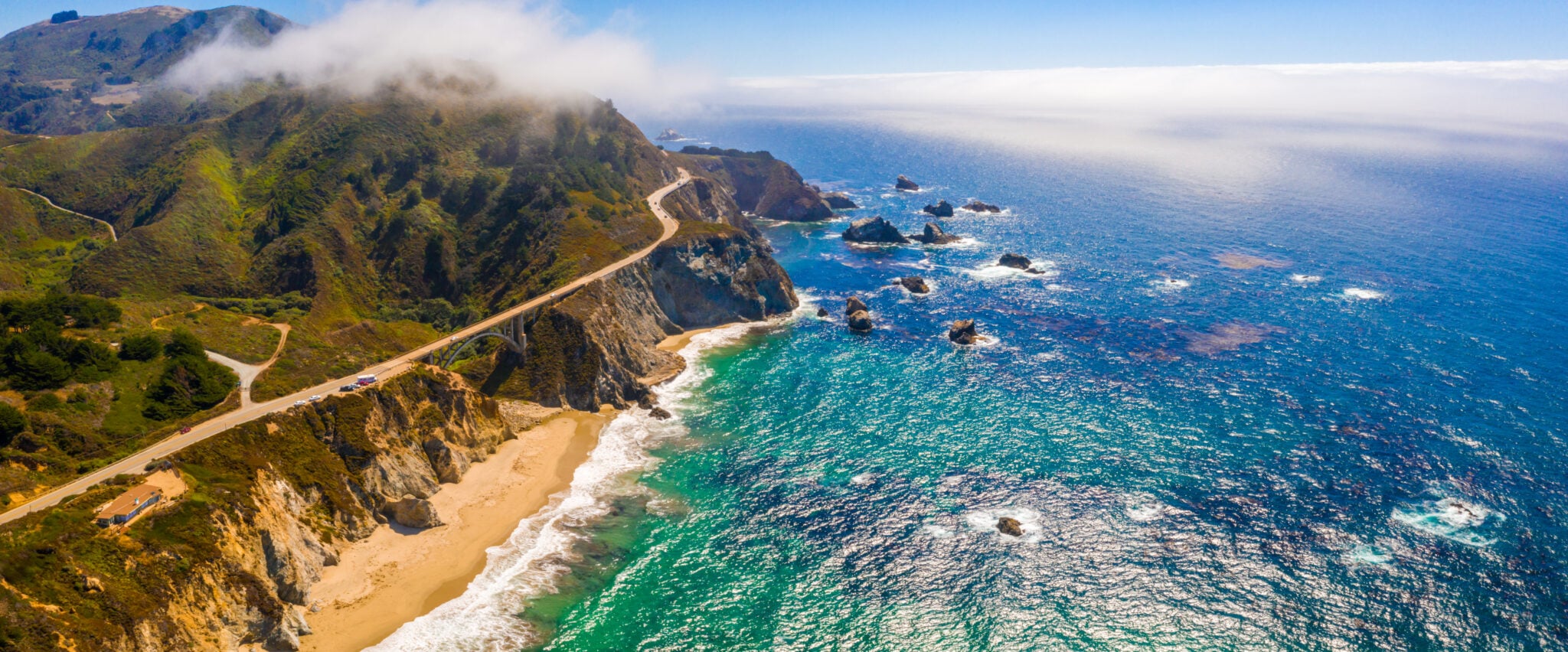
Big Sur delivers the dramatic coastal scenery that defines California’s global image, but experiencing it firsthand revealed why photographs never capture its full impact. The meeting of redwood forests and Pacific Ocean creates landscapes that seem almost impossibly beautiful, where morning fog transforms familiar vistas into ethereal dreamscapes.
Driving Highway 1 through Big Sur ranks among the world’s most spectacular scenic routes, comparable to Norway’s Atlantic Road or Scotland’s North Coast 500. The Ventana Big Sur resort provides luxury accommodations that enhance rather than detract from the natural setting, while McWay Falls offers one of America’s most photogenic waterfalls cascading directly onto the beach.
Beyond scenic beauty, Big Sur embodies a uniquely Californian approach to life that balances environmental consciousness with sophisticated amenities. Local restaurants like Nepenthe showcase farm-to-table cuisine with million-dollar views, while the Esalen Institute continues its legacy of wellness and personal growth. This combination of natural splendor and cultural innovation represents California at its most inspiring.
Charleston, South Carolina

Charleston proves that American cities can rival Europe’s most charming destinations for architectural beauty, culinary excellence, and cultural sophistication. The city’s antebellum mansions and cobblestone streets provide visual appeal that matches Savannah or New Orleans, while its restaurant scene has achieved international recognition for innovative Southern cuisine.
The city’s complicated history creates opportunities for meaningful cultural education alongside traditional tourism activities. Plantation tours that honestly address slavery’s legacy provide context often missing from sanitized historic presentations, while the International African American Museum offers world-class exhibitions that deepen understanding of American history.
Charleston’s modern culinary renaissance builds on traditional Lowcountry foundations while incorporating contemporary techniques and global influences. Restaurants like Husk and FIG have earned national acclaim while maintaining distinctly Southern identities. The city’s craft cocktail scene and boutique hotels match anything found in major international destinations.
Glacier National Park, Montana
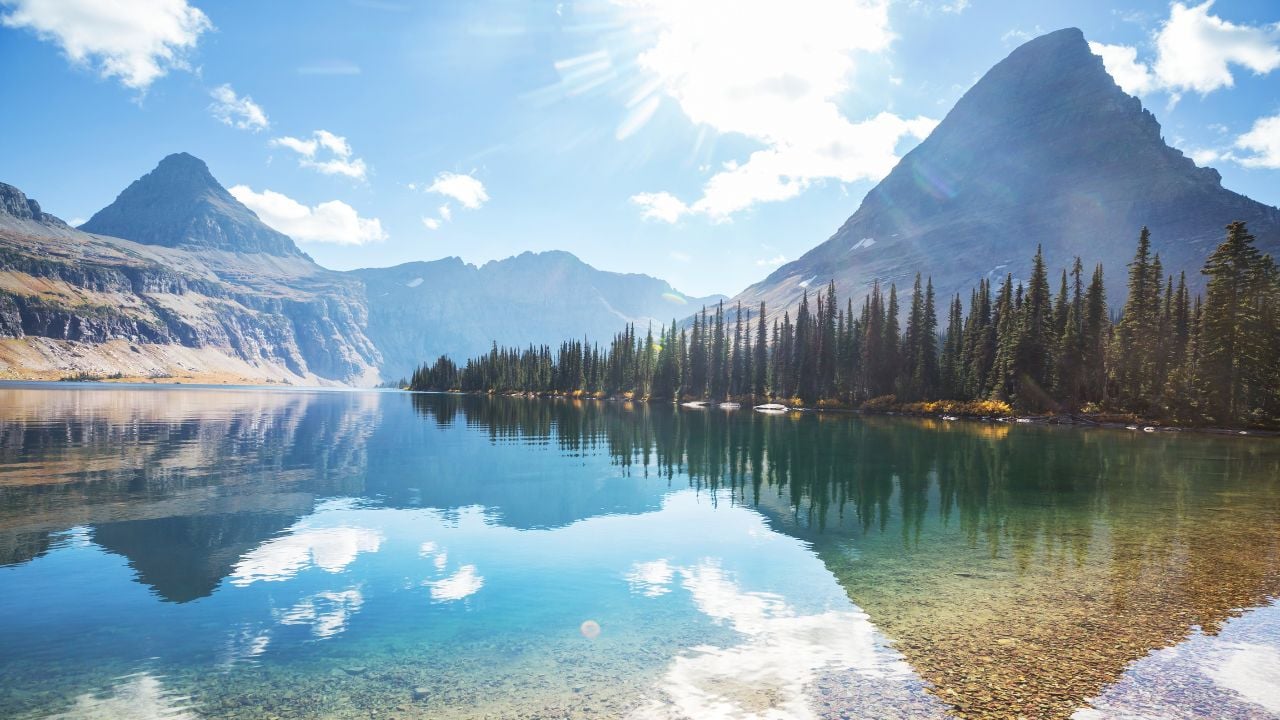
Glacier National Park delivers alpine scenery that rivals the Swiss or Austrian Alps, with the added appeal of genuine wilderness experiences increasingly rare in crowded European mountain destinations. The Going-to-the-Sun Road provides access to spectacular mountain vistas, while extensive hiking trails offer solitude and wildlife encounters impossible in more developed regions.
The park’s glacial lakes, particularly Lake McDonald and Bowman Lake, showcase water clarity and color that surpass famous alpine destinations worldwide. Wildlife viewing opportunities include mountain goats, bighorn sheep, black bears, and the chance to spot grizzly bears in their natural habitat, experiences that connect visitors to America’s frontier heritage.
What distinguishes Glacier from other mountain destinations is the genuine sense of wilderness preservation. The park’s commitment to maintaining ecological integrity rather than maximizing visitor convenience creates authentic experiences for those willing to invest effort in exploration. Lodge accommodations like the historic Many Glacier Hotel provide comfort while maintaining connection to the natural environment.
Asheville, North Carolina

Asheville combines Blue Ridge Mountain beauty with a vibrant arts and crafts culture that feels authentically American rather than manufactured for tourism. The city’s craft brewery concentration has achieved national recognition, while its music scene preserves and evolves traditional Appalachian sounds in venues throughout the downtown area.
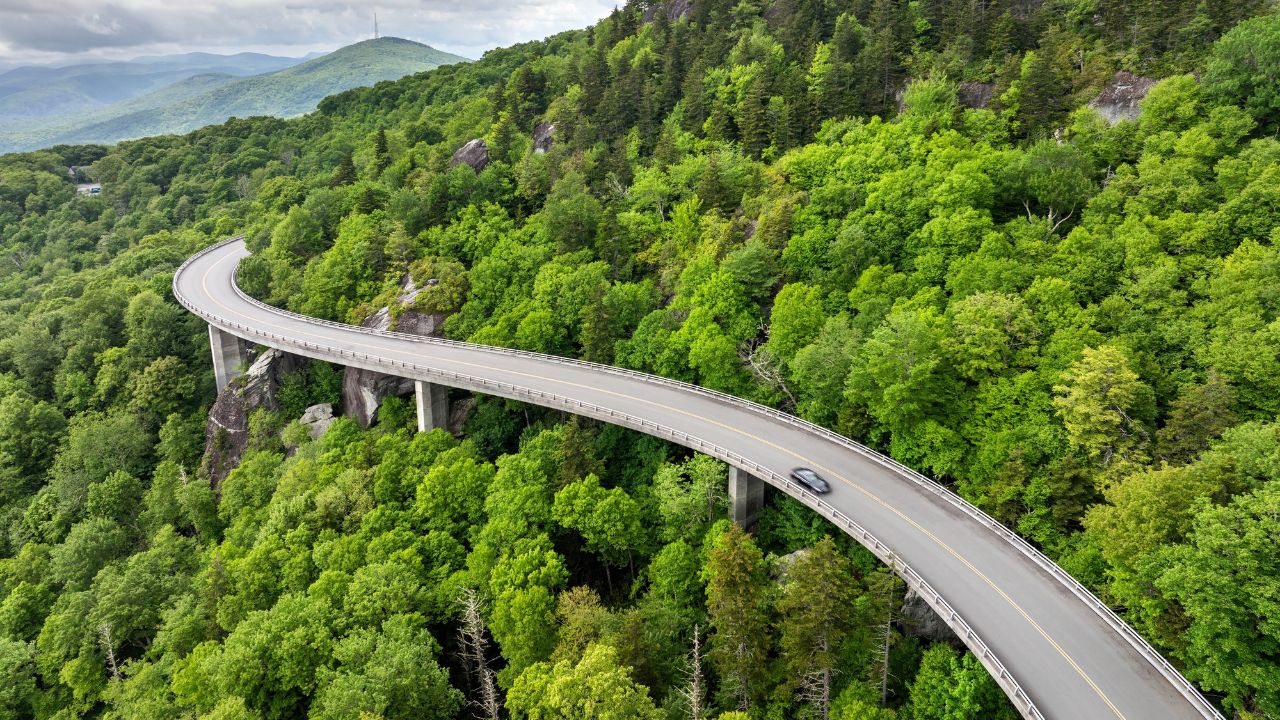
The surrounding Blue Ridge Parkway provides scenic drives that rival New England’s fall foliage displays while offering year-round appeal through mountain vistas and hiking opportunities. Asheville’s proximity to both Great Smoky Mountains National Park and outdoor recreation areas creates an ideal base for combining urban amenities with wilderness experiences.
The city’s food scene showcases regional ingredients and traditional Appalachian cooking techniques updated for contemporary tastes. Local farmers markets and artisanal food producers create a farm-to-table movement grounded in authentic regional traditions rather than trendy concepts. This combination of cultural authenticity and culinary innovation makes Asheville a distinctly American destination.
Sedona, Arizona
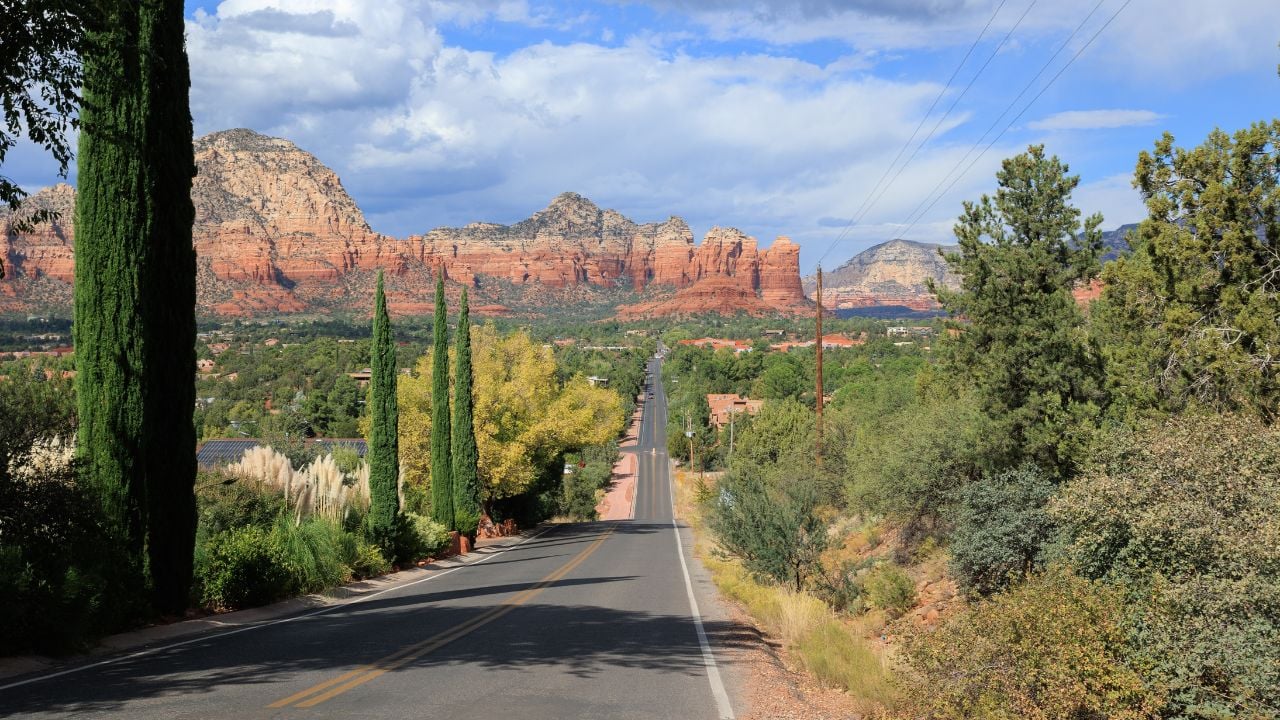
Sedona’s red rock formations create landscapes as visually striking as Utah’s national parks but with luxury amenities that make the natural beauty more accessible to diverse travelers. The contrast between dramatic desert scenery and upscale resorts provides experiences that balance adventure with comfort.
The area’s Native American heritage adds cultural depth to outdoor recreation, with guided tours that provide authentic perspectives on desert ecology and indigenous history. Sedona’s wellness tourism industry has evolved beyond New Age stereotypes to offer genuine opportunities for relaxation and personal reflection amid inspiring natural settings.
What makes Sedona special is how successfully it has developed tourism infrastructure without compromising the natural beauty that attracts visitors. Hiking trails accommodate various fitness levels while providing access to spectacular vistas, while local restaurants and art galleries create cultural experiences that complement rather than compete with the landscape.
Door County, Wisconsin

Door County proves that American destinations don’t need dramatic mountains or exotic beaches to provide memorable experiences. This peninsula jutting into Lake Michigan offers coastal charm reminiscent of New England but with Midwestern friendliness and accessibility that makes it particularly welcoming to families and couples seeking relaxed getaways.
The area’s cherry orchards, lighthouse tours, and scenic drives provide quintessentially American experiences often overlooked by travelers seeking more dramatic destinations. Local fish boils and supper clubs preserve regional traditions while lighthouse bed-and-breakfasts offer unique accommodations that connect guests to maritime heritage.
Door County’s appeal lies in its unpretentious celebration of simple pleasures: sunset drives along coastal roads, artisan shopping in small towns, and local restaurants that prioritize quality over trendiness. This combination creates experiences that feel both nostalgic and refreshing in an era of over-commercialized tourism.
Mackinac Island, Michigan
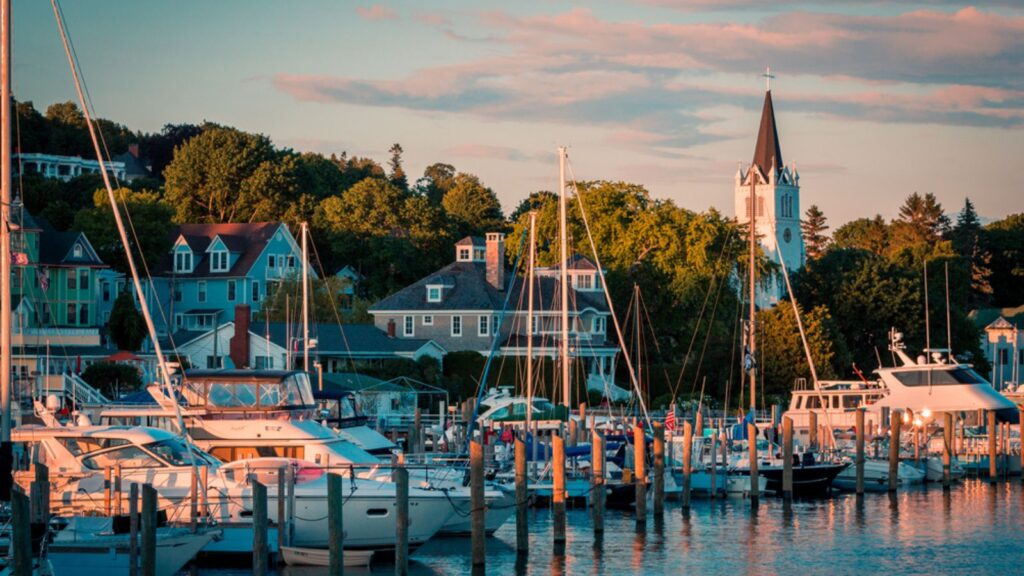
Mackinac Island preserves a vision of 19th-century America that feels authentic rather than artificial, where horse-drawn carriages and Victorian architecture create atmospheric experiences without theme park commercialism. The island’s car-free environment provides tranquility increasingly rare in modern American destinations.
The Grand Hotel maintains standards of elegance and service that rival luxury properties worldwide, while local fudge shops and historic sites offer family-friendly activities that appeal across generations. Mackinac’s location in the Great Lakes provides scenic beauty that surprises visitors expecting more typical Midwestern landscapes.
What distinguishes Mackinac Island is its success in preserving historical character while providing modern amenities and comfort. The island demonstrates how American destinations can honor their heritage while remaining relevant to contemporary travelers seeking experiences that combine education, relaxation, and cultural enrichment.
Napa Valley, California

Napa Valley has evolved beyond simple wine tourism to become a comprehensive luxury destination that rivals Tuscany or Bordeaux for culinary excellence and scenic beauty. The valley’s commitment to sustainable agriculture and environmental protection creates landscapes that feel both productive and pristine.
Local restaurants have achieved international recognition while maintaining connections to regional ingredients and wine pairings. The area’s boutique hotels and spas provide sophisticated accommodations that enhance rather than overshadow the natural beauty and agricultural heritage that define the region.
Napa’s success lies in elevating American wine culture to global standards while preserving the entrepreneurial spirit and innovation that characterizes California. The valley demonstrates how American destinations can compete with established international wine regions while developing distinctly American approaches to hospitality and agriculture.
Rediscovering American Excellence
These destinations reminded me that America offers experiences as profound and beautiful as anywhere in the world. Each location provides unique combinations of natural beauty, cultural authenticity, and hospitality that create lasting memories without requiring international travel. The diversity of landscapes, cultures, and experiences available within our borders rivals any continent on Earth.
More importantly, these places demonstrate America’s capacity for preservation, innovation, and authentic hospitality that creates connections between visitors and local communities. They prove that the best travel experiences often come from exploring our own country with the same curiosity and openness we bring to international destinations.