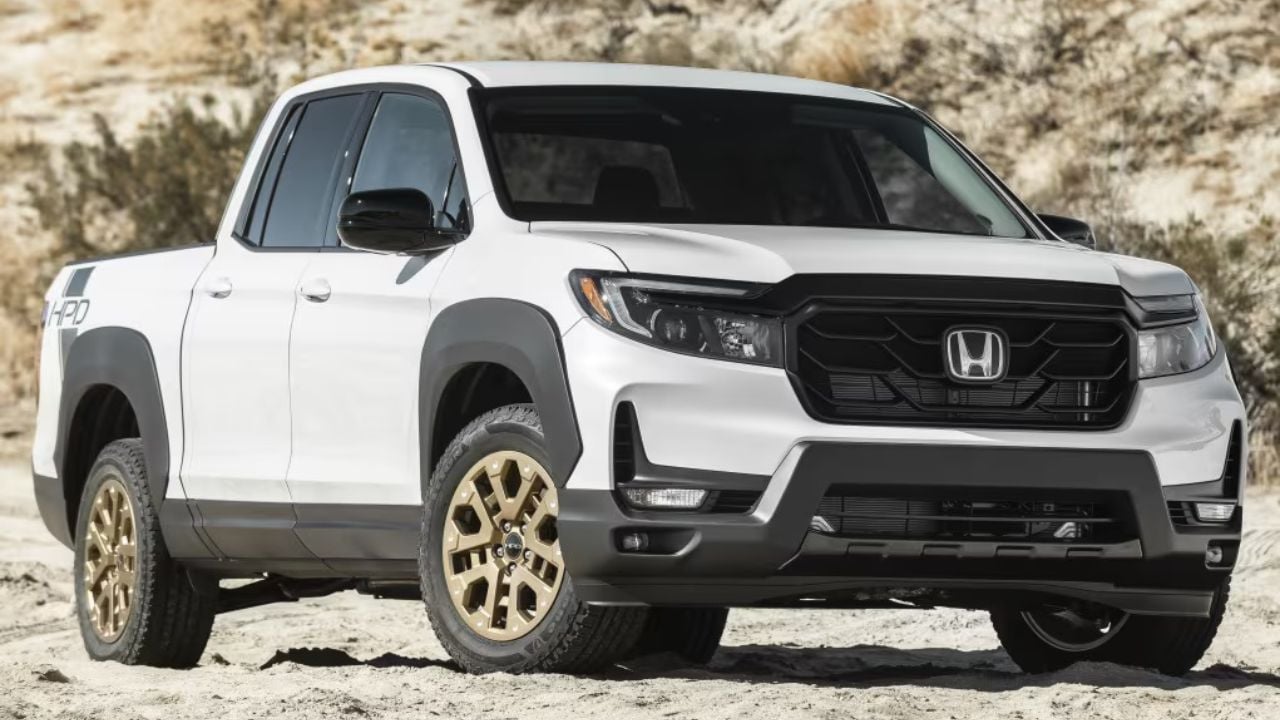
Honda is recalling more than 880,000 vehicles in the United States due to a rear subframe corrosion issue that could eventually lead to suspension failure and increase the risk of a crash.
The recall affects several popular Honda and Acura models sold primarily in cold-weather states where road salt is commonly used during winter. According to documents filed with the National Highway Traffic Safety Administration, the problem centers on rear subframes that may rust significantly faster than expected because of improper coating during manufacturing.
Over time, the corrosion can weaken critical suspension mounting points. In severe cases, the metal could crack or fracture entirely, potentially affecting vehicle stability and handling.
The issue impacts both SUVs and pickup trucks across multiple model years, making it one of Honda’s larger recent recall campaigns tied to structural corrosion.
Several Honda And Acura Models Are Included
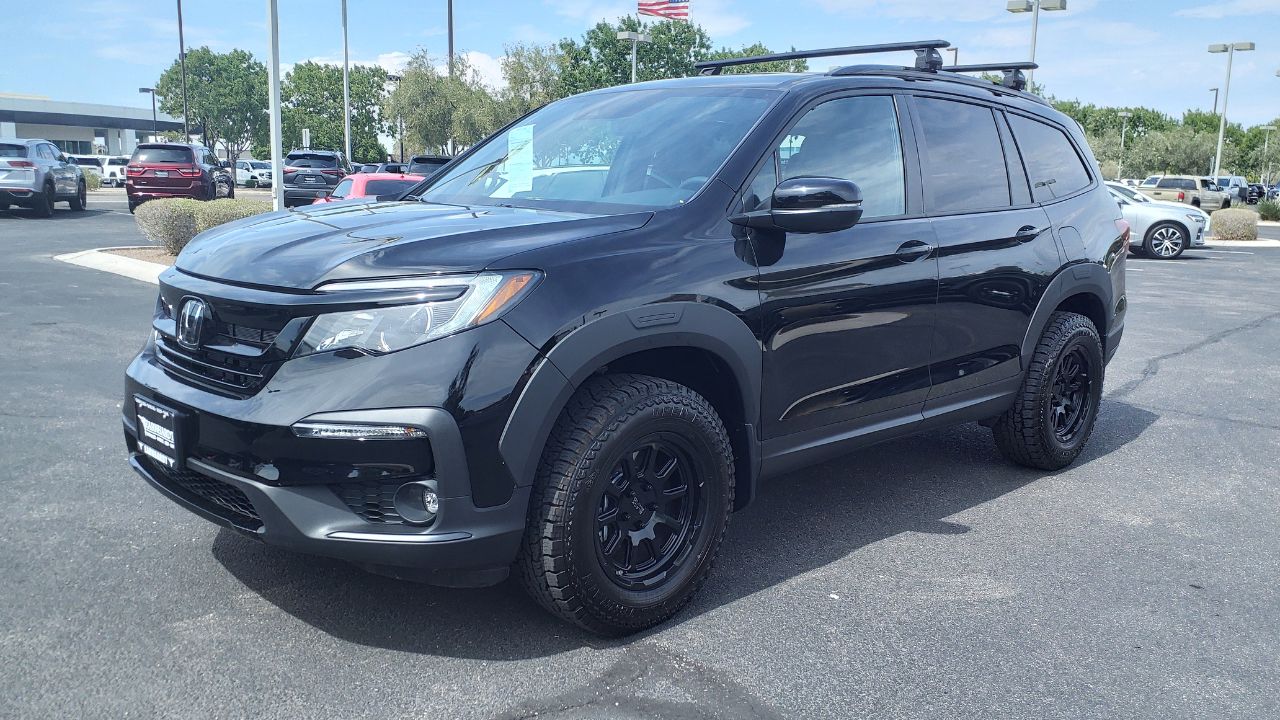
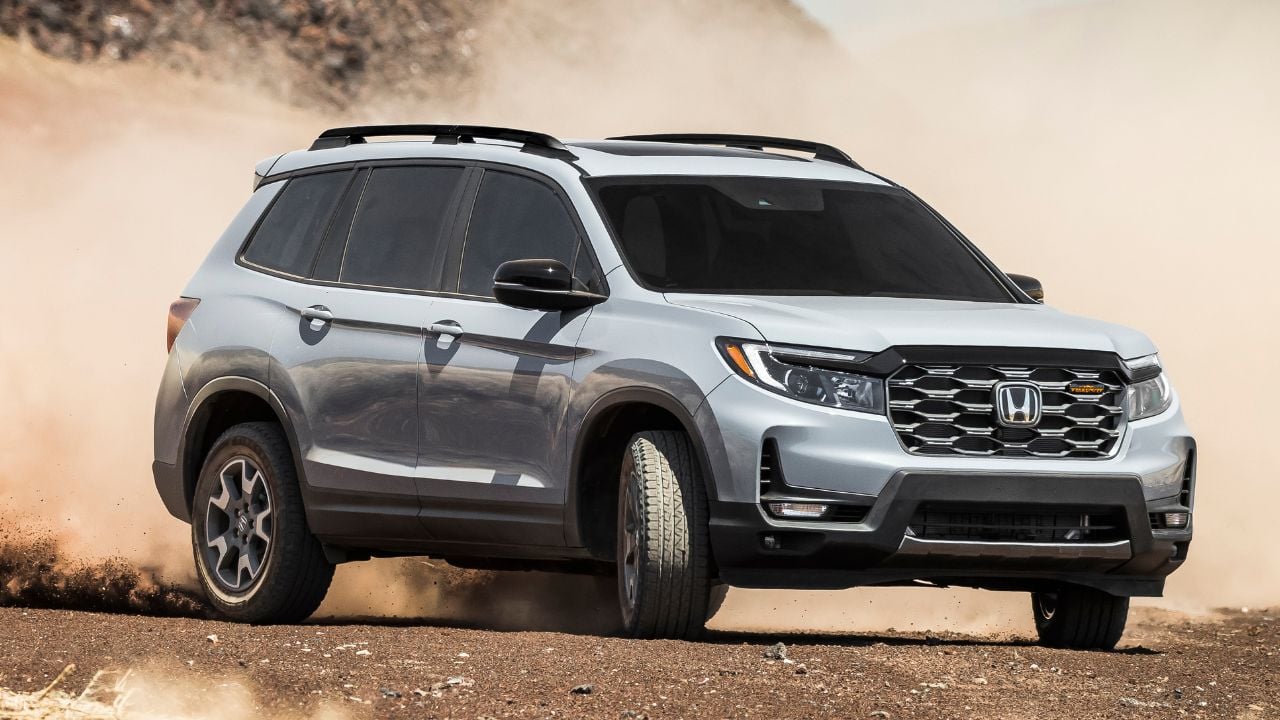
The recall covers a total of 880,514 vehicles across four different models. Affected vehicles include the 2014-2020 Acura MDX, 2016-2022 Honda Pilot, 2017-2023 Honda Ridgeline, and 2019-2023 Honda Passport.
According to Honda’s filing, the largest portion of the recall involves the Pilot, which accounts for more than 464,000 vehicles. The Acura MDX represents over 217,000 units, while the Ridgeline and Passport account for roughly 110,000 and 89,000 vehicles, respectively.
The automaker says the issue originates from insufficient paint adhesion around the rear suspension arm bracket weld area during the manufacturing process. That defective coating allows moisture and salt to attack the metal underneath more aggressively than intended. As corrosion spreads, the rear subframe can thin around key structural mounting points tied to the suspension system.
Only Certain States Are Included In The Recall
Interestingly, Honda is limiting the recall to vehicles originally sold or currently registered in states where winter road salt exposure is common.
The affected regions include Connecticut, Delaware, Illinois, Indiana, Iowa, Kentucky, Maine, Maryland, Massachusetts, Michigan, Minnesota, Missouri, New Hampshire, New Jersey, New York, Ohio, Pennsylvania, Rhode Island, Vermont, Virginia, West Virginia, Wisconsin, and Washington D.C.
These areas experience heavy seasonal snow and widespread road salt usage, conditions that dramatically accelerate underbody corrosion on vehicles over time.
Rust-related recalls tied specifically to northern states are not uncommon in the auto industry. Manufacturers often restrict campaigns geographically when environmental exposure plays a major role in the defect’s progression.
Honda Says Suspension Failure Is Possible
The recall documents warn that severe corrosion can eventually lead to rear suspension component failure. If mounting points fracture completely, drivers could experience a loss of vehicle control.
Honda has not publicly stated how many incidents or accidents may already be linked to the issue, but the company determined the defect posed enough risk to warrant a large-scale recall campaign.
Owners may not immediately notice symptoms during the early stages of corrosion. However, worsening rust underneath the vehicle could eventually create unusual noises, alignment problems, or instability from the rear suspension.
Because the problem develops gradually over time, inspection will play a critical role in determining how severe the damage has become on each individual vehicle.
Dealers Will Inspect And Reinforce The Rear Subframe
Honda says dealerships will inspect affected vehicles and install a rear subframe reinforcement kit where necessary. Dealers may also repair or replace damaged rear subframe components at no cost to owners if corrosion has already progressed beyond acceptable limits.
Owner notification letters are expected to begin mailing on July 7. Honda says owners can already begin checking their VIN numbers through the NHTSA recall database to determine whether their vehicle is included.
The recall highlights how corrosion remains a major challenge for automakers operating in harsh winter climates, even as modern manufacturing and rustproofing techniques continue improving.
For Honda owners in northern states, especially those driving older Pilots, Ridgelines, Passports, or MDXs, inspecting the underside of the vehicle sooner rather than later may be a wise move.