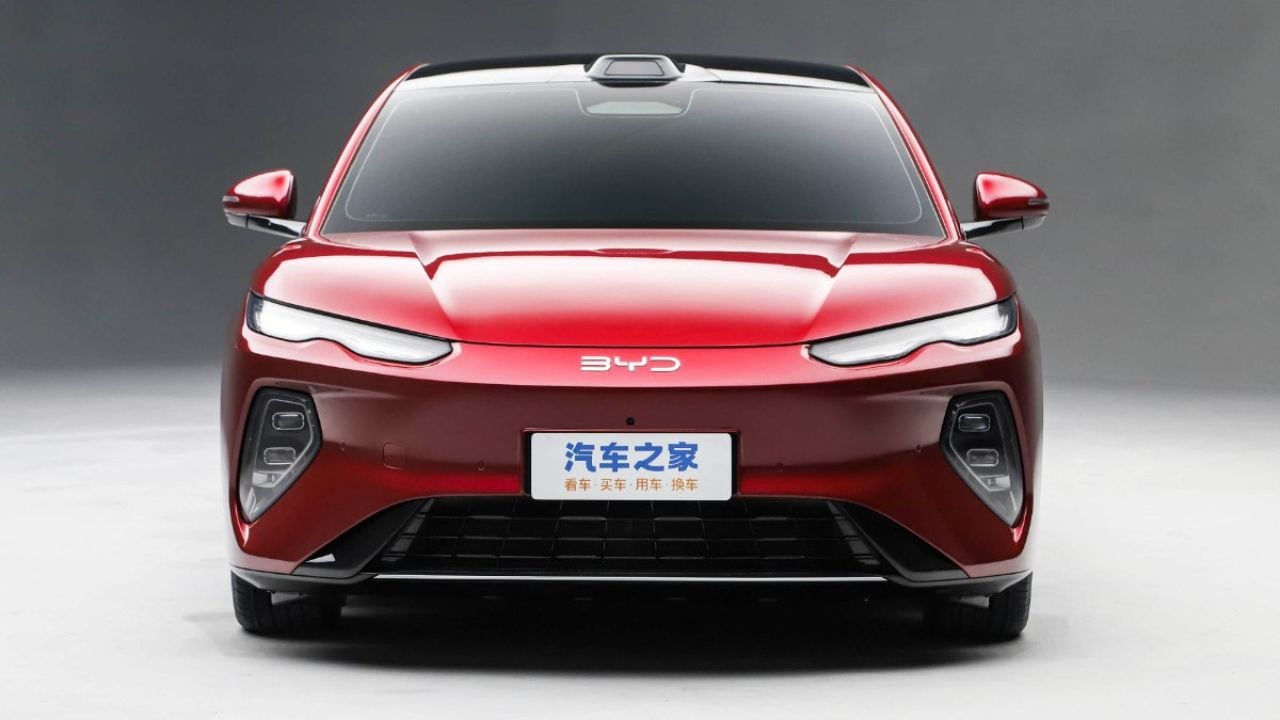
BYD chairman Wang Chuanfu says the Chinese automaker plans to become the world’s largest car manufacturer within the next five years, even as the company faces mounting pressure from slowing domestic sales and a sharp decline in its stock price.
Speaking during BYD’s annual shareholder meeting in Shenzhen, Wang attempted to reassure investors after the company’s shares lost significant value over the past year. According to Reuters, BYD’s Hong Kong-listed stock has fallen more than 45 percent from its peak, while its Shenzhen shares are down roughly 33 percent.
Despite those setbacks, Wang remains bullish about BYD’s long-term growth potential. He pointed to the company’s export momentum, battery technology, and fast-charging developments as key reasons he believes BYD can eventually surpass rivals like Toyota.
The ambitious target would require an enormous leap in global sales volume. BYD sold around 4.6 million vehicles in 2025, ranking sixth worldwide, while Toyota delivered more than twice that amount during the same period.
BYD’s Global Expansion Continues To Accelerate
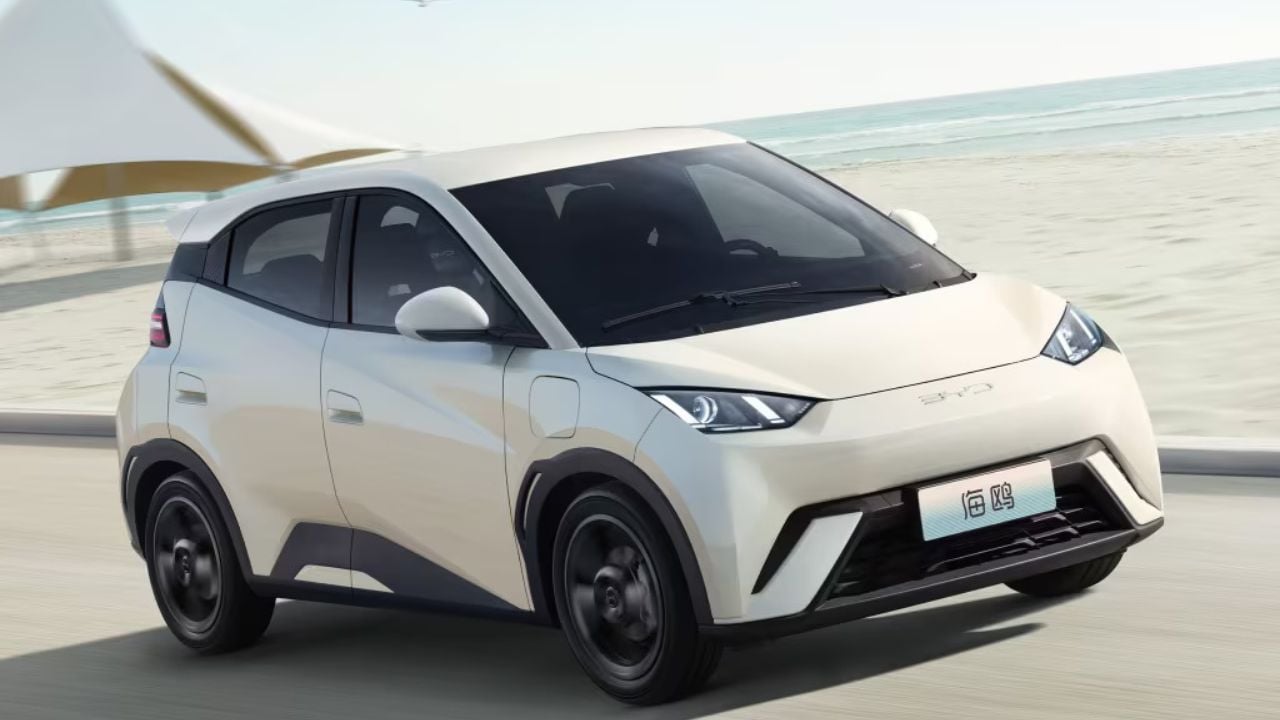
Although BYD’s domestic performance has weakened recently, its international business continues growing rapidly.
Reuters reports the automaker’s exports jumped 65 percent between January and May compared to the same period last year. Brazil, Britain, and Australia have emerged as some of the company’s strongest overseas markets, helped partly by lower trade barriers than those facing Chinese EVs in North America and parts of Europe.
That overseas growth has become increasingly important as competition inside China intensifies. A brutal EV price war among domestic automakers has squeezed margins and made sustaining growth far more difficult, even for major players like BYD.
Chinese manufacturers including Geely, Chery, Nio, XPeng, and Li Auto are all aggressively competing for market share, while Tesla also remains deeply entrenched in the country.
For BYD, international expansion is no longer simply an opportunity. It is becoming essential for maintaining momentum.
Battery Production Is Emerging As A Key Bottleneck
During the shareholder meeting, Wang reportedly identified production of BYD’s second-generation Blade Battery as one of the company’s biggest current challenges.
Battery supply has become increasingly critical as automakers race to scale EV production globally. BYD’s vertically integrated structure has long been considered one of its major advantages, particularly because the company manufactures many of its own batteries and key components in-house.
The Blade Battery helped BYD establish a strong reputation for safety and packaging efficiency in the EV market. Expanding output of the updated second-generation system now appears central to the company’s future growth plans.
Wang also emphasized BYD’s rapid progress in charging technology, an area where Chinese automakers are currently pushing some of the industry’s fastest charging speeds and shortest recharge times.
Domestic Pressure Is Starting To Show
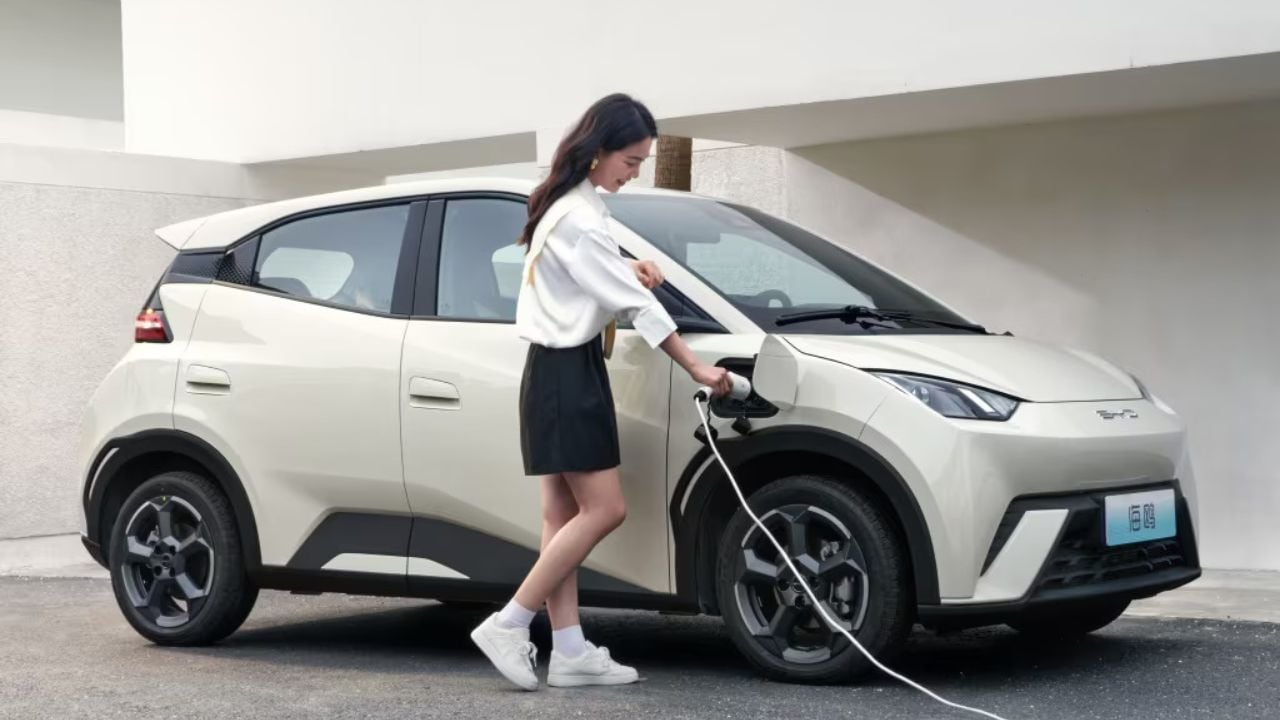
While exports continue climbing, BYD’s overall deliveries reportedly fell more than 20 percent during the first five months of the year.
That slowdown shows the pressures in China’s automotive market, where aggressive discounting and overcapacity are beginning to weigh heavily on even the strongest brands. Investors have grown increasingly cautious about whether Chinese EV makers can maintain profitability while continuing to slash prices.
The sharp decline in BYD’s stock price over the past year suggests shareholders are becoming more concerned about slowing growth and thinner margins, despite the company’s continued dominance in electric vehicle sales.
Still, BYD remains one of the most influential automakers in the global EV transition. The company has expanded far beyond its original image as a low-cost Chinese manufacturer and now competes directly with established global brands across multiple segments.
Surpassing Toyota Would Be A Monumental Task
Becoming the world’s biggest automaker would require BYD to overtake Toyota, which still dominates global sales despite increasing competition from Chinese brands.
Toyota’s strength has historically come from its massive global manufacturing footprint, strong hybrid lineup, and exceptional reliability reputation. However, Chinese automakers have steadily gained ground in several important overseas regions, including Southeast Asia and the Middle East.
BYD’s rise has been particularly rapid because of its aggressive pricing strategy, vertical integration, and ability to quickly scale EV production. Unlike many traditional automakers still balancing combustion and electric programs, BYD has gone all-in on electrification.
Whether the company can realistically double its sales volume within five years remains uncertain. What is clear, however, is that BYD no longer views itself as simply China’s biggest EV company. It now sees itself as a future global automotive leader.