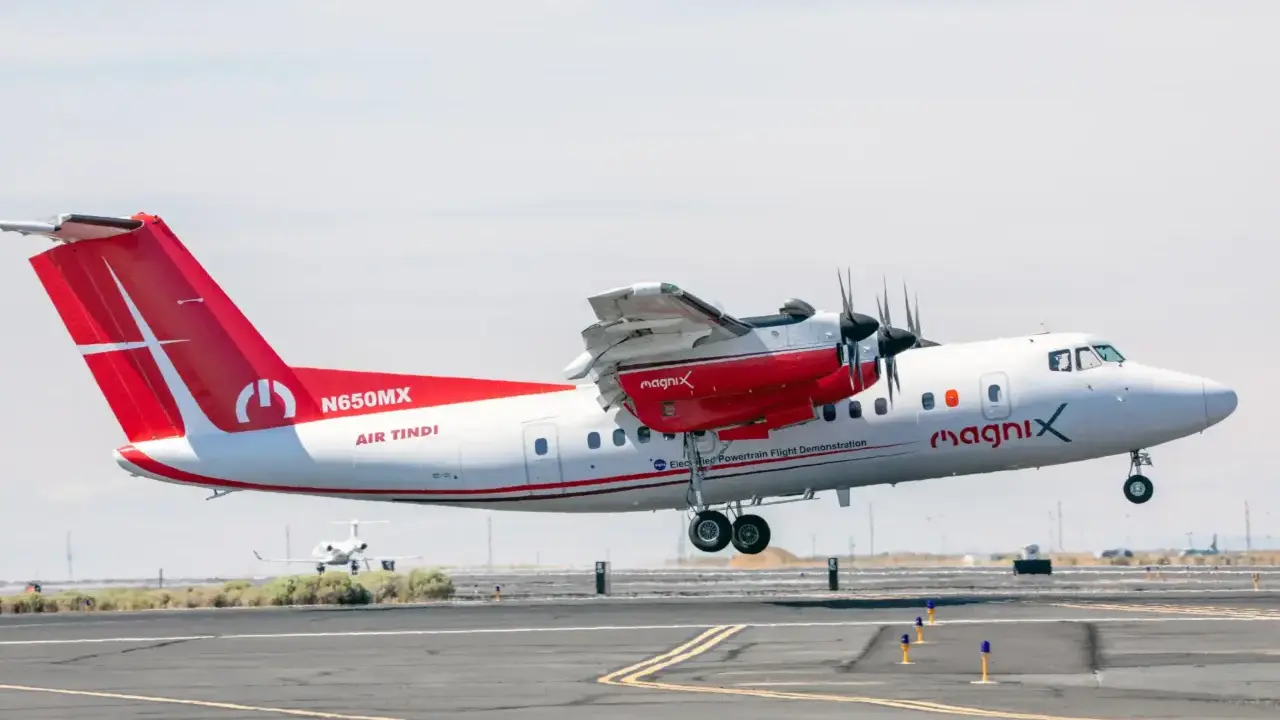
Hybrid technology transformed the automotive world over the past two decades, and now the aviation industry is preparing for a similar shift. Several major aerospace companies are actively developing hybrid-electric aircraft systems that could significantly reduce fuel burn, emissions, and noise during commercial flights.
The latest breakthrough came from GE Aerospace, which recently completed successful tests of a megawatt-class hybrid-electric aircraft engine. The project, developed alongside NASA under the Electrified Powertrain Flight Demonstration program, marks one of the clearest signs yet that hybrid aviation is moving from theory toward practical reality.
Unlike fully electric airplanes, hybrid aircraft combine conventional fuel-burning engines with electric motors and battery systems. That approach allows manufacturers to improve efficiency without relying entirely on current battery technology, which still remains too heavy for large commercial airliners.
The first generation of hybrid aircraft will likely focus on smaller regional planes, but the technology could eventually reshape commercial aviation far beyond short-haul routes.
NASA Wants Cleaner Commercial Aviation By 2035
NASA has spent years researching ways to reduce aviation’s environmental impact through its Sustainable Flight National Partnership initiative. According to the agency, aviation currently accounts for roughly 2-3 percent of global greenhouse gas emissions.
The agency’s long-term goal is to help commercial aircraft achieve 25-30 percent better energy efficiency while also supporting sustainable aviation fuels and cleaner propulsion technologies.
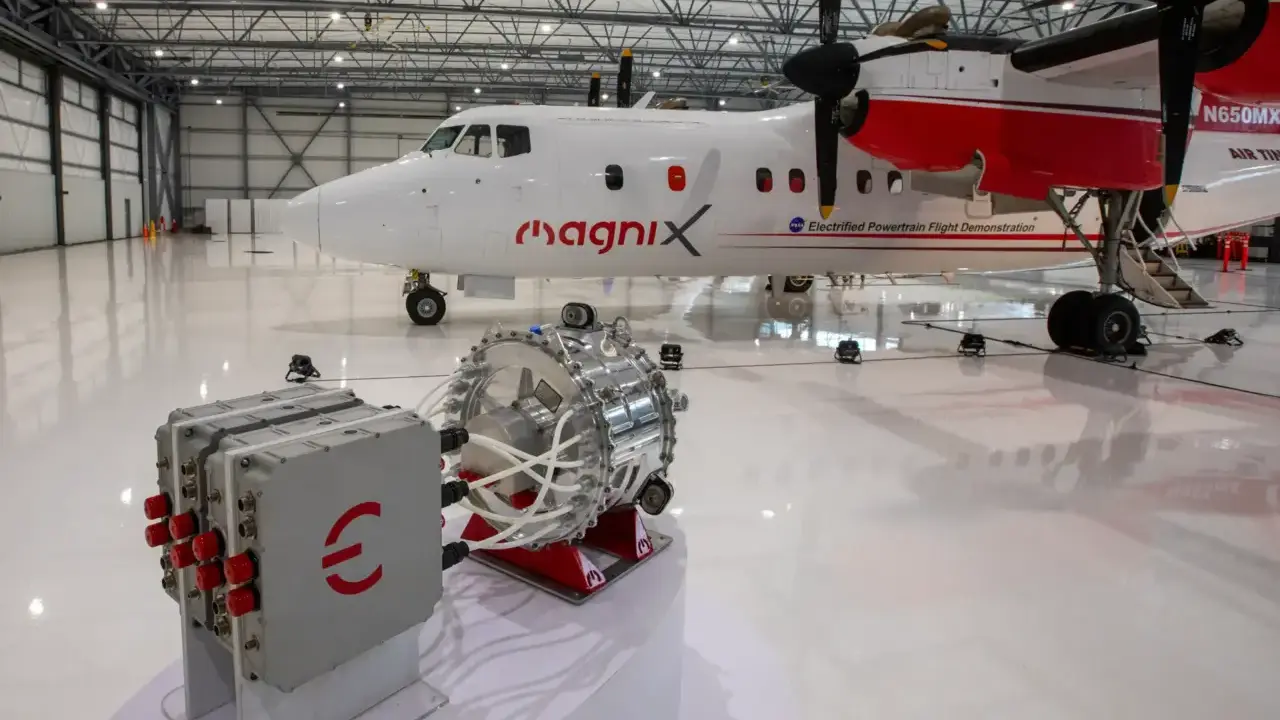
Hybrid-electric systems are becoming a major part of that strategy. NASA’s Electrified Powertrain Flight Demonstration project specifically focuses on bringing megawatt-class electric propulsion into real-world flight testing for regional aircraft.
GE Aerospace recently crossed a key milestone by successfully testing its hybrid-electric CT7 turboprop engine under simulated flight conditions. Engineers tested the system through phases like taxiing, takeoff, climb, and cruise, while also briefly operating the engine on electric power alone.
Hybrid Aircraft Could Save Airlines Massive Amounts Of Money
The environmental benefits of hybrid aviation are obvious, but economics may be an even bigger driving force behind the technology.
Fuel represents one of the largest operating expenses for airlines, often accounting for roughly a quarter of total costs. Rising fuel prices and geopolitical instability have only increased pressure on airlines to improve efficiency wherever possible.
Hybrid propulsion could dramatically lower fuel consumption during the most energy-intensive phases of flight, especially takeoff and climbing. Electric motors are also far more efficient than traditional combustion engines, converting over 90 percent of energy into usable mechanical power.
Another major advantage is noise reduction. Electric-powered takeoffs and landings could significantly reduce airport noise pollution, potentially allowing aircraft to use more direct flight paths over populated areas that currently face strict sound restrictions.
That could improve efficiency even further while making airports less disruptive for surrounding communities.
Existing Aircraft May Be Easier To Convert Than Expected
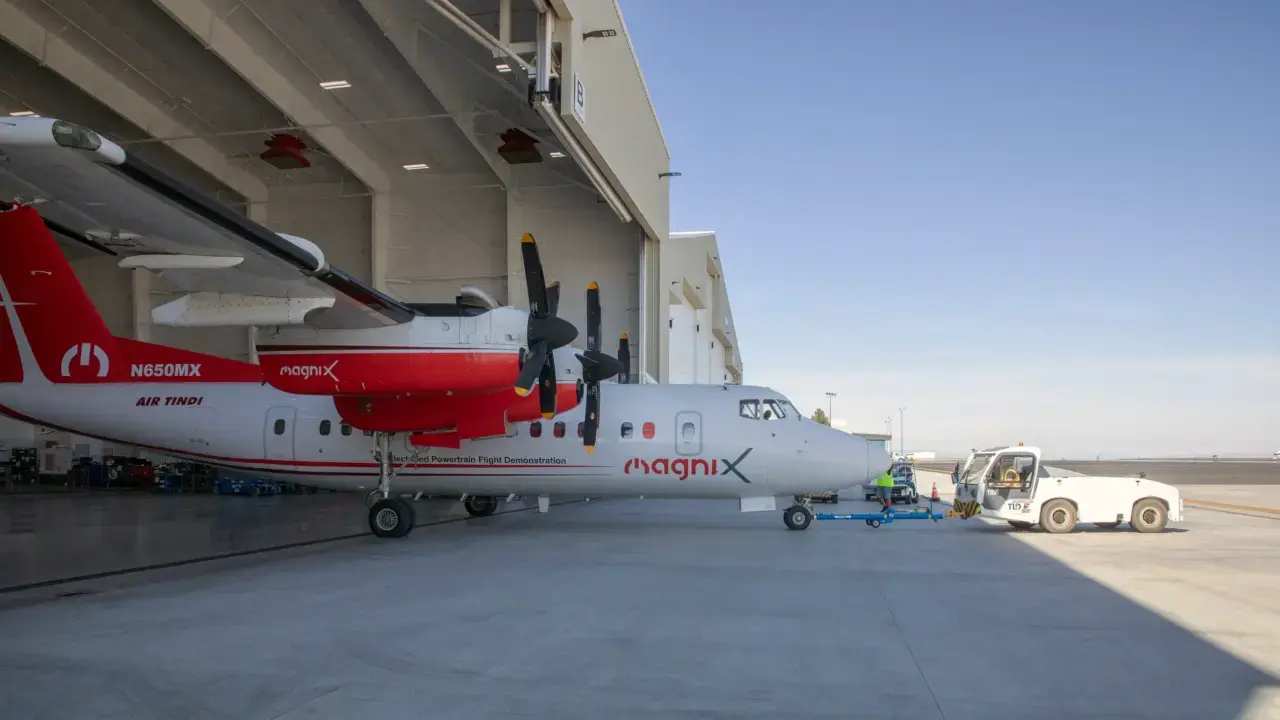
One reason hybrid aviation is gaining traction faster than fully electric flight is because many projects rely on modifying existing aircraft instead of designing entirely new airplanes from scratch.
NASA, GE Aerospace, RTX, and magniX are all working on retrofit-style programs using proven regional turboprop aircraft as development platforms.
One major project involves a modified De Havilland Dash 7, which will eventually fly with two traditional turboprop engines and two battery-powered electric motors. Another planned demonstrator uses a Saab 340B equipped with hybrid CT7 engines later this decade.
These testbeds allow engineers to evaluate hybrid systems using familiar airframes that already meet many existing safety and certification standards.
That shortcut could help accelerate hybrid adoption compared to fully electric aircraft, which require entirely new architectures and certification pathways.
Batteries Remain The Biggest Challenge
Despite the progress, hybrid aviation still faces serious hurdles before passengers begin boarding electrified regional flights.
Battery weight remains the largest obstacle. While batteries work well in cars, aircraft require dramatically higher energy density because every extra pound reduces passenger and cargo capacity.
Engineers are responding by developing lighter motors, advanced semiconductors, and modular battery systems that distribute weight more efficiently throughout the aircraft.
Safety is also a critical concern. Hybrid aircraft operate with extremely high-voltage electrical systems, introducing new challenges involving overheating, thermal runaway, and electrical arcing at altitude.
Companies like RTX-backed H55 are already testing aviation-specific battery systems with additional fireproof protection and emergency venting solutions designed specifically for aircraft use.
The Future Of Flying May Be A Blend Of Old And New
Fully electric commercial airliners capable of crossing oceans still remain a distant goal, but hybrid propulsion is quickly emerging as a far more realistic near-term solution.
NASA hopes electrified propulsion systems could begin entering commercial service around the mid-2030s, particularly for short-range regional aircraft carrying roughly 50 passengers or fewer.
If those efforts succeed, the result could fundamentally reshape regional air travel. Flights would become quieter, cleaner, and more fuel-efficient while allowing airlines to modernize fleets without waiting for revolutionary battery breakthroughs.
Commercial aviation has relied on the same basic propulsion principles for generations. Hybrid-electric aircraft may represent the industry’s biggest technological shift since the arrival of the jet age itself.