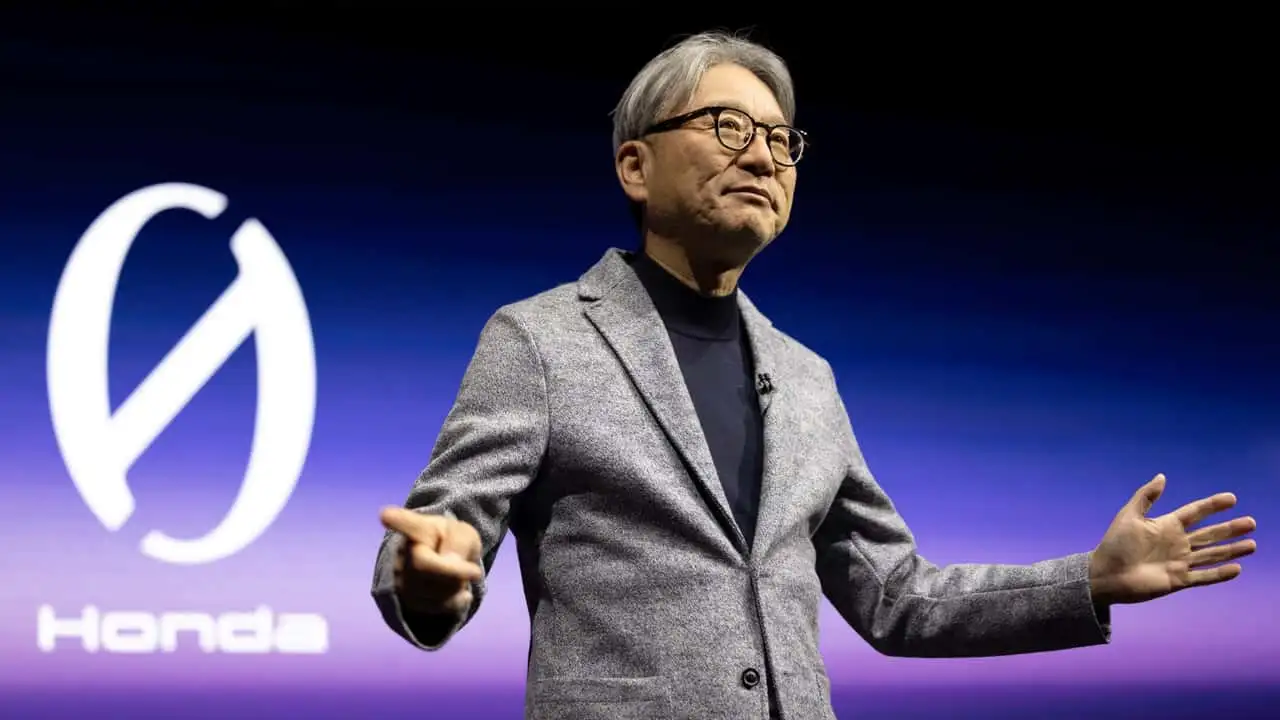
Honda’s worsening financial troubles and costly EV retreat reportedly triggered an internal revolt led by several retired executives who wanted CEO Toshihiro Mibe removed from his position.
According to a detailed Reuters report, former Honda leaders began privately meeting late last year to discuss what they viewed as major leadership failures under Mibe. Their frustration reportedly centered on Honda’s collapsing position in China, its expensive electric vehicle strategy, and what they saw as management becoming disconnected from the company’s traditional culture.
The conflict reportedly escalated in April when former Honda CEO Nobuhiko Kawamoto personally met with Mibe at the automaker’s Tokyo headquarters and urged him to resign. Mibe refused and remains in charge for now, backed by Honda’s board.
The internal battle highlights just how serious Honda’s current situation has become as the company struggles to recover from one of the most difficult periods in its modern history.
Honda’s EV Retreat Has Become Extremely Expensive
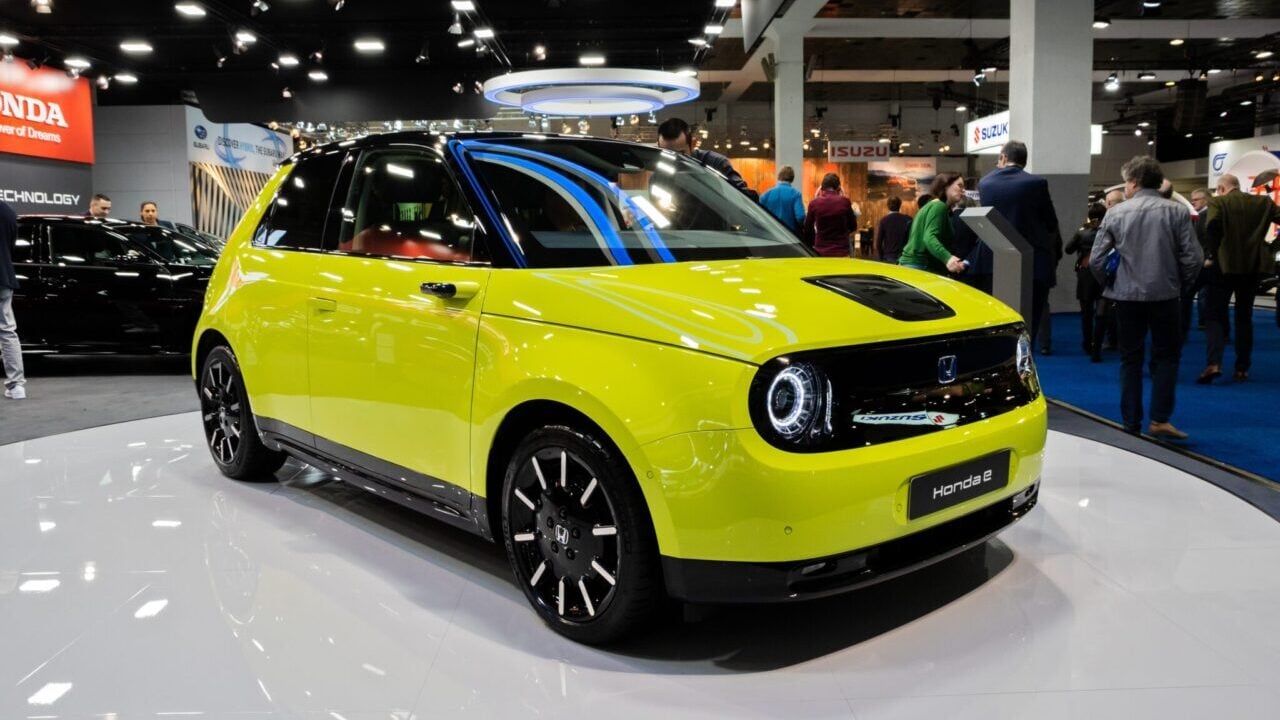
Honda recently abandoned key parts of its aggressive electrification strategy after demand for EVs slowed significantly across several major markets.
The company scrapped multiple electric vehicle programs and reportedly wrote down roughly ¥2.5 trillion, or about $15.7 billion, tied to canceled EV-related investments and development projects. Honda’s auto division also posted its first annual operating loss since 1957.
That dramatic reversal forced Honda to walk back earlier promises to become fully electric by 2040. The company is now pivoting more heavily toward hybrids while reassessing long-term EV spending.
Honda is far from alone in taking major losses tied to electric vehicle investments. Ford, General Motors, and Nissan have collectively written off tens of billions of dollars after scaling back EV production plans and canceling future programs. However, Honda’s problems appear deeper than simply misjudging EV demand.
Former Executives Blamed Leadership And China Neglect
Reuters reports that retired Honda executives accused Mibe of losing touch with the company’s “genba” philosophy, a deeply rooted Japanese business concept emphasizing direct engagement with factories, dealers, customers, and frontline operations.
According to the report, critics inside Honda believed management had become detached from real-world market conditions, especially in China.
That criticism carries significant weight because Honda’s position in China has deteriorated rapidly during Mibe’s tenure. The company’s market share reportedly fell from roughly 8 percent in 2020 to less than 3 percent last year as Chinese automakers aggressively expanded with cheaper, software-heavy EVs developed at much faster speeds.
Former executives also reportedly criticized Mibe for failing to spend enough time in China and for focusing too heavily on sponsorship activities rather than core business operations.
Honda denied knowledge of the reported discussions among former executives and defended its management strategy in statements provided to Reuters.
Honda’s Identity Crisis Is Growing
The bigger issue facing Honda is one confronting many traditional automakers: balancing legacy combustion-engine businesses while simultaneously investing billions into uncertain electric futures.
Chinese automakers have dramatically accelerated pressure on Japanese brands by producing affordable EVs packed with advanced software and technology features. Meanwhile, Japanese automakers remain heavily reliant on hybrids and combustion vehicles in markets where EV demand is still inconsistent.
Honda’s situation is especially complicated because motorcycles and power equipment remain highly profitable while the car division struggles financially. Reuters reports tensions have reportedly grown internally as employees in Honda’s motorcycle business feel they are effectively subsidizing automotive losses.
Mibe has attempted to reset parts of the company by reorganizing engineering operations and restoring more independence to Honda’s R&D teams. That move reversed earlier restructuring efforts that some insiders believed weakened the company’s engineering culture.
Still, concerns remain about whether Honda can recover quickly enough while competitors continue evolving.
Honda Is Now Pivoting Back Toward Hybrids
Despite the turmoil, Honda is not abandoning new product development entirely. The automaker plans to keep several existing models on sale longer than originally expected, including the Odyssey and HR-V. A redesigned Accord is also in development and could eventually become hybrid-only later this decade.
Honda is additionally preparing a new V6 hybrid system focused on stronger towing capability and improved fuel efficiency, reinforcing the company’s growing emphasis on hybrid technology rather than fully electric vehicles.
That strategy may ultimately prove more realistic in the current market, particularly as EV demand softens in several regions. Yet the scale of Honda’s financial losses and internal unrest shows how difficult the industry’s transition has become, even for one of Japan’s most respected engineering companies.
For now, Mibe remains in control. But the revolt from Honda’s old guard makes it clear that confidence inside the company has been badly shaken.