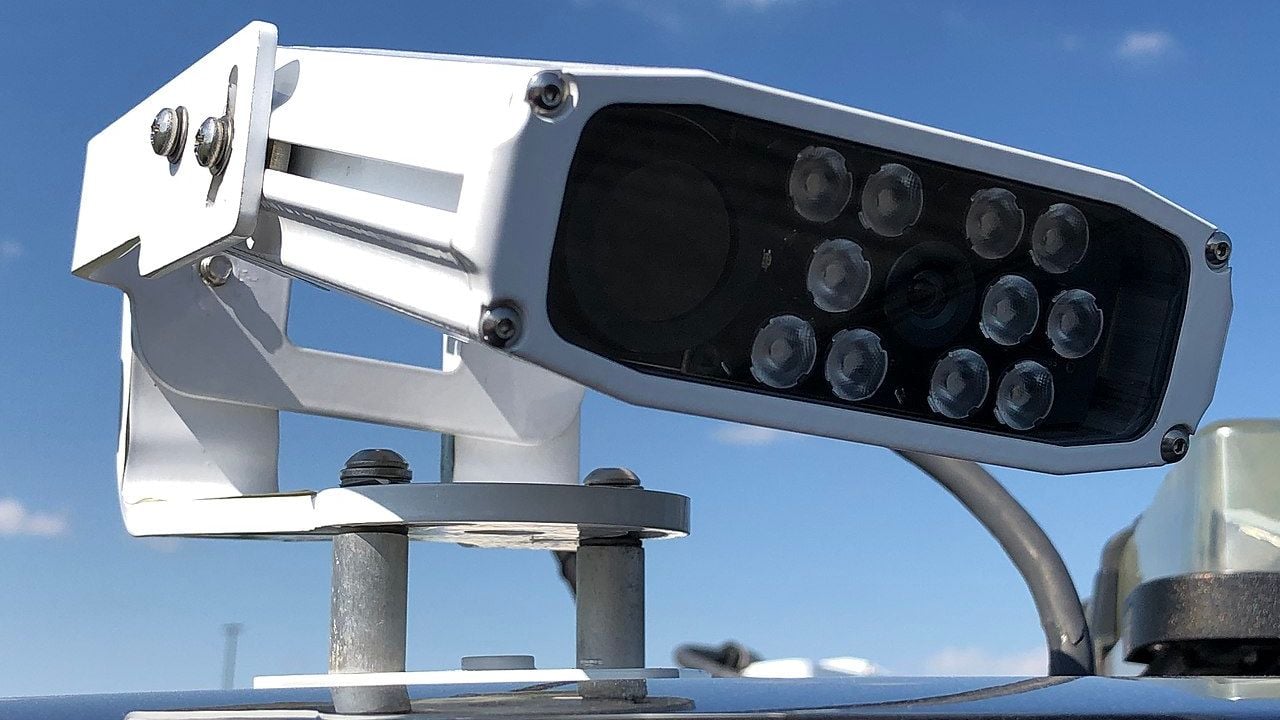
Automatic license plate readers have long been marketed as tools that help law enforcement recover stolen vehicles, locate suspects, and investigate crimes. Across the United States, thousands of cameras operated by public agencies and private contractors continuously scan passing vehicles, creating massive databases of location information.
Recent reports, however, have reignited concerns about how that data is collected, stored, and ultimately used. Privacy advocates and independent journalists argue that the technology has expanded far beyond its original purpose, creating powerful surveillance networks capable of tracking ordinary citizens with little public oversight.
Those concerns intensified following a series of investigations involving Flock Safety, one of the largest providers of automated license plate reader (ALPR) systems in the country. The company supplies camera networks to thousands of law enforcement agencies and private organizations, allowing participating users to search vehicle sightings across a broad national database.
The controversy arrives at a time when surveillance technology is becoming increasingly sophisticated. Emerging tools are reportedly being developed to identify and track electronic signals emitted by devices such as smartphones, wearables, and connected vehicle systems, potentially expanding monitoring capabilities beyond license plates alone.
Flock Safety Under the Microscope
Flock Safety has positioned itself as a technology company focused on improving public safety through connected camera networks. Its systems capture vehicle license plates, along with details such as vehicle color, make, model, and timestamps, then upload that information to searchable databases accessible by authorized users.
The company promotes transparency and emphasizes privacy protections, but critics point to several incidents that have raised questions about data security. Independent reporting previously revealed situations where search activity and related user information became accessible through unintended exposures, prompting discussions about accountability and oversight.
Privacy advocates argue that the scale of modern ALPR systems creates unique risks. Unlike traditional investigative tools that target specific suspects, these networks collect information on virtually every vehicle that passes within view of a camera, regardless of whether any criminal activity is suspected.
Reports Detail Officer Misconduct
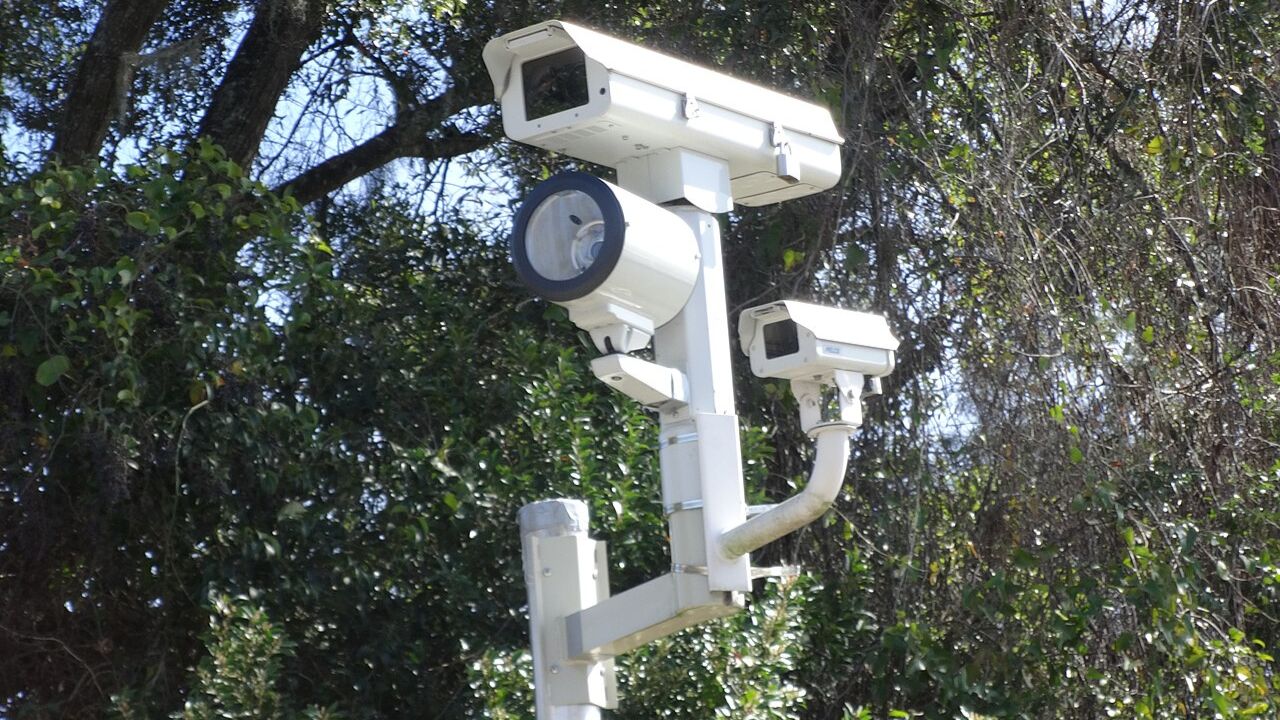
Several documented cases have fueled criticism of ALPR systems by highlighting how the technology can be misused by individual users.
One widely reported case involved a Florida law enforcement officer who allegedly used database searches to monitor an ex-partner and members of her family. Another investigation in Missouri centered on an officer accused of repeatedly running searches involving vehicles connected to his personal life rather than official police work.
According to public reporting, Flock Safety has acknowledged multiple instances in which users improperly accessed its systems. The company maintains that audit logs and monitoring tools helped identify the misconduct, allowing agencies to investigate and take disciplinary action where appropriate.
Supporters of the technology argue that such cases represent a small fraction of overall usage. Critics counter that the incidents demonstrate how powerful surveillance systems can be vulnerable to abuse even when safeguards exist.
Surveillance Concerns Extend Beyond Criminal Investigations
Civil liberties organizations have also raised concerns about the use of ALPR networks during public demonstrations and political gatherings.
Analysis conducted by privacy advocates found numerous examples of agencies conducting searches connected to protests and activist events during 2025. In several cases, officers reportedly entered terms such as “protest” or references to specific demonstrations when documenting the reason for database searches.
Organizations advocating for stronger privacy protections argue that the practice creates a chilling effect on constitutionally protected activities. Because ALPR cameras collect information on all vehicles in an area, databases can potentially reveal who attended a protest, rally, or political event even if no crime occurred.
Law enforcement agencies maintain that searches may be connected to public safety concerns, investigations of threats, or criminal incidents occurring near demonstrations. Privacy groups respond that broad collection of location data still raises significant constitutional and ethical questions.
The Next Phase of Vehicle Tracking
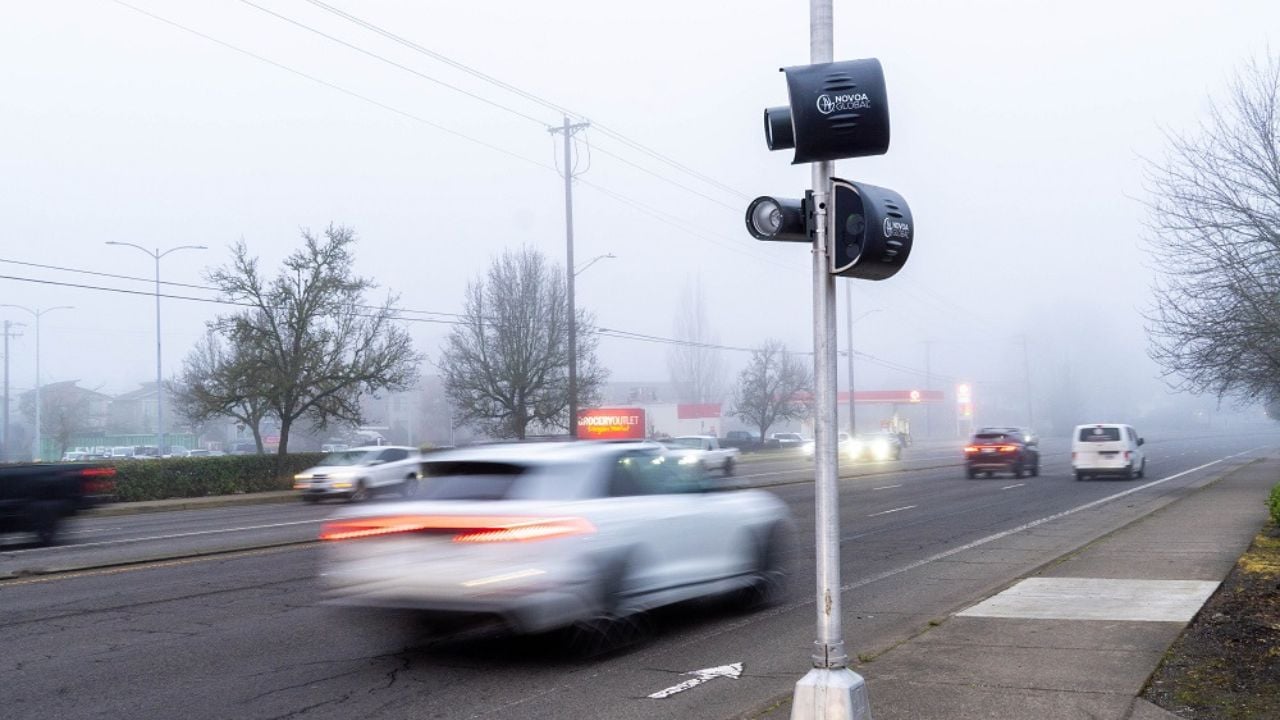
Debates surrounding ALPR technology may become even more intense as surveillance capabilities evolve.
Industry developments suggest that future systems could incorporate additional forms of identification beyond physical license plates. Connected vehicles continuously communicate through cellular networks, onboard telematics systems, Wi-Fi connections, and Bluetooth-enabled devices, creating digital signatures that could potentially be used for location tracking.
Privacy advocates warn that these technologies could dramatically expand the reach of existing surveillance networks. Instead of identifying only vehicles visible to cameras, future systems may be capable of detecting and correlating information from multiple connected devices carried by drivers and passengers.
Such capabilities remain controversial, particularly as regulators, lawmakers, and civil liberties groups continue debating where the boundaries of public surveillance should be drawn.
A Growing Debate Over Privacy and Public Safety
The ongoing discussion surrounding license plate readers reflects a challenge facing modern transportation and technology. Connected vehicles offer new conveniences and safety benefits, yet they also generate unprecedented amounts of data about where people travel and how they move through daily life.
Supporters view ALPR networks as valuable investigative tools that help solve crimes and improve public safety. Opponents argue that the same systems can enable large-scale monitoring of innocent individuals and create opportunities for abuse when oversight falls short.
As camera networks expand and connected vehicle technology becomes increasingly common, the balance between security, accountability, and personal privacy is likely to remain one of the most contentious issues facing the automotive and technology industries in the years ahead.