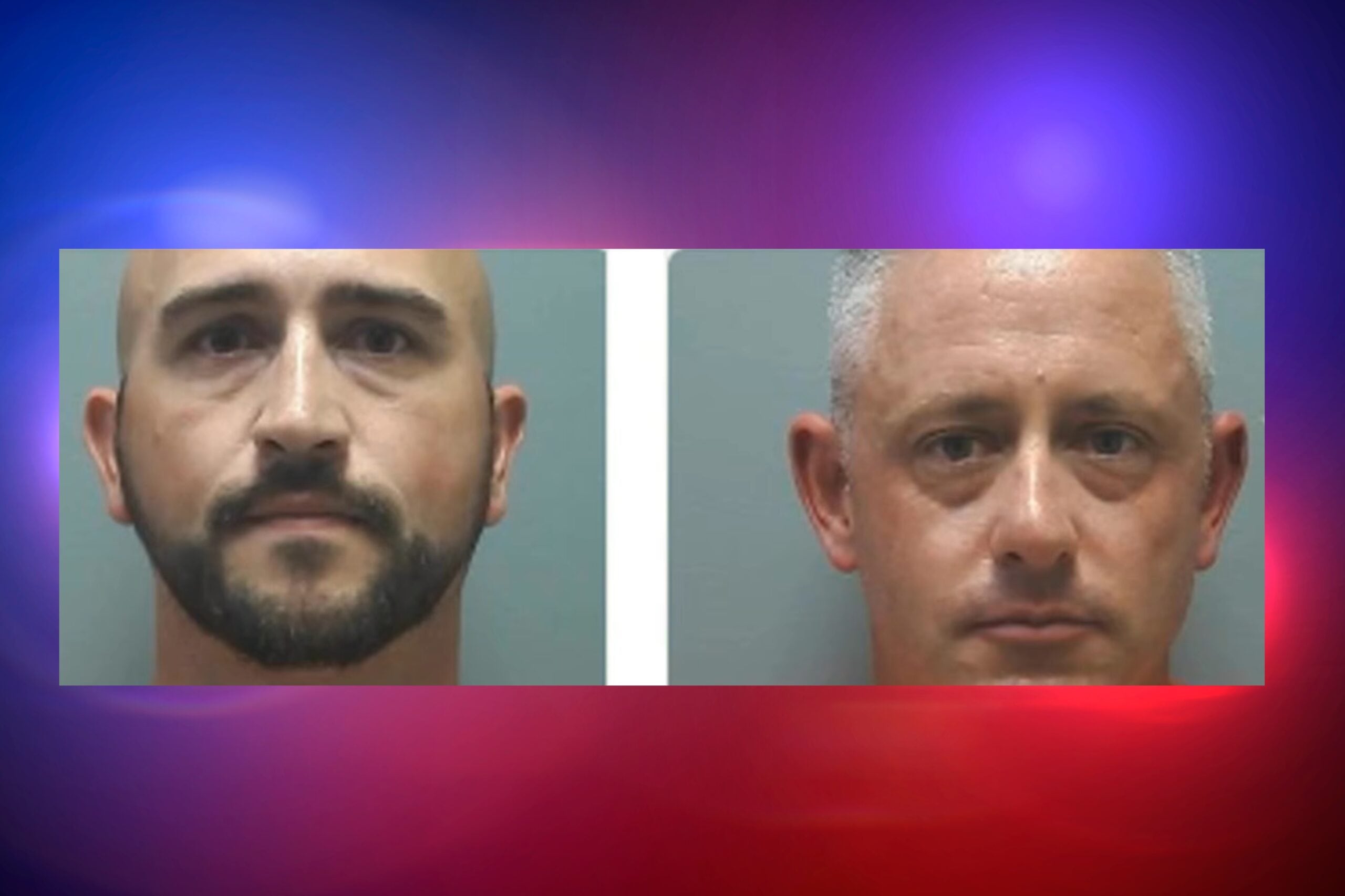
Three sheriff’s deputies in Cherokee County, Georgia have been arrested after investigators found they were using the county’s automated license plate reader system for reasons that had nothing to do with solving crimes. The technology, which is designed to help law enforcement track down vehicles connected to criminal activity, was apparently being put to personal use by authorized system users who should have known better.
The Cherokee County Sheriff’s Office did not wait for a tip from the public or a complaint from a citizen to uncover the misconduct. According to the agency, a series of self-initiated audits flagged what officials described as anomalies in how the system was being accessed. It is, at minimum, a credit to the department that it caught its own people.
The first arrest came on June 12th, when Deputy Cynthia Jodisy was fired and taken into custody on charges related to the unauthorized use of the plate reader system. She was followed shortly after by Lieutenant Chris Bryan of Acworth and Sergeant Mike Ceden of Carterville, both of whom were booked into the Cherokee County Detention Center. Two supervisors among three total arrests is not a great look for any agency.
The sheriff’s office released a statement emphasizing its commitment to transparency, professionalism, and ethical standards, while noting the investigation remains ongoing. Residents in the nearby town of Canton said they were surprised but appreciated the swift action taken by the department.
What License Plate Readers Actually Do
Automated license plate reader systems, commonly called ALPRs, capture and log the plates of passing vehicles and compare them against databases of vehicles of interest. They can help investigators locate stolen cars, track suspects, and piece together timelines in criminal cases. Law enforcement agencies across the country use them, and the technology is genuinely useful when applied for its intended purpose.
The flip side, of course, is that every scan is a data point tied to a specific vehicle at a specific location and time. That data exists somewhere, and it requires the kind of careful handling that not everyone in a position of trust takes seriously enough.
A Broader Pattern Worth Noting
Cherokee County is not the only Georgia community wrestling with these questions. Nearby Dunwoody approved a $200,000 contract renewal with camera vendor Flock Safety in April after a process that required two postponed votes. Residents raised concerns about where their data was stored and who could access it.
The city eventually moved forward, but the hesitation reflected a legitimate public anxiety that cases like the Cherokee County arrests do nothing to ease.
The Technology Is Not the Problem
It would be easy to read a story like this and conclude that license plate readers are inherently dangerous. That would be a wrong conclusion. One Canton resident, a man originally from France who has lived in the area for about four years, put it plainly: he supports the surveillance technology, provided it is used correctly. That is a reasonable position, and it is probably where most people land.
Said one comment on YouTube: “This has been happening for years and years. My dad was a cop back in the day, and it was commonplace. You’d probably have to arrest most of the police if you really checked into it. It’s too tempting when you have that resource at your fingertips, obviously.”
The problem in Cherokee County was not the cameras. It was the people operating them and the choices they made. The department’s auditing process caught the issue before it became something larger, which is exactly what internal oversight is supposed to do.