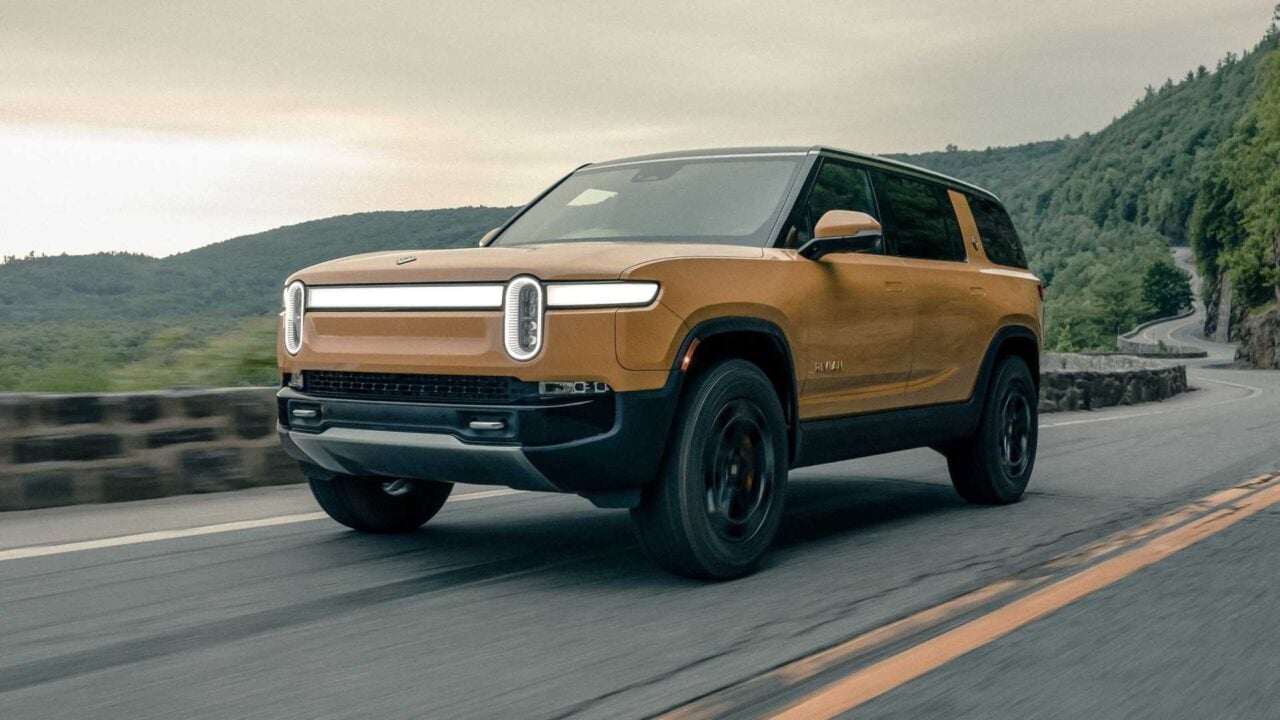
Rivian is facing a new class-action lawsuit that accuses the electric vehicle manufacturer of misleading customers about the autonomous driving capabilities of its early R1T pickup and R1S SUV models. The complaint alleges that buyers were led to believe their vehicles would eventually gain advanced hands-free driving functions through future software updates.
Filed in the U.S. District Court for the Central District of California, the lawsuit centers on first-generation R1 vehicles sold between 2021 and 2024. Plaintiffs claim Rivian marketed these vehicles as being capable of achieving Level 3 autonomous driving, despite lacking the hardware necessary to support such functionality.
The case raises questions about how automakers communicate future technology plans to customers. As software-defined vehicles become increasingly common, manufacturers often promote features that are expected to arrive through over-the-air updates months or even years after a vehicle is delivered.
Rivian has declined to comment publicly on the allegations, citing ongoing litigation. The company now joins a growing list of automakers facing legal scrutiny over claims related to autonomous and self-driving technology.
What The Lawsuit Alleges

The complaint was filed on behalf of three named plaintiffs who purchased first-generation Rivian R1S models. According to court documents, the customers contend they purchased their vehicles with the understanding that advanced hands-free driving capabilities would eventually be unlocked through software updates.
At the center of the lawsuit is Rivian’s Driver+ driver-assistance system. Plaintiffs argue that Rivian spent years promoting the technology as part of a broader vision that would eventually deliver hands-free and potentially eyes-off driving capabilities to owners of its flagship vehicles.
The lawsuit claims Rivian’s marketing created the impression that first-generation R1 vehicles were equipped with the hardware necessary to support future Level 3 autonomous functionality. Plaintiffs argue that was never technically possible.
Understanding Level 3 Autonomy
Level 3 autonomy represents a significant step beyond traditional driver-assistance systems. Under the Society of Automotive Engineers (SAE) classification system, a Level 3 vehicle can manage steering, acceleration, and braking in specific operating conditions without requiring constant driver supervision.
Unlike today’s common Level 2 systems, which still require drivers to monitor the road continuously, Level 3 technology allows drivers to briefly divert their attention under approved circumstances. The vehicle remains responsible for driving until it requests the driver to retake control.
The lawsuit alleges Rivian implied that its early R1T and R1S models would eventually reach this capability through software improvements. Plaintiffs argue the vehicles were not equipped with sufficient cameras, sensors, computing power, or supporting hardware to ever achieve that goal.
Hardware Differences Between Generations
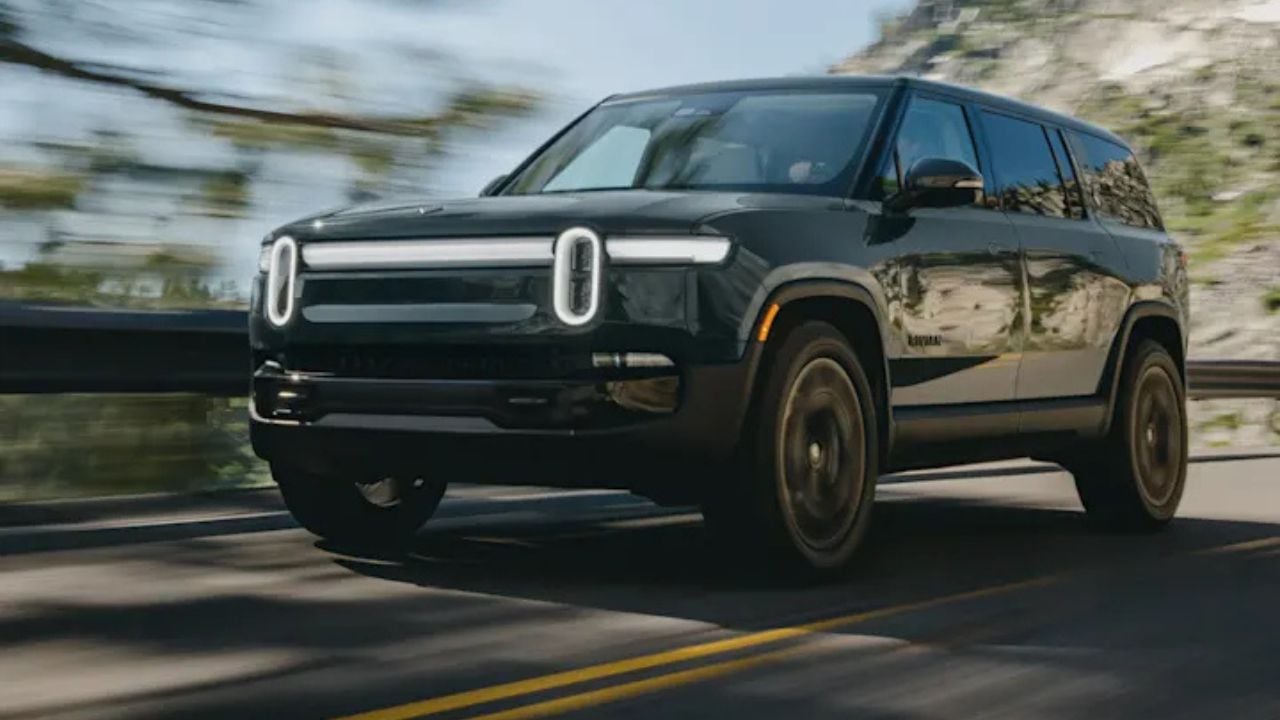
A major focus of the case involves the differences between Rivian’s first- and second-generation R1 vehicles. While the exterior design changed very little during the 2024 refresh, the company substantially redesigned many of the vehicles’ internal systems.
The updated models received a new Rivian Autonomy Platform featuring an expanded sensor suite, including additional cameras and radar sensors, along with significantly more powerful onboard computing hardware. Rivian has stated that the revised architecture provides a foundation for more advanced driver-assistance capabilities.
Those improvements helped enable the rollout of Rivian’s Universal Hands-Free driving feature, which was introduced through an over-the-air update for second-generation vehicles. The system allows hands-free operation on millions of miles of compatible roads throughout the United States and Canada.
First-generation owners, however, have not received the same functionality, which forms a key part of the plaintiffs’ argument.
A Familiar Legal Challenge For The Industry
Rivian is far from the only automaker to face questions about self-driving promises. Over the past decade, numerous manufacturers have promoted future autonomous capabilities that have taken longer to arrive than initially projected.
Tesla has been the most prominent example, facing lawsuits and regulatory investigations related to marketing claims surrounding its Autopilot and Full Self-Driving systems. Regulators in several jurisdictions have examined whether consumers were given an accurate understanding of what those technologies could actually do.
The Rivian lawsuit highlights the increasingly fine line between discussing future technological ambitions and making promises that customers interpret as guaranteed product features.
What Happens Next?
The plaintiffs are seeking class-action status and have requested a jury trial. Their claims include allegations of fraud, negligent misrepresentation, and unjust enrichment.
For Rivian, the case could become an important test of how courts evaluate marketing statements made during the early years of the EV industry’s rapid expansion. Automakers frequently promote future software upgrades as a selling point, particularly in a market where vehicles are expected to evolve long after leaving the factory.
Whether the court ultimately determines Rivian overstated the capabilities of its first-generation vehicles remains to be seen. What is clear is that as autonomous driving technology advances, manufacturers will likely face increasing pressure to ensure that future promises align closely with the hardware realities sitting in customers’ driveways.