There’s a persistent myth that owning a supercar requires tech-founder money or lottery-level luck. The truth? The used car market has quietly become one of the best things to ever happen to enthusiasts who thought these machines were forever out of reach.
Depreciation is brutal for original buyers, but it’s a gift for the rest of us. These are cars that once turned heads at $150,000, $200,000, or more, and now they’re sitting on dealer lots and auction listings at prices that don’t require refinancing your house.
Yes, they’ll need proper maintenance. Yes, you should get a pre-purchase inspection. But if you go in with your eyes open, you can park something genuinely extraordinary in your garage for far less than its original sticker price, and in some cases, surprisingly close to six figures.
Here’s a look at several supercars worth tracking down.
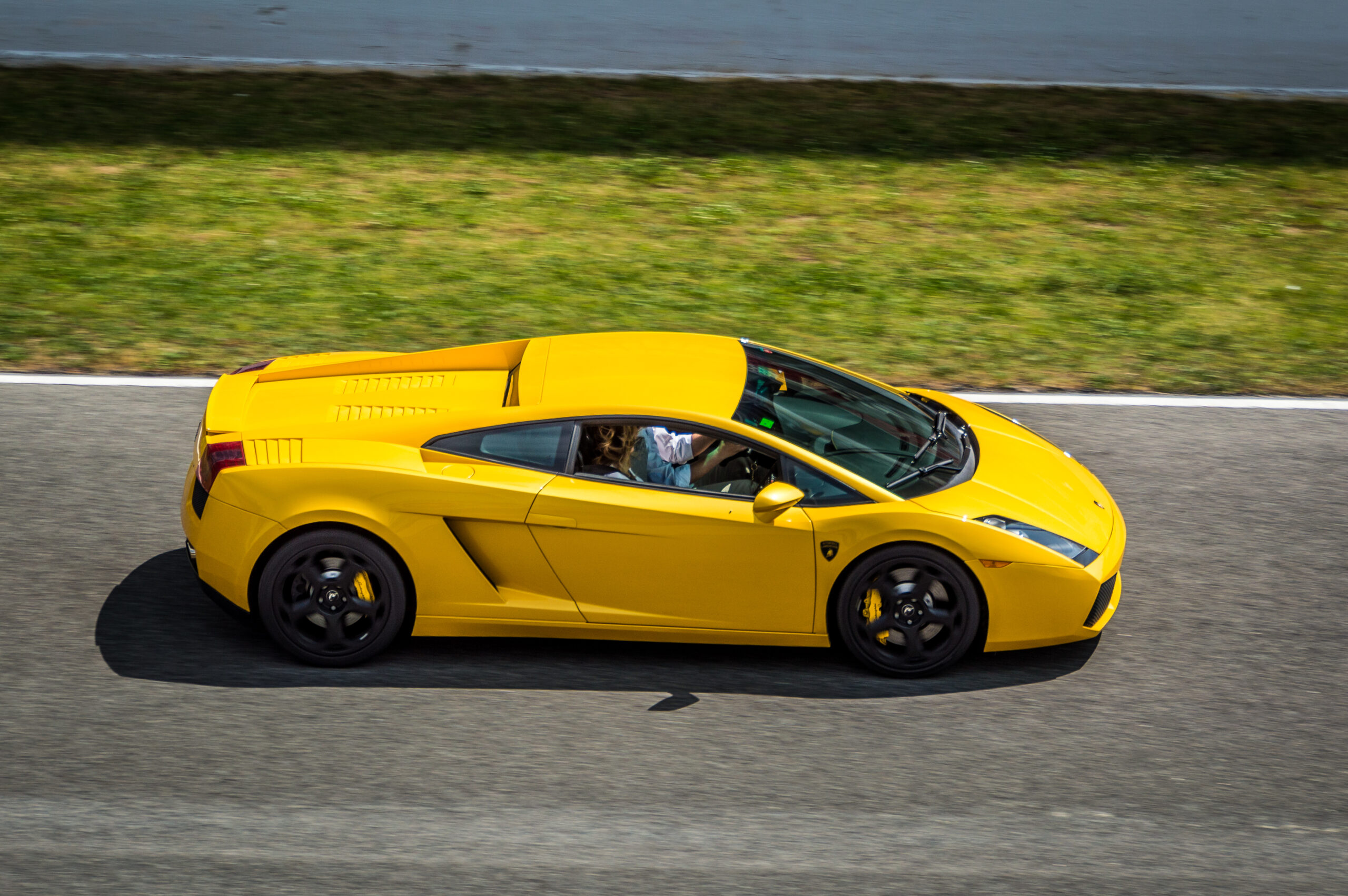
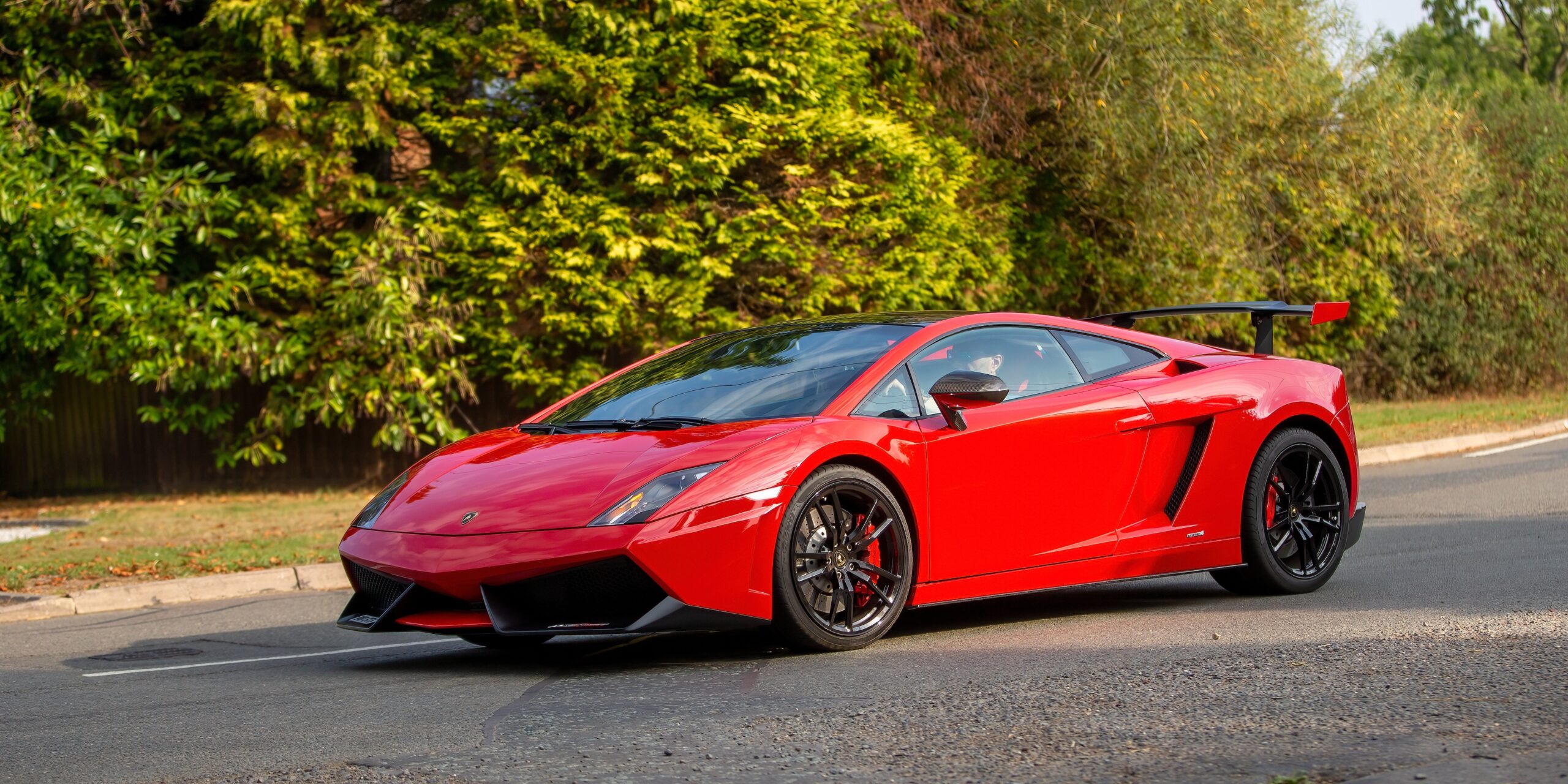
Lamborghini Gallardo

If you’ve ever wanted to announce your arrival somewhere, anywhere, the Gallardo makes an entrance that’s hard to top.
Produced from 2003 to 2013, the Gallardo became Lamborghini’s best-selling model at the time, with more than 14,000 units built — a huge number by Sant’Agata standards. Early cars were powered by a 5.0-liter naturally aspirated V10, while later LP models grew to 5.2 liters, delivering the kind of sound that makes early mornings feel optional.
Because production numbers were relatively high for a Lamborghini, parts support and independent service knowledge are far better than many people expect. High-mileage early E-gear examples can occasionally dip into the high-$80,000 range, though most well-maintained cars today trade closer to $95,000–$120,000 depending on condition and specification. The mid-engine layout keeps the car balanced, and most models feature all-wheel drive, making it more approachable than its sharp-edged styling suggests (rear-wheel-drive LP 550-2 models came later).
It’s still very much an Italian supercar, but compared to older Lamborghinis, it’s one you can realistically live with.
Ferrari 360 Modena

The 360 Modena was Ferrari’s clean-sheet reinvention at the turn of the millennium. It introduced an all-aluminum space-frame chassis, a 3.6-liter naturally aspirated V8 mounted longitudinally behind the cabin, and styling by Pininfarina that still looks purposeful rather than dated.
It marked a major shift for Ferrari, replacing the F355 and proving that a lighter, more modern car didn’t have to sacrifice character. With around 400 horsepower and a high-revving personality, the 360 feels analog in a way that later cars gradually moved away from.
In today’s market, higher-mileage F1 transmission coupes can occasionally dip just under $100,000, though most well-kept examples typically trade in the $100,000 to $130,000 range depending on mileage, service history, and specification. Manual cars command a significant premium.
Hunt for a well-documented example with proof of major services, especially timing belt work, and you’ll have one of the most rewarding entry points into modern Ferrari ownership.
Ferrari F430
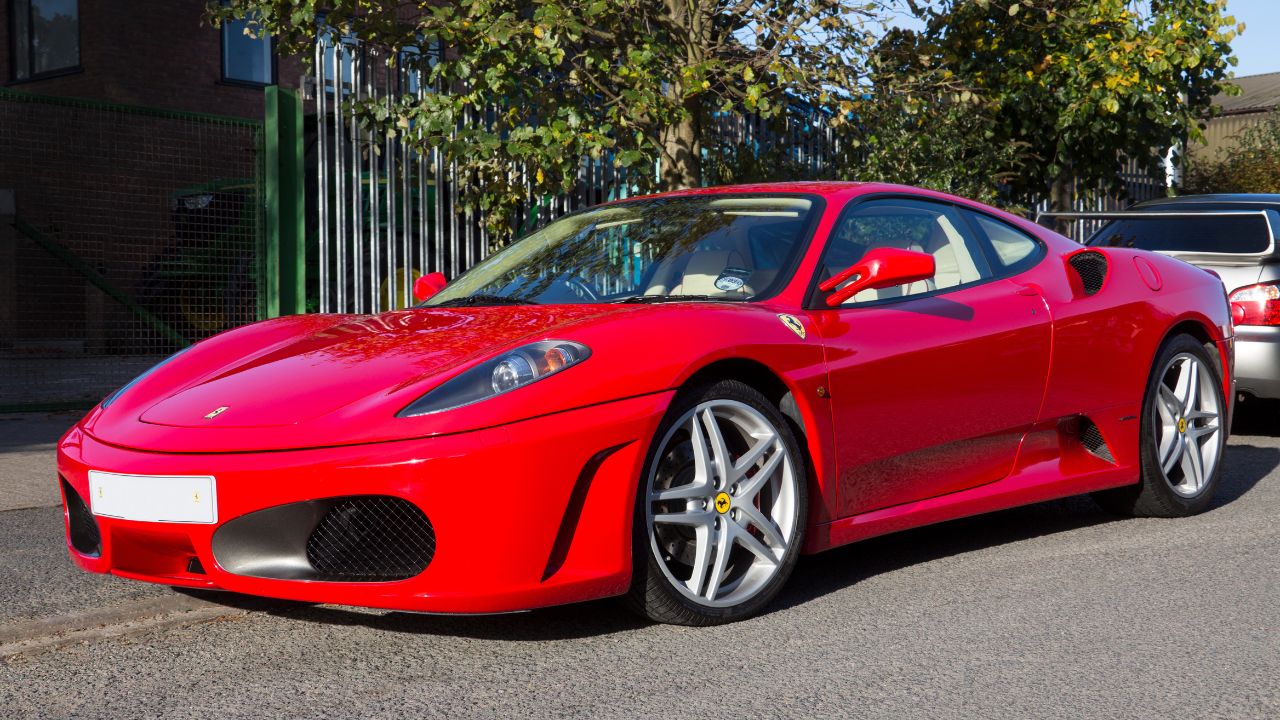
The F430 is where Ferrari’s mid-engine V8 formula really matured into something brutally fast yet more approachable than the cars that came before it.
Powered by a 4.3-liter naturally aspirated V8 producing 483 horsepower, the F430 introduced technologies derived from Ferrari’s Formula 1 program, including the E-Diff electronic differential and the now-familiar Manettino drive-mode selector. The engine’s high-revving character makes every gear change feel like an event.
In today’s market, most F430 coupes trade comfortably above $130,000, with strong examples often landing in the $150,000-$180,000 range, depending on mileage and condition. Spider models and low-mileage cars can go higher. The F1 paddle-shift transmission is far more common, while the gated six-speed manual is extremely rare and commands a significant premium. Ferrari quoted a top speed of approximately 196 miles per hour.
Either way, you’re looking at one of Ferrari’s most celebrated modern-era V8 cars, and pricing reflects that reputation.
Dodge Viper SRT-10

The Viper doesn’t apologize for anything, and that’s precisely its appeal.
The SRT-10 generation introduced an 8.3-liter naturally aspirated V10 up front, sending power to the rear wheels through a six-speed manual gearbox and offering very little in the way of electronic safety nets. Early SRT-10 models produced 500 horsepower, later increasing to 510 horsepower in updated versions. This is American performance in its most unfiltered form.
Earlier second-generation Vipers can still be found in the $50,000–$70,000 range, depending on condition, while clean SRT-10 examples typically trade closer to $70,000–$95,000. Later fourth- and fifth-generation cars command significantly more. What you get for that money is a car that feels genuinely raw in a way that many modern supercars, layered with driver aids, simply don’t.
If your idea of a good time involves real engagement over digital insulation, the Viper delivers.
McLaren MP4-12C
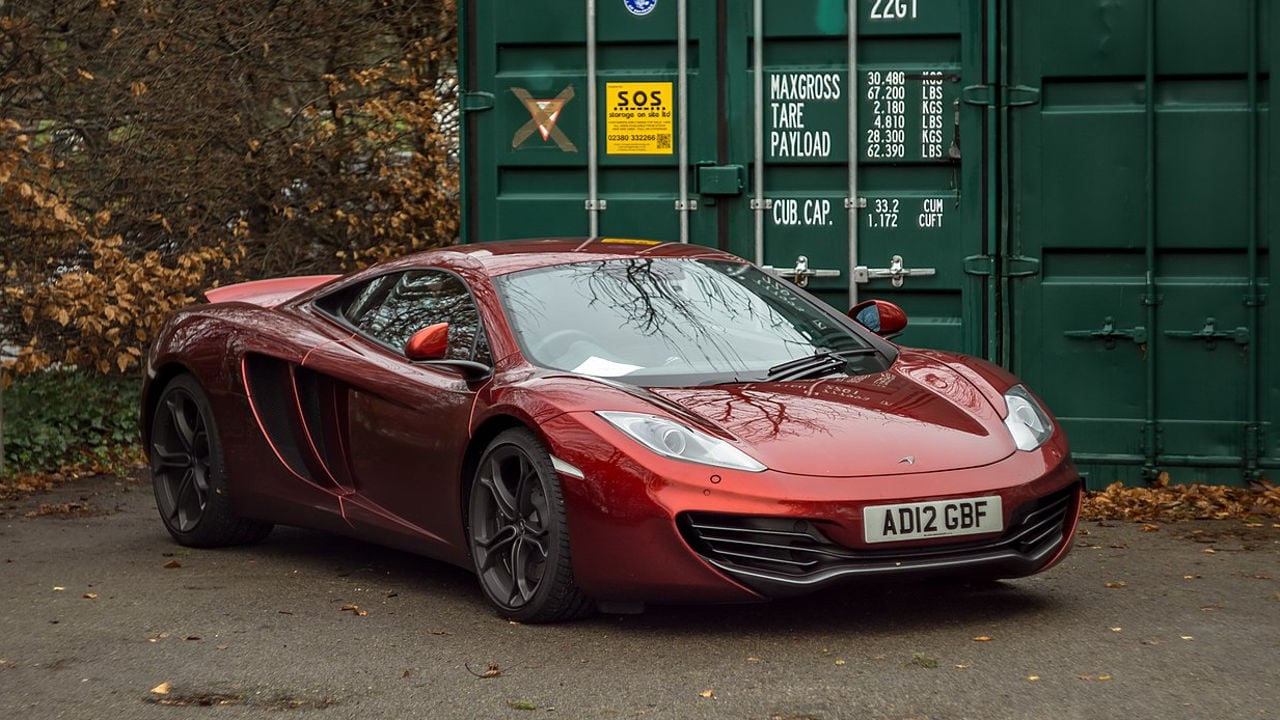
McLaren’s modern return to series-production road cars began with the MP4-12C in 2011, and it arrived with serious intent: a carbon fiber MonoCell chassis, a twin-turbocharged 3.8-liter V8, and a level of chassis engineering rooted directly in the brand’s Formula 1 expertise.
The 3.8-liter M838T V8 was developed with Ricardo and originally produced 592 horsepower, later increased to 616 horsepower in updated models. ProActive Chassis Control replaced traditional anti-roll bars with a hydraulically linked suspension system, allowing the car to remain remarkably composed without sacrificing ride quality. Add the signature dihedral doors, and the 12C still feels every bit the exotic.
Early coupes can occasionally be found in the high-$80,000 range, though most clean examples today trade closer to $95,000–$120,000 depending on mileage, updates, and service history. Spiders typically sit higher. For a carbon-tub McLaren with this level of performance, that pricing remains notable.
It’s a serious machine, and the market is finally giving it the respect it deserved from the start.
Maserati Gran Turismo

The GranTurismo is Maserati’s take on the exotic grand tourer, and few cars blend drama and daily usability quite like it.
Styled by Pininfarina and powered by a Ferrari-built 4.2- or 4.7-liter naturally aspirated V8, depending on model and year, the GranTurismo delivers one of the best exhaust notes in the segment. Output ranges from roughly 400 horsepower in early cars to around 454 horsepower in later GranTurismo Sport models. It was never meant to be a stripped-down track weapon; instead, it pairs sharp styling with a genuinely comfortable cabin and long-legged highway manners.
In today’s market, early 4.2-liter cars can be found in the $30,000–$50,000 range, while later 4.7-liter S and Sport models typically trade between $45,000 and $75,000, depending on mileage and condition. That places a hand-built Italian V8 grand tourer squarely in the performance sedan price range.
Yes, Maserati ownership comes with its complexities, so service records matter. But a well-maintained GranTurismo offers a level of sound, presence, and design flair that feels far more expensive than its current price suggests.
Audi R8 V10 (First Generation)
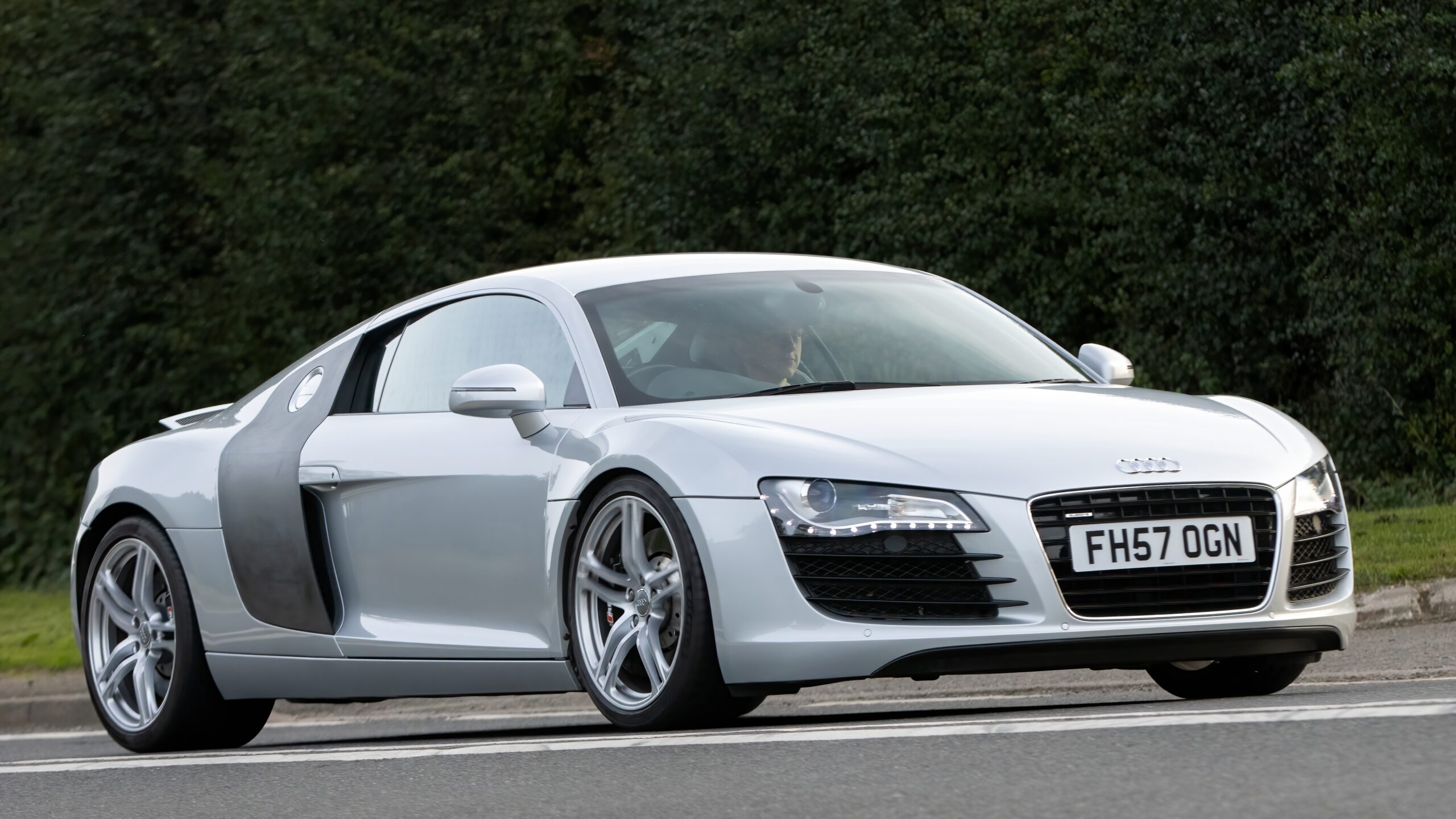
The R8 did something unusual for a supercar: it made the genre accessible without diluting it.
When Audi introduced the first-generation R8 in 2008 (with the V10 arriving for 2010), it paired Lamborghini-derived hardware with everyday usability. The naturally aspirated 5.2-liter V10, closely related to the unit used in the Lamborghini Gallardo LP560-4, delivered between 525 and 550 horsepower depending on year and transmission. Most V10 models came with quattro all-wheel drive, though later rear-wheel-drive variants were introduced in limited numbers.
Wrapped in Audi build quality and a genuinely usable interior, the R8 offered supercar performance without the temperamental edge of some rivals. In today’s market, early V10 coupes typically trade between $95,000 and $120,000, depending on mileage, service history, and whether the car is equipped with the gated manual or R tronic transmission. Manual cars command a premium.
For a car that’s comfortable enough for weekday commuting yet capable of serious weekend performance, the first-generation R8 V10 remains one of the most balanced entries into modern exotic ownership.
Acura NSX (First Generation)

The original NSX was Honda’s proof of concept: that a Japanese automaker could build a world-class mid-engine sports car that was reliable enough for daily use and genuinely rewarding to drive.
Introduced in 1990, the NSX featured an all-aluminum body and chassis, a first for a production car at this scale, along with a 3.0-liter V6 (later expanded to 3.2 liters) mounted behind the cabin. Ayrton Senna famously provided chassis feedback during development, helping refine the car’s high-speed stability and steering feel. Output ranged from 270 horsepower in early NA1 models to 290 horsepower in later NA2 versions.
Values have climbed steadily over the past several years. Higher-mileage early NA1 examples can occasionally be found around the $90,000–$110,000 range, while clean, low-mileage cars, especially later 3.2-liter six-speed models, often trade well above that.
For a naturally aspirated, analog driving experience backed by Honda engineering, the first-generation NSX remains one of the most balanced and livable supercars of its era.
The Window Is Open – For Now