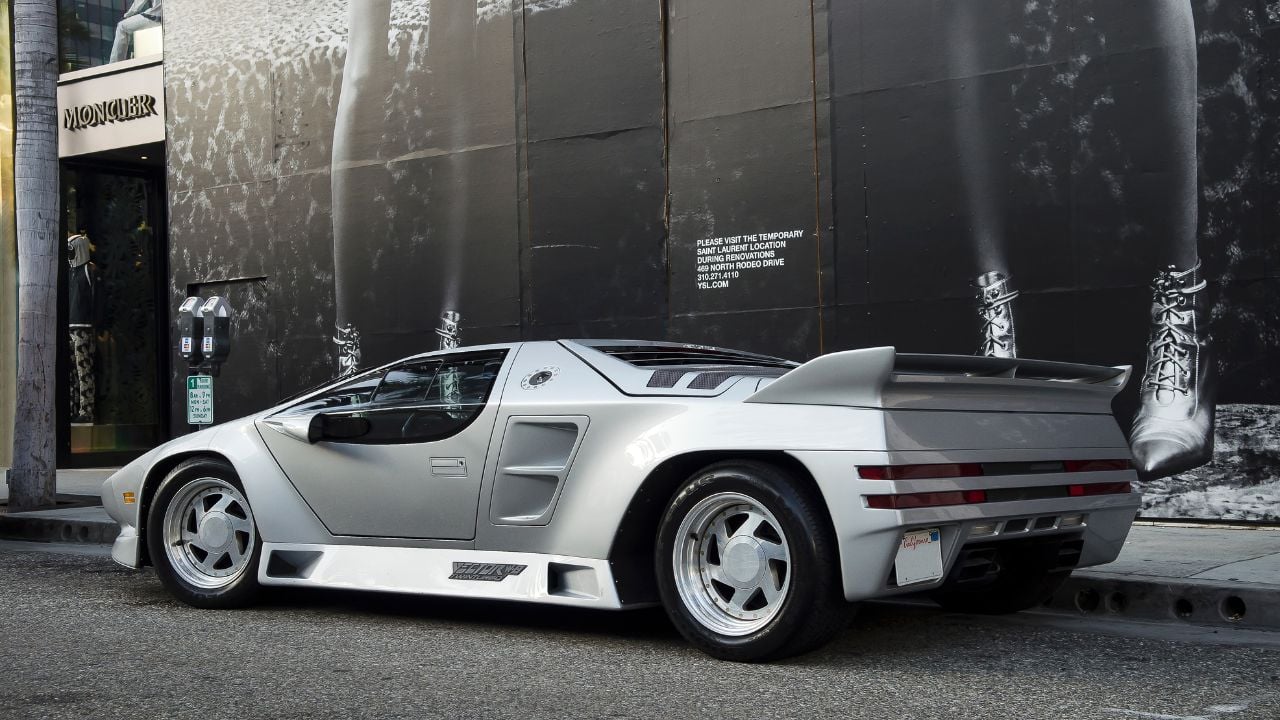
The automotive world moves fast, and sometimes even the most spectacular machines get left behind in the blur. We’re talking about legitimate supercars here, cars that often commanded six-figure price tags, though a few were sub-$100k when new and turned heads at every intersection.
These weren’t kit cars or pretenders, they were the real deal with exotic styling, powerful engines, and performance credentials that put them in rarified company. Yet somewhere between the showroom and today, they slipped from our collective memory, overshadowed by more famous rivals or simply victims of unfortunate timing.
It’s time to take a drive down memory lane and revisit ten remarkable supercars that deserved better than obscurity.
Vector W8 (1989-1993)
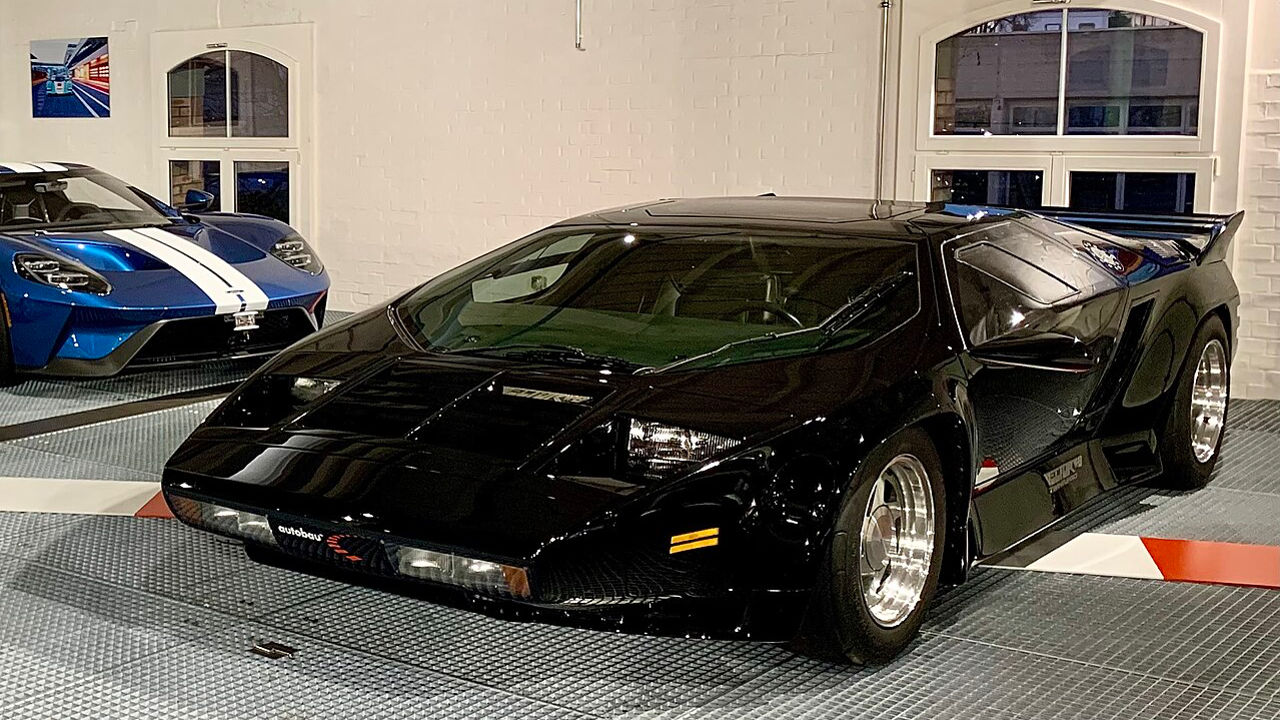
Gerald Wiegert’s Vector W8 looked like it rolled straight out of a sci-fi movie, and in many ways, it represented pure American ambition wrapped in angular composite bodywork.
Under that fighter jet-inspired cockpit sat a transversely mounted, twin-turbocharged 6.0-liter Rodeck V8, factory-rated at 625 horsepower (often summarized as ‘600+’), mounted mid-ship and ready to launch the W8 to 60 mph in around 4.2 seconds. Production was extremely limited: 22 total cars are commonly cited, with some sources describing 17 customer/production examples depending on how prototypes are counted between 1989 and 1993, each selling for around $450,000. The interior featured aircraft-style instrumentation and enough switches to make you feel like a test pilot.
Despite its impressive specs and wild looks, the Vector W8 became a footnote rather than a legend, remembered mostly by dedicated enthusiasts who appreciate its uncompromising vision.
Cizeta-Moroder V16T (1991–2003, built in small batches)
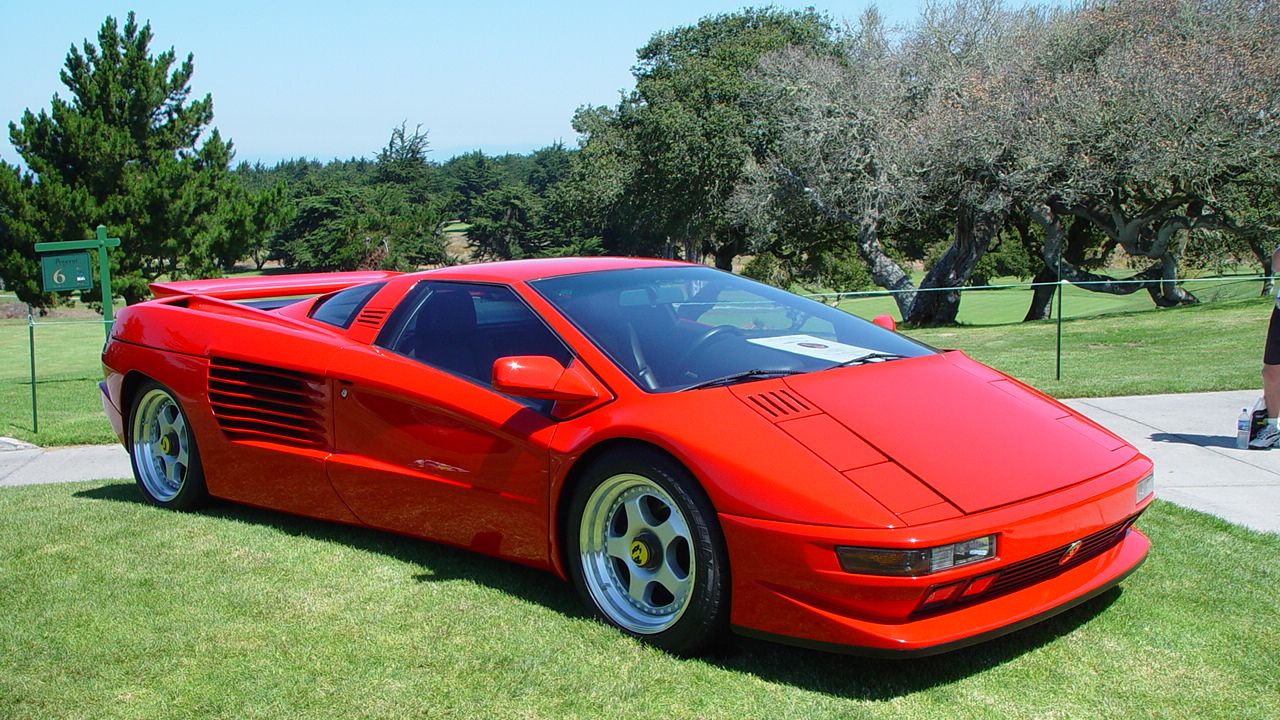
When Lamborghini’s former engineer Claudio Zampolli wanted to build the ultimate Italian supercar, he didn’t mess around with anything less than a 6.0-liter V16 engine.
The Cizeta V16T featured essentially two V8 cylinder banks sharing a common crankshaft, creating a transverse 16-cylinder masterpiece that produced 540 horsepower and an unforgettable soundtrack. Its design bore more than a passing resemblance to the Lamborghini Diablo, which makes sense given the shared DNA in the design team. Priced at $300,000 and built almost entirely by hand, and only 11 are commonly cited including one prototype and one Spyder; Wikipedia also notes eight were built 1991–1995, with three more completed later.
The Cizeta remains one of the most obscure supercars ever built, despite having one of the most exotic engine configurations ever fitted to a road car.
Lotec C1000 (1995)
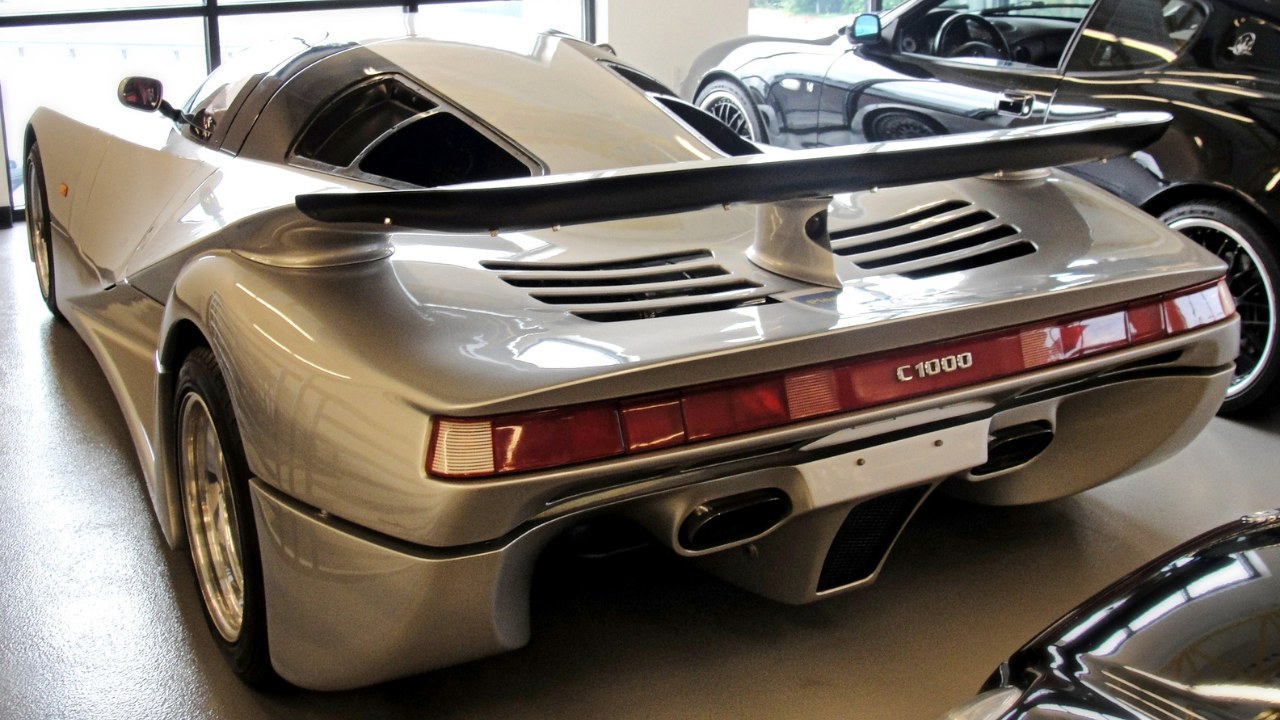
Most people have never heard of Lotec, and even fewer have seen the C1000 that debuted in 1995 as what was claimed to be the world’s fastest car.
Kurt Lotterschmid’s German engineering firm built this Mercedes-Benz powered monster with a twin-turbocharged 5.6-liter V8 producing an outrageous 1,000 horsepower. The company claimed a top speed of 268 mph, though this was never independently verified. With a price tag exceeding $1 million, only one C1000 was ever completed for a customer in the United Arab Emirates.
The Lotec C1000 represents that brief period in the 1990s when small manufacturers made bold performance claims, and while its actual capabilities remain somewhat mysterious, there’s no denying the ambition behind it.
Ascari KZ1 (2005-2010)

British manufacturer Ascari Cars created the KZ1 with serious racing pedigree, complete with a carbon fiber monocoque and a BMW-sourced 4.9-liter V8 pushing 500 horsepower.
Named after the company’s founder Klaas Zwart, this mid-engined supercar could hit 60 mph in 3.7 seconds and reach a top speed of 200 mph. The company even built their own private racetrack, the Ascari Race Resort in Spain, where owners could experience their cars at the limit. Production was limited to 50 and the list price was £235,000 (often quoted around the mid-$300k range depending on conversion).
The 2008 financial crisis didn’t help matters, and Ascari eventually ceased operations, leaving the KZ1 as a largely forgotten testament to British supercar ambition.
Monteverdi Hai 650 F1 (1992, 1995)
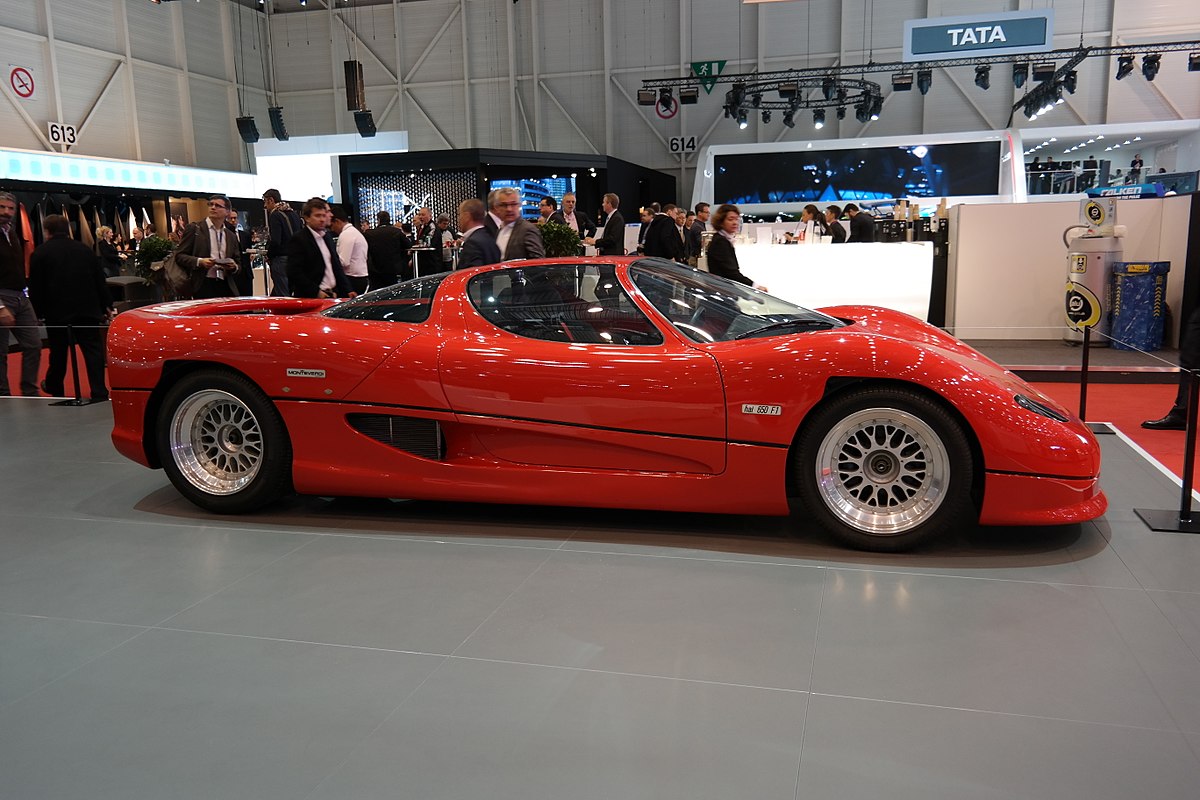
Swiss luxury car manufacturer Monteverdi took a bold swing at the supercar market with the Hai 650 F1, which was based on a Formula 1 chassis from the Monteverdi-Onyx F1 effort and retained a detuned 3.5-liter Cosworth DFR V8.
The design was polarizing, to put it mildly, with swooping lines and a face only an enthusiast could love. Performance was projected/claimed at roughly 0–60 mph around 3 seconds and top speed around 208 mph, with pricing cited in the ~$1M+ realm in various references.
Three prototypes were built, making this one of the rarest supercars in existence and one that most people have never even heard of.
Consulier GTP (1988–1993)

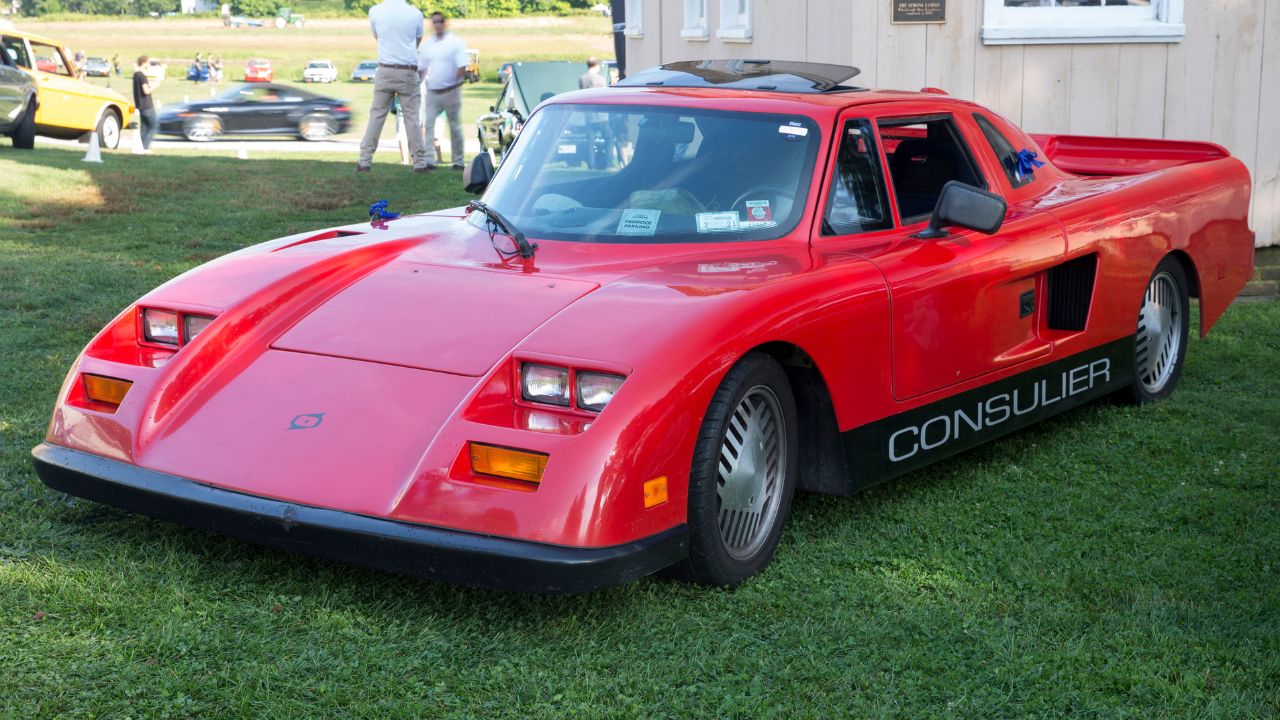
Before there was the Mosler MT900, there was the Consulier GTP, a car that prioritized function over form to an almost comical degree.
Warren Mosler’s creation looked like an angry wedge of composite materials, powered by a turbocharged Chrysler 2.2-liter four-cylinder, Turbo II engines rated at 175 horsepower in early cars and the later Turbo III rated at 190 horsepower. While hardly beautiful, the Consulier GTP made up for it with a curb weight of roughly 2,200 pounds and handling sharp enough to embarrass far more expensive machinery. The GTP went on to set multiple lap records in competition trim, proving that genuine supercar performance didn’t require a V12 engine or an exotic badge.
Built in two series; the first series sold about 70 copies, with overall totals commonly described as low-volume. The Consulier was accessible by supercar standards, yet it remains virtually unknown outside extreme track day circles.
B Engineering Edonis (2000-2003)
What happens when you take the unfinished Bugatti EB110 project and resurrect it in the 2000s? You get the B Engineering Edonis, a car that carried forward the EB110-derived 3.8-liter twin-turbo V12 but wrapped it in completely new carbon fiber bodywork.
The 3.8-liter V12 was quoted at about 671 hp (680 PS / 500 kW), launching the Edonis to 60 mph in 3.9 seconds and onward to a claimed top speed of 365 km/h (227 mph). Built by former Bugatti employees who wanted to continue the Italian marque’s legacy, the Edonis cost around $700,000 and was hand-assembled in Campogalliano, Italy.
B Engineering planned to build 21 cars from leftover EB110 chassis at about €760,000 each; only a few were completed (often cited as 3).
Isdera Commendatore 112i (1993)

German engineer Eberhard Schulz had already created the wild Mercedes-powered Isdera Imperator when he decided to follow it up with the Commendatore 112i, named in honor of Enzo Ferrari.
This hand-built supercar featured a Mercedes-Benz 6.0-liter V12 producing 408 horsepower, mounted in the middle of a sleek, low-slung body that took over 3,000 hours to construct. The gullwing doors and periscope rear-view mirror gave it a distinctly futuristic appearance, while performance included a 0-60 mph time of 4.7 seconds and a top speed of 212 mph. At approximately $400,000, due to financial constraints, only one prototype was completed during its six-year production run.
Today, Isdera remains a name known only to the most dedicated supercar historians.
Dome Zero (1978)
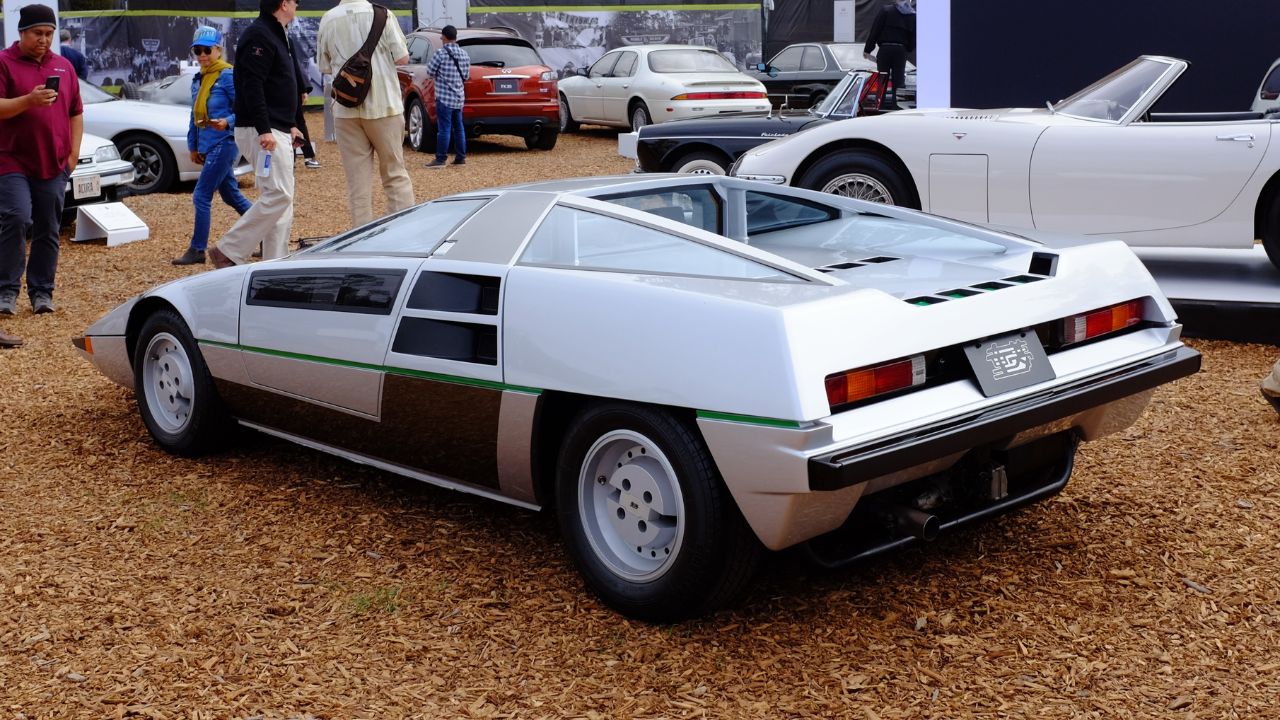
Long before Japanese manufacturers dominated motorsports, Dome was building the Zero, a mid-engined supercar that looked like it came from the set of a 1970s space opera.
The prototype featured angular, wedge-shaped styling with pop-up headlights and a dramatically raked windscreen that seemed to defy both physics and practicality. Initially planned with a rotary engine before switching to a Nissan straight-six producing around 143 horsepower, the Zero promised sports car performance in a package that looked faster than it actually was. Despite generating significant buzz in the Japanese automotive press, the Dome Zero never entered production due to financial constraints.
A couple of prototypes were built, making this one of the most intriguing might-have-beens in Japanese automotive history.
Qvale Mangusta (1999-2002)

The Qvale Mangusta has one of the most complicated origin stories in automotive history, beginning life as the De Tomaso Biguà before being reborn under American-Italian entrepreneur Kjell Qvale’s ownership.
This Italian-built, American-powered supercar featured a Ford 4.6-liter V8 producing 320 horsepower, wrapped in striking bodywork with removable roof panels that predated modern targa tops. With a 0-60 mph time of around 5.3 seconds and a price tag of approximately $84,200, it offered exotic looks at a relatively accessible price point. Production lasted just two years, with roughly 280 examples built before the company shifted focus to manufacturing the MG XPower SV.
The Qvale Mangusta remains a footnote in automotive history, remembered fondly by the few who encountered it but largely forgotten by everyone else.
Conclusion
These ten supercars prove that performance, style, and ambition don’t always translate into lasting fame or commercial success. Some were victims of bad timing, entering markets during economic downturns or facing competition from established brands with deeper pockets and stronger dealer networks. Others were simply too niche, too expensive, or too unconventional for mainstream acceptance, despite offering genuine supercar credentials.
What unites them is that each represented someone’s dream of building the ultimate driving machine, executed with varying degrees of success but always with genuine passion. Today’s collector car market has begun to rediscover some of these forgotten machines, but many remain affordable compared to their more famous contemporaries.
Perhaps that’s the silver lining, these forgotten supercars offer enthusiasts a chance to own something truly unique, a conversation starter that won’t appear at every car show, a piece of automotive history that most people walked right past.