
The 2000s were characterized by a booming global economy and rapid technological advancements that propelled automotive design to new frontiers. Manufacturers and boutique builders alike experimented with exotic materials, high-revving engines, advanced aerodynamics, and cutting-edge electronics, delivering some of the most daring performance cars in modern history.
Yet for every runaway success, there were equally ambitious projects that struggled to find an audience—hampered by niche appeal, economic shifts, or constrained production runs. Over time, many of these ventures slipped quietly into obscurity, eclipsed by flashier rivals and evolving market trends.
Whether forgotten due to radical styling, unfortunate timing, or simply limited numbers, each model captures a moment when automakers chased innovation with relentless ambition. Some of these cars foreshadowed trends that would later become mainstream, while others remain intriguing footnotes in motoring lore.
This list revisits 13 of those rare machines, from audacious supercar showpieces to underappreciated sports cars.
How We Chose These Overlooked Icons
For this roundup, I focused on performance cars released between 2000 and 2010 that, in my opinion, never quite got their due. Many of them were marketed as full-blown supercars, though some fall closer to what we’d now call sports cars—or, if you want to split hairs, grand tourers.
Rather than judging by sales figures or racing pedigrees, the emphasis here was on originality, daring design, and technical ambition. Each model on this list captured the spirit of the 2000s in its own unique way, whether through experimental styling, powerful engines, or limited-run exclusivity.
Some of these machines foreshadowed trends that would later define mainstream performance cars, while others remain eccentric one-offs. Regardless of how you classify them, they’re still cool, still fascinating, and absolutely worth revisiting.
2000 Saleen S7

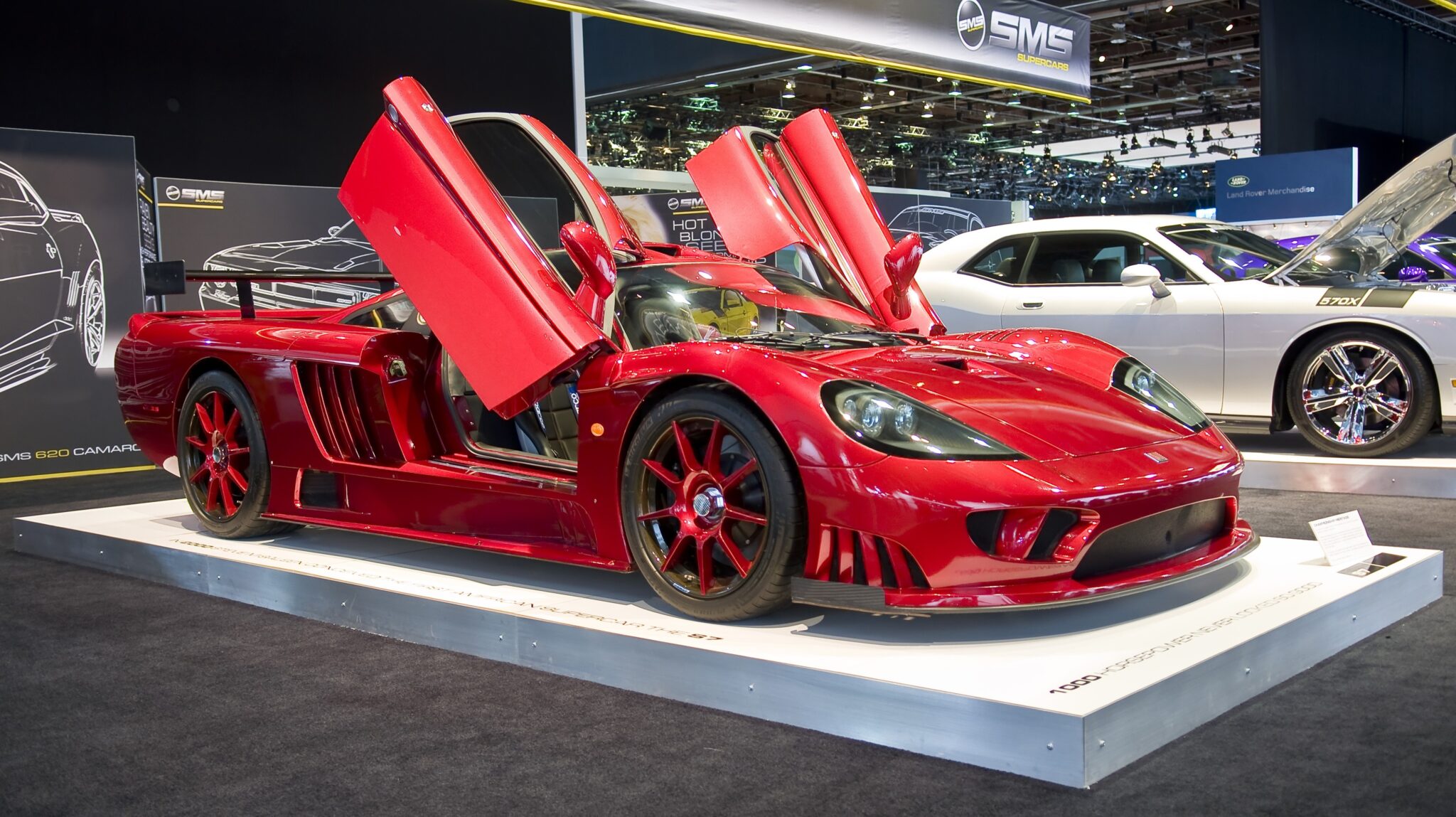
Saleen got its start by tuning Ford Mustangs, but in 2000, the company built its first car from the ground up. Steve Saleen is clearly not one for half-measures, so he decided a proper supercar was the way to go.
The Saleen S7 was a two-seat sports car equipped with a naturally aspirated, mid-mounted 7.0-liter V8 engine. From 2005, it was also offered in twin-turbocharged form, rated at 750 horsepower. Saleen also offered an optional Competition Package that increased output to around 1,000 horsepower. Utilizing a carbon fiber body and a lightweight steel and aluminum honeycomb chassis, the S7 was also remarkably light. Saleen never released official totals, but research commonly estimates around 75–80 S7s in street and racing specification.
2009 Aston Martin One-77

As its name suggests, Aston Martin only built 77 units of the stunning One-77, each sold for about £1.15 million (roughly $1.7 million at the time, depending on exchange rates). This is a gorgeous two-seater sports car with swan doors, meaning they open up and outward, similar to a swan’s outstretched wings.
Aston Martin first introduced the One-77 at the 2008 Paris Motor Show, but the car wasn’t fully revealed until the 2009 Geneva Motor Show. Under its sleek, curved hood lies a 7.3-liter AM Cosworth engine that pumps out 750 horsepower and 553 lb-ft of torque.
2004 Bristol Fighter

Not many people outside the UK have heard of Bristol Cars, but this British carmaker was no upstart; the company was founded in 1945. In 1961, Bristol began using Chrysler engines in their cars, and that’s also the case here.
The Bristol Fighter uses an 8.0-liter (7,994 cc) Chrysler V10 derived from the Dodge Viper. In standard form it’s commonly listed at about 525 bhp with a claimed 0–60 mph time of 4.0 seconds and a claimed 210 mph top speed. Nobody knows for sure how many Bristol Fighters were built, but Carscoops reports that the number is between 9 and 14, with experts believing the exact number to be 11.
2008 Spyker C12 Zagato
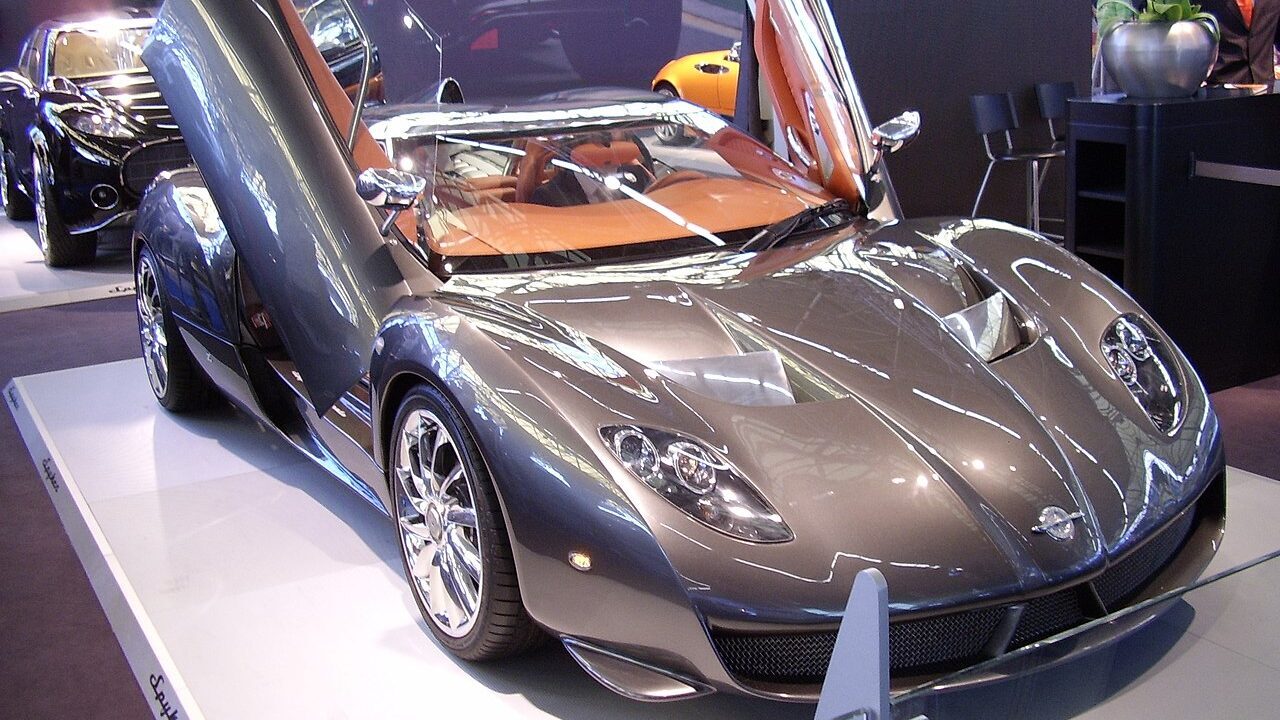
Dutch carmaker Spyker and the legendary Italian coachbuilder Zagato collaborated to build the stunning Spyker C12 Zagato.
It’s powered by a Volkswagen 6.0-liter W12 engine that houses 500 horsepower and 442 lb-ft of torque. Published specs list a curb weight around 1,480 kg (3,263 lb), 0–60 mph about 3.8 seconds, and a top speed around 193 mph (figures vary by source because it never reached full production). Spyker planned a run of 24 C12 Zagatos, but the project was later cancelled—and most reporting indicates only one prototype was built.
2006 Mitsuoka Orochi
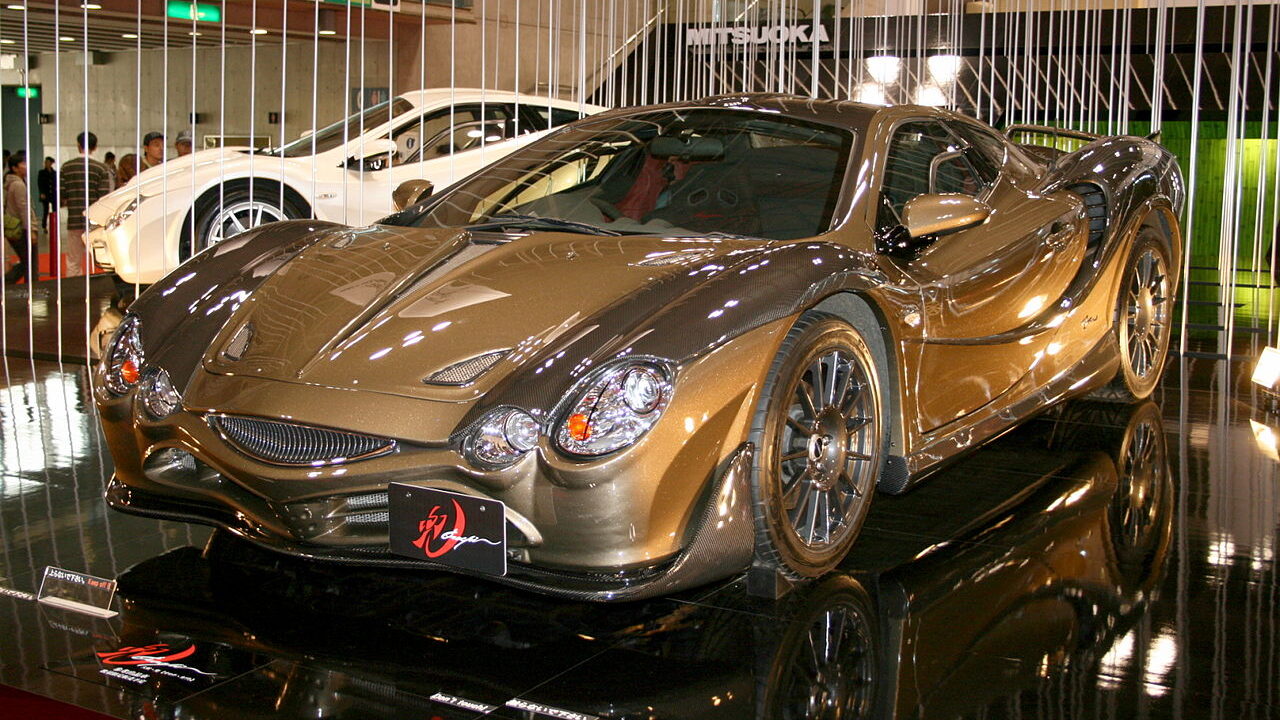
Japanese aftermarket company and carmaker Mitsuoka has built several unusual cars over the years, but I think the Orochi stands out in a league of its own. Its name refers to Yamata-no-Orochi, a giant eight-headed dragon from Japanese mythology. It appears that this creature also inspired the Mitsuoka Orochi’s design.
Aside from its appearance, the Orochi is actually quite good. The Orochi began as a concept based on the Honda NSX platform, but the production car used a Mitsuoka-developed structure with a mid-engine layout, so the handling is expected to be excellent. The engine is a 3.3-liter mill from a Toyota Camry. The Orochi isn’t overly powerful, but with 233 horsepower, it’ll sprint to 60 mph in 6.7 – 8 seconds.
2004 Maserati MC12 Stradale
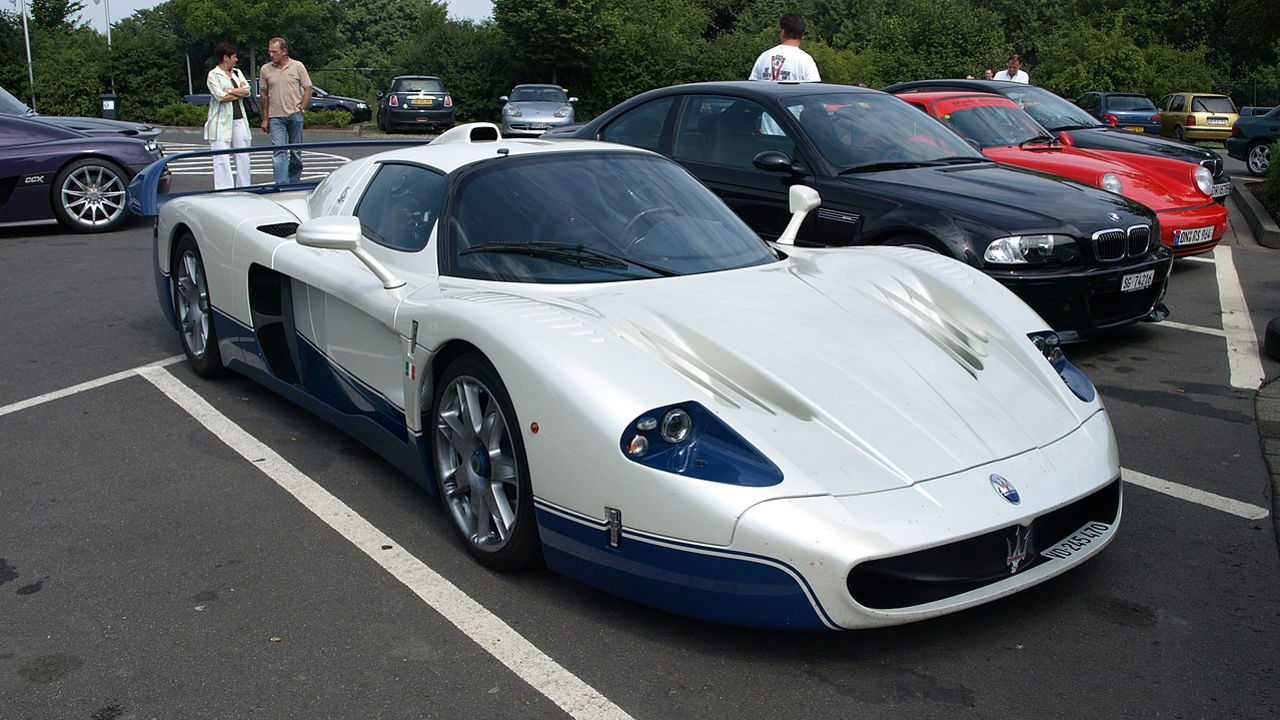
The Maserati MC12 Stradale is essentially a Ferrari Enzo in a different dress. It marks Maserati’s return to racing after a 37-year absence, and the Italian carmaker built it as a homologation special for the FIA GT Championship.
A total of 62 were produced: 50 road-going MC12 Stradales and 12 GT1 race cars. All were powered by a slightly modified version of the Enzo’s 6.0-liter V12 engine, producing 621 Italian stallions.
2006 Ascari A10
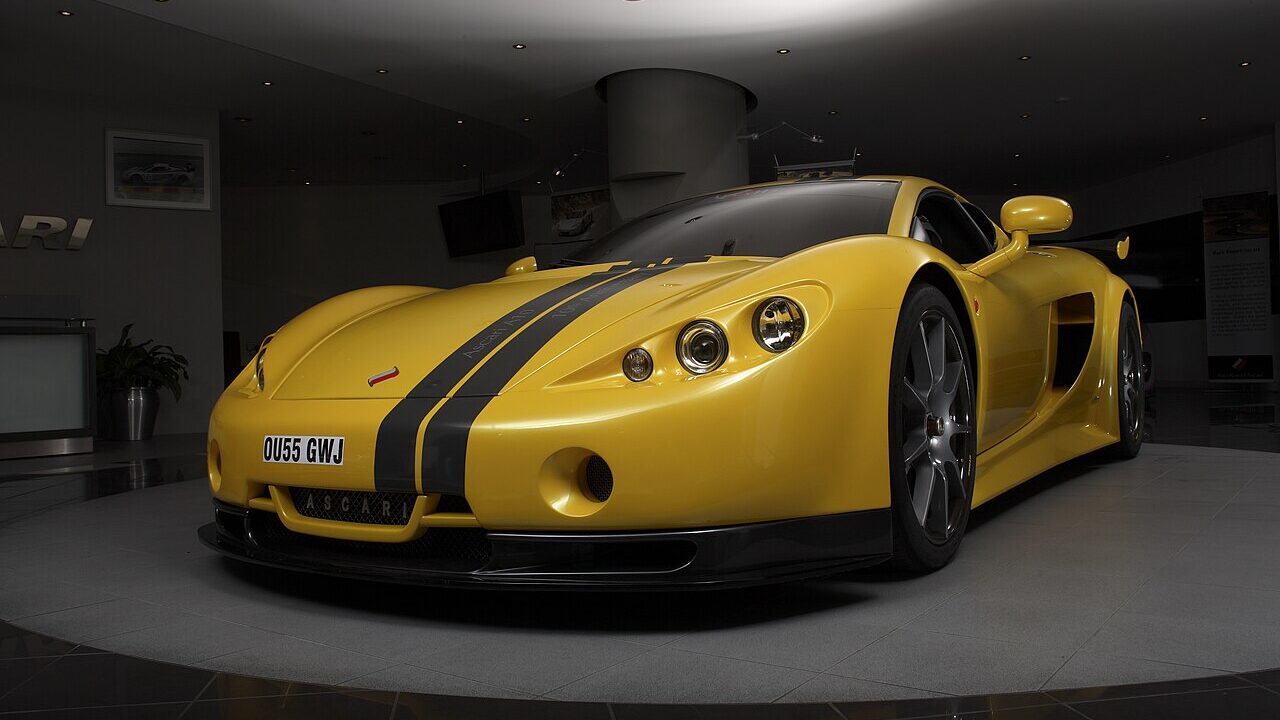
Ascari was a British car company and racing team founded by Dutch millionaire Klaas Zwart. The Ascari A10 was the road-going version of the brand’s KZ1-R GT race car that participated in the Spanish GT Championship.
The Ascari A10 was equipped with a 600-hp, 4.9-liter BMW V8 engine, which enabled it to accelerate from 0 to 60 mph in just 2.8 seconds. In 2007, it made an appearance on the British motoring show Top Gear and set the show’s Power Lap record at the time. Although Ascari planned to build 50 cars, the A10 never entered production.
2007 Caparo T1

Caparo Vehicle Technologies claimed the Caparo T1 was intended to be a road-going Formula One car. It was powered by an engine that was, essentially, a slightly detuned 3.5-liter V8 IndyCar unit developed by Menard, producing 575 horsepower at 10,500 rpm.
That kind of power, combined with its lightness, meant the Caparo T1 would scramble to 60 mph in just 2.5 seconds, and within 5 seconds, the speedometer would show 100 mph. Designed for high-speed cornering, the T1’s grip was abysmally poor at normal speeds, and it wasn’t particularly safe at high speeds on a wet or cold day either. Caparo planned to build 25 cars per year, but production ended after just 15 were made.
2000 Qvale Mangusta

Italian carmakers Qvale and De Tomaso joined forces on the Mangusta project. It was based on the De Tomaso Biguá concept car and was named after the brand’s car from the late 1960s.
However, De Tomaso eventually left the project, so it was sold as the Qvale Mangusta. In true De Tomaso form, the Mangusta had a Ford V8, but BorgWarner and GM delivered the transmissions. The automotive press largely praised the Mangusta, but enthusiasts still didn’t buy them. When production ended in 2002, only 284 cars had been built,
2007 Gumpert Apollo

Gumpert isn’t exactly the most recognizable name in the automotive industry, and the Apollo looked somewhat unconventional. Still, we loved it, hard angles combined with massive wheel arches that feel like they wrap around the whole tire, plus those gull-wing doors. So I don’t think anyone is surprised that this car is now only found in the automotive history books.
There’s no denying that the Gumpert Apollo was ridiculously fast, though. With an Audi-sourced twin-turbocharged 4.2-liter V8 spitting out 650 hp and 627 lb-ft of torque, the Apollo scrambled to 60 mph in a mere 3.1 seconds and kept going until it reached its 224 mph top speed.
2009 Wiesmann MF5

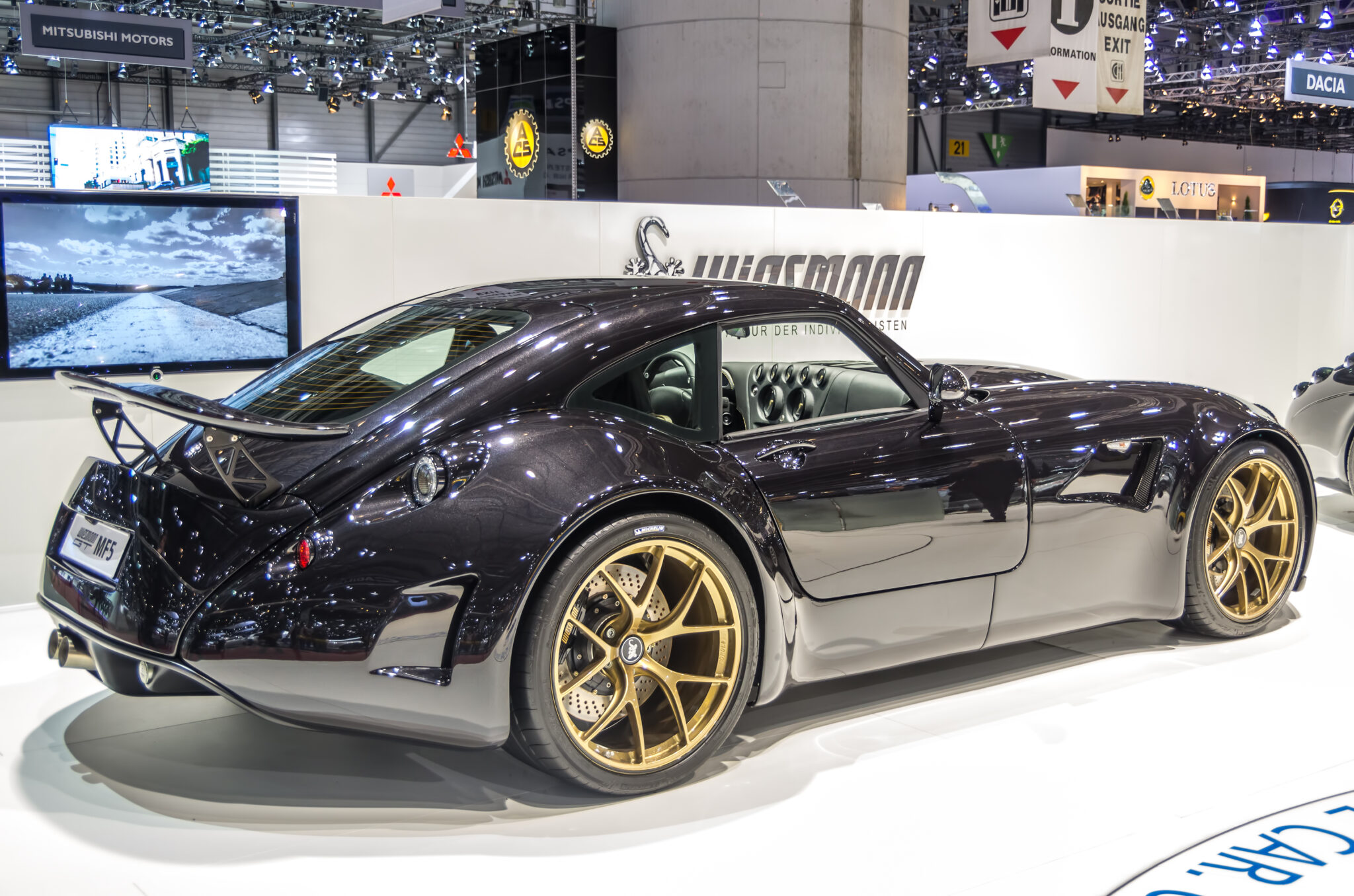
Wiesmann is a German coachbuilder that created the stunningly retro-styled MF5 supercar, utilizing a selection of BMW components and a lightweight aluminum chassis.
The MF5 used BMW’s 5.0-liter S85 naturally aspirated V10 (as in the E60 M5/M6), producing about 500 hp (507 PS). Power was sent to the rear wheels via a 7-speed SMG automated manual; the MF5 would see 60 mph in 3.9 seconds. Fewer than 200 Wiesmann MF5s were built by the time production ended.
2005 TVR Sagaris
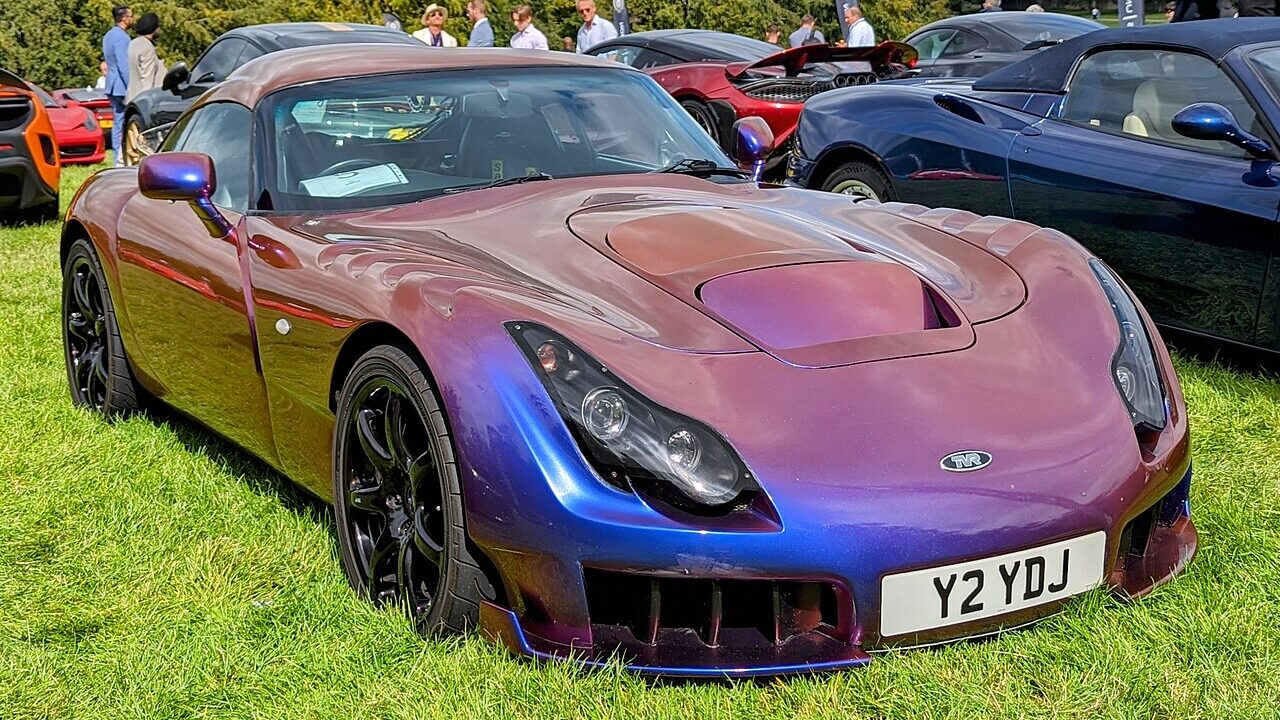
TVR’s cars were always lacking in terms of build quality and reliability, but the British carmaker finally addressed those issues with the Sagaris. Even Jeremy Clarkson called it the best TVR ever made.
TVR has always been skilled at building cars that are so fast and powerful that they intimidate even the most experienced drivers. With a 400-hp 4.0-liter inline-six and no airbags, ABS, or driver aids, the Sagaris certainly lived up to that ethos. Only 211 Sagaris units were made, making it one of the rarest TVRs.
2006 Lotus Europa S
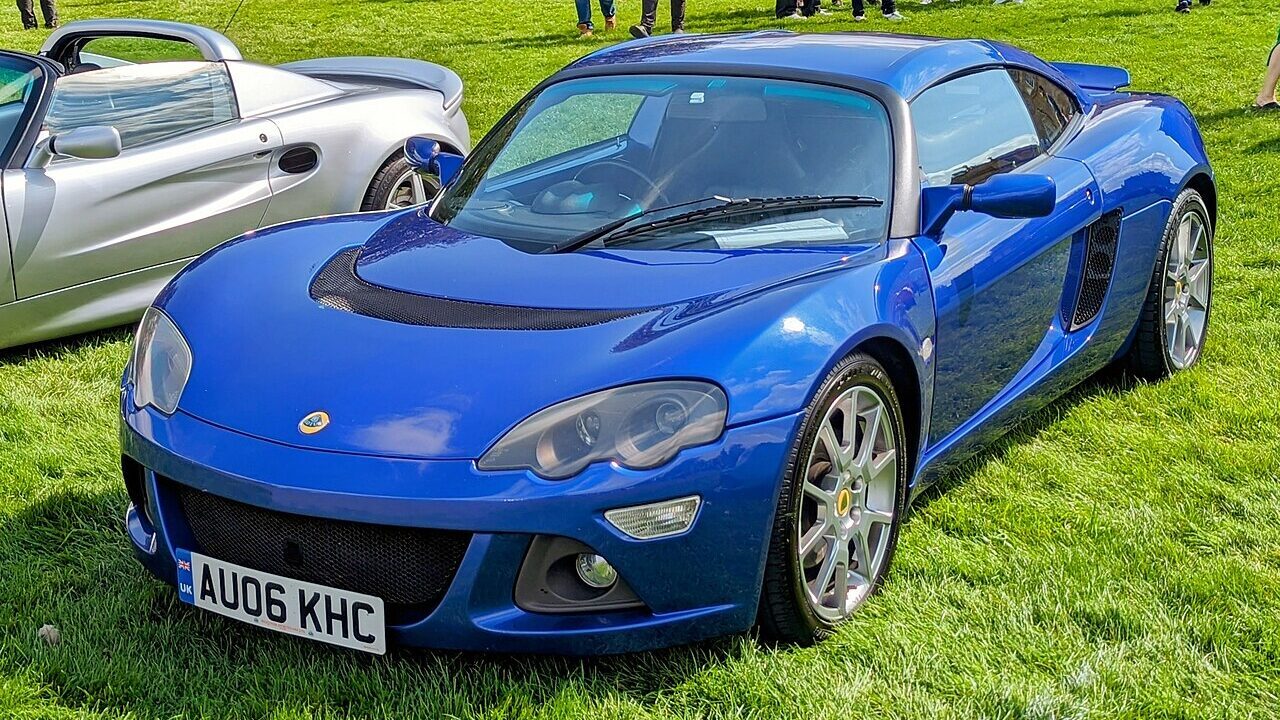
Lotus is renowned for its lightweight sports cars, including the Elise and Exige. It used a 2.0-liter turbocharged GM Ecotec (Z20LER) rated at 197 bhp (200 PS). While they are great on a track or for some fun on twisty roads, they’re not exactly built to cross continents. Enter the Europa S, a luxurious Lotus grand tourer… that proceeded to flop spectacularly.
It didn’t fare well in most reviews, with journalists calling it uncomfortable and dreary. Its performance actually wasn’t bad, but it wasn’t as good as the competition either. Today, it’s mostly forgotten, and those who remember it tend to ignore it.
Final Reflections: Rediscovering 2000s Performance Icons
 The early 2000s saw a wave of ambitious performance cars that pushed engineering and design to new heights. Many of these models combined exotic materials with advanced aerodynamics and high-revving powertrains. Despite limited production runs and niche appeal, they captured the spirit of a decade willing to take bold, creative risks.
Over time, a handful of these cars receded from public view, overshadowed by more commercially successful rivals. Yet their influence persists in today’s automotive landscape, where lightweight construction, turbocharged engines, and distinctive styling remain hallmarks of performance brands. Revisiting these rare machines provides valuable insight into the innovation that shaped modern sports cars and supercars.
By examining these forgotten projects alongside mainstream successes, a more comprehensive picture of automotive ambition in the 2000s emerges. Each model, whether it achieved widespread acclaim or faded into memory, serves as a testament to the era’s willingness to experiment. These overlooked icons deserve renewed attention as integral chapters in the story of modern motoring.