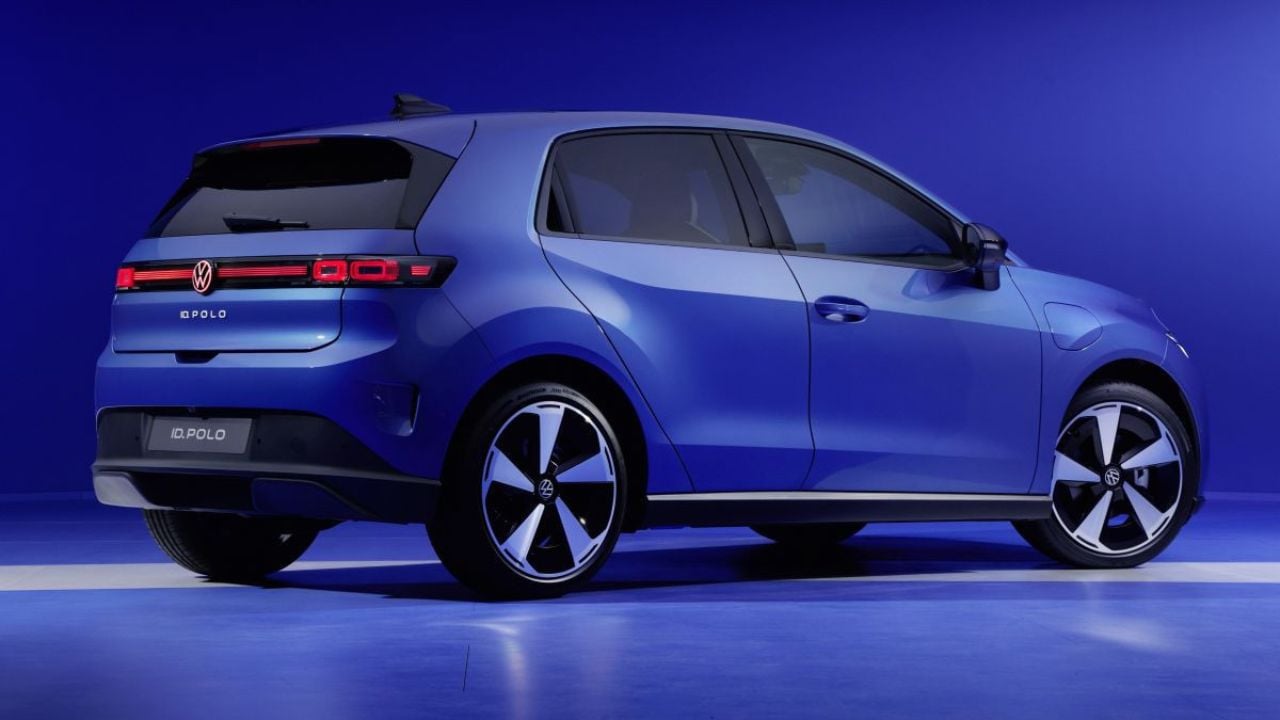
Volkswagen Group is preparing to tighten its cost-cutting measures further, according to internal management information seen by the German news agency Deutsche Presse Agentur. The document suggests that the savings achieved so far have not been enough, while the company is still not generating sufficient income.
The next stage of savings is expected to be supported by a new strategy running through 2030. Among other things, that plan calls for a more streamlined product portfolio and a reduction in excess production capacity.
“We have to fundamentally change our business model and achieve structural, sustainable improvements,” Chief Financial Officer Arno Antlitz is quoted as saying in a message to top management. Volkswagen has already saved billions through efficiency programs across individual brands, but the planned measures have not yet gone far enough.
The company also points to geopolitical crises as another reason to keep reducing costs and strengthen its resilience.
Specific Measures Have Not Yet Been Announced
Volkswagen has not yet released details about the next cost-cutting steps. According to Manager Magazin, the supervisory board discussed a management report on the restructuring program and the current state of savings on Monday.
Sources close to the group said no decisions were made during that meeting. It was described as an informational session, where the results of a new analysis by Boston Consulting Group were also presented.
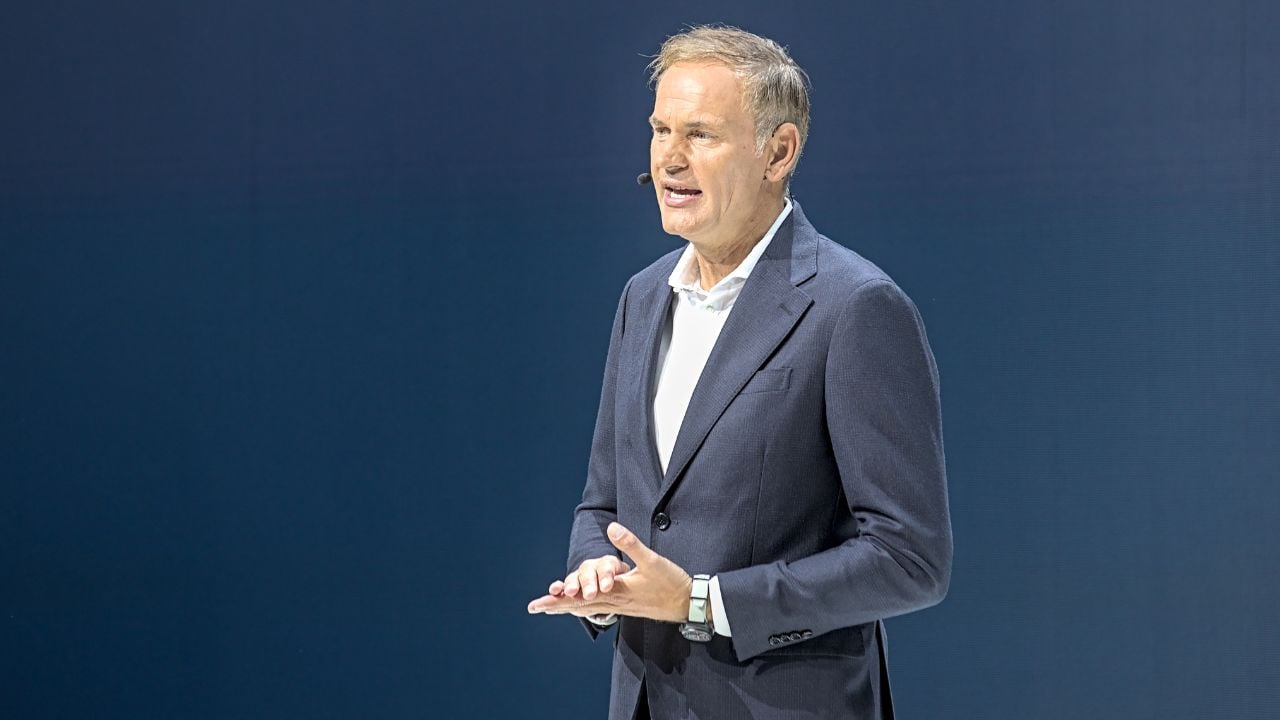
Volkswagen Group CEO Oliver Blume had already announced a new “target picture Volkswagen 2030” last month while presenting financial results. He said the old business model, “which carried us for decades,” no longer works in the same way.
Blume described the years through 2030 as a transformation period that will require unpopular measures, including lower capacity and reduced costs.
“Volkswagen Group has a strong foundation,” the latest internal information quotes Blume as saying. “However, we are currently not earning enough from our vehicles to finance our own future in the long term,” he added.
A Simpler Portfolio And Fewer Platforms
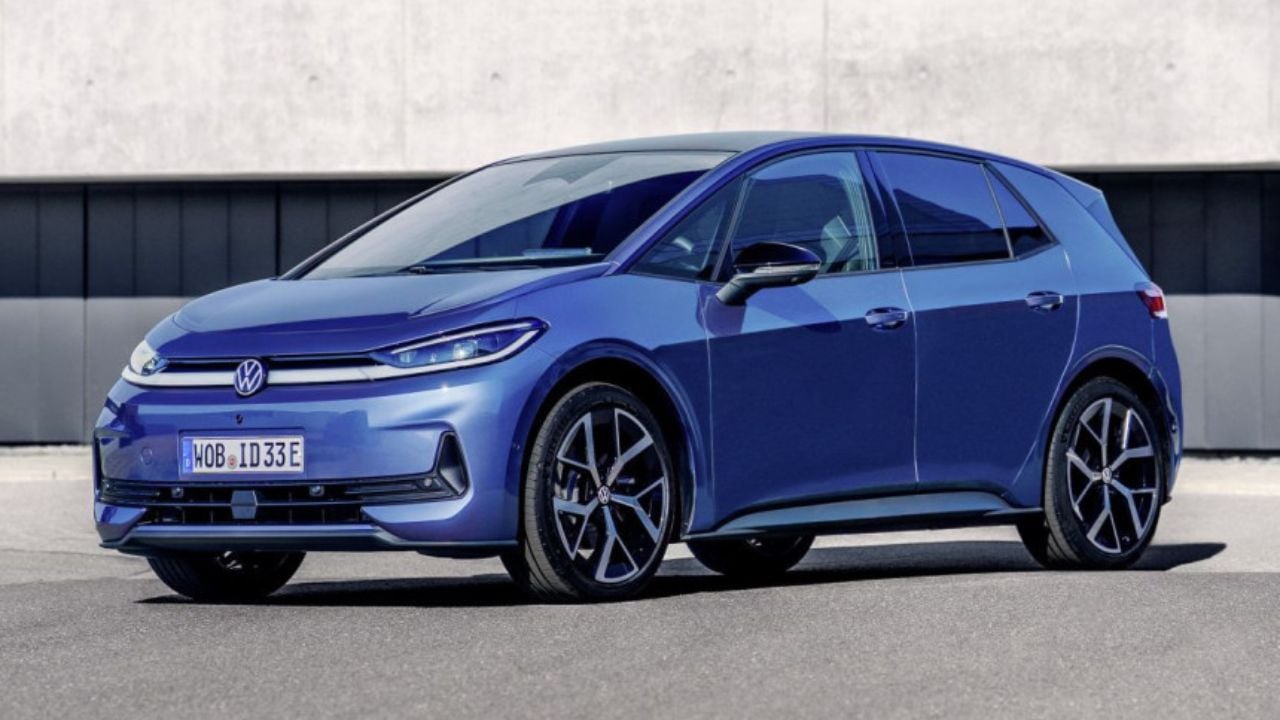
Blume named several key elements of the new strategy. Volkswagen wants a simpler and more focused product portfolio, with fewer platforms and technologies.
The company also wants a clearer division of responsibilities between the group, individual brands, and regional business units. In the future, resources are expected to flow more directly toward areas that create the greatest value.
While Porsche CEO Michael Leiters described the current challenges as an opportunity to return to former strength, Audi CEO Gernot Döllner gave a far more dramatic assessment.
“This is no longer about individual models or market shares here or there,” Döllner said. “This is about the survival of the German auto industry.”
Volkswagen Wants To Cut Global Capacity
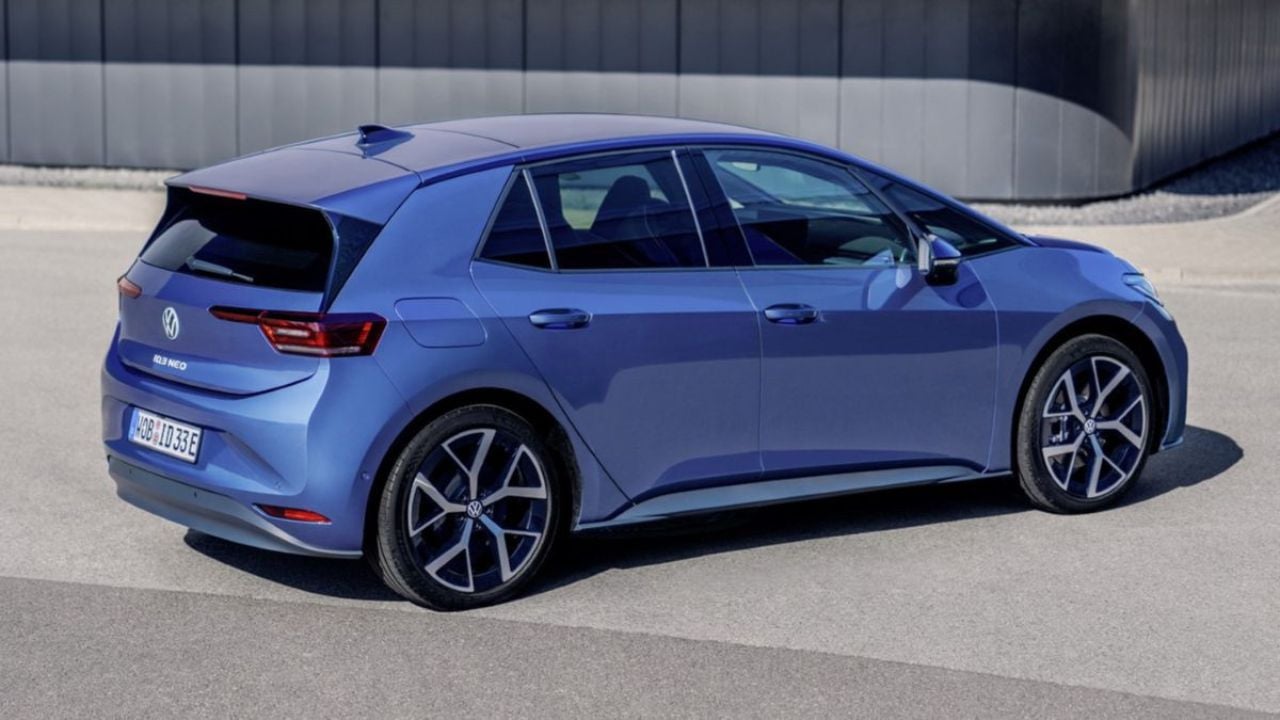
Blume had already discussed excess capacity a few days earlier in an interview with Manager Magazin. Because of the difficult market environment, Volkswagen plans to reduce its global production capacity by around 1 million vehicles.
The planned target of producing 9 million vehicles per year is almost exactly in line with the group’s current sales level. In 2025, Volkswagen Group delivered 8.98 million vehicles worldwide across all of its brands.
“Excess capacity is not sustainable for our company in the long term,” Blume said, adding that production plans from the past are “unrealistic” under today’s market and competitive conditions.
When asked whether the capacity reduction could include factory closures, he did not give a specific answer. He did say, however, that “there are more intelligent methods than immediately closing a plant.”
Lower Saxony Opposes Plant Closures
Lower Saxony’s state premier, Olaf Lies of the SPD, spoke out clearly against possible plant closures last weekend in an interview with Welt am Sonntag. At the same time, he acknowledged that Volkswagen must adapt to market conditions.
Lower Saxony holds 20% of Volkswagen Group’s voting rights and has veto power over key decisions. Lies, who is also a member of the supervisory board, previously suggested examining whether Chinese vehicles could be produced in German Volkswagen plants.
That proposal reflects the scale of the pressure facing the group. Volkswagen has to reduce costs, use its factories more efficiently, and respond to stronger global competition, especially from China.
Job Cuts Are Already Underway
As part of its existing savings program, Volkswagen is already reducing its workforce in Germany by around 50,000 positions. That figure includes the core Volkswagen brand as well as Audi and Porsche.
At the Volkswagen brand alone, around 35,000 jobs are expected to be eliminated.
Under an agreement with the IG Metall union, compulsory layoffs for operational reasons are ruled out until 2030. The reduction in staff will therefore be carried out mainly through early retirement programs and severance packages.
For Volkswagen, the message is becoming increasingly clear. The group still has scale, engineering strength, and powerful brands, but its cost structure and production plans were built for a market that no longer exists in the same form. The next phase of its transformation will be about making the company smaller where necessary, faster where possible, and profitable enough to fund its future.
This article originally appeared on Autorepublika.com and has been republished with permission by Guessing Headlights. AI-assisted translation was used, followed by human editing and review.