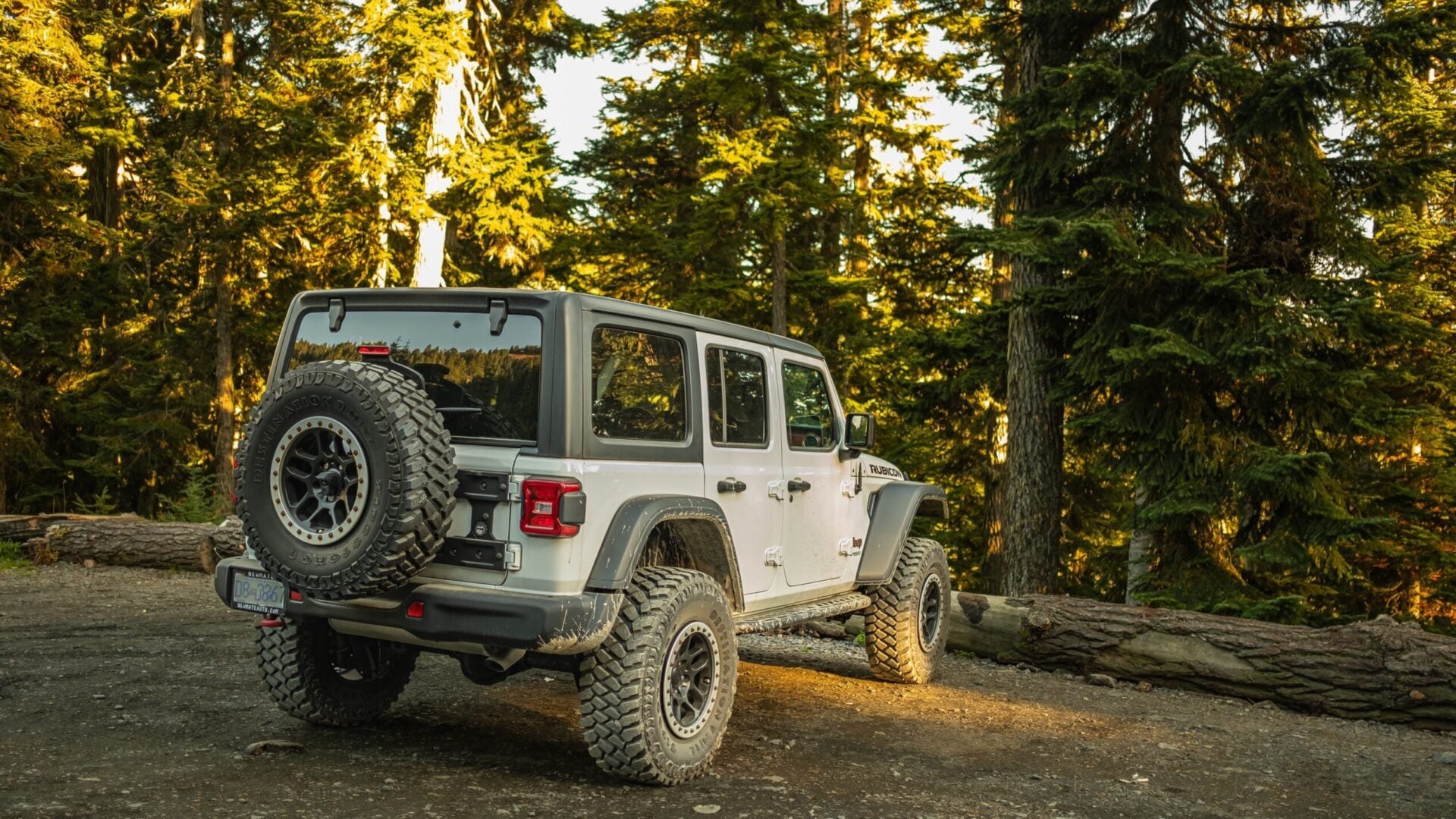
Off-roading is no longer a niche hobby reserved for dedicated trail rigs and weekend enthusiasts. A new survey from Hankook Tire suggests that interest in leaving the pavement has expanded across a much broader section of the American driving public.
According to the latest Hankook Gauge Index, 64% of U.S. drivers say they are interested in taking an all-terrain or off-road adventure. That figure is nearly double the 34% recorded in the previous year’s survey.
Younger drivers are leading the shift, although enthusiasm extends well beyond Gen Z and Millennials. SUVs remain the preferred vehicle for these trips, while gasoline power still holds a commanding advantage over electric alternatives.
The findings also highlight what drivers value once the pavement ends. Wooded trails rank as the most appealing destination, while traction across changing surfaces is the most important tire characteristic for many respondents.
Off-Road Interest Nearly Doubled in One Year
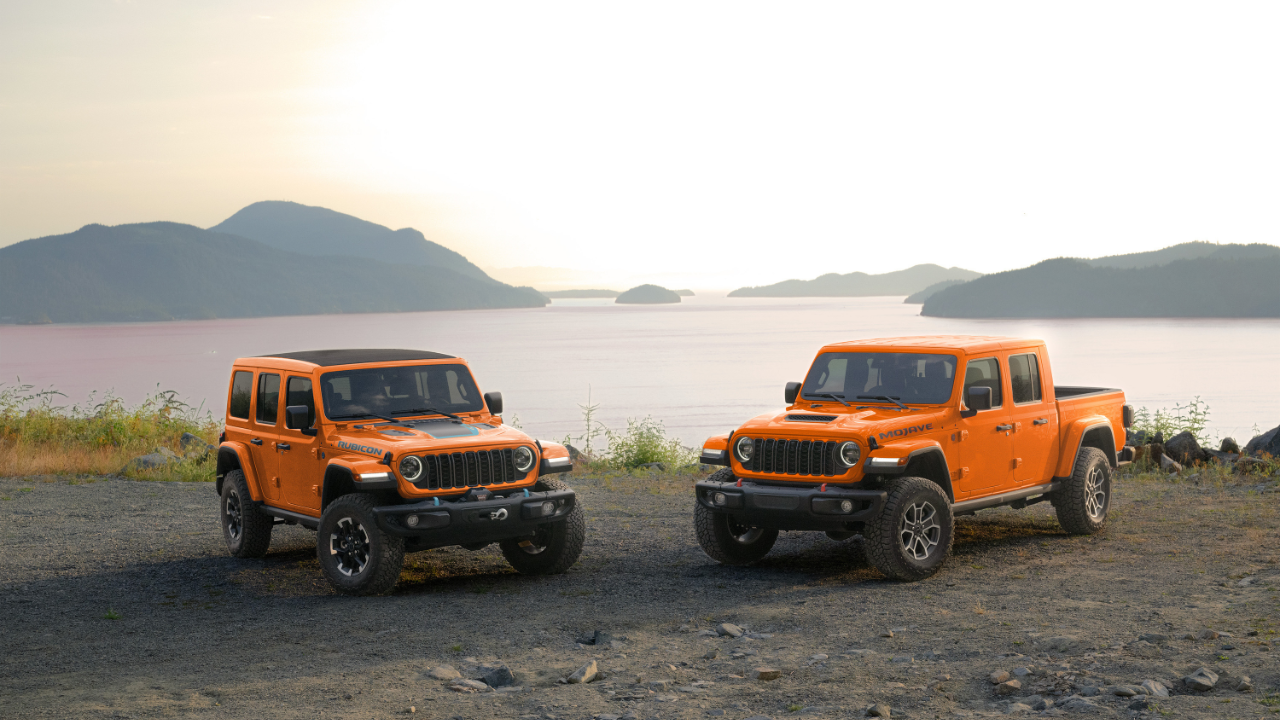
Hankook’s survey found a dramatic year-over-year increase in the number of drivers who want to explore dirt roads, trails, mud, sand, and other unpaved terrain. The 30-percentage-point jump suggests that rugged capability is becoming increasingly important to mainstream buyers, not only traditional off-road enthusiasts.
The study surveyed 1,000 randomly selected American drivers aged 18 and older between June 5 and June 8, 2026. Hankook has conducted its Gauge Index research since 2014 to track changes in driver behavior and automotive preferences.
Younger Drivers Show the Most Enthusiasm
Gen Z respondents expressed the strongest interest, with 74% saying they would like to take an off-road trip. Millennials followed closely at 72%, reinforcing the idea that younger buyers increasingly associate vehicle ownership with recreation and adventure.
Interest remained substantial among older groups as well. The survey found that 57% of Gen X drivers and 42% of Baby Boomers would consider an all-terrain excursion.
The gap between generations was also visible in destination preferences. Younger drivers showed greater interest in desert terrain, while older respondents were more likely to favor wooded routes.
Forest Trails Are the Preferred Destination

Wooded trails were the clear favorite, selected by 45% of respondents. Desert driving placed a distant second at 17%, with rocky landscapes, sand, mud, and other environments dividing the remaining interest.
Gen X and Baby Boomers showed the strongest preference for forested routes, at 50% and 49%, respectively. Gen Z and Millennials were slightly less focused on wooded trails, while 20% of Gen Z and 21% of Millennials preferred desert environments.
The appeal of wooded routes may reflect their wider availability across much of the country. Forest roads and maintained trail systems can also offer a more approachable introduction to off-roading than steep rock crawling or deep sand.
SUVs Beat Pickups for Off-Road Trips
When asked to choose an ideal off-road vehicle, 52% of respondents selected an SUV. Pickup trucks were the second choice at 36%, while a much smaller group said they would attempt the trip in a sedan.
The SUV result reflects the enormous growth of crossovers and utility vehicles across the American market. Many modern SUVs combine family-friendly cabins with all-wheel drive, increased ground clearance, drive modes, and factory off-road packages.
Pickups still held considerable appeal, particularly for drivers who value durability, towing ability, and cargo capacity. However, the SUV’s enclosed storage, passenger space, and everyday comfort appear to make it the preferred all-around adventure vehicle.
Gasoline Still Dominates Trail Preferences
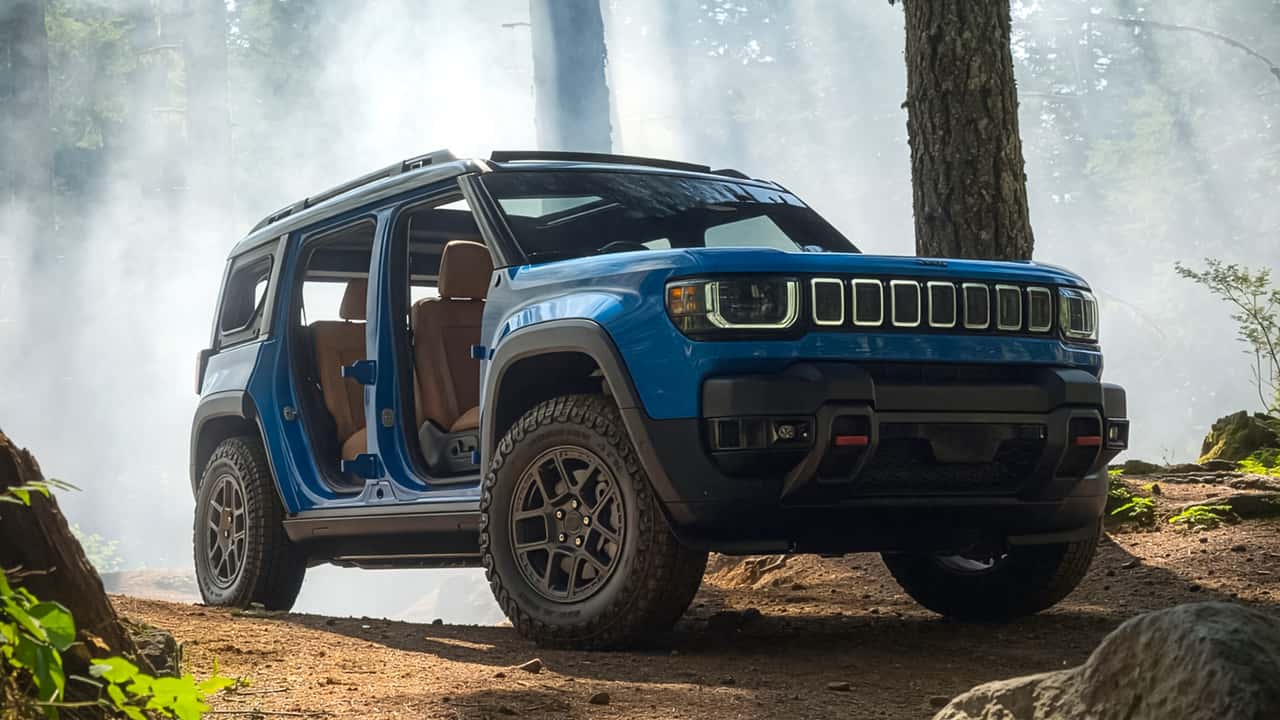
Despite the growing number of electric SUVs and pickups, most respondents preferred gasoline power for off-road use. Among those choosing an SUV, 79% favored a gas-powered model, while 87% of pickup supporters selected internal combustion.
Even among respondents who chose a sedan, 69% preferred gasoline over electric power. The results suggest that charging access, driving range, towing demands, and familiarity may still influence powertrain choices away from paved roads.
Electric off-road vehicles continue to improve, and their instant torque can be valuable on difficult terrain. However, the survey indicates that many drivers remain more comfortable relying on gasoline when traveling into remote areas.
Traction Is the Top Tire Priority
Tire performance also played a major role in how respondents prepared for an off-road trip. Forty-two percent identified traction across varying surfaces as the most important quality in an all-terrain tire.
Durability and performance over rough terrain were also significant considerations. Those priorities make sense, since even a capable four-wheel-drive vehicle can struggle when its tires are poorly suited to mud, loose gravel, sand, or wet rock.
Hankook says the findings will help guide development of products such as its Dynapro SUV and pickup tire range. The broader takeaway is that off-road interest is growing quickly, and automakers and tire manufacturers are likely to keep responding with increasingly rugged products aimed at drivers who want their next road trip to continue after the road ends.