General Motors still makes most of its money by building and selling vehicles, but its most attractive margins are increasingly coming from monthly software payments. According to Carscoops, the company says its software and services operations retain roughly 70 cents from every dollar of revenue they generate.
That stands in sharp contrast with the economics of traditional vehicle sales, where automakers may keep only 4 to 10 cents from each revenue dollar after accounting for manufacturing, logistics, incentives, labor, and other costs. The difference explains why GM and its rivals are placing so much attention on recurring digital revenue.
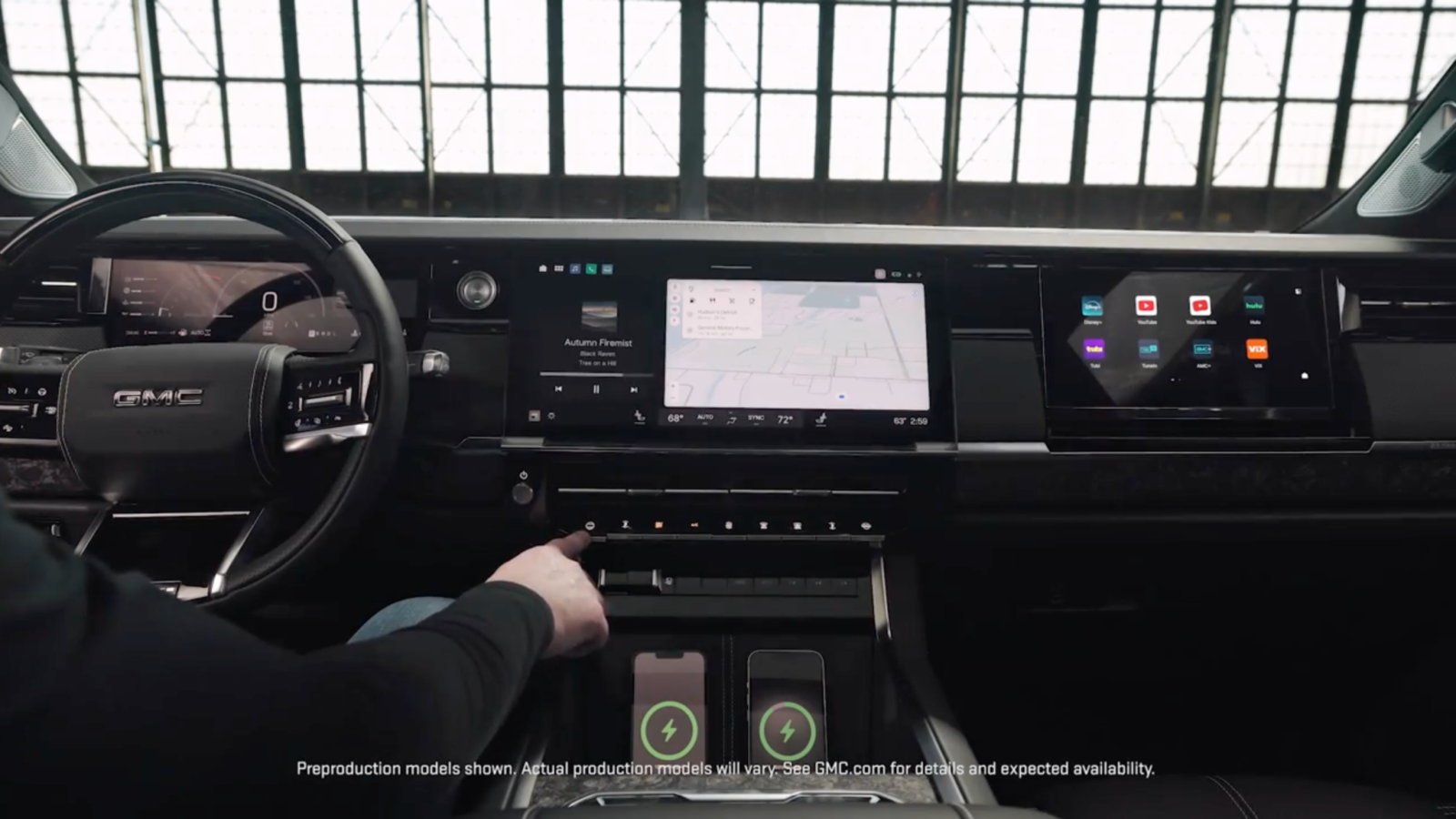
Connected services such as OnStar and hands-free driving systems such as Super Cruise give automakers a way to continue earning from a vehicle long after it leaves the dealership. Once the hardware and software platform are installed, each additional subscriber can contribute revenue without the expense of building another car.
For drivers, the shift means the cost of ownership may increasingly extend beyond monthly loan payments, fuel, insurance, and maintenance. Features that once might have been bundled permanently into a vehicle are becoming services that require regular payments to remain active.
Software Delivers Far Higher Margins
Building a vehicle remains an expensive and complicated process. Automakers must pay for raw materials, assembly plants, workers, batteries, engines, shipping, warranties, dealer incentives, and regulatory compliance before any profit is recorded.
Software services avoid many of those costs once the underlying platform has been developed. GM’s reported margin of about 70 percent makes subscriptions especially appealing because the company can earn repeated payments from the same customer without producing another physical product.
That recurring income also helps reduce dependence on the volatile vehicle market. New-car demand can rise or fall sharply with interest rates, economic conditions, fuel prices, and consumer confidence, while subscription revenue is typically steadier and easier to forecast.
OnStar Has Become a Major Business
OnStar is one of GM’s longest-running connected services, although its role has expanded considerably beyond emergency assistance. The platform now includes navigation, remote vehicle access, security features, connectivity, and other digital services.
OnStar generated roughly $800 million in revenue during the second quarter. GM expects the service to approach 13 million subscribers, giving it a large base of customers capable of generating ongoing income.
The scale of that business shows why automakers no longer view software as a minor accessory. Even relatively small monthly charges can become significant when they are collected from millions of vehicles.
Super Cruise Adds Another Revenue Stream
Super Cruise is becoming another important part of GM’s subscription strategy. The hands-free highway driving system is often included with a complimentary trial period, after which owners must decide whether the convenience is worth an ongoing fee.
Many customers are reportedly continuing to pay after those trial periods expire. Super Cruise currently costs $39.99 per month in some configurations, turning a feature already installed in the vehicle into a continuing source of revenue.
GM expects to have around 850,000 Super Cruise subscribers by the end of 2026. That would give the company another sizable recurring-revenue stream tied directly to vehicles already on the road.
GM Wants Less Dependence on Car Sales
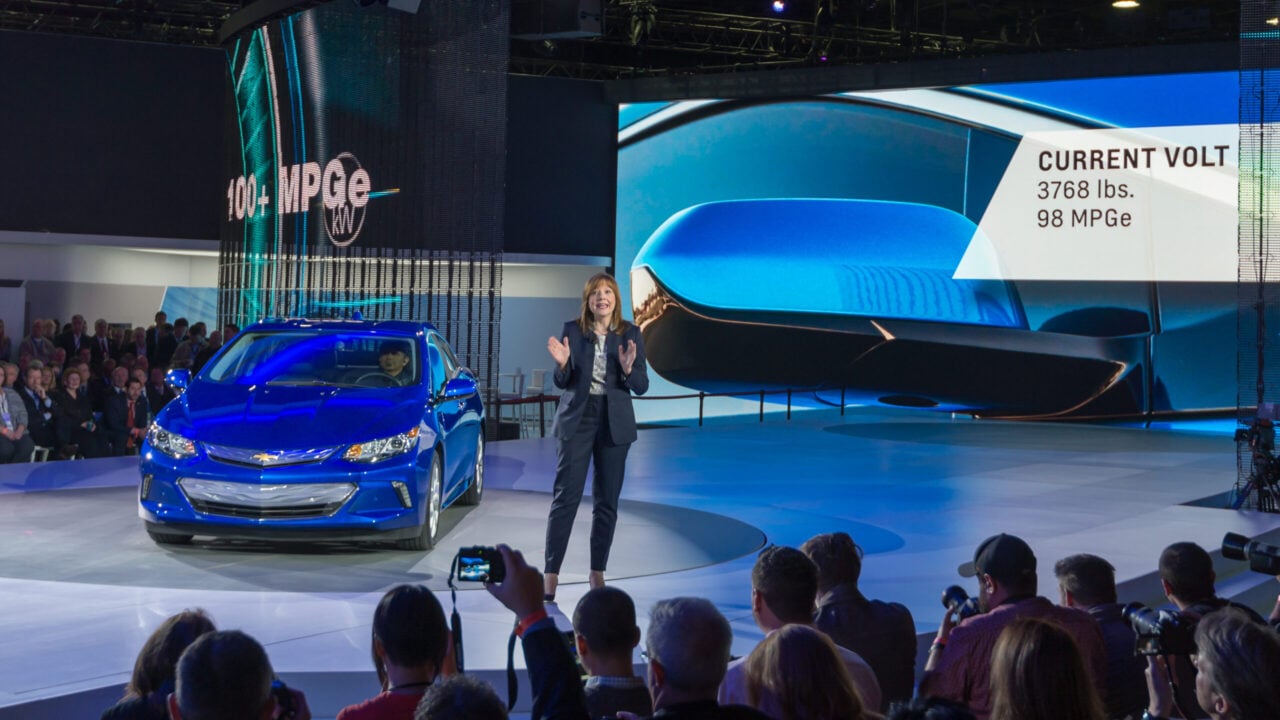
CEO Mary Barra has told investors that GM sees several opportunities to expand its software and services business. The bigger goal is to improve profitability while reducing exposure to the automotive industry’s familiar boom-and-bust cycles.
The strategy allows GM to earn from customers throughout the ownership period rather than relying almost entirely on the original transaction. A vehicle that remains on the road for a decade could potentially generate years of payments for driver assistance, connectivity, entertainment, security, and other digital features.
That model is especially attractive as vehicles become increasingly dependent on software. Modern cars already contain powerful computers, constant data connections, and electronic systems that can receive new functions through over-the-air updates.
The Rest of the Industry Is Following
GM is far from alone in pursuing subscription revenue. Ford charges for continued access to BlueCruise, while Tesla has increasingly emphasized subscription access to its Full Self-Driving software.
Mercedes-Benz, Audi, and BMW have also tested paid software upgrades and features that can be activated after purchase. In some cases, the required hardware is already installed, but the customer must continue paying to use it.
The financial logic is easy to understand from an automaker’s perspective. Selling a car may produce a modest one-time margin, while selling digital access can create a long-lasting relationship with much stronger returns.
Drivers may be less enthusiastic, particularly when subscriptions apply to features they believe should have been included in the purchase price. GM’s numbers make one thing clear, however: recurring software payments are becoming too profitable for automakers to ignore.