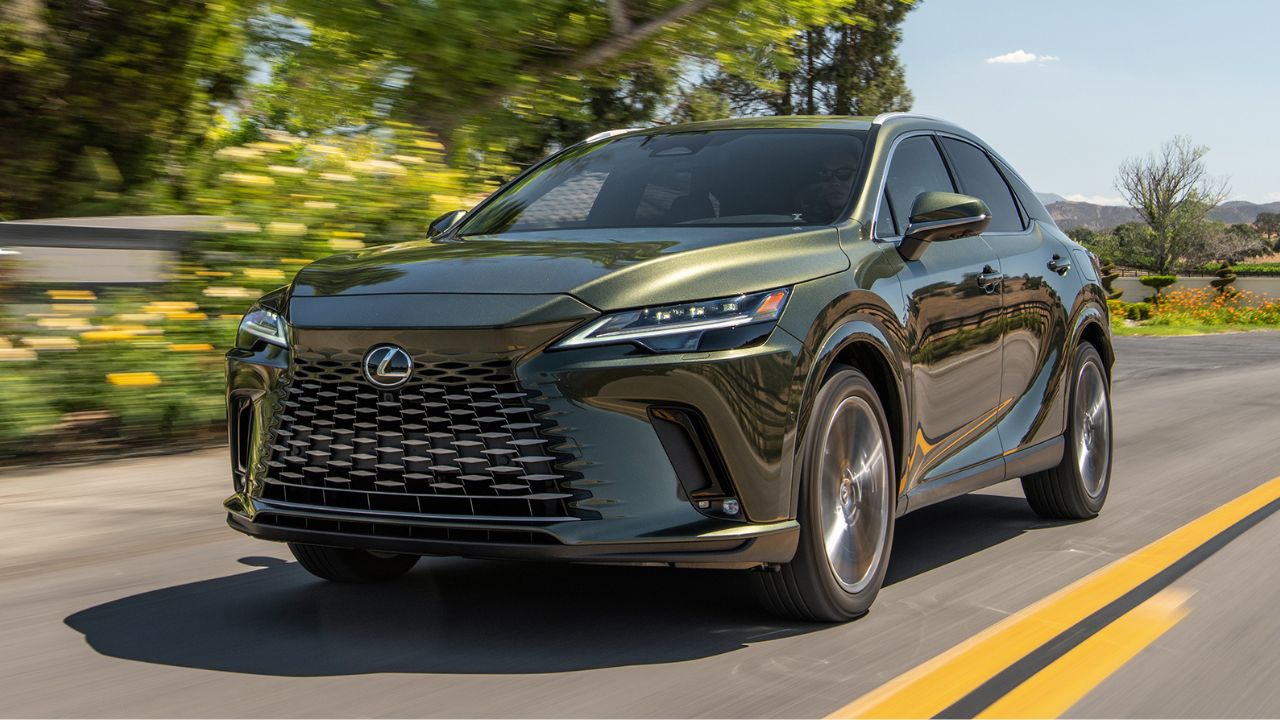
Lexus has earned another strong result in the United States, this time from the people responsible for selling its vehicles. As reported by Automotive News, the luxury brand ranked first overall in the National Automobile Dealers Association’s latest Dealer Attitude Survey.
The twice-yearly study measures how franchised retailers feel about the manufacturers they represent. Dealers evaluate their automakers across areas including communication, product support, responsiveness, and the overall value of the franchise.
Lexus led a top group that remained largely familiar, with Toyota, BMW, and Honda occupying the next three positions. The findings suggest that strong dealer relationships continue to give those brands an important advantage in a market where retailers face changing inventories, new technology, and rising operating costs.
Results were considerably less encouraging for several other manufacturers. Infiniti finished at the bottom of the ranking, while Jaguar, Alfa Romeo, Mitsubishi, and Nissan also remained near the lower end of the survey.
Lexus Leads a Familiar Top Four
The winter 2026 survey placed Lexus first overall, followed by Toyota in second, BMW in third, and Honda in fourth. Those four brands held the same positions as in the previous ranking, indicating that their retailer relationships have remained consistently strong.
For Lexus, the result reinforces a reputation for stability and careful brand management. Dealers generally benefit when an automaker offers desirable products, predictable communication, sensible inventory planning, and a franchise that retains strong long-term value.
Toyota’s second-place finish also shows that the positive relationship extends beyond the luxury division. The two brands continue to give their retailers a combination of broad consumer demand, recognizable products, and relatively dependable business conditions.
Subaru, Mazda, Buick, and GMC Move Up
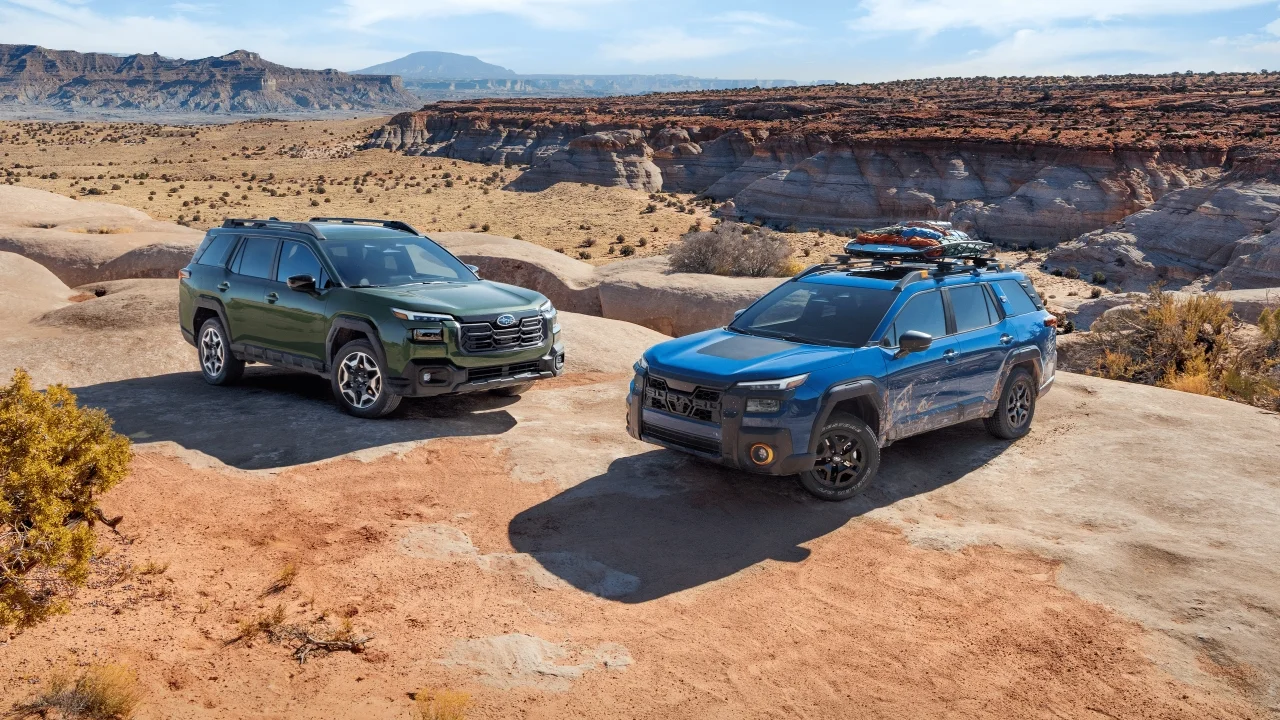
Several brands improved their positions by one place in the latest survey. Subaru climbed to fifth, followed by Mazda in sixth, Buick in seventh, and GMC in eighth.
The movement may reflect improving inventory conditions and better alignment between automakers and their retail networks. After years of supply interruptions, production shortages, and rapidly changing demand, a more stable flow of vehicles can make dealership operations considerably easier.
Dealer satisfaction is also influenced by how manufacturers respond to retailer feedback. Brands that communicate clearly about pricing, incentives, product launches, and facility requirements are generally better positioned to maintain confidence among franchise owners.
Porsche Falls as Dealers Raise Concerns
Porsche recorded one of the most notable declines, falling four positions to ninth. Dealers pointed to vehicle pricing and the cost of required facility upgrades as important concerns.
Premium dealerships can require significant investment in buildings, equipment, training, and customer-service standards. Those expenses become more difficult to justify when sales weaken or when retailers believe pricing is limiting demand.
Porsche still remained inside the top 10, which suggests its franchise continues to hold substantial value. However, the decline shows that a prestigious badge does not automatically guarantee retailer satisfaction when operating costs and market pressures begin to rise.
Mercedes-Benz Returns to the Top 10
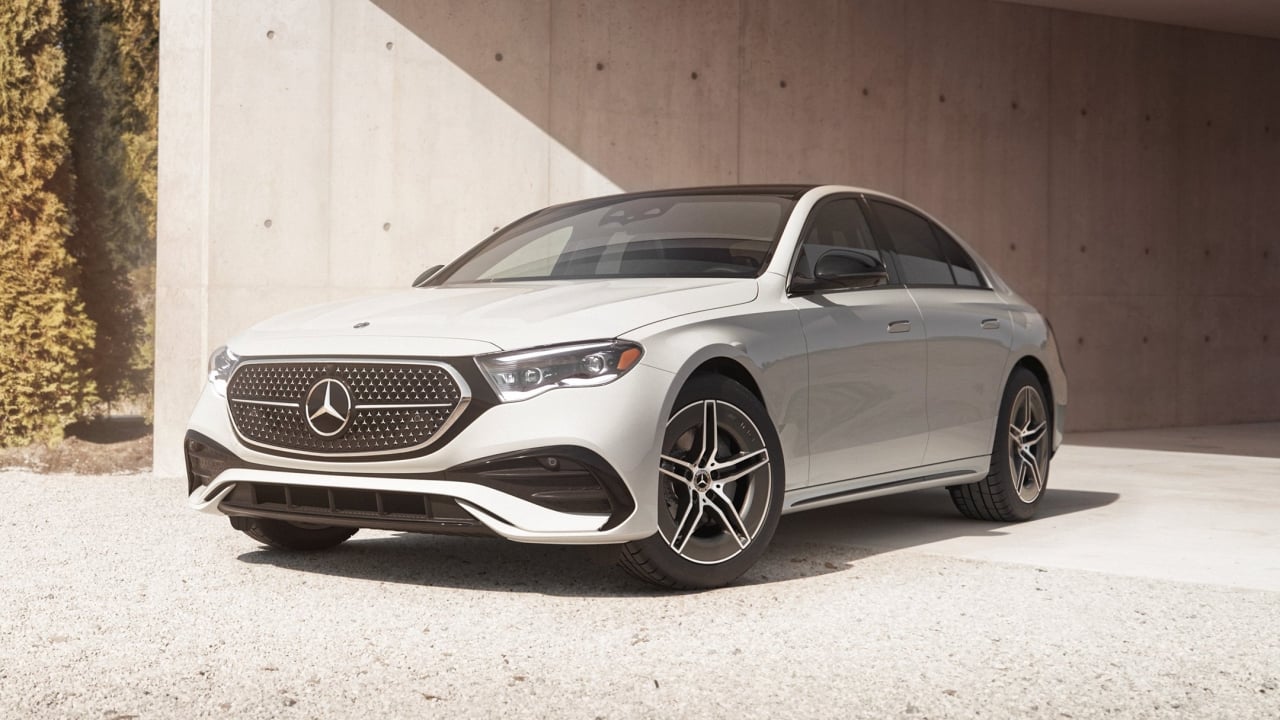
Mercedes-Benz secured the final position in the top 10, moving ahead of Cadillac. The result marked the brand’s first return to the leading group since 2022.
That improvement suggests Mercedes has made progress addressing some of the issues that previously frustrated its U.S. retail network. Clearer product planning and closer dealer cooperation can be especially important as luxury brands balance electric vehicles, combustion models, software services, and changing customer expectations.
Cadillac narrowly missed the top group, although its position still left it well ahead of several struggling premium competitors. The closeness of the ranking shows how quickly dealer sentiment can change when manufacturers adjust pricing, incentives, or franchise policies.
Infiniti Finishes at the Bottom
Infiniti ranked last overall, placing behind Jaguar, Alfa Romeo, Mitsubishi, and Nissan. Its position reflects the challenges facing a luxury brand with an aging or limited product range and a smaller presence than many established competitors.
A weak dealer ranking can create problems beyond retailer morale. Dissatisfied franchise owners may become less willing to invest in facilities, marketing, staffing, or expanded inventory, making it harder for a brand to improve its market position.
Nissan’s appearance near the bottom adds another concern for the wider company. Stronger products may help, but rebuilding dealer confidence usually requires consistent communication, competitive pricing, and a clear long-term strategy.
Dealer Relationships Are Important
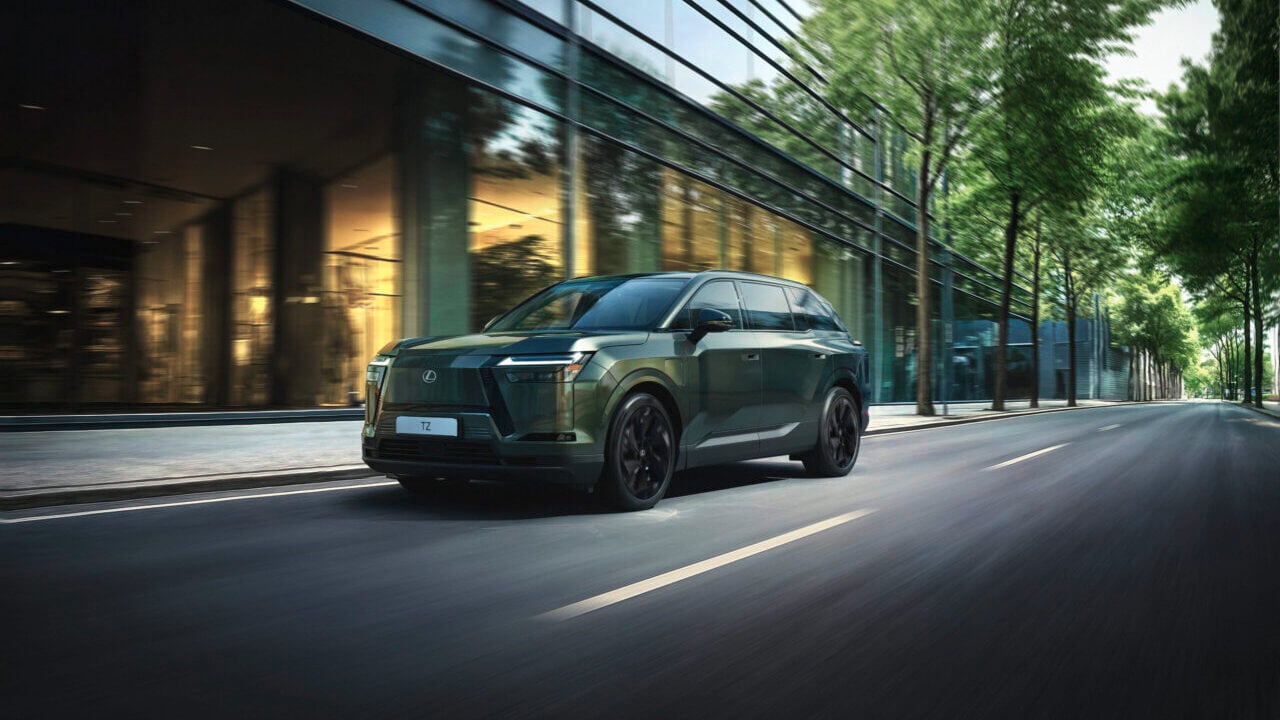
The survey was conducted from February 2 through February 26 and collected around 16,000 responses from new-vehicle dealers. The results were distributed to NADA members and participating automakers during the spring, while the association’s summer survey continued through July 30.
Dealers remain one of the most visible connections between automakers and customers, handling sales, financing, service, warranty work, and ownership support. A strong relationship with those retailers can improve the customer experience while giving manufacturers valuable feedback from the showroom floor.
Lexus’ first-place finish therefore represents a business advantage, not simply another industry award. As competition intensifies across luxury and mainstream segments, keeping dealers confident and profitable may prove almost as important as keeping buyers satisfied.