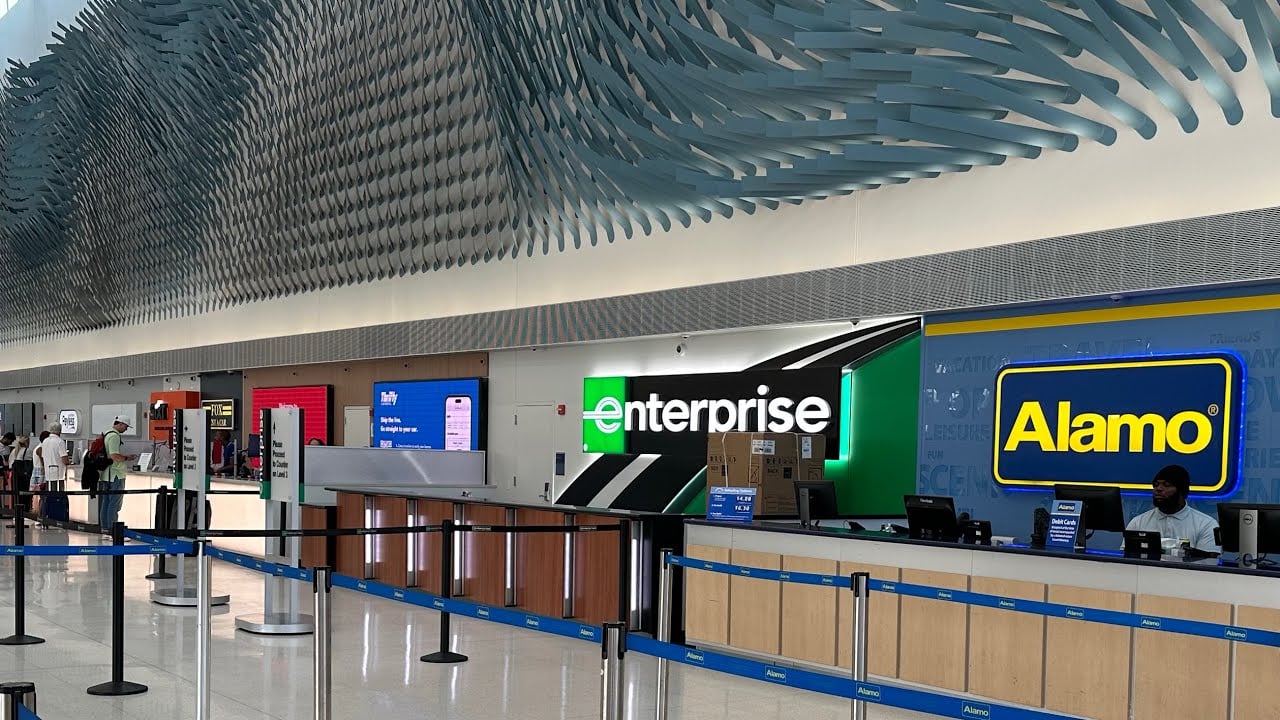
Rental car companies have a well-earned reputation for playing fast and loose with charges, and travelers who don’t come prepared often end up paying the price. Whether it’s a mystery scratch that appeared out of nowhere, a refueling fee you swear you didn’t deserve, or a late return charge for a car you dropped off on time, the disputes can feel endless and exhausting. The frustrating part? The burden of proof almost always lands on the customer, not the company.
That’s exactly what one traveler discovered after a national parks road trip turned into a billing nightmare at a small airport in Colorado. Content creator Leanna Coy shared her experience on TikTok, where the video has racked up around 96,000 views, and her story resonated with anyone who has ever stood at a rental counter wondering if they were about to get taken for a ride.
Coy returned her rental car well before her noon deadline, at 11:39 a.m., only to find no staff at the counter and no designated return lot. She asked an employee from a nearby counter for guidance, was directed to use the key drop box, and did exactly that. The next morning, she checked her receipt and found a charge of roughly $100 for a late return. When she called the rental company, she was told the drop box keys wouldn’t be processed until the following day, which apparently made her return officially “late” in their system.
What happened next is the part worth paying attention to. Because Coy had a screenshot of her dashboard showing the return time, a gas receipt timestamped before the deadline, her flight itinerary, and proof she had already boarded a plane out of Colorado when the company claimed she still had the car, she had everything she needed to fight back. She got her money back. And now she has a tip she wants every renter to hear.
Always Film Your Rental Car, Both at Pickup and Drop-Off
@leannacoy Never trust a rental car company📝 Happy to say this worked out though so I no longer have beef with this one #rentalcar #solotrip ♬ City – Key Kam
Coy’s advice is simple and costs nothing but about two minutes of your time. When picking up a rental, take a video walkthrough of the entire car. When returning it, do the same thing. The timestamp embedded in that footage becomes your receipt, your evidence, and your insurance policy all in one.
This is especially important at unstaffed return locations, after-hours drop boxes, or smaller regional airports where there may not be anyone present to confirm what time you actually handed over the keys. In those situations, the company’s internal log is the only record that exists, and as Coy found out, that log does not always work in your favor.
Commenters on her video were quick to extend the advice even further. One person suggested filming yourself actually placing the keys in the drop box so the video clearly captures both the handoff and the time it happened. Another pointed out that this same documentation habit applies equally well to Airbnbs and other short-term rentals, any situation where you’re returning someone else’s property and need proof of its condition.
What Else Should You Be Documenting at Every Rental?
A video walkthrough is a great start, but it’s only one piece of a thorough documentation strategy. Travel experts recommend treating your rental car paperwork the way you would treat a lease agreement, with careful attention to what is and is not already noted before you sign anything.
At pickup, photograph every scratch, scuff, and ding on the vehicle, even tiny ones. If anything is not already documented on the rental agreement, ask staff to add it before you leave the lot. At drop-off, photograph the car again in the same systematic way. Hold onto your gas receipt as proof you filled the tank, and do not toss it until your credit card statement has been reviewed and cleared.
A thorough return checklist also includes removing all personal belongings (chargers and sunglasses have a way of disappearing under seats), checking the odometer if your contract included a mileage limit, and returning the car on time. Most rental companies allow only about a 30-minute grace window before tacking on a full extra day’s charge. Before you walk away from any return, staffed or not, ask for a final receipt or condition report and keep a copy.
One commenter shared their own version of this lesson: their rental receipt showed a full tank, but the car they received was only a quarter full. They took a photo, called the company, and eventually secured a refund because they had the picture to prove it.
What We Can Learn From This Incident
Coy’s story is a useful reminder that in the world of rental cars, good faith only goes so far. The company’s systems are built to protect the company, and customers who walk away assuming everything will sort itself out are the ones who end up disputing charges they should never have been issued in the first place.
The bigger takeaway is that documentation is not about distrust. It is about protecting yourself in a system where disputes default to whoever has the most evidence. A 90-second video at pickup and another at drop-off creates a timestamped record that no customer service representative can easily argue with. Screenshots, receipts, and boarding passes are all supporting documents worth saving until you have confirmed your final statement.
The inconvenience of pulling out your phone for two minutes is nothing compared to spending an afternoon on hold trying to claw back $100 from a faceless headquarters line. Ask Leanna Coy.
The Bigger Problem With Rental Car Accountability
Coy’s situation also highlights a structural gap in how rental car returns are handled, particularly at smaller airports and off-peak hours. When there is no staff present and no formal check-in process, the burden of proving a timely return falls entirely on the customer by default, even when the company’s own infrastructure is what created the ambiguity.
Using a drop box because a company’s counter is unstaffed and then being charged for a late return because that drop box is not processed until the next business day is the kind of catch-22 that would be almost funny if it did not cost people real money. Coy did everything right. She returned the car early, asked for guidance, and followed the instructions she was given. The charge was still issued automatically.
Until rental companies take more responsibility for the gaps in their own return systems, travelers who want to protect themselves have one reliable option: document everything, keep every receipt, and never assume the paperwork will sort itself out on its own.