Toyota spent April moving on several fronts at once. Europe got a new RAV4, a new software hub in Poland, and a clearer look at how the company wants hybrids, connectivity, and regular product updates to reinforce one another.
That broader push matters because Toyota has remained more measured than some rivals on full battery electric expansion while continuing to lean heavily on hybrid demand and a multi-pathway strategy in Europe.
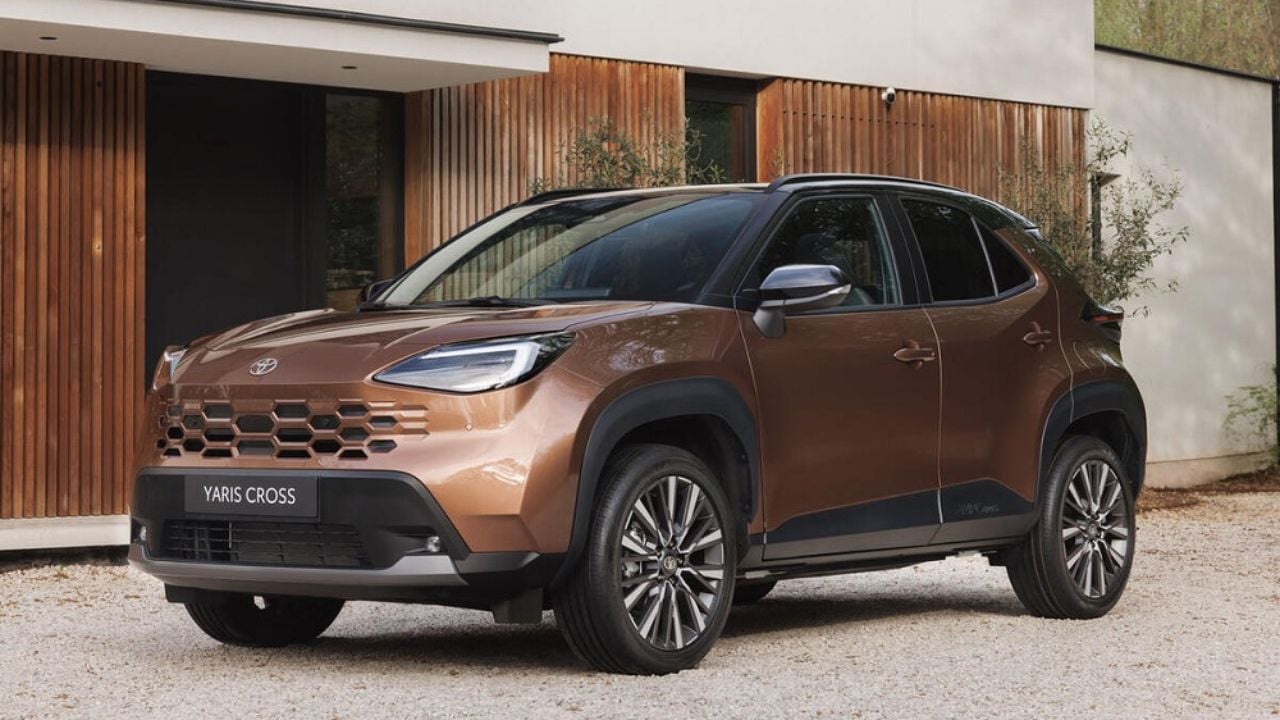
Even so, the model that drew the most attention this month was not the larger family SUV. It was the refreshed 2026 Yaris Cross, the compact crossover Toyota says is now its best-selling vehicle in Europe.
For American readers, that makes this update especially interesting, because it shows how Toyota is refining one of its most important European nameplates in a segment where practicality, efficiency, and size matter just as much as style.
Toyota’s April Momentum
Toyota’s month started with the European introduction of the sixth-generation RAV4, a model that now moves forward with hybrid and plug-in hybrid powertrains, fresh software capability, and a stronger digital focus. The company is treating the new RAV4 as more than a routine replacement, framing it as a major step in connected technology and electrified driving.
At nearly the same time, Toyota Motor Europe opened a new digital hub in Wrocław, Poland. The site is expected to employ around 200 specialists working on apps, cloud infrastructure, and cybersecurity for Toyota and Lexus connected services across Europe.
That combination helps explain why April felt unusually busy. Toyota was not just unveiling sheet metal; it was also reinforcing the software side of its European business at a moment when vehicle technology, remote services, and digital ownership features are becoming part of the sales story.
A Sharper Exterior Statement
The Yaris Cross first appeared in 2020 and reached European customers in 2021, and Toyota says it sold 200,000 units in the region in 2025 alone. That gives this facelift real weight, because it is updating a proven volume seller rather than trying to rescue a struggling model.
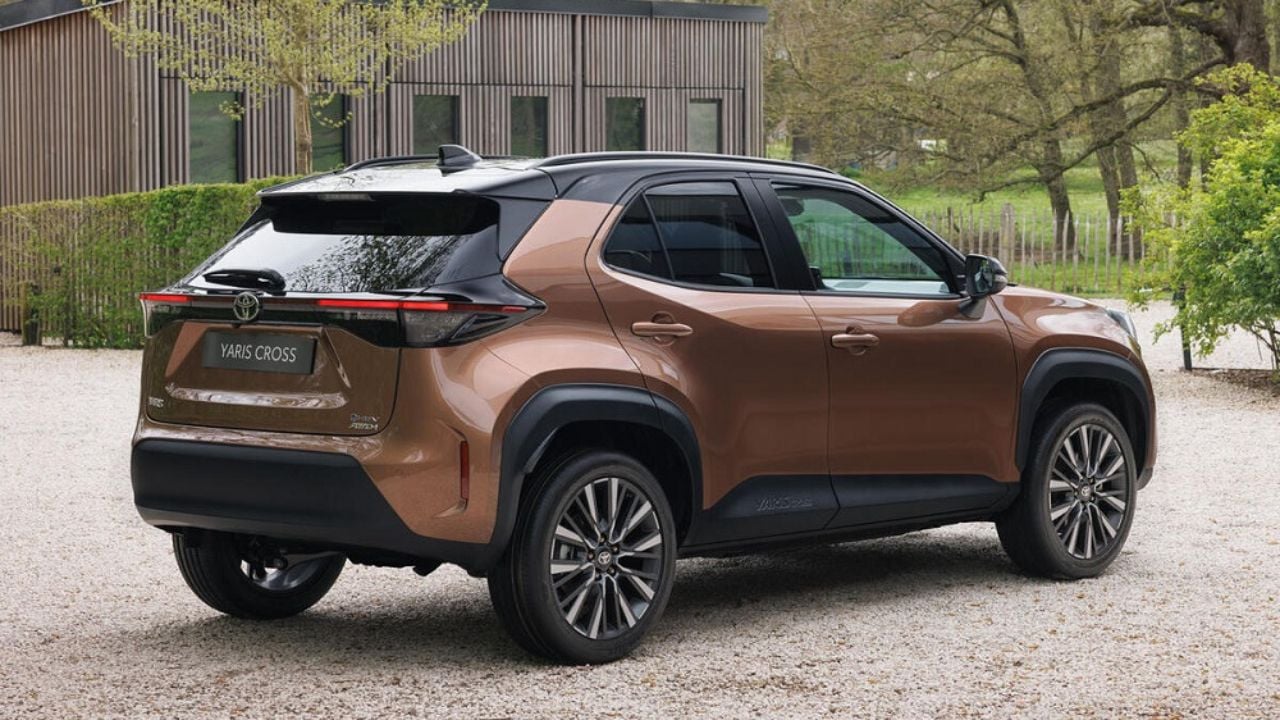
The visual changes are easy to spot. Toyota gave the front end a new body color grille with a honeycomb pattern, added redesigned LED headlights, and kept the lower section darker to preserve the crossover’s tougher stance. Higher trims also pick up new 17-inch or 18-inch wheels, depending on grade.
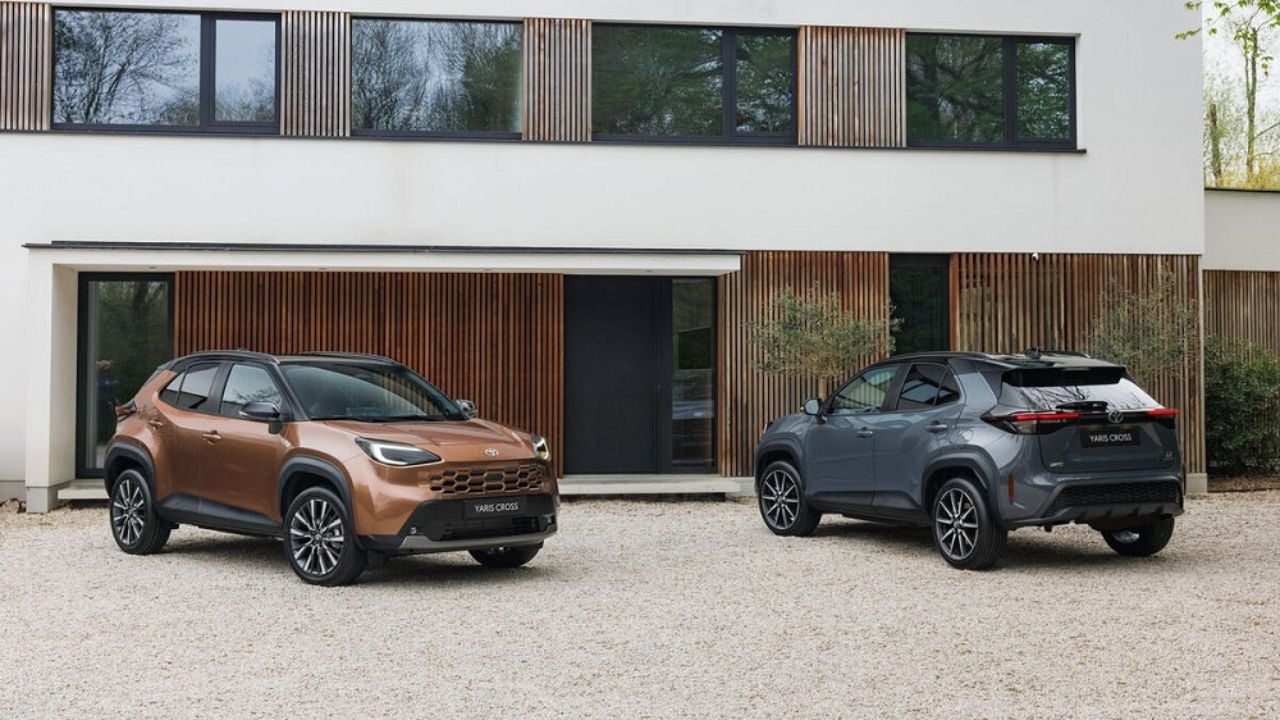
Toyota also expanded the color palette with Precious Bronze in a two-tone finish and Celestite Grey in place of the previous silver choice. The result is still recognizably Yaris Cross, but it looks cleaner, more mature, and closer in spirit to the brand’s newer European SUVs.
More Substance Inside
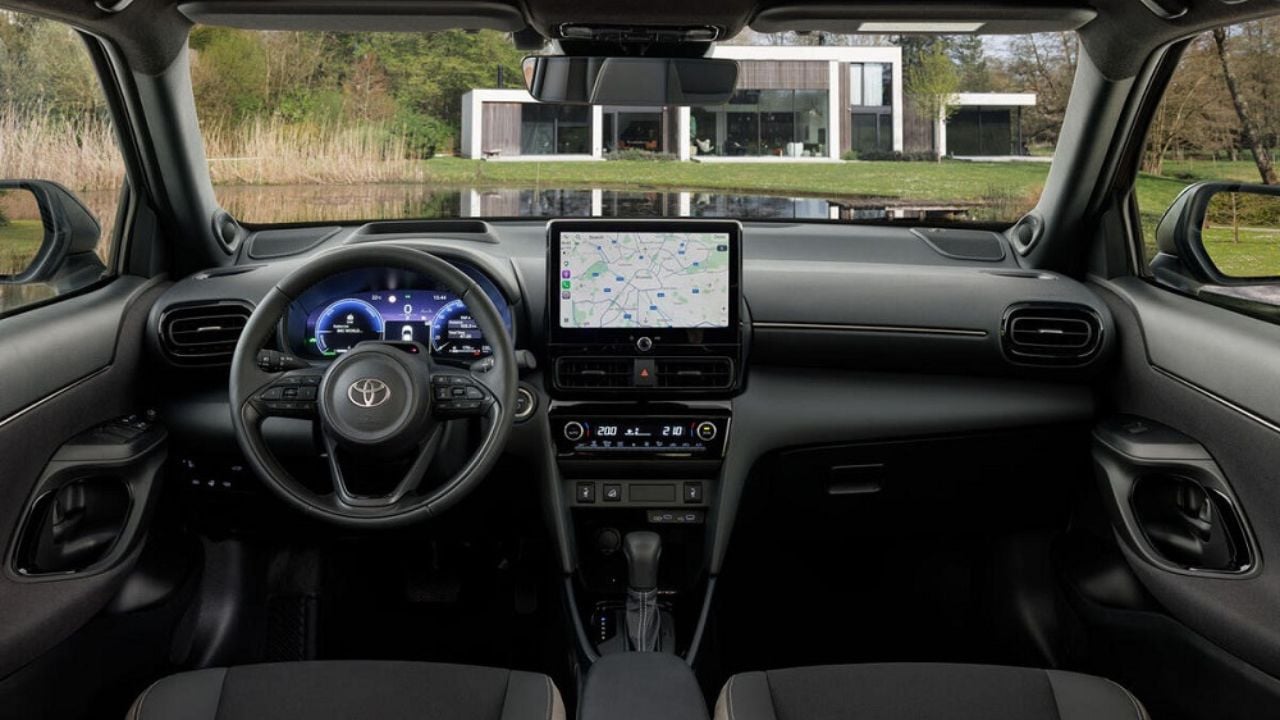
Inside, Toyota focused on details rather than dramatic reinvention. Platinum-colored trim on the doors and instrument panel gives the cabin a tidier, more upscale feel, while upgraded seats on the Mid+ grade bring better lateral support and a more premium look.
The most interesting material story sits higher in the range. Toyota says the high grade introduces partial leather trim with SakuraTouch, a material that uses plant-derived PVC, recycled PET, and waste cork, while cutting CO₂ emissions during material production by 95% compared with genuine leather.
Comfort equipment also moves upward in the lineup. Ambient lighting and a wireless charger are available from Mid+ and above; the power back door is standard on high grade, and automatically retracting exterior mirrors are fitted across the range.
Cleaner Hybrid Choices
Under the skin, Toyota has simplified the powertrain story. The main version is now the Hybrid 130, built around a 1.5-liter hybrid system with 130 HP, and buyers can choose either front-wheel drive or AWD, which uses an extra electric motor at the rear axle for added traction.
There is still a lower output option, but it has a narrower role. Hybrid 115 is now reserved for the base mid-grade in front-wheel-drive form, delivering a 116 HP system output and slightly better efficiency for buyers who care more about fuel savings than extra punch.
The GR Sport adds a sportier flavor, though not a totally different mission. It gets model-specific exterior pieces, retuned suspension, unique interior trim with red stitching, and the Hybrid 130 powertrain, but Toyota says this version is offered only with front-wheel drive.
Everyday Strengths Still Matter Most
What made the Yaris Cross successful in Europe has not changed. Toyota kept the 40:20:40 split rear seat arrangement, which is a genuinely useful feature in a small crossover because it gives owners more flexibility for passengers, luggage, or awkward cargo without forcing a move into a larger class.
Safety and usability remain central to the pitch as well. Toyota continues to bundle its driver assistance technology under the T-Mate umbrella, and the latest Yaris Cross keeps the emphasis on digital convenience through Toyota Smart Connect, cloud-based navigation, and wireless Apple CarPlay and Android Auto.
That is why this update looks well judged. Toyota did not try to reinvent the Yaris Cross, and it did not need to. Instead, it sharpened the design, improved the cabin, simplified the hybrid lineup, and gave one of Europe’s most important small crossovers a more polished version of the formula that already made it a hit.
This article originally appeared on Autorepublika.com and has been republished with permission by Guessing Headlights. AI-assisted translation was used, followed by human editing and review.