The end of America’s federal EV tax credit was supposed to hit electric car sales hard. And in many cases, it did. Once buyers could no longer count on up to $7,500 off, a lot of EVs suddenly looked much less appealing.
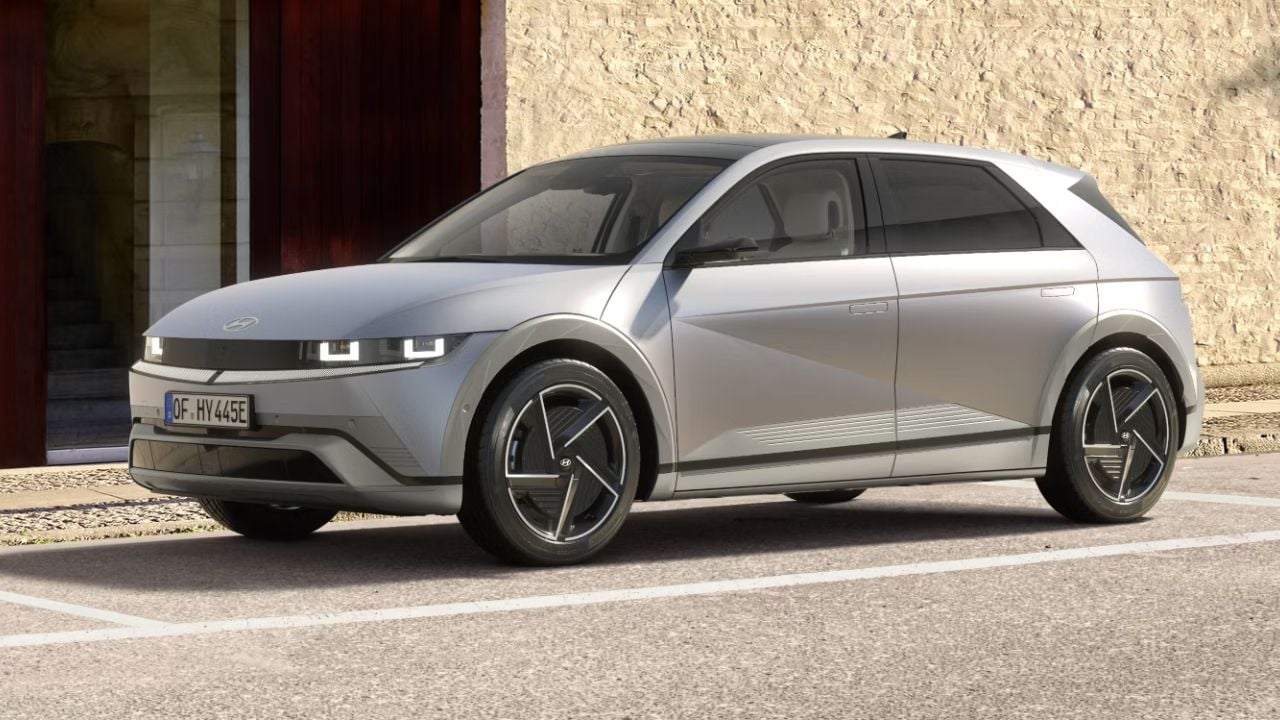
That is why the Hyundai Ioniq 5 stands out right now. While much of the U.S. EV market has been under pressure, Hyundai’s retro-futuristic crossover is still moving units like the incentive never disappeared.
The reason is not complicated. Hyundai saw the post-credit slowdown coming and attacked it with pricing. Instead of letting the Ioniq 5 drift upward in effective cost, the company slashed 2026 pricing hard enough to mimic the old tax-credit era.
The result is one of the clearest examples yet that EV demand does not disappear when incentives go away. It just gets brutally sensitive to value.
Hyundai Cut The Price So The Tax Credit Pain Hurt Less

Hyundai made the 2026 Ioniq 5 dramatically cheaper than before. Official pricing starts at $35,000 for the 2026 model, while Hyundai’s own release says the outgoing 2025 lineup had started much higher and carried a $7,500 cash incentive instead. In other words, Hyundai effectively baked tax-credit-sized savings into the new sticker price.
That strategy was brilliant because EV shoppers are extremely payment-sensitive. Hyundai did not just lower MSRP on paper, either. The company also pushed aggressive finance and lease offers, helping keep the Ioniq 5 looking like a strong deal even after federal incentives disappeared.
The Sales Numbers Back It Up
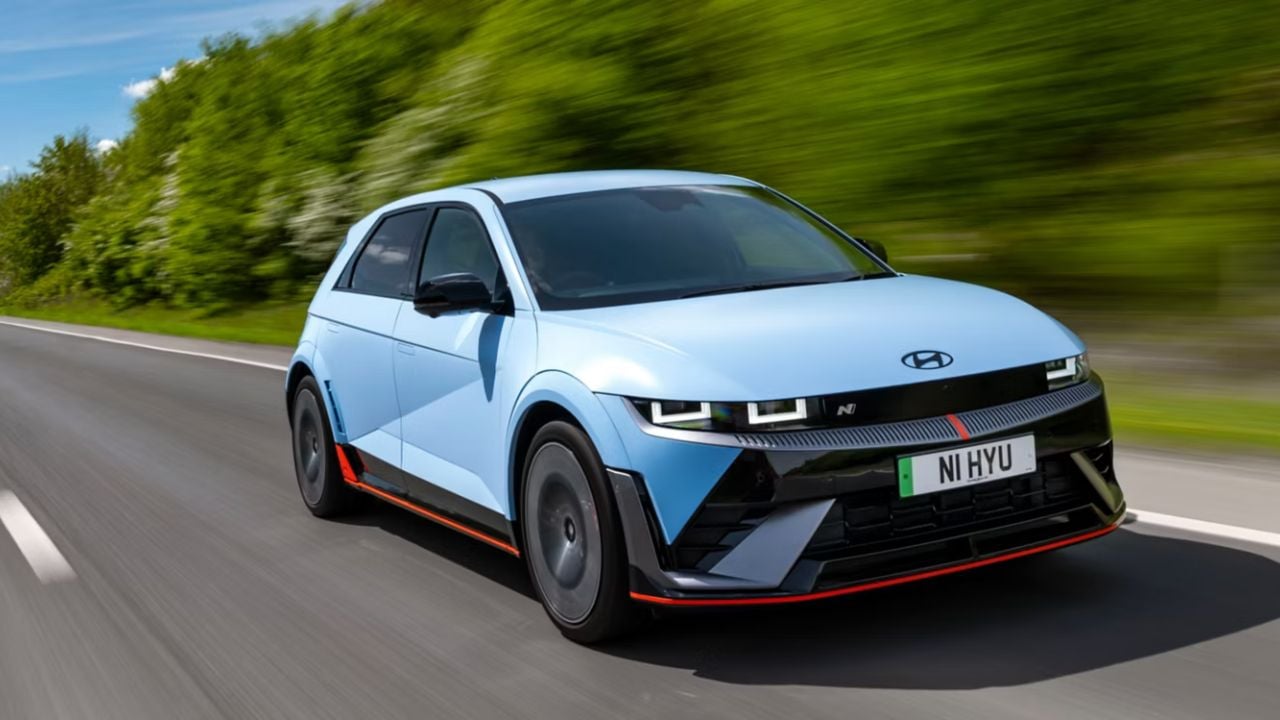
The Ioniq 5 is not just holding steady. It is actually growing. Hyundai reported 9,790 Ioniq 5 sales in Q1 2026, up from 8,611 in Q1 2025, while March sales rose to 4,425 units, up 13 percent year over year.
That is a big deal in this market. Reuters reported that U.S. EV demand broadly weakened after the loss of federal subsidies, and other automakers have been cutting production or taking charges tied to weaker EV conditions.
The Car Itself Still Has Real Appeal

Pricing alone would not save the Ioniq 5 if the vehicle were mediocre. It is not. Hyundai’s official specs still make it one of the more compelling mainstream EVs on sale, with standout styling, a roomy cabin, and a lineup that now starts at a much more realistic price point.
The Ioniq 5 also still benefits from the strengths that helped build its reputation in the first place: solid range, fast-charging capability, and a design that does not look like every other anonymous electric crossover. That gives Hyundai something many rivals lack right now: an EV people actually want, not just one they will consider if the incentives are big enough.
The Lesson To Be Learned

The Ioniq 5’s success is a useful lesson for the rest of the industry. Buyers did not suddenly stop caring about EVs the moment tax credits disappeared. They just became less willing to overpay.
Hyundai seems to have understood that faster than most. By cutting the 2026 Ioniq 5’s price aggressively, it kept the car in the same mental price zone buyers had grown used to during the incentive era. And that appears to be working.
The Ioniq 5 Is Doing What Many EVs Couldn’t

Plenty of electric vehicles looked attractive when a federal tax credit helped close the deal.
The Hyundai Ioniq 5 is proving it can still sell when the math gets tougher. And in today’s market, that may be more impressive than any range figure or charging-speed claim