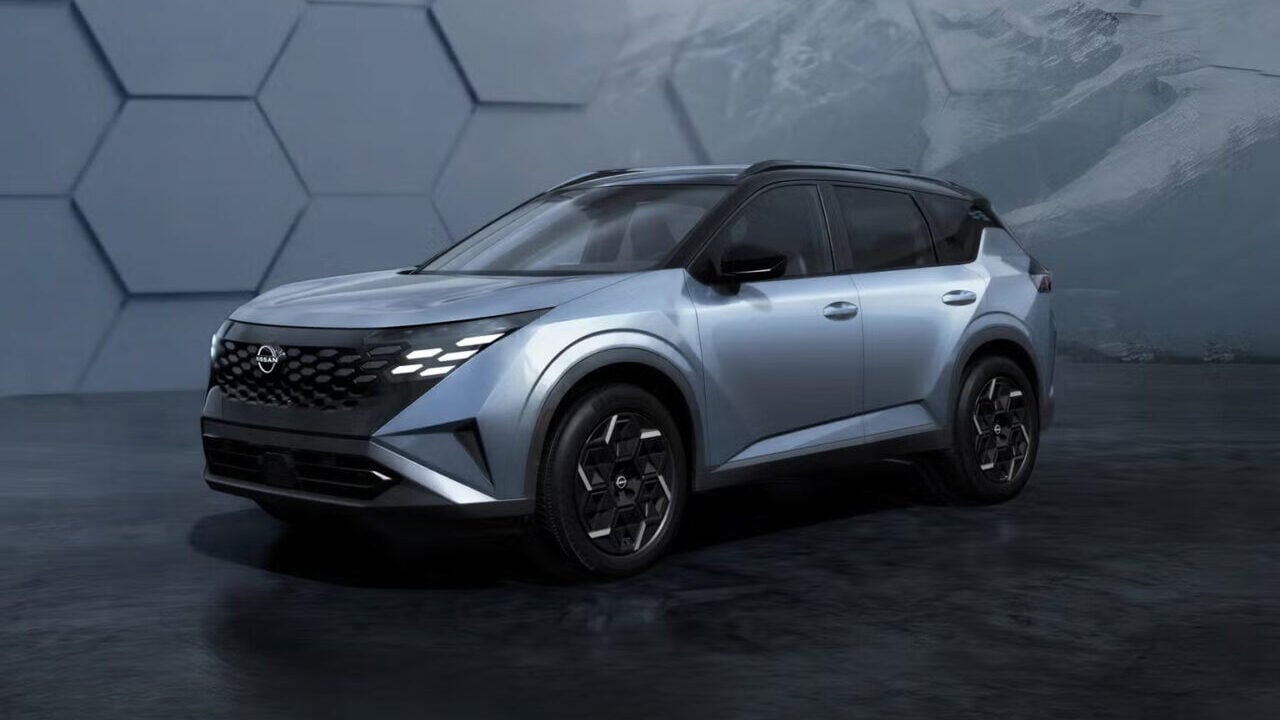
Nissan may still be fighting through one of the toughest periods in its modern history, but one part of the company’s strategy is starting to deliver meaningful results. By increasing its focus on North American manufacturing, the Japanese automaker has reportedly slashed billions in tariff-related costs at a time when global automakers are under enormous pressure from U.S. trade policies.
According to reports ahead of Nissan’s latest earnings announcement, the company reduced its tariff exposure by roughly $2.3 billion during the last fiscal year. That represents a massive 61 percent drop from the estimated $3.8 billion hit Nissan initially faced after expanded tariffs on imported vehicles took effect in 2025.
The savings come as automakers around the world scramble to adjust production strategies in response to growing pressure to localize manufacturing. Although Japanese, European, and Korean automakers have operated U.S. factories for decades, the latest round of tariffs has made domestic production far more critical to profitability.
For Nissan specifically, the timing could not be more important. The company has faced falling sales, shrinking margins, restructuring efforts, and uncertainty surrounding its EV plans. Strengthening its American manufacturing footprint may now become one of the key pillars keeping the company competitive in the North American market.
Nissan’s American Factories Are Becoming More Important
Nissan already operates several major manufacturing facilities across the United States, including assembly plants in Smyrna, Tennessee, and Canton, Mississippi, along with an engine and electric motor facility in Decherd, Tennessee.
Those plants are expected to play an even larger role in the company’s future strategy. Nissan Americas Chairman Christian Meunier reportedly believes U.S.-built vehicles could account for around 70 percent of Nissan’s American sales by 2028.
The automaker’s Smyrna plant remains especially important. The facility currently produces vehicles including the Nissan Rogue, Nissan Murano, Nissan Pathfinder, Infiniti QX60, and the newly introduced Infiniti QX65.
Meanwhile, the Canton facility is undergoing a major strategic transformation after the discontinuation of the Nissan Titan. Nissan had originally planned to transform the site into a large EV production hub, but those plans have now reportedly been scrapped in favor of returning to body-on-frame trucks and SUVs.
Nissan Is Pulling Back From Some EV Plans
The company’s revised strategy reflects changing realities across the automotive industry. Several automakers have slowed or delayed EV investments as demand growth cools and profitability concerns intensify.
Nissan reportedly canceled a planned $500 million EV-related investment at the Canton plant. Instead, the company is now expected to focus on traditional SUVs and trucks that remain highly profitable in the American market.
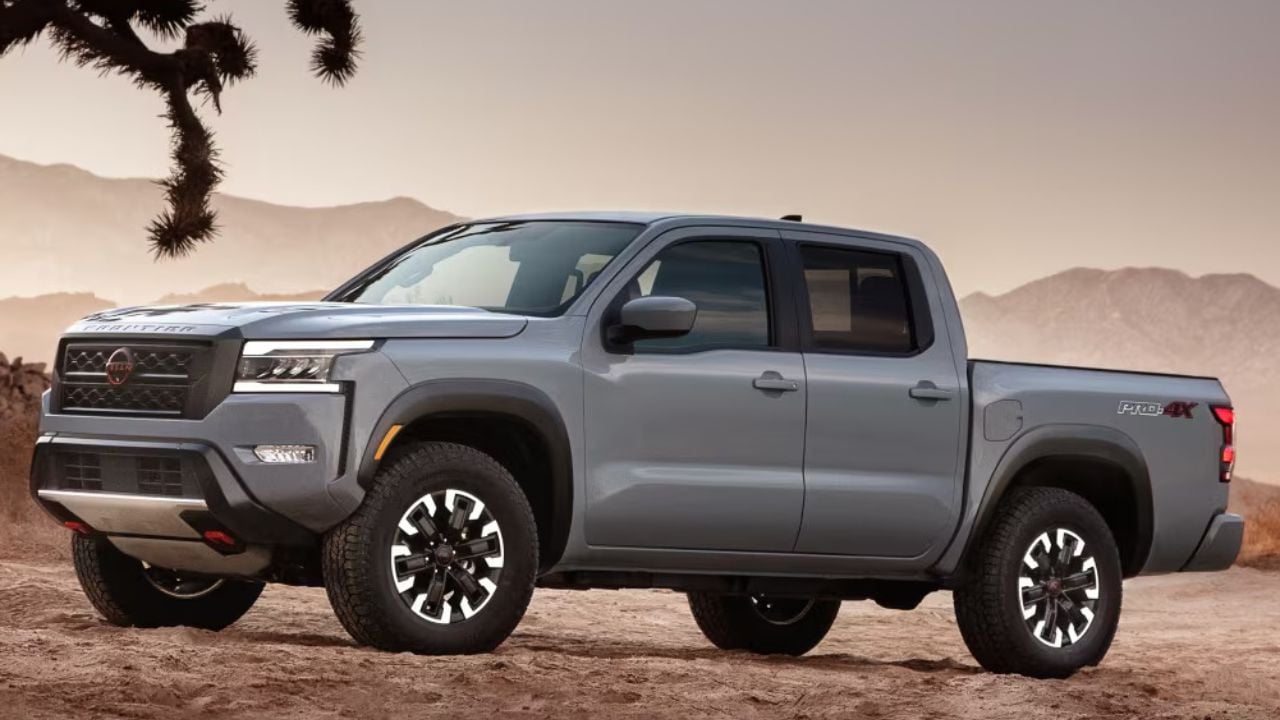
That includes future body-on-frame products such as the Nissan Frontier and a revived Nissan Xterra, reportedly scheduled to return around 2028 with a V6 engine. A new three-row SUV is also believed to be part of the plant’s long-term production roadmap.
At the same time, Nissan is not abandoning electrification entirely. The company still plans to introduce the next-generation 2027 Rogue Hybrid ePower crossover for the U.S. market, with production and sourcing tied closely to its evolving North American manufacturing strategy.
Tariffs Are Reshaping Global Auto Production
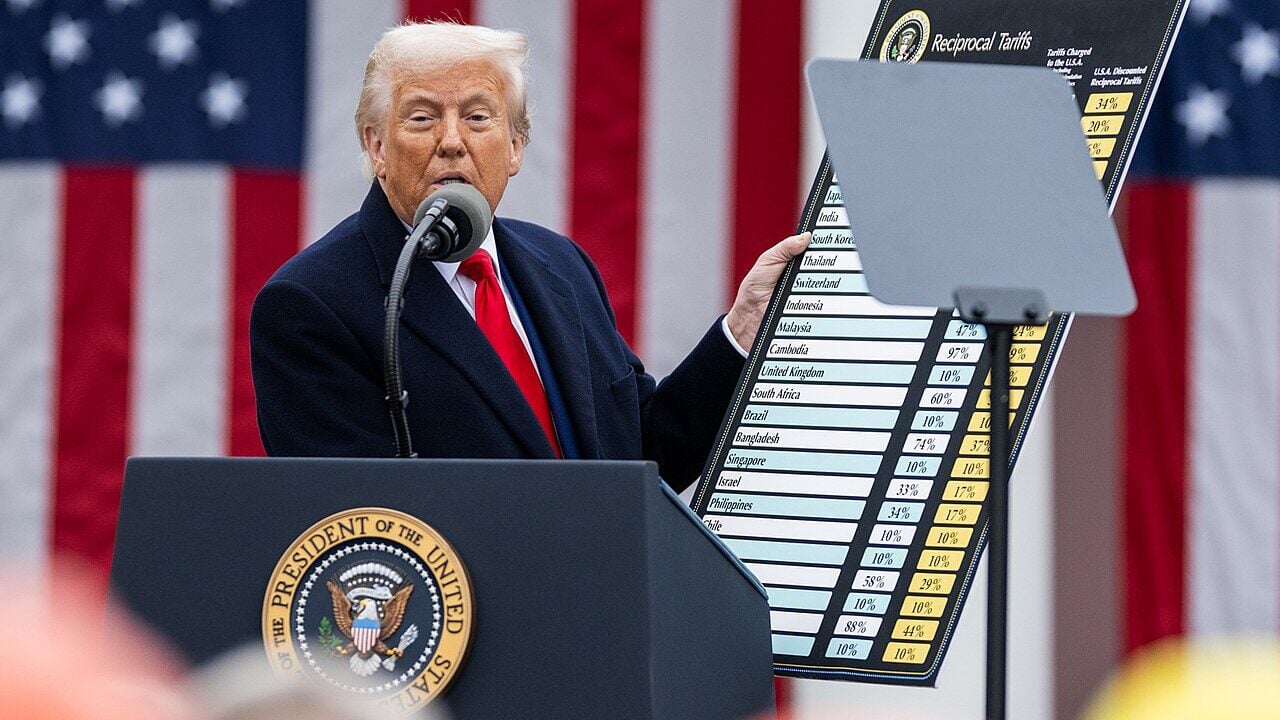
The financial pressure created by tariffs has fundamentally altered how automakers approach production planning. Vehicles imported from Japan and Mexico now face significantly greater cost risks depending on trade policy developments and sourcing requirements.
Nissan still imports several important models into the United States from Japan, including the Nissan Armada, Infiniti QX80, and the Nissan Z. Its Mexican operations also continue supplying vehicles like the Nissan Sentra and Nissan Kicks to the American market.
However, increasing U.S. production reduces the company’s overall exposure to import-related duties and political uncertainty. That advantage has become increasingly valuable as automakers attempt to stabilize earnings during a period of rising costs and slowing global growth.
Industrywide, tariff-related costs for automakers have reportedly climbed into the tens of billions of dollars. Nissan’s ability to significantly reduce that burden stands out at a time when many competitors are still struggling to adapt.
Nissan’s Turnaround Still Faces Major Challenges
Despite the progress, Nissan is far from fully recovered. Several of its U.S. factories have reportedly operated well below full capacity in recent years, with some utilization rates dropping near 50 percent. Underused factories remain extremely expensive to operate and can quickly erode profitability.
The company also continues facing challenges involving product competitiveness, electrification strategy, and long-term global positioning. Nissan’s future will likely depend on whether it can successfully balance hybrids, internal combustion vehicles, and EVs while rebuilding consumer confidence in key markets.
Still, the automaker’s growing emphasis on American manufacturing appears to be delivering one important benefit already: protecting the company from billions in tariff costs at a moment when every dollar counts.