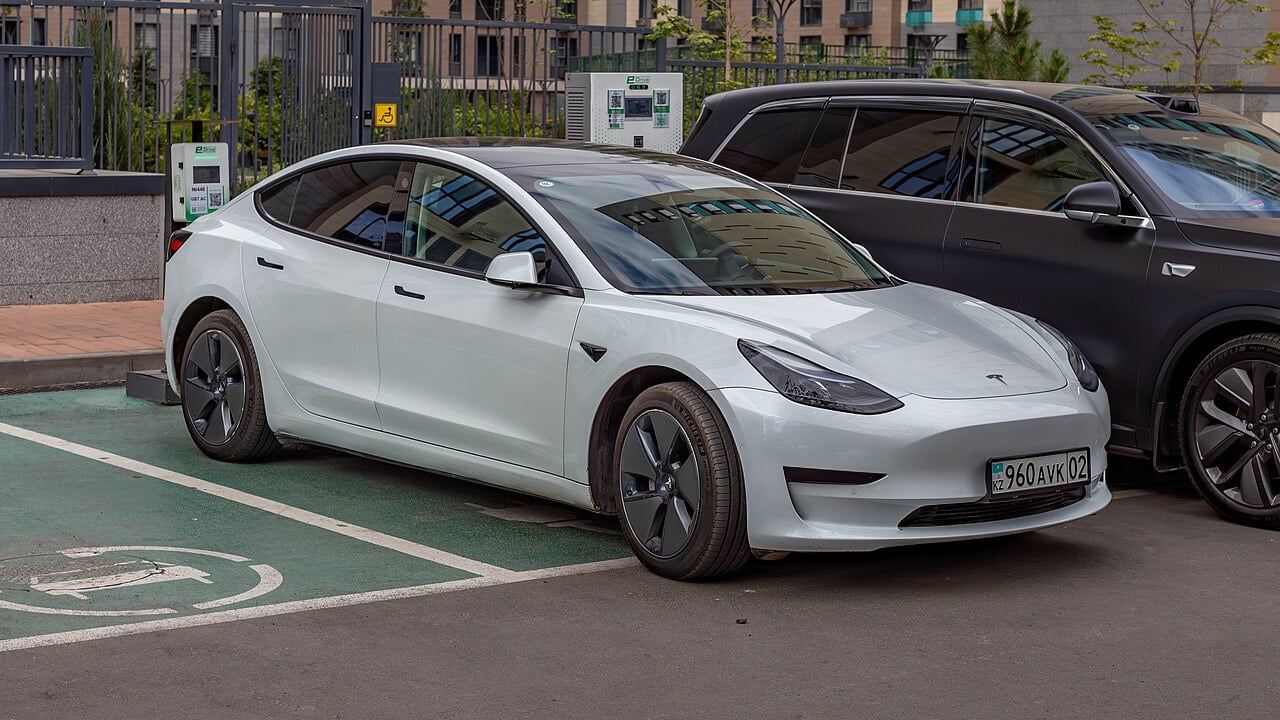

There are drunk driving stories, and then there are drunk driving stories involving a Tesla gliding through the streets with loud music blasting while the driver allegedly lets the car do the work. South Korean police now find themselves sorting through one of the stranger DUI cases of the year.
Authorities in Suwon say a man in his 30s was arrested after allegedly driving intoxicated while his Tesla operated in autonomous mode. The case immediately raised a question that feels pulled straight out of science fiction: if the car is steering itself, who exactly is “driving”?
The incident unfolded just after midnight on May 13, when police received reports about a suspected drunk driver moving through the Yeongtong area. Officers tracked down the vehicle only minutes later near Cheongmyeong Station.
According to investigators, the man’s blood alcohol content was high enough to meet South Korea’s license revocation threshold. That detail alone would normally make this straightforward DUI case, but the involvement of Tesla’s driver assistance technology may have turned it into something far more complicated.
Loud Music, Autonomous Mode, and a Midnight Drive
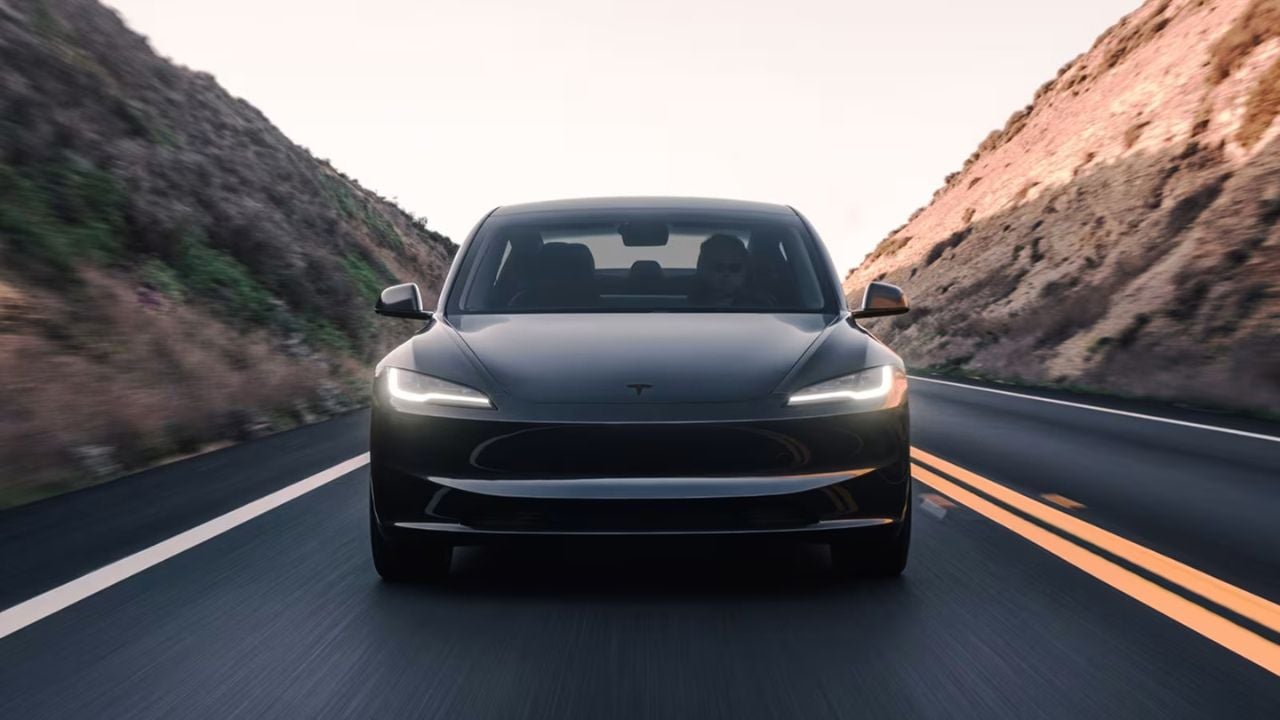
Police say the suspect, identified only as “Mr. A” under South Korean privacy practices, began driving around 12:17 a.m. from a public parking lot in Yeongtong Central Commercial District. His route reportedly took him toward the area near Cheongmyeong Station before officers intercepted the vehicle at approximately 12:21 a.m.
That timeline means the entire episode lasted only a few minutes, though apparently long enough to draw concern from witnesses who contacted authorities. When police stopped the Tesla, they reportedly found loud music playing inside the vehicle while the car was operating in autonomous driving mode.
That image alone almost sounds cinematic. A Tesla humming through the streets after midnight, music pounding through the speakers, while an allegedly intoxicated driver sits behind the wheel trusting software to do the hard part.
Police confirmed the man had been drinking and formally booked him on suspicion of violating South Korea’s Road Traffic Act. Investigators are still examining exactly how the Tesla’s systems were being used at the time.
The Big Legal Question
The central issue now is whether the Tesla was actually operating in a level of autonomy that changes how responsibility is viewed under the law. It’ll be interesting to watch how the country interprets the law in this case.
Tesla markets advanced driver assistance systems like Autopilot and Full Self-Driving capability, but the company has long maintained that drivers must remain attentive and ready to take control at all times. Despite the futuristic branding, the systems are not legally recognized as fully autonomous in most countries.
That distinction will, doubtless, carry enormous weight in court. If a human occupant is still legally considered the driver, then intoxication behind the wheel remains intoxication behind the wheel, regardless of whether the car handled steering or lane positioning. South Korean authorities appear to be leaning in that direction so far.
A police official told local media that investigators still need to confirm “whether the vehicle was in full autonomous driving mode.” That wording suggests authorities are carefully examining vehicle data, driver behavior, and the exact capabilities engaged during the drive.
Why This Case Feels a Bit Strange
The irony here is impossible to ignore. For years, autonomous driving technology has been promoted as a future solution to human error, distracted driving, and impaired driving incidents.
Yet this case allegedly features someone treating the technology almost like a designated driver. That approach creates a dangerous gray area in public thinking.
Some drivers appear to assume that advanced driver assistance systems are capable enough to substitute for sober human judgment, even though regulators and automakers repeatedly say otherwise. Cases like this may become increasingly common as vehicle technology evolves faster than public understanding and legal frameworks.
Courts around the world are still wrestling with how responsibility should work when humans and software share driving duties. It’s only recently that the state of California finally determined that driverless cars (such as Waymo) can be legally ticketed for traffic offenses, a situation that previously left law enforcement unsure of what to do.
For now, though, South Korean police seem to have a fairly direct view of the matter. A drunk person sitting in the driver’s seat of a moving car is still, in their eyes, a drunk driver, even if the vehicle was doing the steering.
Sources: CHOSUN