Car companies backtracking on their electric vehicle policies, mainly due to poor demand for EVs, have sent costs skyrocketing by billions of dollars.
Porsche made headlines in the car industry for shifting back to internal combustion and hybrid vehicles from its EV-focused strategy, which cost the company €2.4 billion ($2.81 billion), recording a 98% drop in operating profit.
Now, Honda has posted its first annual loss since it got listed on the stock market in 1957, highlighting the financial impact of a large-scale manufacturing shift.
Honda’s efforts to restructure its EV business came at a high cost, deepening its financial losses.
Honda Reports First Annual Loss in 69 Years
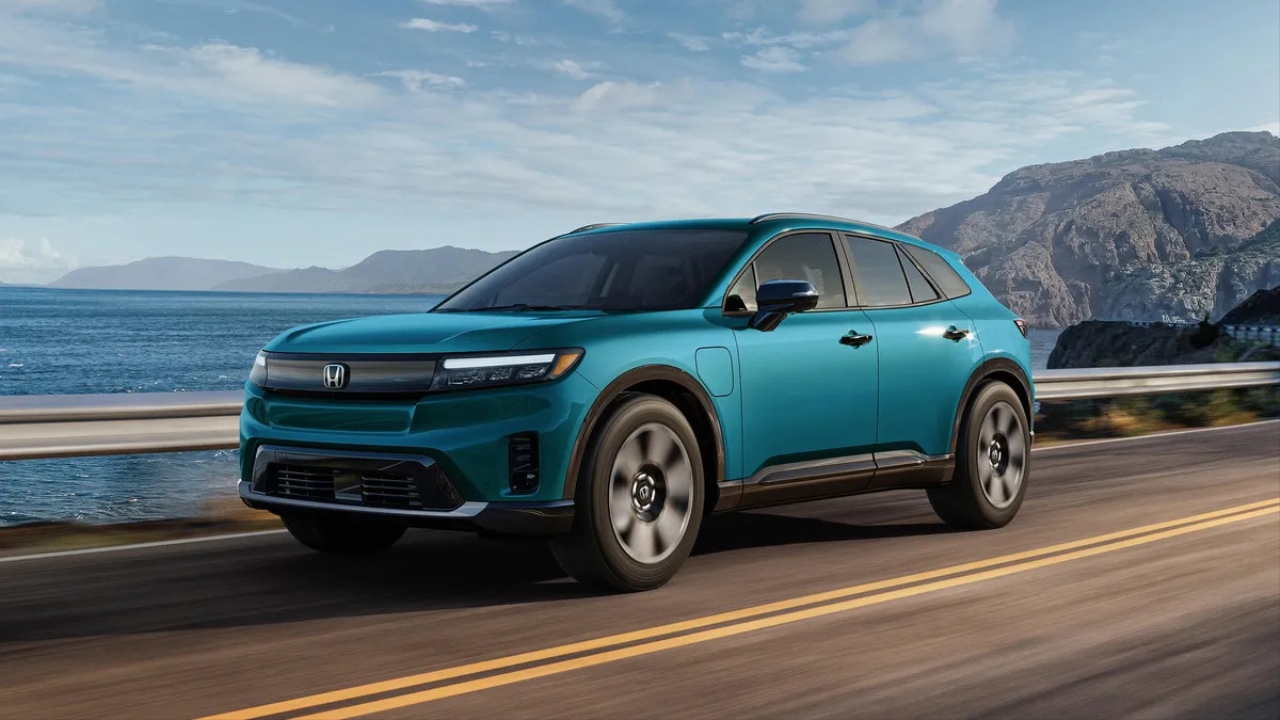
According to a report by Reuters, Honda posted an annual loss for the first time in 69 years, weighed down by $9 billion in EV restructuring costs.
Honda experienced how weak demand for a new technology can backfire significantly after investing plenty of resources. The company aimed to increase EV sales to the point where it would account for a fifth of its total sales by 2030.
By 2040, the company’s goal was to transition entirely to electric and fuel-cell vehicles. However, the CEO of Honda, Toshihiro Mibe, said on Thursday that the company was dropping its EV targets.
He also confirmed that Honda would cease its Canada EV project, an investment worth $11 billion to produce EVs and batteries.
Honda Relies on Motorcycle Sales to Bounce Back
Honda’s operating loss was 414.3 billion yen ($2.63 billion) for the year ended March. EV-related losses totaled 1.45 trillion yen ($15 billion) for the same period.
However, not all is lost, as the company expects to become profitable again this year, with profits estimated at 500 billion yen ($3.1 billion), supported by its cost-reduction strategy and profitable motorcycle business. Aiming for record sales, Honda said in an earnings statement:
“The motorcycle business will expand production capacity in India … and aim for record-high sales of 22.8 million units.”
Honda’s motorcycle business achieved record-high sales volume and operating profit in the year that ended March, which helped shield the company from EV-related losses and declining car sales in China.
However, with motorcycle markets like India and Vietnam transitioning to EVs, Honda may not have a long time to align its strategy to the shifting scenario. James Hong, head of mobility research at Macquarie, said:
“They have a limited time window to act.”
Porsche Sells Stakes After Suffering EV-Related Losses
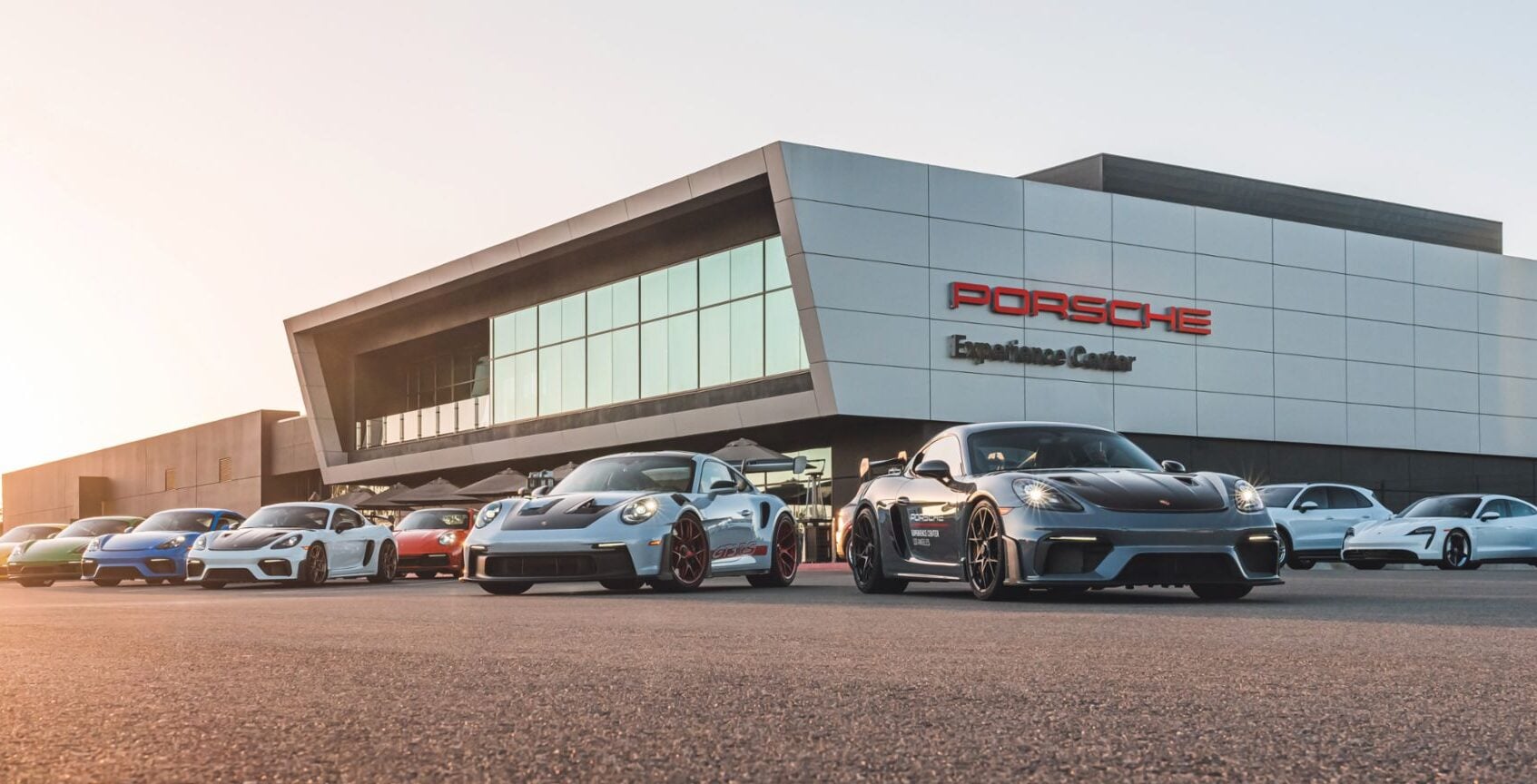
Guessing Headlights reported how Porsche was struck with a €3.9 billion ($4.5 billion) expenditure last year to realign product strategy and rescale the company, €700 million ($820 million) of which were additional expenses from battery-related investments.
Since Porsche imports all its vehicles into America, U.S. tariffs cost another €700 million ($820 million). Consequently, group sales revenue dropped from €40.08 billion ($46.98 billion) in 2024 to €36.27 billion ($42.51 billion) in 2025, while operating profit fell from €5.64 billion ($6.61 billion) to €413 million ($484 million).
In the wake of Porsche’s struggles, Porsche CEO Dr. Michael Leiters revealed Strategy 2035 this year for enhanced profitability. He said:
“We are considering the expansion of our product portfolio in order to grow in higher-margin segments. In doing so, we are looking at models and derivatives both above our current two-door sports cars and above the Cayenne.”
“With Strategy 2035, we want to lay the foundations for sustainably strong cash flow, strong results and margins that are appropriate for Porsche.”
Porsche also recently sold its stakes in Bugatti Rimac and the Rimac Group so it could focus on its core business. Bugatti Rimac was established through a partnership between Porsche and the Rimac Group in 2021, with Porsche holding a 45% stake. In addition, Porsche owned a 20.6% stake in the Rimac Group itself.
However, on April 24, Porsche announced it would divest all its stakes to the HOF Capital-led consortium, consisting of BlueFive Capital and institutional investors across the U.S. and Europe. Speaking about the sale of its stakes, Leiters said:
“In setting up the joint venture Bugatti Rimac together with Rimac Group, we successfully laid the foundation for Bugatti’s future. And as an early-stage investor of Rimac Group, Porsche made a significant contribution to developing Rimac Technology into an established Tier-1 automotive technology company. Now, with the sale of our stake, we demonstrate, that we will focus Porsche on the core business. We would like to thank Mate Rimac and his team for the constructive and trusting cooperation over the past years.”