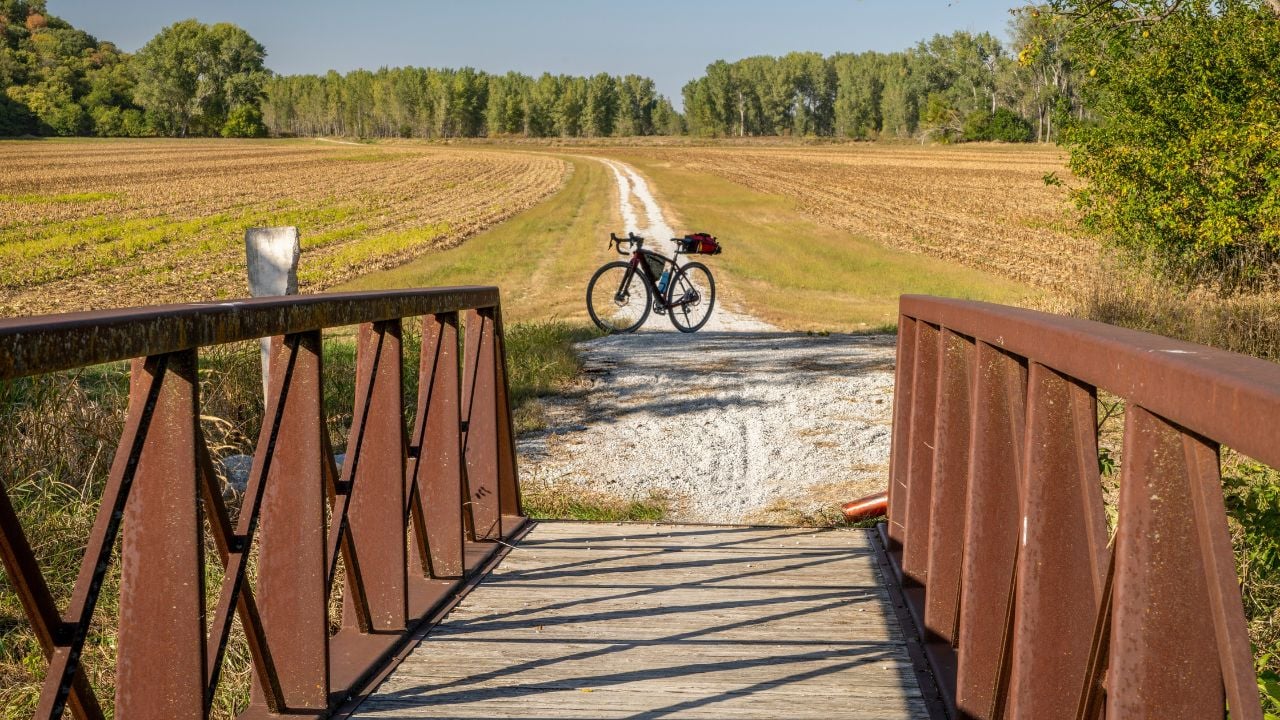
Nebraska makes its strongest case when you leave the interstate mindset behind. The appeal is not one flashy landmark after another, but a string of communities where river views, prairie history, literary heritage, orchard country, and creative downtowns shape the trip in different ways.
That is what gives the “Good Life” idea real travel value here. One town feels leafy and historic, another literary and reflective, another outdoorsy and wide open, while others turn culture and walkable main streets into the reason to stay longer. These places do not work as filler between bigger stops. They work as the reason to go.
State tourism material makes that contrast easy to see. Nebraska City is tied to Arbor Day history and orchard country, Valentine leans into the Niobrara and waterfall scenery, Brownville trades on Missouri River charm, Red Cloud carries unusual literary depth, and McCook mixes architecture, art, and outdoor recreation in a way that feels more layered than many travelers would expect.
Taken together, these small-town stops show a side of Nebraska that is slower, more rooted, and more rewarding than people often imagine. The trip works best when you stop racing for one big payoff and let the towns themselves become the point.
1. Nebraska City Proves That Small-Town Travel Can Feel Rooted and Restorative

Nebraska City has an easy hook: this is where Arbor Day history becomes a real place instead of a schoolroom fact. Visit Nebraska points travelers toward Arbor Day Farm for orchard experiences, trails, and a 50-foot treehouse, while the city page also highlights the Missouri River Basin Lewis and Clark Interpretive Trail and Visitor Center for indoor exhibits and nature walks. That mix gives the town more dimension than a single historic attraction ever could.
What makes the visit linger is the setting. The same tourism material points to Arbor Lodge, the estate of Arbor Day founder J. Sterling Morton, and notes that the mansion grew from a modest home into a 52-room residence over time. Nebraska City works especially well for travelers who want a weekend with gardens, history, and room to breathe rather than nonstop activity.
2. Brownville Turns Missouri River History Into a Genuinely Charming Stop

Brownville has the kind of scale that immediately changes your pace. Visit Nebraska describes it as a historic Missouri River town with shops, galleries, cafés, 19th-century landmarks, and access to the Steamboat Trace Trail, all wrapped into a place that still feels intimate rather than staged. On the Heritage Highway Scenic Byway page, the state tourism office goes further, calling it a quaint stop filled with landmarks, boutiques, bookstores, and even an old-fashioned ice cream parlor.
That atmosphere is the real selling point. Brownville can easily become a browse-and-wander destination, but it also has substance behind the pretty facades, from the Brown-Carson House to theater, live music, and the Spirit of Brownville riverboat dinner cruise. It is the sort of place that rewards travelers who are happy to slow down, look around, and let one small river town carry an afternoon on its own.
3. Red Cloud Gives Nebraska a Literary Stop With Unusual Depth
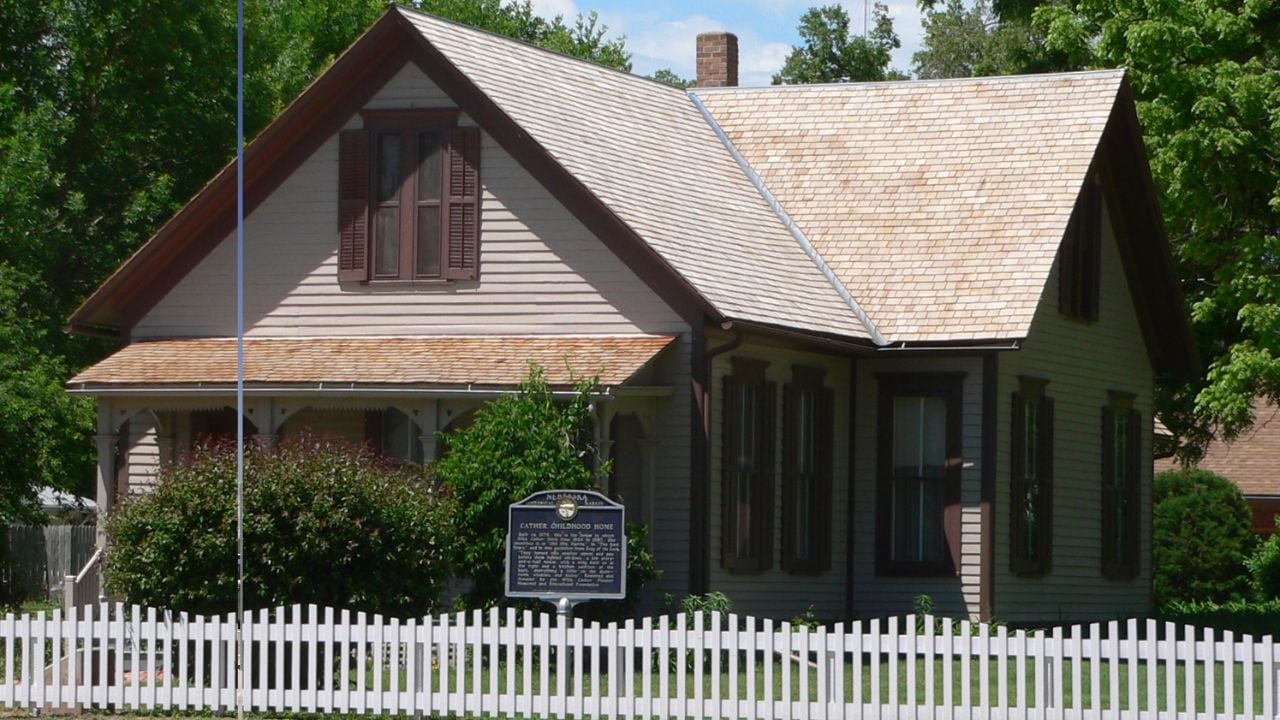
Red Cloud stands out because the town is not just associated with Willa Cather. Her legacy still shapes the visitor experience in ways that feel visible and substantial. Visit Nebraska notes that the National Willa Cather Center opened in 2017 with a bookstore, exhibits, archives, and a gallery, while the Willa Cather Foundation presents Red Cloud as a place where literature, culture, and quiet prairie surroundings still meet in ways closely tied to the author’s world.
The appeal goes beyond a single museum stop. Visit Nebraska’s Red Cloud page also highlights the restored 1885 Red Cloud Opera House, and the foundation notes that it now hosts performances while housing offices, a gallery, and a bookstore. That gives Red Cloud a richer feel than a standard literary pilgrimage, because its historic spaces still function as living cultural anchors rather than frozen exhibits.
4. Valentine Shows That a Small Town Can Also Be One of the State’s Biggest Outdoor Rewards
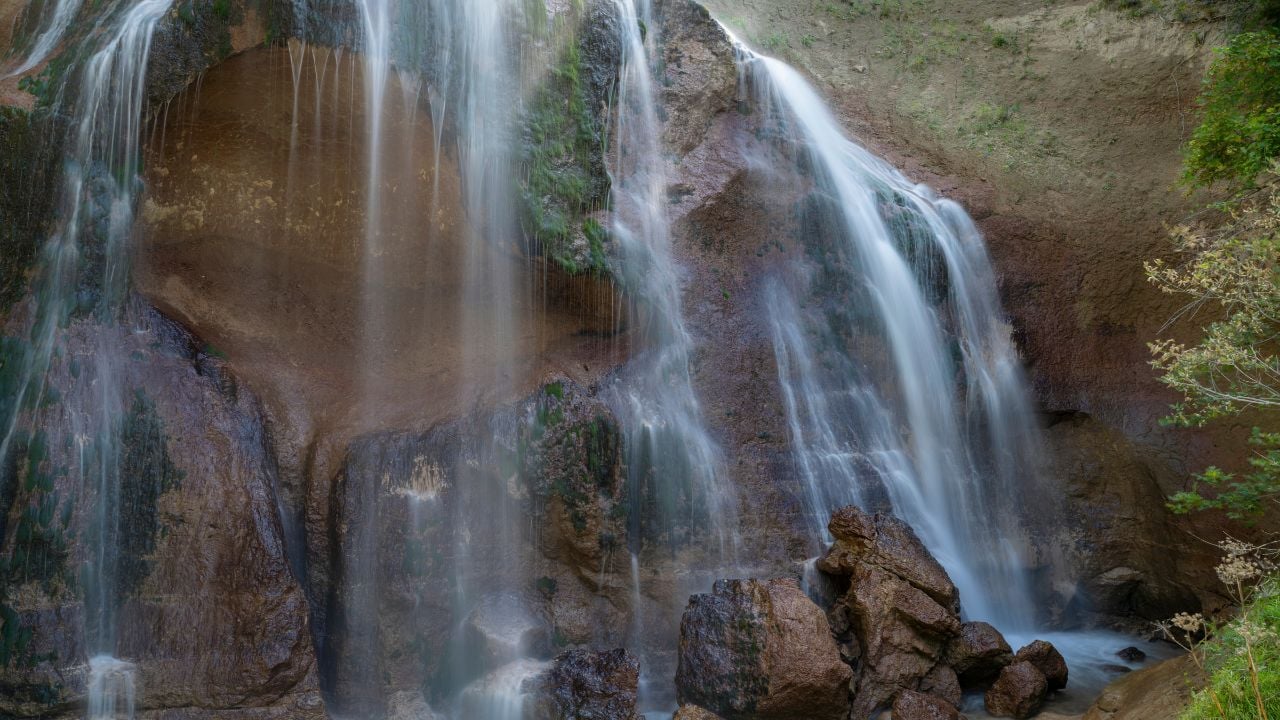
Valentine shifts the Nebraska small-town formula toward scenery and open space. The official town page says outfitters can set visitors up for tubing or kayaking on the Niobrara National Scenic River, and it also points to Smith Falls State Park, home to Nebraska’s tallest waterfall. When one small community can offer a nationally designated scenic river and a waterfall stop in the same trip, the appeal becomes easy to understand.
There is more range here than many first-time visitors expect. Visit Nebraska also points travelers toward Snake River Falls for viewing, and the tourism office notes that nearby Merritt Reservoir became Nebraska’s first International Dark Sky Park in 2022, giving the area a serious stargazing angle after sunset. Valentine feels like the place to choose when you want the good life to mean big horizons, water, and night skies rather than galleries and porches.
5. McCook Rounds Out the Picture With Art, Architecture, and Prairie-Town Ease

McCook makes its case by mixing culture with everyday livability. Visit Nebraska says a self-guided walk through Heritage Square shows off a century of local history, including the Frank Lloyd Wright-designed Sutton House, while the McCook Creative District highlights galleries, the Fox Theater, Norris Alley, and a community mural created with the help of more than 100 locals. That combination makes the town feel active and personal instead of simply preserved.
The outdoors side keeps it from feeling too polished. The state tourism page also points visitors toward Red Willow Reservoir State Recreation Area on Hugh Butler Lake for fishing, hiking, biking, boating, and camping, which gives McCook a strong second half once you finish downtown. It is the kind of town where you can spend the morning with architecture and coffee, then pivot into water and open country without much effort.
Put together, these towns make Nebraska feel less like a drive-through state and more like a place best understood one community at a time. The “good life” here is not abstract. It shows up in orchards, opera houses, river trails, prairie skies, and main streets that still give travelers a reason to slow down.