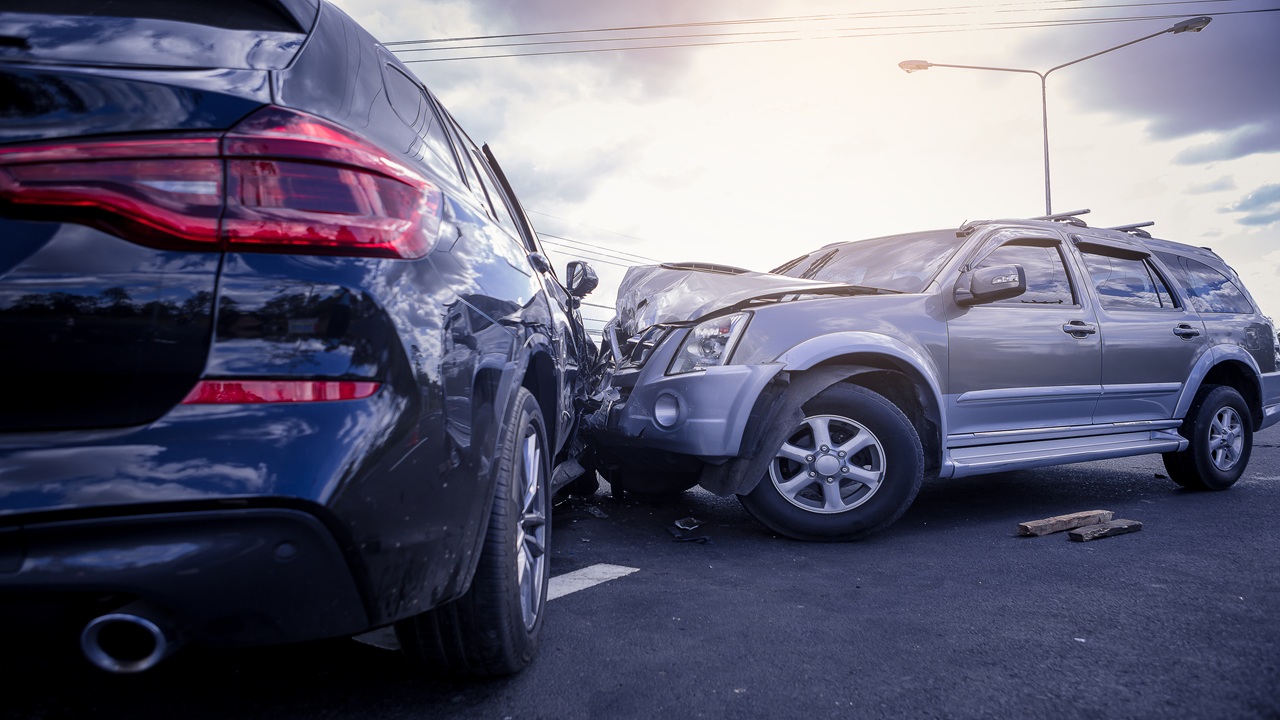
Hawaii is weighing one of the toughest anti-speeding measures in the country, and it could change how some drivers use their cars.
Lawmakers are considering House Bill 2023, which would create a court-ordered program for active Intelligent Speed Assistance systems, or ISA, aimed at repeat speed offenders and drivers convicted of excessive speeding or racing.
The push comes as the state grapples with a worsening road-safety problem. According to the National Highway Traffic Safety Administration, 106 people had already died on Hawaii roads by October 24, 2025, surpassing the 102 traffic deaths recorded in all of 2024. Another report said Hawaii finished 2025 with 129 traffic fatalities, the deadliest year on the islands since 2007.
Supporters say that kind of trend justifies stronger intervention. Critics, of course, see it as a major step toward giving the car more control than the driver.
What Hawaii’s Bill Would Actually Do

HB 2023 would require Hawaii’s Department of Transportation to run a statewide ISA program, certify approved systems, and select a vendor for installation and maintenance. The bill also includes penalties for tampering with the system and limits some liability for manufacturers, distributors, and retailers connected to the technology.
The proposal is not written as a blanket limiter for every car on the road. Instead, advocacy materials tied to the bill say ISA would be required for certain people convicted of excessive speeding or racing, while judges could also order it for other repeat speeding offenders.
In other words, Hawaii is not currently talking about electronically capping every tourist-rental Mustang or lifted Tacoma. It is talking about restricting drivers already flagged as a proven danger. That’s an important distinction.
Why the State Is Even Considering This
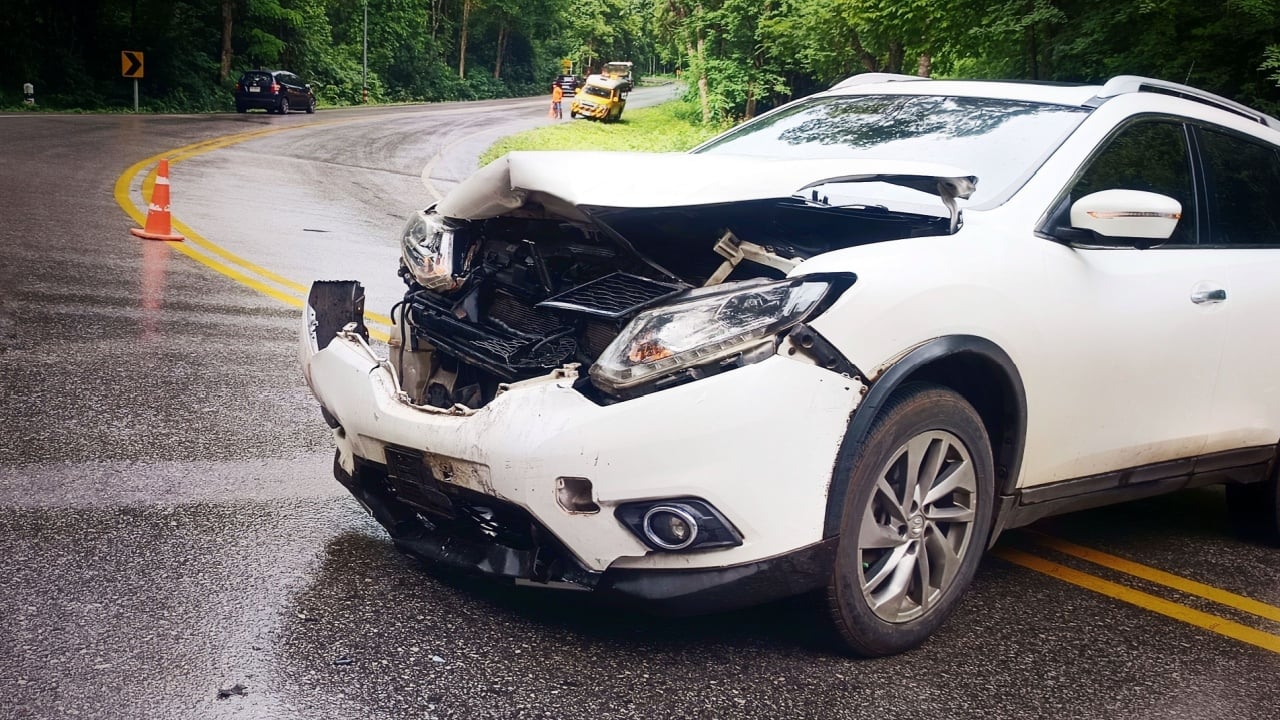
Safety groups backing the bill say speeding was a factor in 42 percent of Hawaii’s fatal crashes in 2024, far above the national average of 29 percent. They also say the state’s road deaths impose a huge financial burden, estimated at about $749 million annually, or roughly a $410 cost per resident.
Pedestrians and cyclists are also a major part of the problem. Advocates say they accounted for 41 percent of Hawaii traffic deaths in 2024, nearly double the national rate.
That is the context behind this debate. Rather than a niche technology story, this is a response to a state that appears to be having a genuinely bad run on road safety, while much of the country has been moving the other way. Nationally, NHTSA says estimated traffic deaths fell in 2025.
Other States Are Moving Too
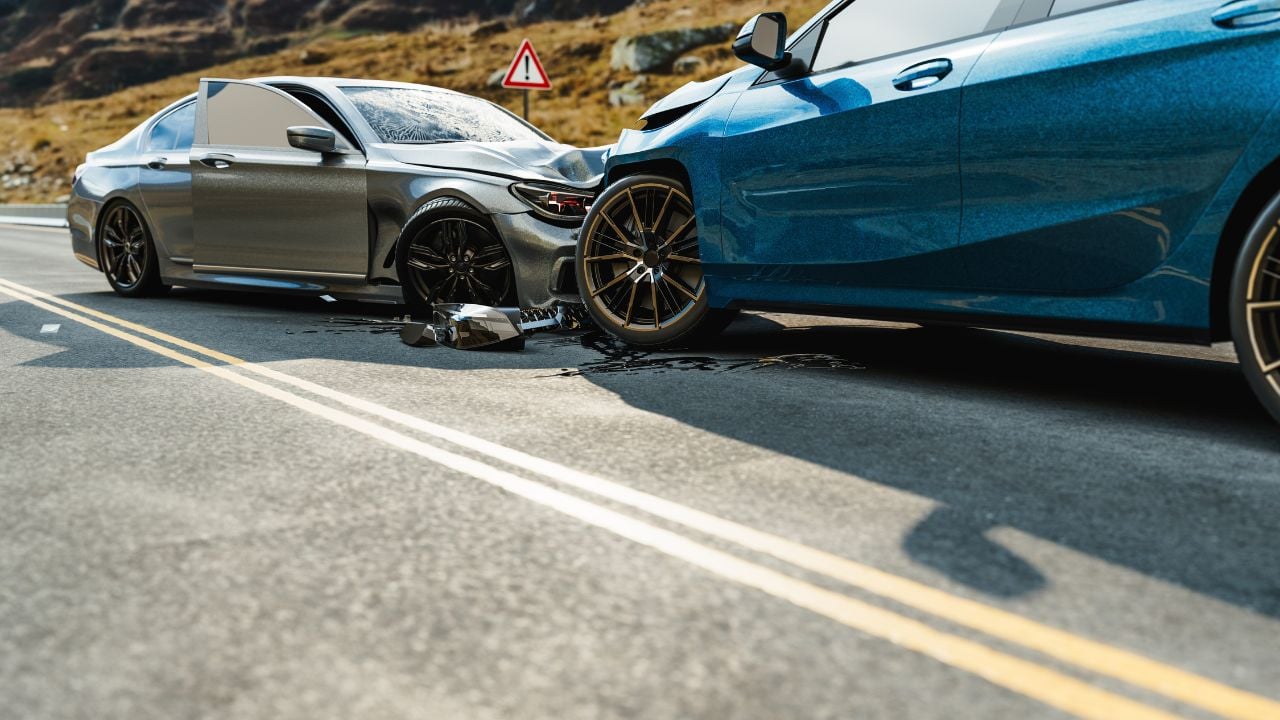
Hawaii is not alone in looking at ISA. Virginia became the first state to pass a law allowing judges to require speed-limiting devices for certain reckless drivers, with that law taking effect in July 2026.
Washington, D.C. has also moved on speed-control measures for dangerous drivers, and Maryland has recently advanced its own ISA legislation targeting so-called super speeders.
Supporters often point to pilots like New York City’s municipal fleet program, which they say reduced speeding time, especially on higher-speed roads.
Why This Will Be So Controversial

Even when aimed at repeat offenders, mandatory speed limiters are a hard sell in car culture.
For many drivers, the idea of a government-mandated system physically preventing acceleration sounds like a line that should never be crossed. Others will argue that if someone has already shown they cannot be trusted to stop driving dangerously, a speed limiter is a lot better than another funeral. That tension is exactly why bills like this get attention far beyond the states introducing them.
Whether the state believes some drivers have forfeited the right to control speed with their own right foot is really the core of the Hawaii fight