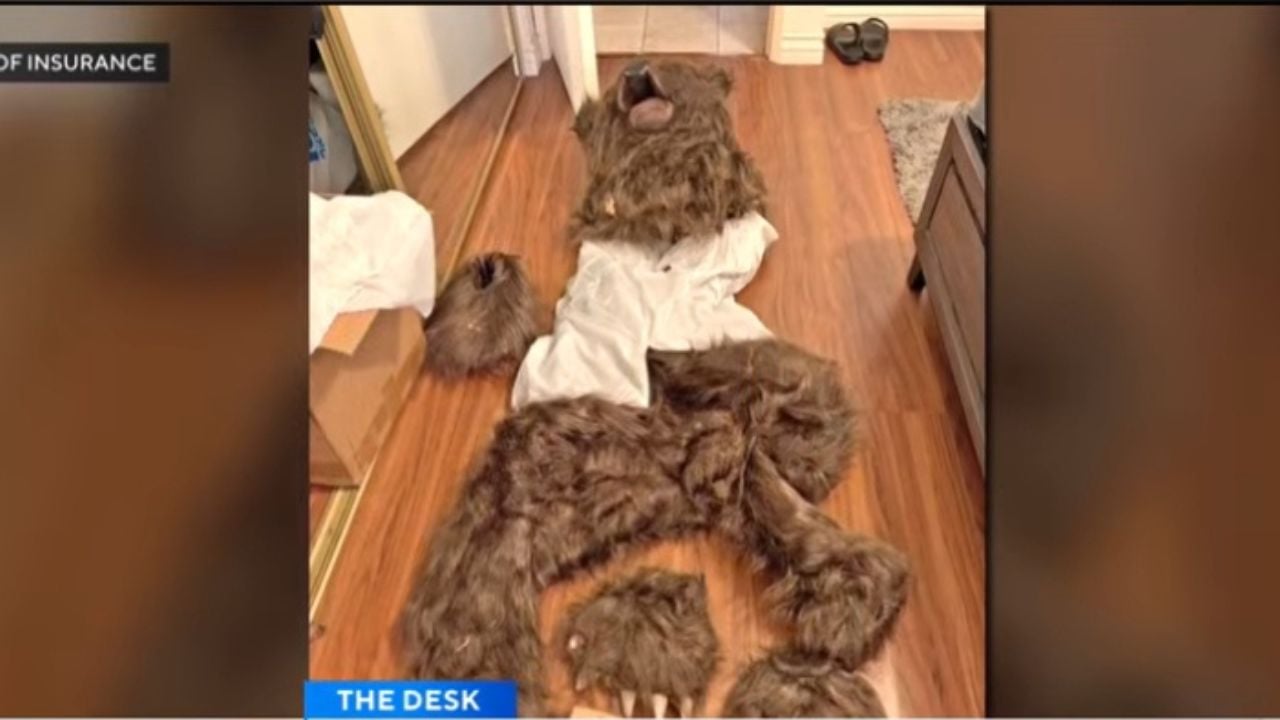

This case reads like a prank gone too far, but it’s actually a calculated criminal plot.
A group of California residents has been sentenced to jail after orchestrating a bizarre insurance fraud scheme involving a bear costume, luxury cars, and a series of staged attacks that fooled insurers long enough to pay out more than $141,000.
According to reporting by The New York Times, the scheme revolved around claims that wild bears had broken into high-end vehicles and caused extensive interior damage.
The suspects submitted photos and video footage that appeared to show a large animal clawing through the cabins of cars parked in remote, wooded areas.
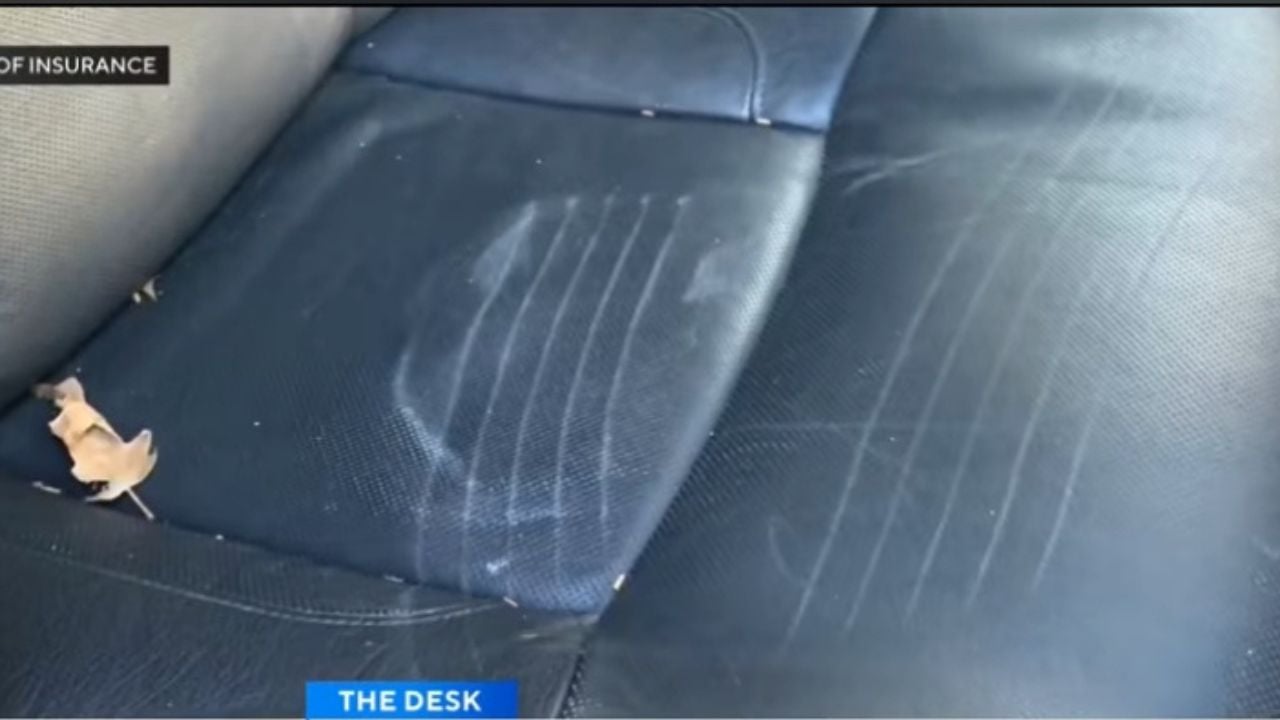
Interestingly, the cars involved were not ordinary daily drivers.
Among them was a Rolls-Royce Ghost, alongside several Mercedes-Benz models, all presented as victims of aggressive wildlife encounters.
Dramatic (and Completely Fake) Attacks
The supposed attacks were dramatic. Upholstery was torn apart, seats shredded, and interior panels gouged with what looked like deep claw marks.
In at least one video submitted to an insurer, a “bear” could be seen moving inside the vehicle, adding a layer of realism that initially helped the claims pass scrutiny.
Given that bear-related vehicle break-ins are not unheard of in parts of California, the story carried just enough plausibility to slip through early checks.
But then came the cracks in the illusion.
Insurance investigators began to notice inconsistencies in the claims.
The damage patterns looked suspiciously uniform across different vehicles. The behavior of the “bear” in the footage did not quite match what wildlife experts would expect from an actual animal.
There was something off about the movement, the proportions, and the way the creature interacted with the car interiors.
Enter the Biologist (and Exit the Bear)
To get clarity, investigators brought in a biologist from the California Department of Fish and Wildlife. The expert reviewed the footage and reached a blunt conclusion. The animal in the videos was not a bear. It was a human wearing a bear suit.
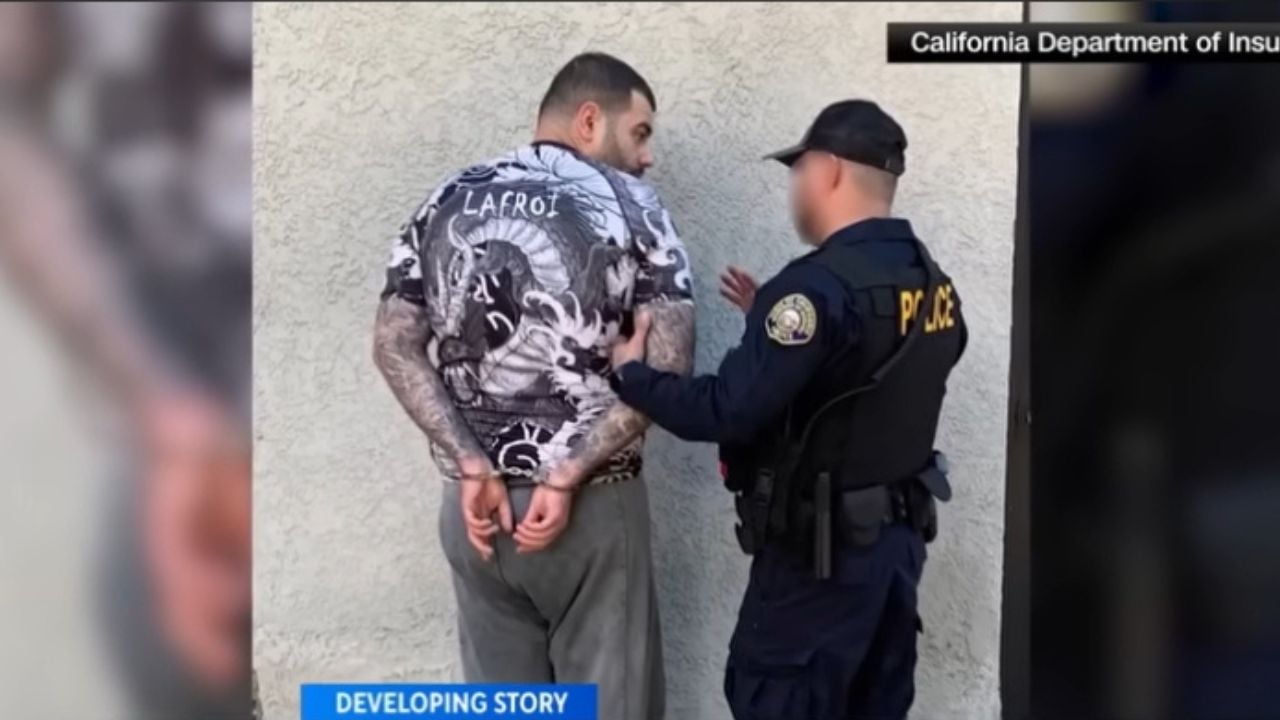
That revelation automatically moved the case from questionable claims to outright fraud.
Authorities dug deeper, tracing the claims back to the individuals involved. A search of one suspect’s home uncovered a key piece of evidence that tied the entire operation together: the bear costume itself.
Alongside it were tools believed to have been used to create the damage, including implements designed to mimic claw marks.
Prosecutors laid out a scheme that relied on theatrics as much as deception.
The suspects allegedly coordinated the staged incidents, filmed the fake attacks, and submitted claims to multiple insurance companies. For a time, the plan worked. The group collected payouts that eventually totaled over $141,000.
That success did not last.
The Punchline: Jail Time, Restitution, and One Very Awkward Costume
Three of the individuals charged in the case pleaded no contest to felony insurance fraud. A judge sentenced each of them to 180 days in county jail.
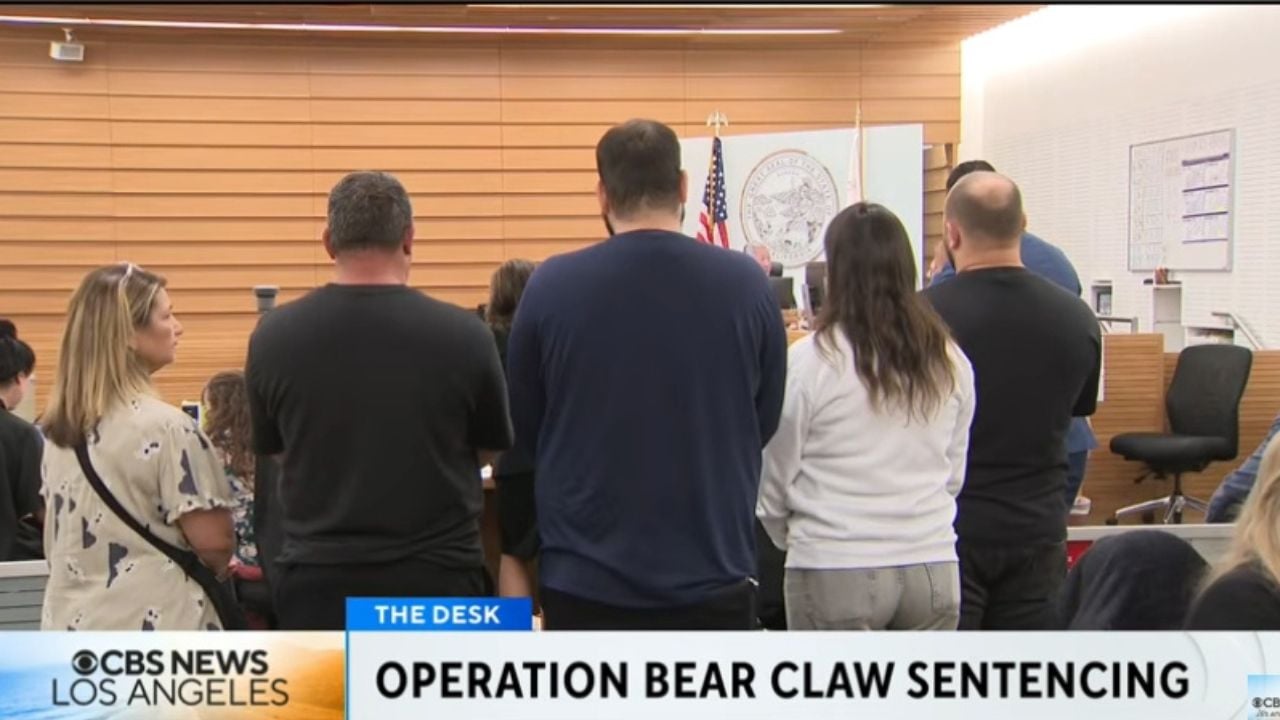
In addition to jail time, they were ordered to pay restitution, covering a significant portion of the money obtained through the fraudulent claims. A fourth suspect has also been charged and is expected to face court proceedings.
The case drew widespread attention not only for the financial aspect but for its sheer oddity.
Insurance fraud often conjures images of staged collisions or inflated repair bills. This incident pushed into far stranger territory, blending costume performance with calculated deception in a way that captured public curiosity.
Apparently, even high-end vehicles like a Rolls-Royce can be reduced to common props in elaborate schemes. The outcome also underscores the level of scrutiny insurers are willing to apply when claims raise red flags.
In this instance, it took a combination of investigative persistence and expert analysis to expose a plan that relied heavily on spectacle.
Ultimately, watching the video clip of a human bear tearing through a Rolls-Royce in order to fool insurance companies makes for a memorable viewing. The real story was far more human, though, and far more flawed.
Sources: NYT