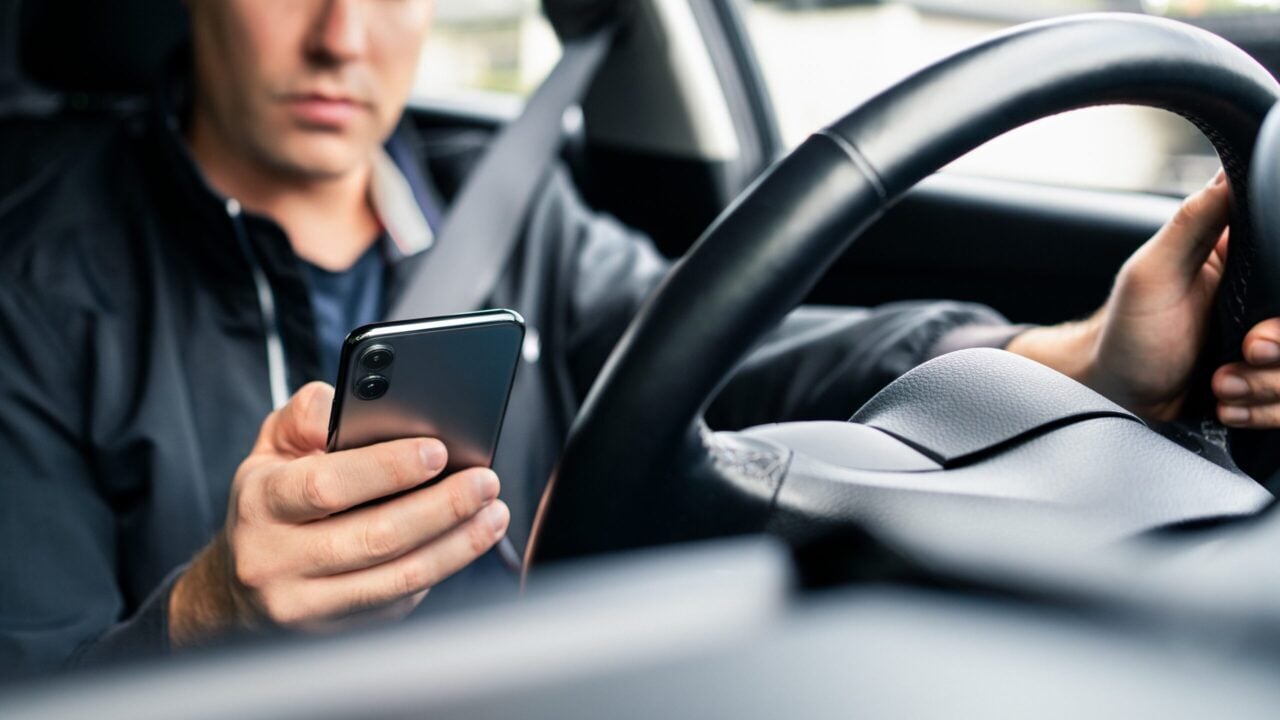
The next weapon in America’s road-safety battle is not a radar gun or a traffic camera. In fact, most of us already carry it in our pockets. We are, of course, talking about the mobile phone.
Safety groups and state agencies are increasingly turning to anonymous phone data to understand how people actually drive, using sensors already built into modern devices to spot speeding, harsh braking, sudden acceleration, and distracted driving.
Supporters say it could help save lives by revealing dangerous roads and risky driving habits far faster than old crash-report systems ever could. Critics, however, see the idea as another step toward a surveillance-heavy future where everyday technology quietly monitors behavior.
That tension is exactly what makes this story important. Whether people like it or not, the phone has become one of the most powerful witnesses on the road.
How Your Phone Can Detect Bad Driving
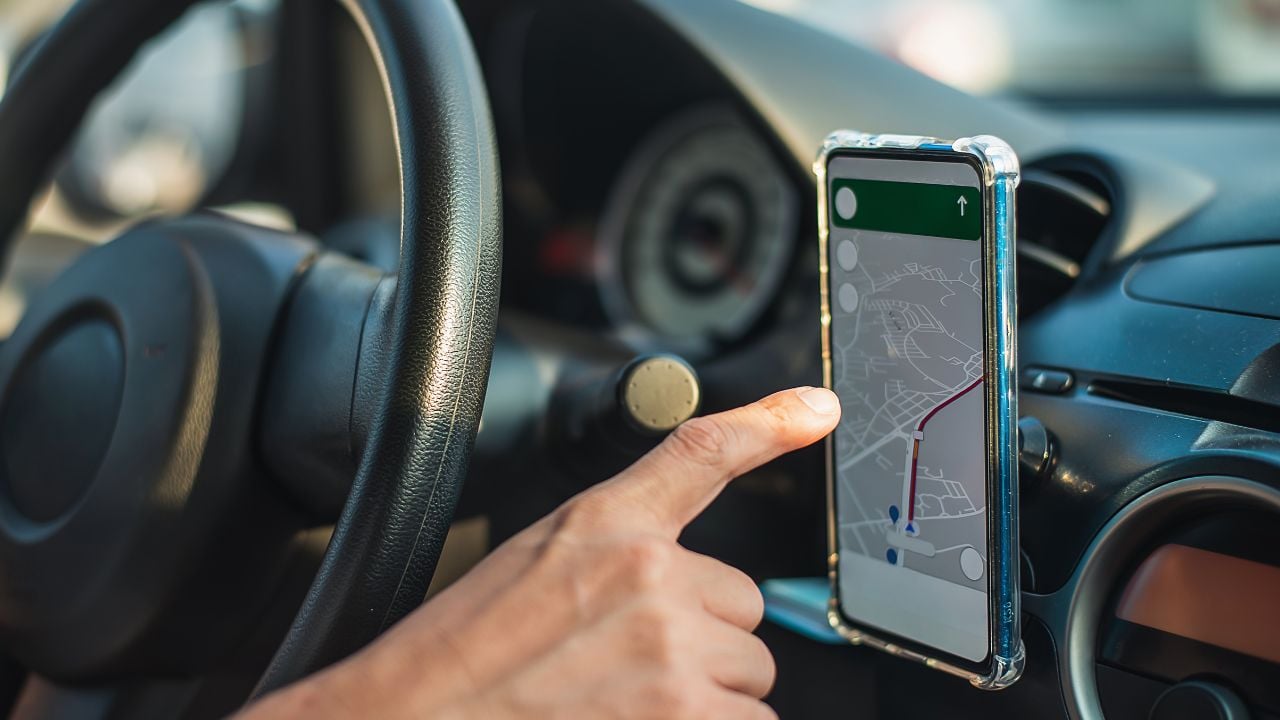
Modern smartphones contain accelerometers, gyroscopes, and GPS sensors that can measure movement, speed, direction changes, and sudden stops.
That means a phone mounted in a car, or even tossed in a cupholder, can often detect when a driver brakes hard, accelerates aggressively, corners sharply, speeds, or picks up the device while moving.
Many Americans already share this kind of data voluntarily through insurance “safe driver” apps from companies offering discounts for good habits.
Those programs score trips and monitor behavior, usually in exchange for lower premiums.
Why Governments Want the Data
Traditional traffic safety planning often relies on crash reports that can be months or even years old by the time agencies fully analyze them.
That creates a problem: officials are reacting after people have already been hurt.
Groups like the Governors Highway Safety Association argue that anonymized telematics data allows states to become proactive instead.
If a stretch of road suddenly shows spikes in phone handling, speeding, or panic braking, authorities could investigate immediately rather than waiting for multiple serious crashes.
What the Data Can Reveal
Instead of one police officer catching one speeder, telematics can show patterns across thousands of vehicles.
For example, a certain highway off-ramp might generate constant hard braking every weekday morning.
A suburban arterial road might show widespread speeding late at night.
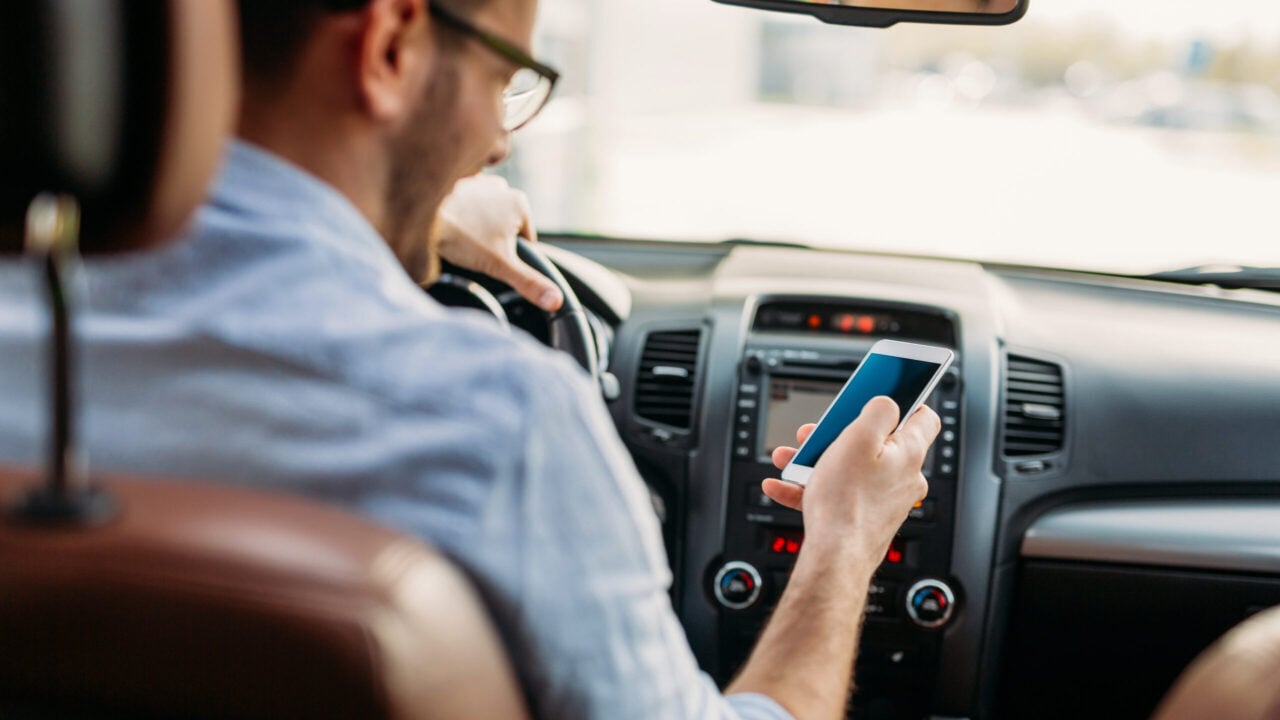
An intersection may reveal heavy phone distraction during commuter hours.
That kind of pattern data can help planners decide where to add enforcement, redesign lanes, improve signage, or adjust traffic flow.
Are They Tracking Individual Drivers?
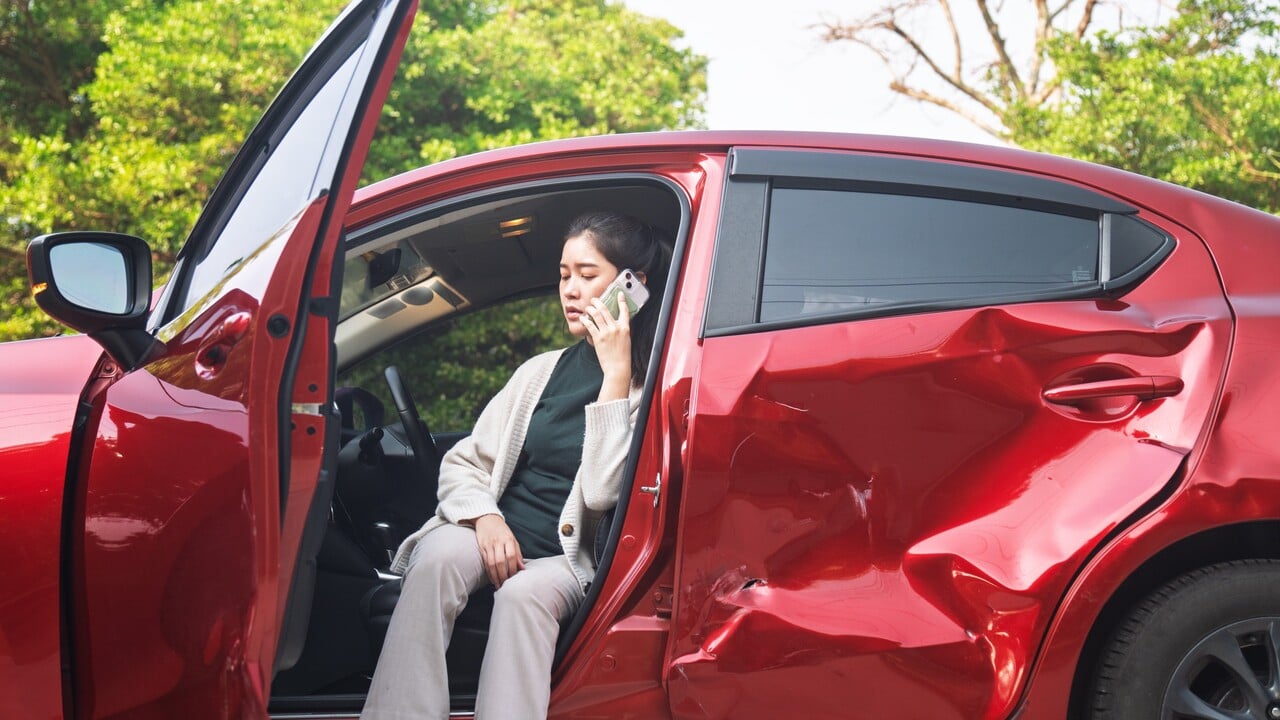
This is where the controversy gets real.
Supporters say the information sent to government agencies is aggregated and anonymized, meaning officials see trends, not names, messages, or personal trip histories.
In theory, they are not receiving “John Smith checked Instagram at 8:07 a.m. while driving.”
They are receiving something more like, “Hundreds of devices showed phone handling on this corridor between 7:30 and 8:15 a.m.”
Why Some People Still Won’t Like It
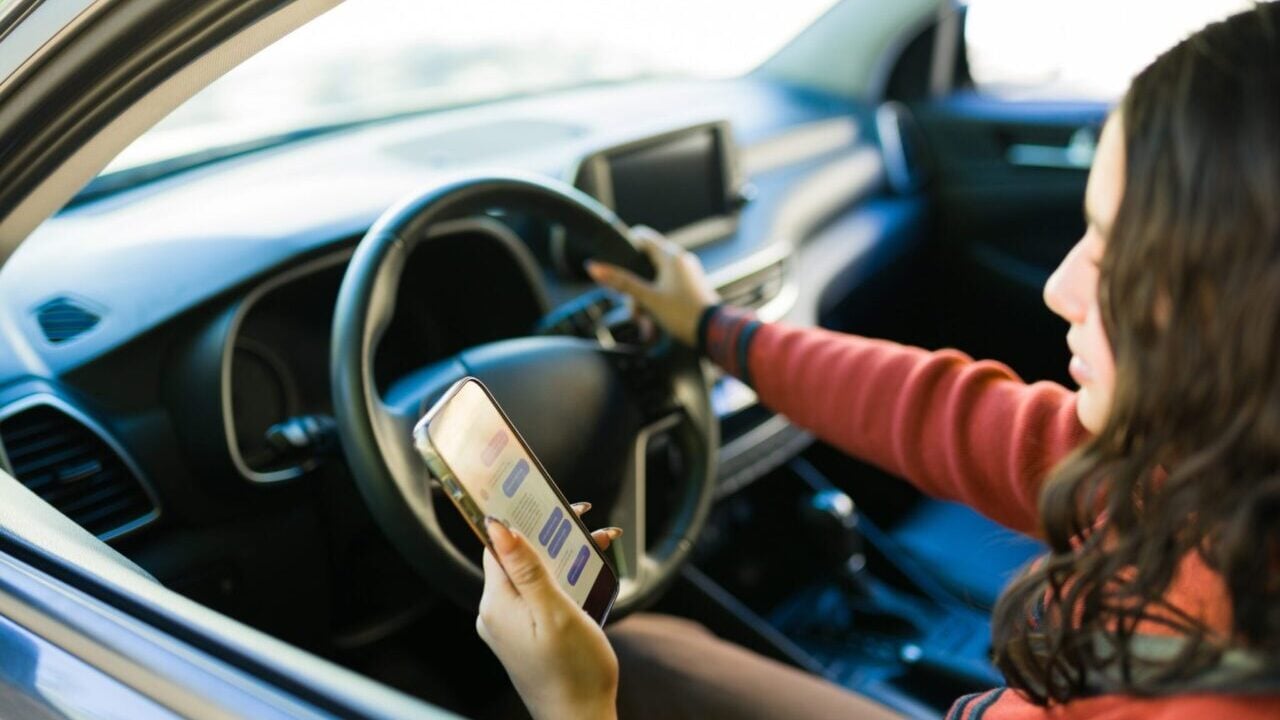
Even anonymized systems make many people uneasy.
Some drivers worry that anonymity today could become personalized tomorrow.
Others dislike the broader principle that private companies collect behavior data and then sell insights to public agencies.
And some simply do not trust promises about firewalls between planning data and law enforcement.
Those concerns are not irrational, as history shows that data systems often expand once they exist.
Why Supporters Think It’s Worth It
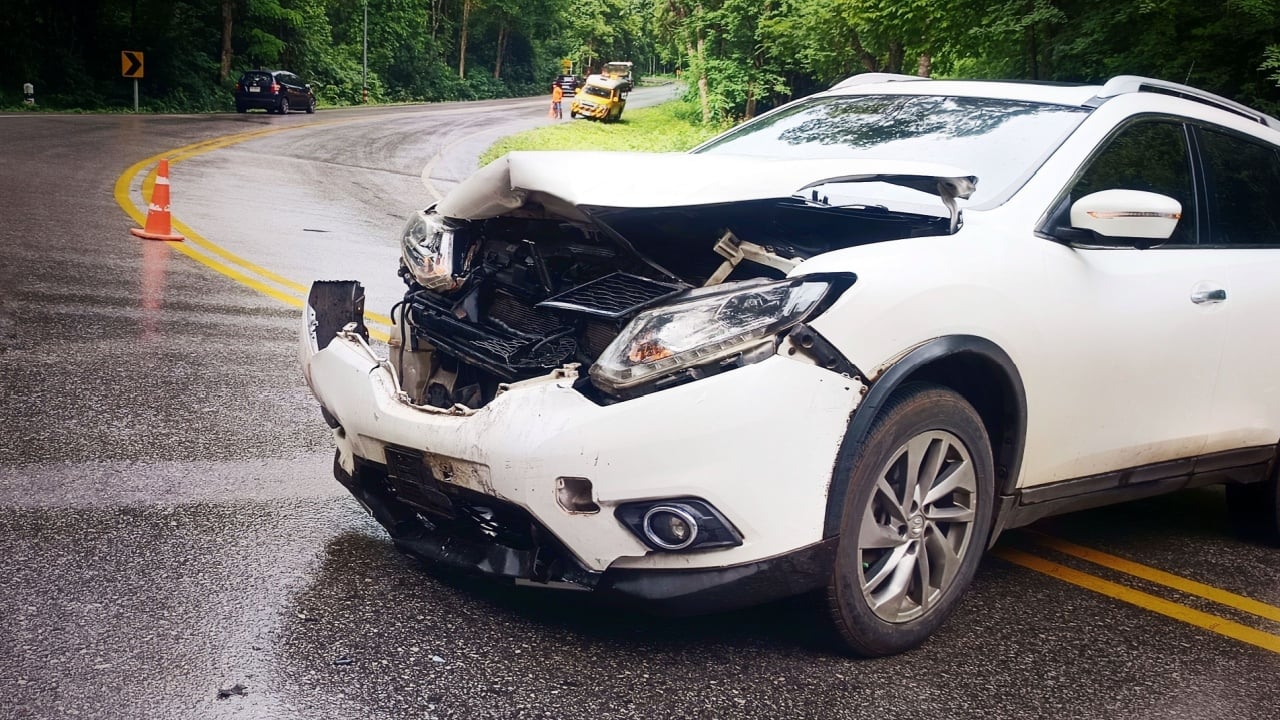
The counterargument is blunt: dangerous driving kills people every day.
If anonymous data can identify a deadly road before another family gets a late-night phone call, many will see that as a reasonable tradeoff.
This is especially true when distracted driving remains one of the hardest traffic offenses to enforce consistently.
Police cannot be everywhere. Sensors can.
The Bigger Change Happening Now
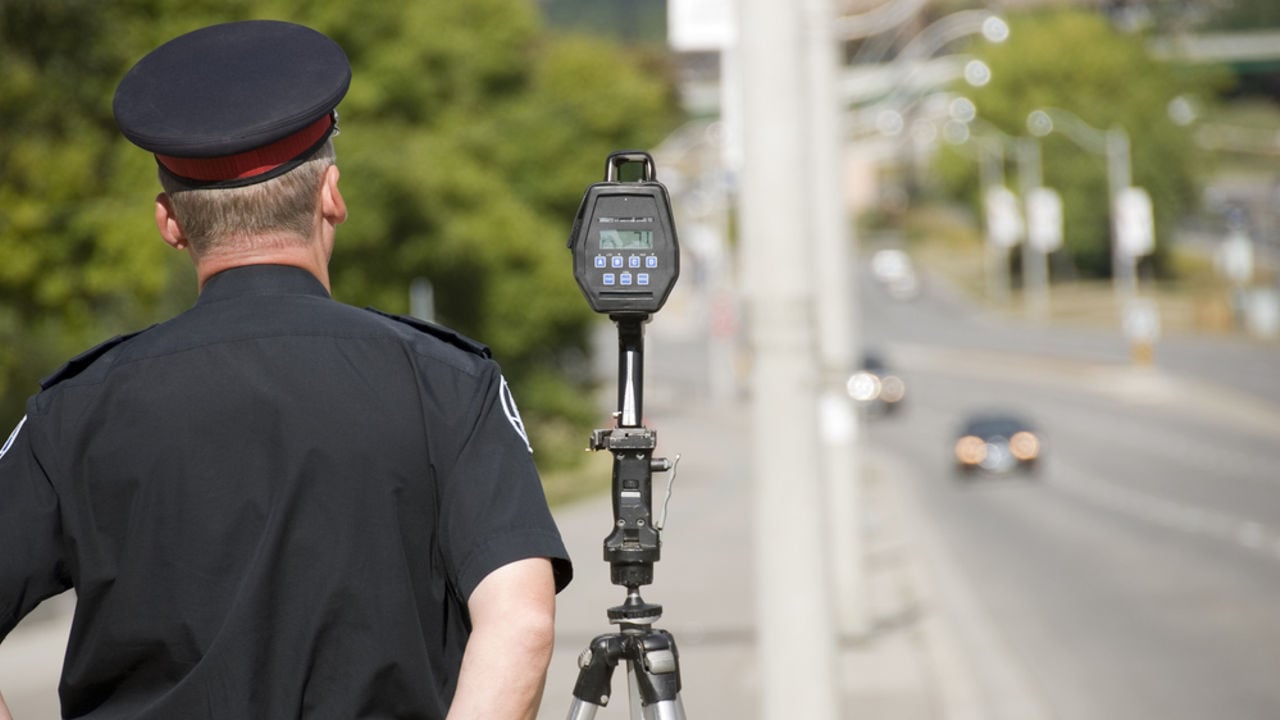
This story is really about how everyday devices are becoming infrastructure tools.
Phones already help navigate traffic, call emergency services, and document crashes. Now they are being used to redesign streets and target risky behavior, too.
The same device that distracts drivers may soon help stop them from crashing.
Whether that sounds smart or unsettling probably depends on how much trust you still have left in the system.