Classic cars have a presence that modern vehicles rarely match. Their shapes tell stories, their details reflect pride, and everything about them feels crafted with intention. At the front of it all, hood ornaments stood tall—small sculptures that captured the spirit of the machine behind them.
Most automakers have moved away from hood ornaments, thanks to stricter safety regulations and pedestrian impact standards. But for decades, they were a symbol of elegance, performance, and sometimes a touch of whimsy. From soaring goddesses to chrome animals frozen in motion, these ornaments added charm to every drive and turned car hoods into pedestals for rolling art.
What Makes a Car Classic and Its Ornament Iconic
For this list, we focused on classic cars with hood ornaments that left a visual and emotional impact. In general, a classic car is one that’s at least 20 years old and holds cultural, historical, or design significance. Rarity, originality, and the preservation of factory details all played a role in how these vehicles—and their ornaments—were considered. Hood ornaments were never afterthoughts. Designers treated them as brand signatures, symbols of speed, power, or elegance.
Some were graceful, some playful, and some downright bold. We chose ornaments that reflected the spirit of the car they sat on and captured the imagination of anyone who saw them. This isn’t a technical ranking, and it’s not just about precious metals or fine sculpting. It’s about style, identity, and the way one small piece of chrome could elevate an entire machine.
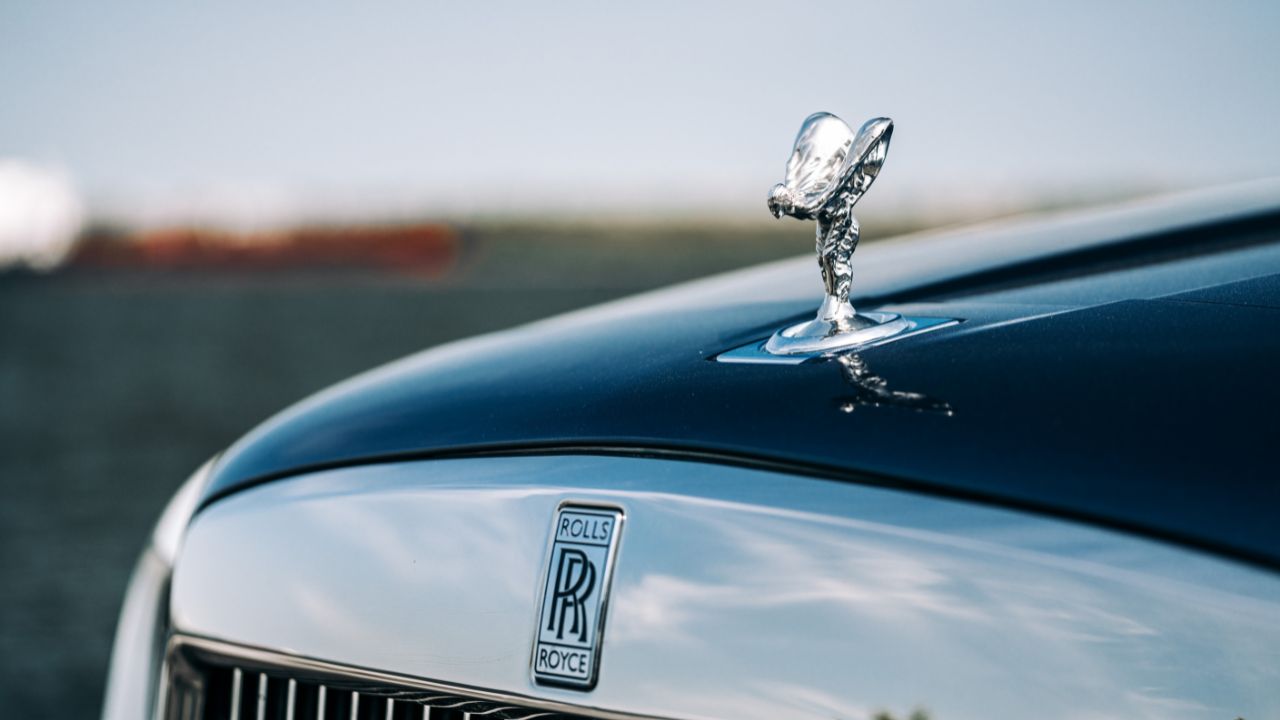
Rolls-Royce “Spirit of Ecstasy”

The “Spirit of Ecstasy” rises from the front of a Rolls-Royce like a whispered promise of elegance. Her arms stretch backward, her gown billowing into wings, as if captured in graceful flight. Crafted with detail that matches the craftsmanship of the car itself, she reflects both motion and serenity. No part of the ornament feels exaggerated. It lives in proportion and refinement.
Whether cast in polished stainless steel, silver, or crystal, the sculpture never loses its soft power. On older Silver Ghosts and Phantoms, it draws admiration even when the car is parked in silence. She brings a quiet dignity to the brand. She is art in motion, mounted proudly on machinery that celebrates restraint over flash. Many try to replicate grace. Rolls-Royce simply placed it on the hood.
Packard Cormorant
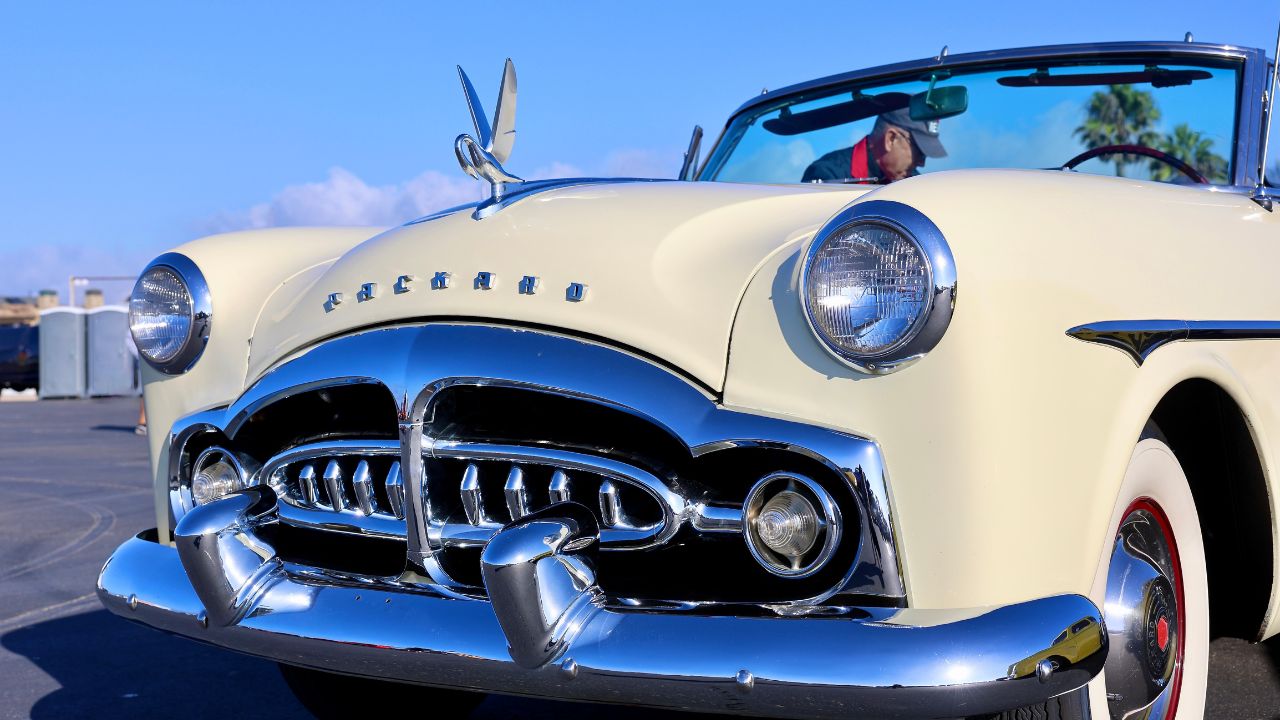
The cormorant on a Packard flies in place, wings swept back, long neck reaching forward, tail curved into the breeze. It offers a dynamic presence, giving the illusion of forward motion even when the car rests in stillness. Elegantly perched above vertical grilles and long hoods, this ornament becomes part of the Packard silhouette. The level of detail is exquisite. Each feather carries definition.
Its metallic finish gleams with a richness that matches the interior wood and leather. The bird doesn’t just decorate, it completes the car’s sense of sophistication. On touring sedans and convertibles from the 1930s and 1940s, it adds elevation and presence. The cormorant flies for no one but itself, and yet it leads a whole car behind it.
Models with this ornament:
- Packard Super Eight Convertible Coupe (1940)
- Packard Custom Eight Touring Sedan (1948-1950)
Cadillac Flying Goddess
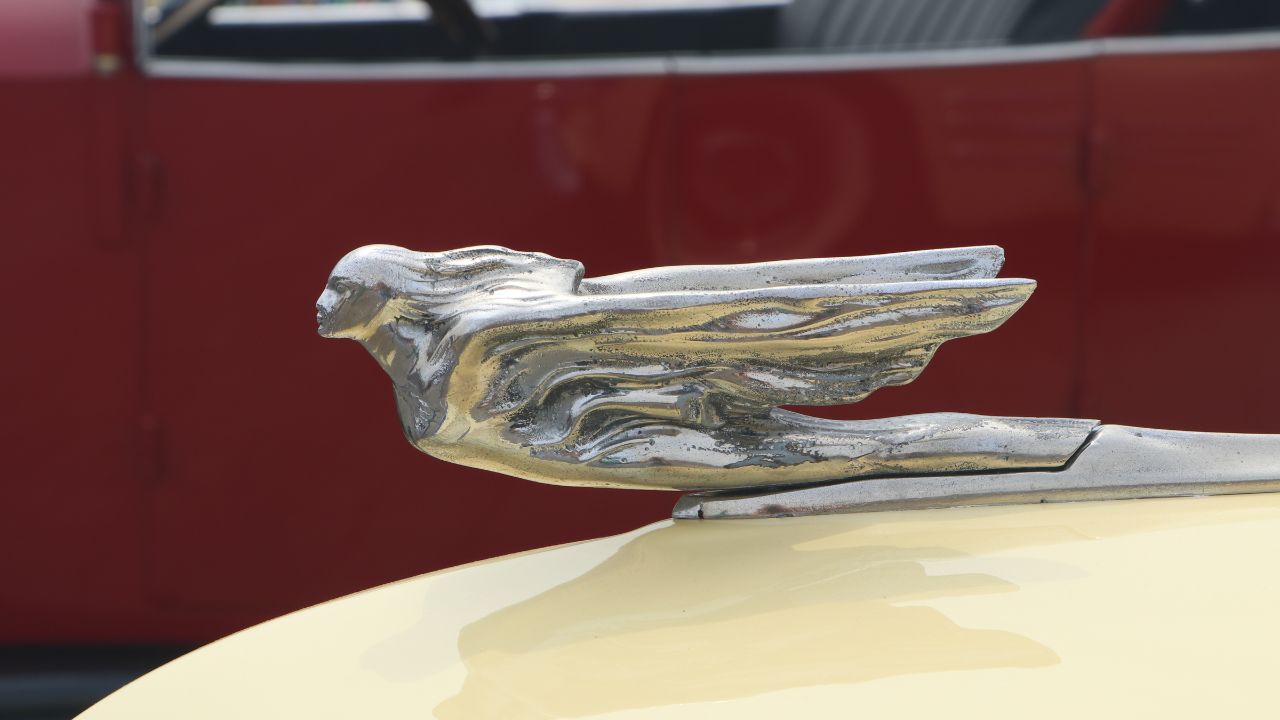
Cadillac’s goddess figures captured the optimism of postwar America. She stretches her body forward, head raised, arms extended, hair trailing into aerodynamic lines. She doesn’t pose; she moves. Her presence on late 1940s and early 1950s Cadillacs reflects an era when even decoration had direction. Chrome-polished and full of rhythm, she stood for a kind of confident motion.
The sculpture integrates with the hood like it belongs in flight. She doesn’t just belong to the car; she lifts it. Her figure holds both strength and beauty. Some versions of the ornament even appear translucent when illuminated by headlamps. This was more than ornamentation. It was symbolism. The Cadillac goddess wasn’t there to impress. She existed to inspire.
Models with this ornament:
- Cadillac Series 62 Sedanette (1948-1949)
- Cadillac Series 60 Special (1950-1952)
Pierce-Arrow Archer
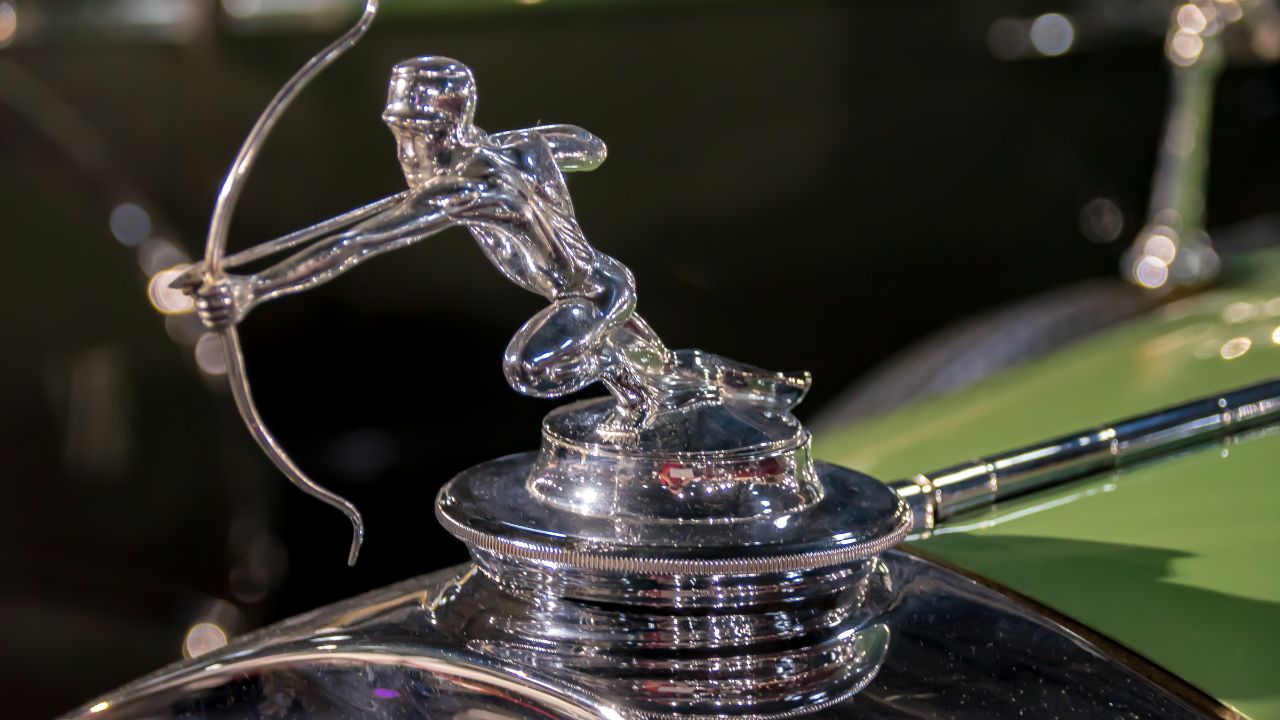
The archer of the Pierce-Arrow points his bow into the wind, back curved, arms poised, as if drawing time itself toward a target only he can see. The ornament is tension and grace fused into a single moment. Unlike many figurines, this one tells a complete story. The body has muscle. The bow has tension. The direction has intent.
Placed atop one of America’s earliest luxury cars, the ornament stood as both tribute and challenge. It made every Pierce-Arrow look ready to conquer distance. Owners and admirers alike saw it as a mark of quality, artistry, and determination. Few ornaments carry as much narrative energy. Fewer still do it with such balance.
Models with this ornament:
- Pierce-Arrow Model 33 (1929-1932)
- Pierce-Arrow Model 1245 Sedan (1933-1935)
Buick Plane Ornament
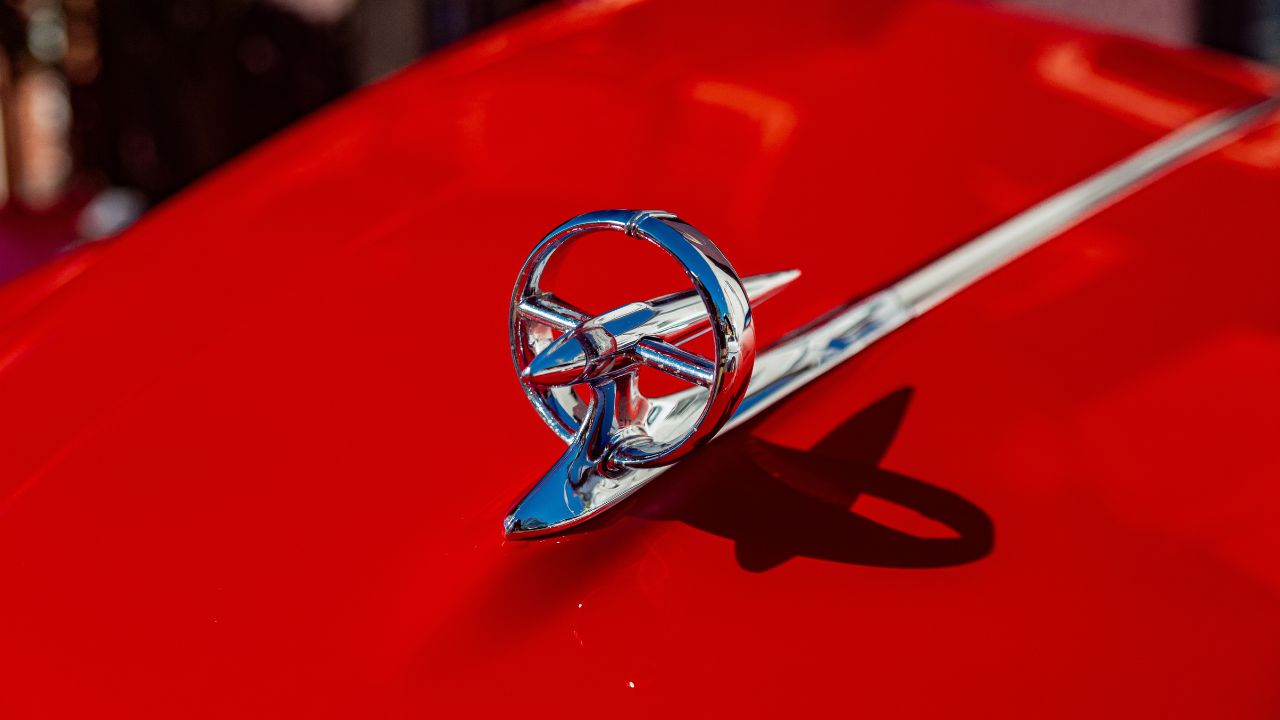
During the 1940s, Buick introduced a hood ornament shaped like a streamlined airplane, and it felt as though the skies themselves had been brought to the road. It reflected an age obsessed with speed and travel, with curved wings and a pointed nose leading the way. This little jet sat atop the grille like a symbol of ambition. The lines felt aerodynamic, even when resting in a driveway.
On Buick Super and Roadmaster models, the plane added flair without being loud. Its polished chrome finish gave off reflections that danced with the light. Looking at it was like watching flight frozen in time. It wasn’t whimsical. It was deliberate. The Buick plane ornament carried the promise of modernity, long before jet travel became routine.
Models with this ornament:
- Buick Super Eight (1946-1948)
- Buick Roadmaster Convertible (1950)
Lincoln Greyhound
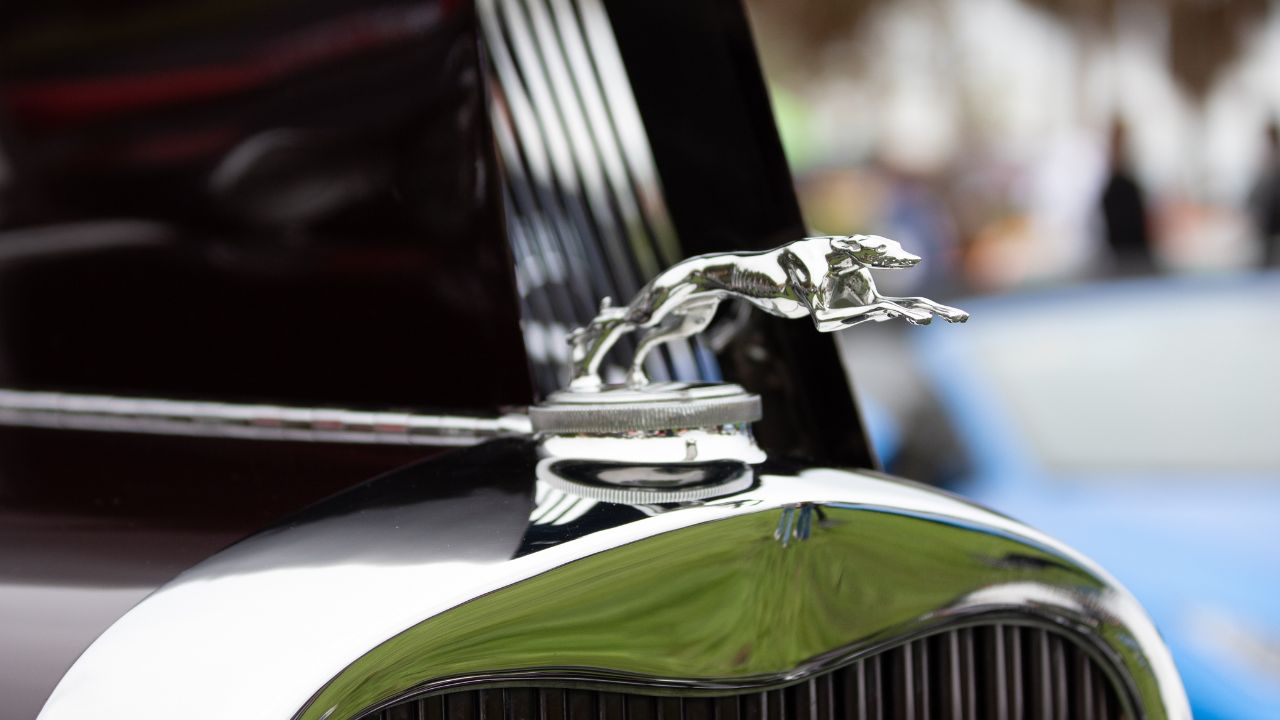
Grace and motion take perfect shape in Lincoln’s leaping greyhound, a symbol that seems mid-run even when the car is still. This canine sculpture carries a natural fluidity, with legs stretched and body curved as if racing toward the horizon. Introduced during the 1930s and featured on many V12 models, the greyhound matched the elegance of the Lincoln bodywork with poise. Its curves mirror the car’s flowing fenders.
The placement feels balanced, always leading the way, always poised. What made this ornament remarkable wasn’t just its shape. It was its energy. The greyhound gave each Lincoln a sense of forward momentum before the ignition turned. It wasn’t a pet. It was a purpose.
Models with this ornament:
- Lincoln Model K (1934-1939)
- Lincoln Zephyr V12 (1937-1940)
Auburn Boattail Speedster “Radiator Cap Ornament”
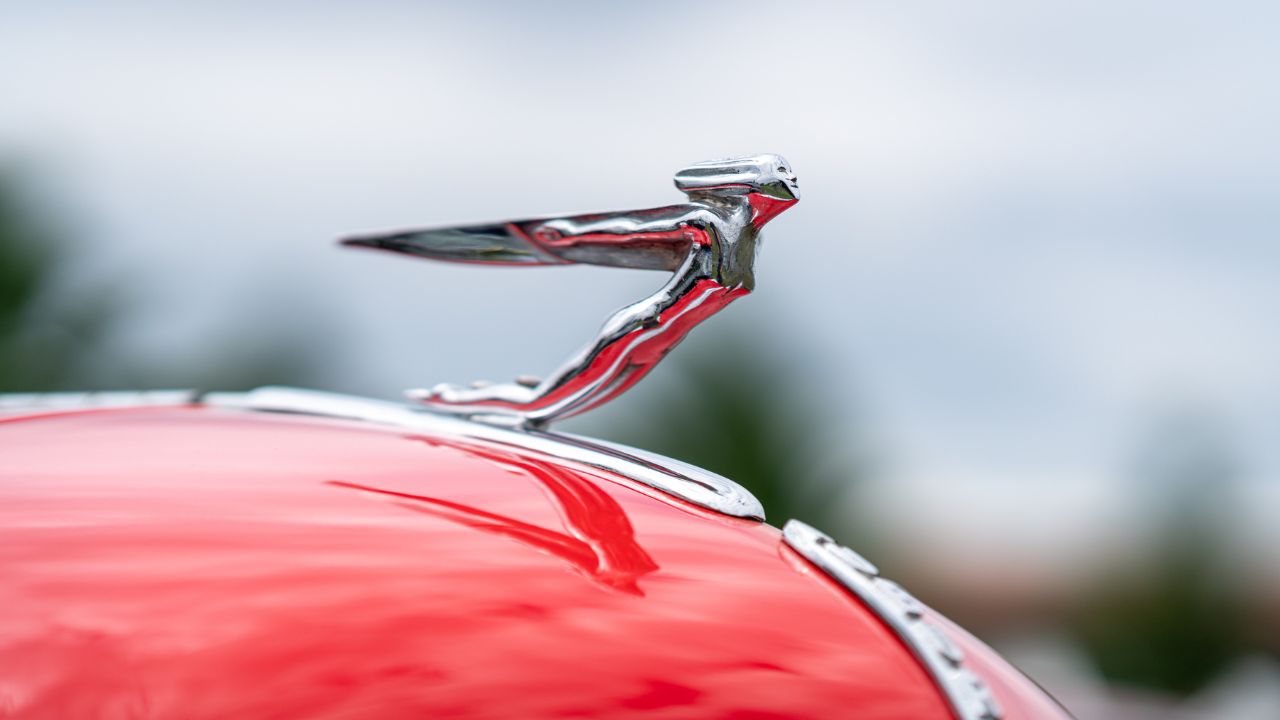
The ornament crowning the Auburn Boattail Speedster feels like a moment frozen in bronze, perched atop one of the most elegantly daring vehicles of the 1930s. Often shaped in the form of a feathered figure or stylized bird-in-flight, this piece perfectly echoed the aerodynamic flow of the Speedster’s sloping rear. Its presence on the sharply tapered hood elevated the car’s profile from impressive to unforgettable. The ornament was not loud or grandiose. It worked as an extension of the car’s vision, long, low, and built to glide.
Chrome wings stretched outward with precision, catching sunlight in motion as the car sliced through it. On concours lawns and historic races, it remains a sculptural signature that whispers of fearless design. The Auburn name may carry less recognition today, but this ornament leaves a lasting impression wherever the Speedster appears. It is elegance without arrogance, placed at the very edge of innovation.
Models with this ornament:
- Auburn 851 Boattail Speedster (1935)
- Auburn 852 Boattail Speedster (1936)
Jaguar Leaper
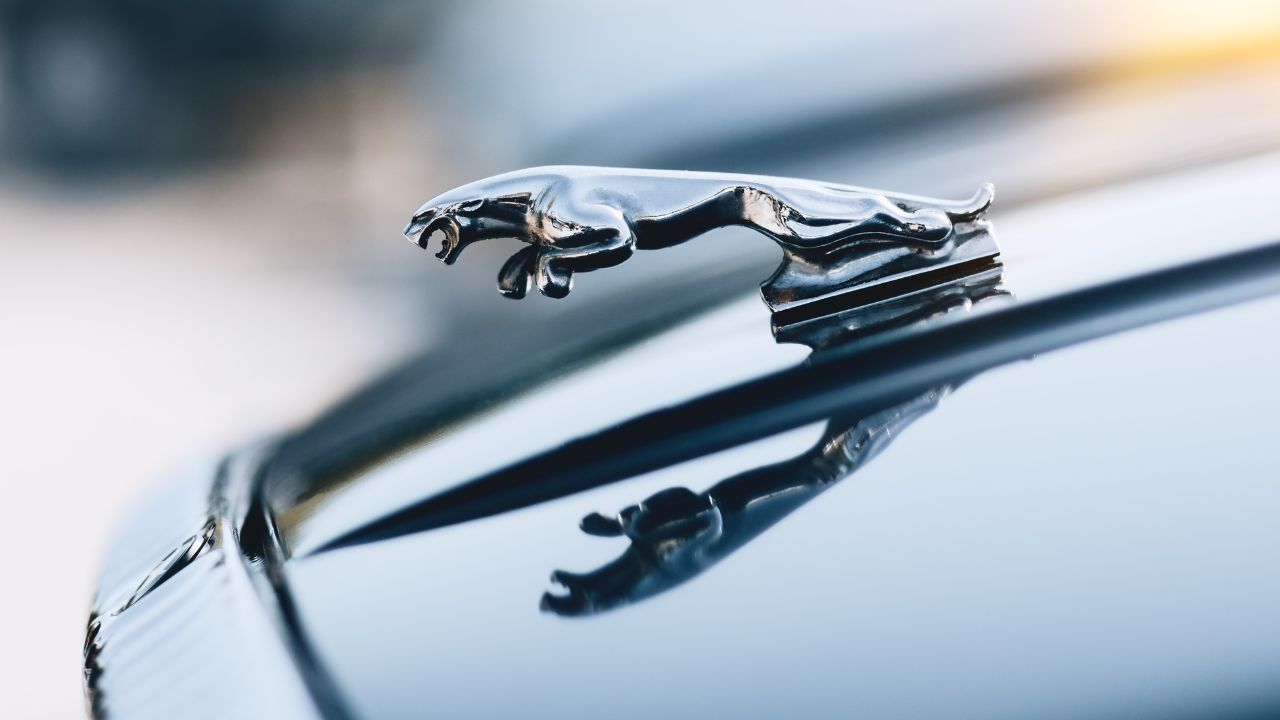
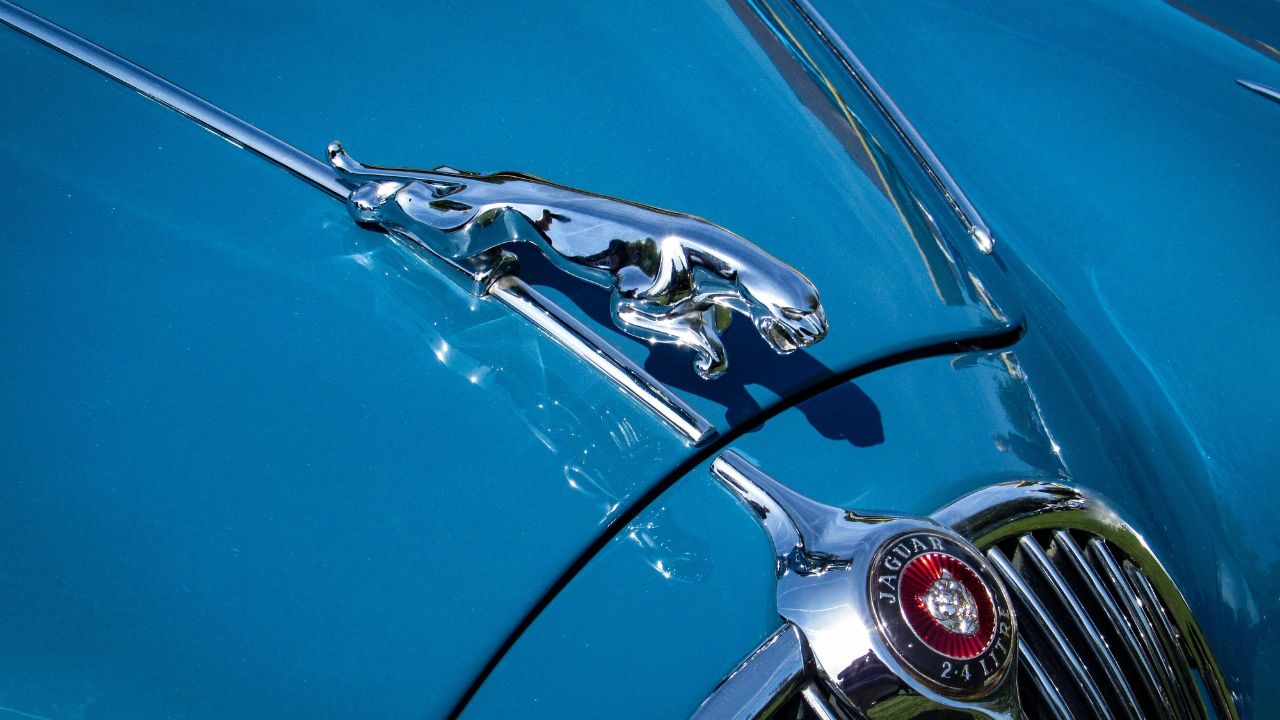
The leaping jaguar pounces with intensity, caught in a moment that feels both wild and composed. Perched on long British bonnets, this ornament transforms the animal into a mechanical muse. Its posture is athletic, with haunches raised and forelegs extended, yet it feels sculpted rather than aggressive. Chrome highlights the animal’s muscle lines and form.
Found on Mark series sedans and XK models, the ornament reflects speed, luxury, and presence. It’s one of the most recognizable automotive figures ever made. The jaguar’s silent motion gives life to every curve behind it. Theres boldness in its form, but also respect.
Models with this ornament:
- Jaguar XK120 (1948-1954)
- Jaguar Mark 2 (1959-1967)
Chevrolet Bel Air Jet Ornament
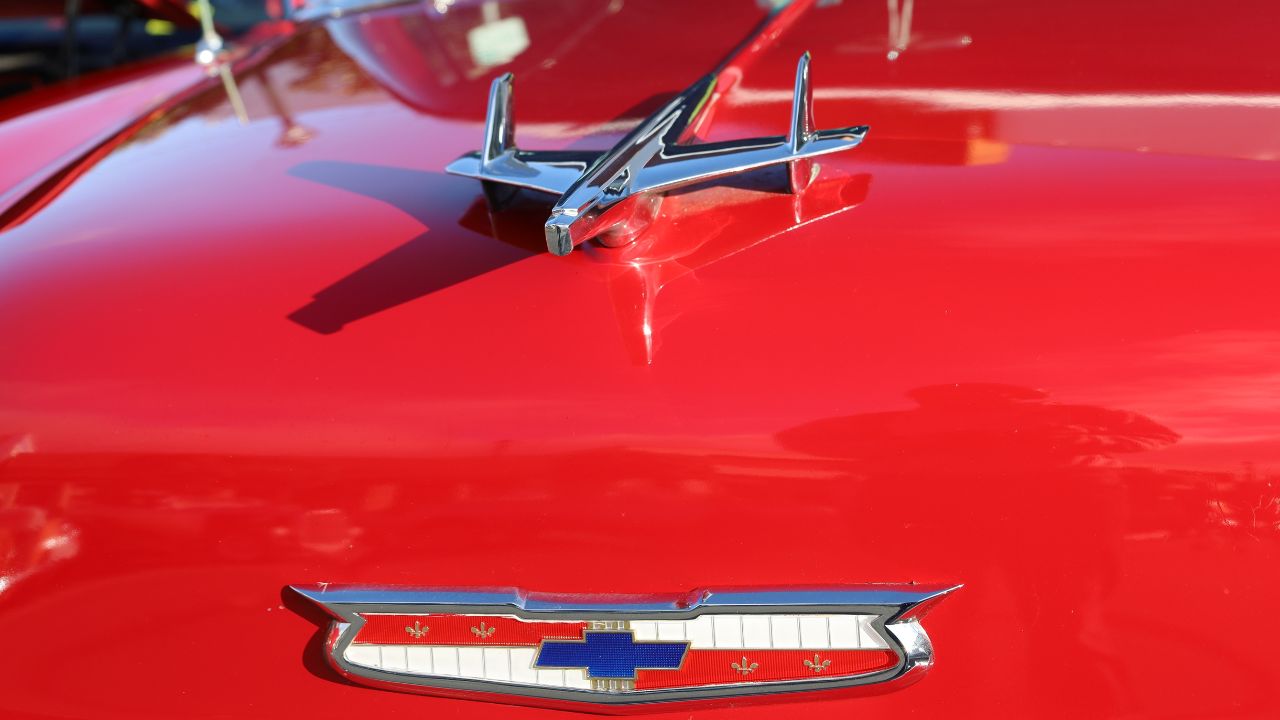
The Chevrolet Bel Air’s jet-inspired hood ornament remains one of the most iconic symbols from the golden age of American automotive styling. Sculpted like a miniature fighter plane with sleek wings and a pointed fuselage, it sat proudly at the front of mid-1950s Bel Airs, echoing the nations fascination with aviation and space-age optimism. This ornament wasn’t subtle, it celebrated speed, ambition, and forward motion through sharp chrome lines and aerodynamic energy. It felt as if the car itself might take flight if you pressed the pedal hard enough.
Positioned atop sweeping fenders and gleaming grilles, the jet balanced bold design with artistic intention. It served as a focal point, a statement of confidence, and a reminder that the future was meant to be chased. Few ornaments capture the spirit of their era as vividly. Even today, it stands as a tribute to how imagination once shaped steel into dreams.
Models with this ornament:
- Chevrolet Bel Air (1955)
- Chevrolet Bel Air Sport Coupe (1956)
Pontiac Indian Chief Ornament
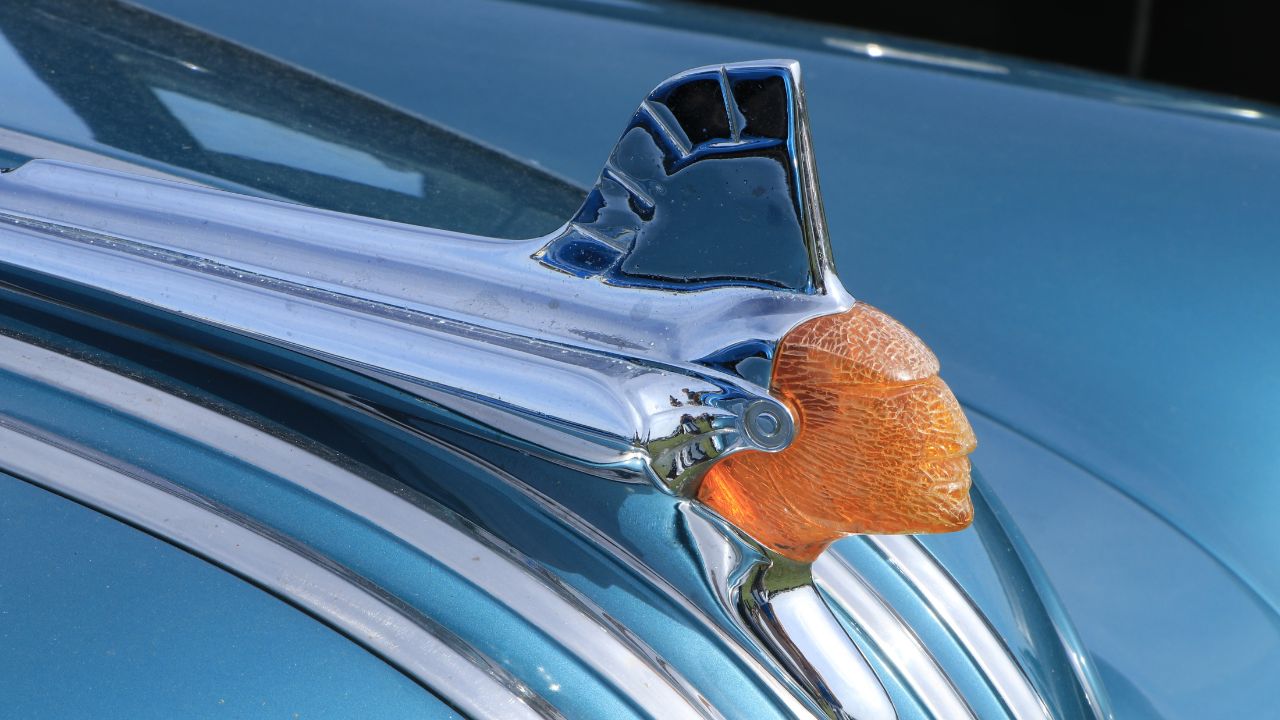
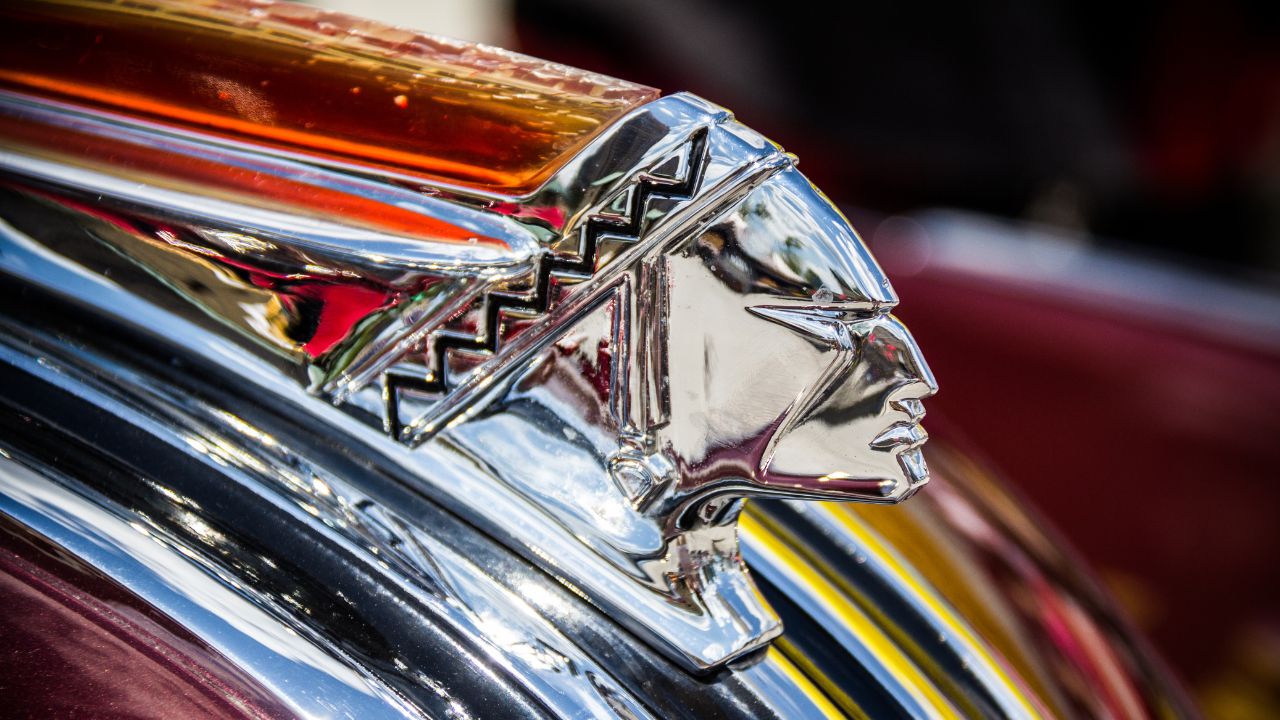
The Pontiac Indian Chief hood ornament stands as one of the most striking and culturally rich symbols ever mounted on an American automobile. It features the proud profile of a Native American chief, often crafted in translucent amber or red plastic, illuminated from within by the car’s headlights. When lit, the face glows with quiet intensity, casting a warm and unforgettable presence that feels ceremonial in its design.
Every line of the face shows dignity and strength, while the headdress flows backward in sweeping chrome, blending history with aerodynamic artistry. Positioned at the very front of 1940s and 1950s Pontiacs, this ornament announced the car’s identity with absolute clarity and reverence. On twilight drives or under showroom lights, the glowing chief turned heads and stirred emotion. This was more than a design choice. It was a tribute, a legacy, and a lit guide into the road ahead.
Models with this ornament:
- Pontiac Streamliner (1948-1950)
- Pontiac Chieftain Deluxe Eight (1954)
Mercedes-Benz Three-Pointed Star
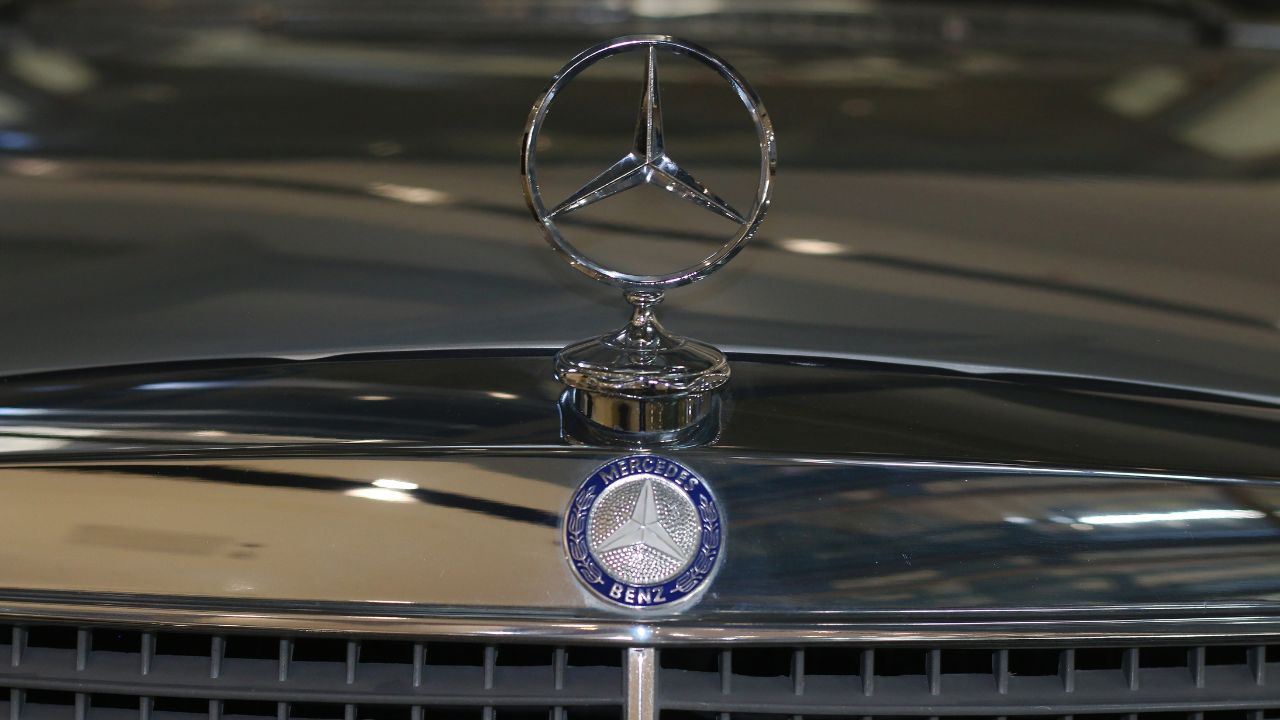
The Mercedes-Benz three-pointed star rises within a delicate circular frame that carries both simplicity and deep symbolism. It represents the brand’s ambition to master land, sea, and air, a vision embedded directly into the chrome that crowns the grille. Unlike many ornaments shaped as figures or creatures, this star stands still yet suggests global movement and precision.
On classic Mercedes models, especially the stately S-Class sedans and luxurious coupes of the 1950s through the 1980s, the ornament serves as a compass, always pointing forward with restraint and elegance. The slender stem gives it a floating appearance, allowing it to catch light from all directions without overpowering the front of the car. Every curve around it reflects grace and order. This emblem never tries to dazzle. It simply affirms presence. In showrooms, on autobahns, or parked beneath centuries-old European trees, it always belongs.
Models with this ornament:
- Mercedes-Benz 220S (1954-1959)
- Mercedes-Benz 280SE (1965-1972)
Bentley “Flying B”
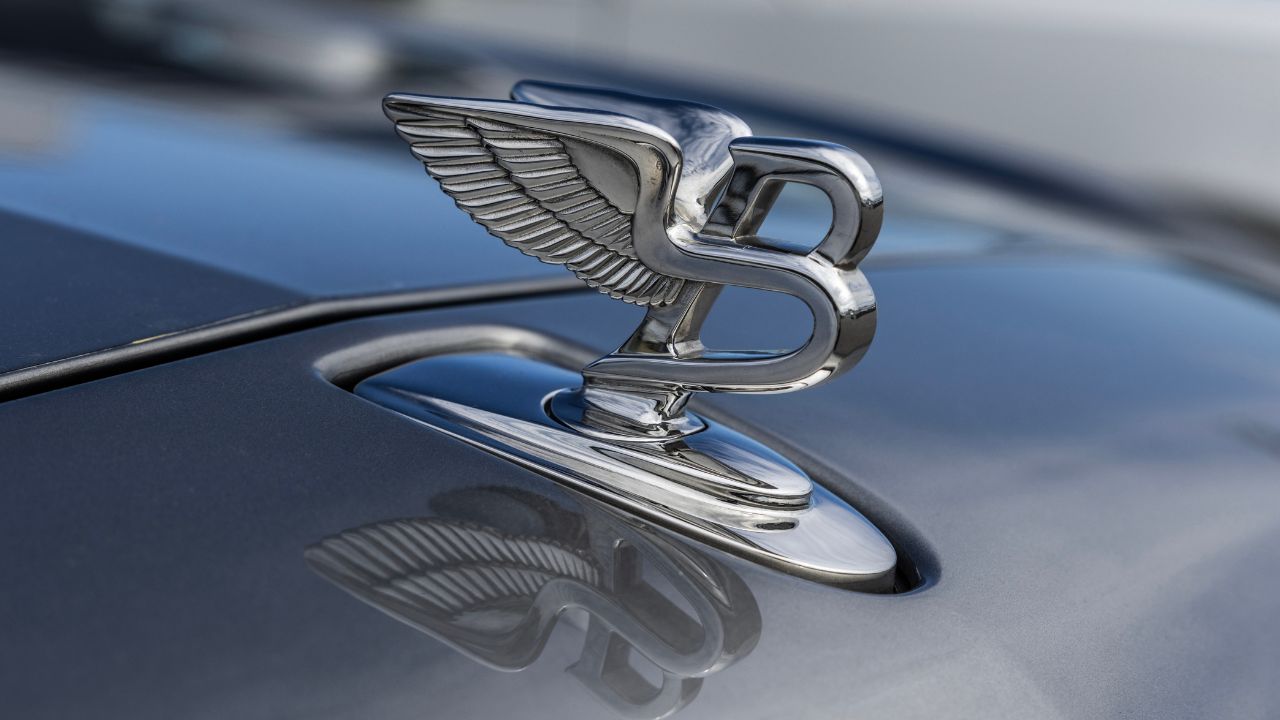
The “Flying B” of Bentley emerges from the front of the car with poise and perfection, combining heritage with restraint. The upright B stands bold, while wings arc back in symmetry. The ornament sits just high enough to catch attention without demanding it. The detail lies in proportion. Found on pre-war and early post-war models, this piece reflected the craftsmanship that lived beneath the hood.
The flying B isn’t overly ornate. It doesn’t gesture wildly. It simply carries presence. The car wears it like a signature. For Bentley, refinement doesn’t shout. It speaks softly through polished edges and timeless design.
Models with this ornament:
- Bentley 4 Litre Sports Saloon (1936-1939)
- Bentley S1 Continental (1955-1959)
A Moment of Stillness, A Symbol in Motion
There is something powerful about an ornament that sits still while promising motion. Classic cars lived in an era when styling mattered just as much as substance. Designers put intention into everything. Each ornament listed here told a different story, carried a different mood, and stood as a symbol of something greater than just steel. These weren’t gimmicks. They were part of a language that turned machines into icons. Look at one closely, and you can feel what the car meant to its maker. The sculptor’s hand is still visible in every line.
These ornaments remind us that cars once had faces, identities, even personalities that moved with grace. You don’t need to start the engine to feel it. Just walk to the front, lean in close, and listen with your eyes. Would you bring something like that back if you could? Or is it enough to remember that it once existed with such elegance?