
When most of us think of American classic cars, we picture muscle cars with roaring engines, tire-burning launches, and quarter-mile dominance. These machines symbolize raw American power and freedom on the open road. However, not every American classic car lived up to the hype. In fact, some models, despite their bold looks and aggressive marketing, were underwhelming in performance. They had the style and swagger, but their speed didn’t match the promise.
That doesn’t mean they were bad cars, and many were still fun to drive. Even if they don’t meet today’s speed standards, they’ve become cherished collectibles. But if you’re expecting these cars to be fire-breathing monsters, you might be disappointed. Let’s dive into the surprising truth about these muscle cars that looked the part but didn’t quite deliver on the performance front.
How We Chose These Cars

We based our list on a mix of real-world performance data, period reviews, and historical context. The goal wasn’t to shame these cars, but to highlight how expectations sometimes exceeded reality. We focused on models that carried the muscle car image but fell short in acceleration and overall performance. The reasons varied, but the most common culprits were emission regulations, rising insurance rates, or simply design compromises.
Most of these vehicles were from the late muscle car era and the malaise era, when restrictions heavily influenced performance. Some were even released during the peak years, but had underwhelming base trims. This article is about separating the myth from the reality while appreciating the unique story behind each car.
1974 Pontiac GTO
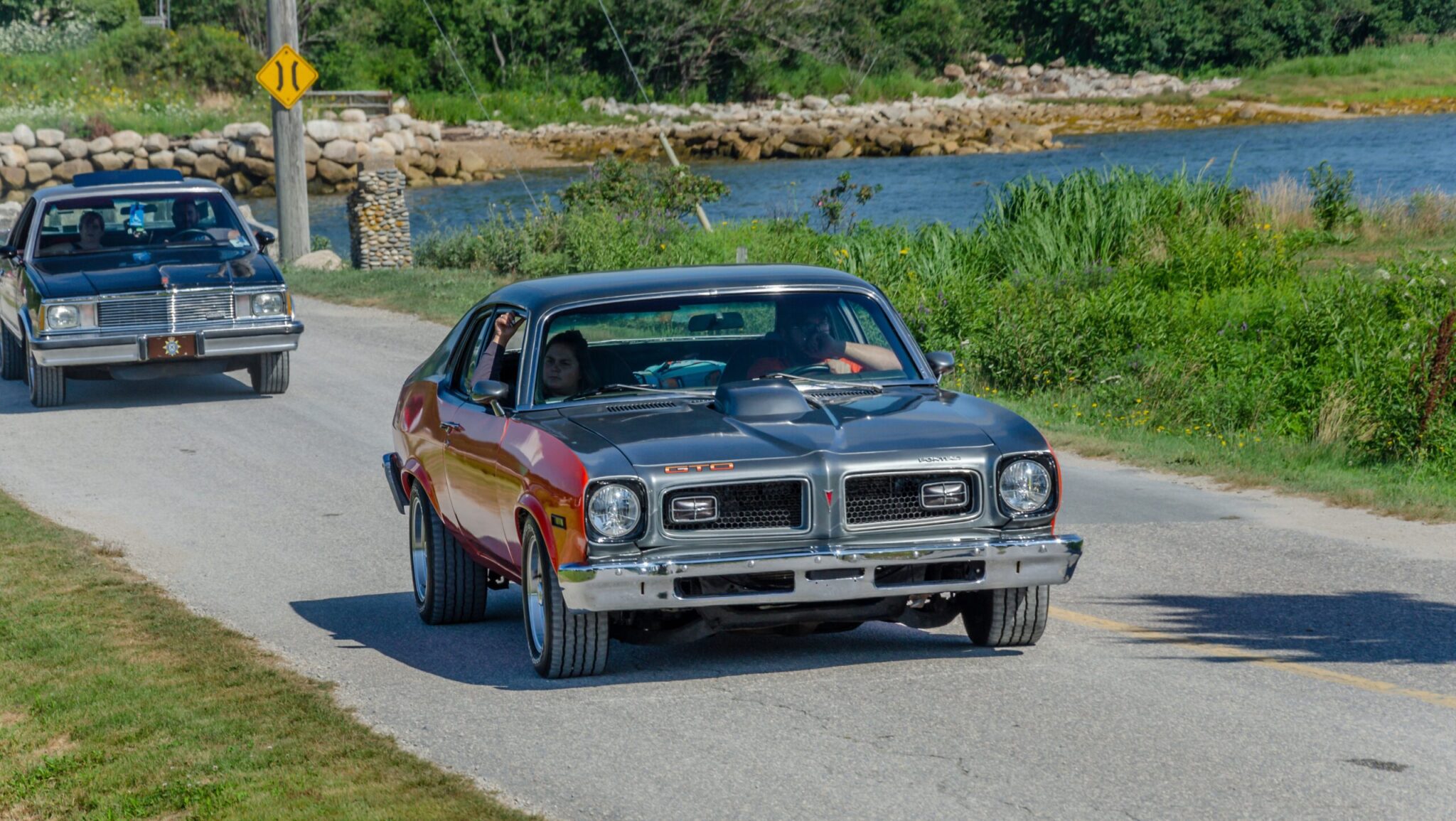
By 1974, the GTO was already past its golden era. This model year marked a significant downturn in performance, largely due to stricter emissions regulations and rising insurance premiums. The GTO’s once-feared acceleration had dulled, leaving enthusiasts underwhelmed.
While the car still carried the nameplate that defined muscle, the excitement under the hood wasn’t what fans remembered. Pontiac tried to maintain the aggressive styling, but the substance wasn’t there. It’s a classic example of how muscle car legends struggled during the mid-70s downturn.
1971 Ford Mustang Mach 1 (Base)

The Mach 1 badge evokes images of speed and power, but the base ’71 model wasn’t nearly as aggressive as its looks suggested. Buyers expecting blistering performance from the entry-level trim often left disappointed.
Sure, you could upgrade to bigger engines, but many buyers opted for the standard versions. It’s a reminder that not every Mustang with a sporty decal and scooped hood was a road warrior.
1964 Chevrolet Chevelle Malibu

The 1964 Chevrolet Malibu SS is a great example of a car that looked ready for action, but didn’t quite deliver on that promise. It was Chevrolet’s stylish intermediate, and the SS trim added sporty touches that hinted at performance.
However, in its most common configurations, the Malibu SS was more show than go. While you could get a V8, it wasn’t particularly potent compared to what the muscle car era would later demand. Buyers expecting a powerhouse were often surprised to find that this SS leaned more toward style than outright speed.
1974 Dodge Charger

The Dodge Charger is a legend, but the ’74 model showed how changing times could soften a once-fierce icon. Performance figures were modest, and the big body with added safety features only made it slower.
Charger fans still loved its styling, but the car couldn’t keep pace with the muscle cars of just a few years prior. This was a sign of the times for American performance.
1964 Dodge Dart

The 1964 Dodge Dart was an attractive, compact car that hinted at performance potential. Its sharp styling and available trim options gave it an edge in the showroom, suggesting a sporty personality.
However, most Darts of this era were modest performers. They were practical and affordable, but lacked the raw speed buyers might expect from a car marketed with sporty flair. While there were some livelier variants, the majority of these cars were more about economy than muscle, making them a slow surprise on the streets.
1973 Buick Gran Sport

The Gran Sport was another victim of the era’s changing priorities. Buick emphasized luxury touches while detuning engines for emissions compliance.
While the GS name hinted at speed, the reality was that it was more about smoothness than quickness. It had the looks, but the performance simply wasn’t there anymore.
1971 Plymouth Road Runner

The Plymouth Road Runner started life as one of the ultimate bang-for-your-buck muscle cars. Its no-nonsense approach and aggressive attitude made it a street legend in the late 1960s. But by 1971, things had changed. Emissions standards and rising insurance rates started chipping away at the muscle car formula.
While the 1971 Road Runner kept its bold styling and cartoon-inspired attitude, performance was already slipping. Even with optional upgrades, the car was heavier, and engines were more restricted than the fire-breathing monsters from just a year prior. It still looked ready to tear up the asphalt, but in reality, it was more bark than bite compared to its glory days.
1973 Pontiac Grand Am
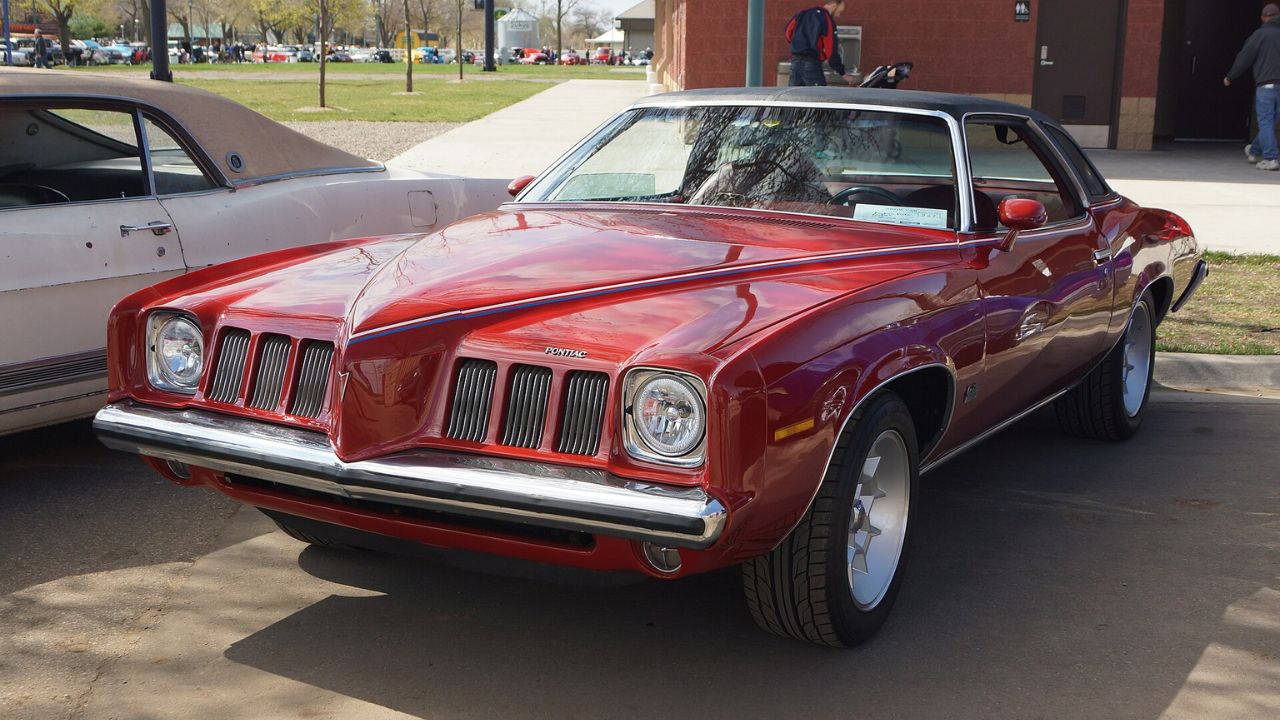
Pontiac marketed the Grand Am as a blend of European handling and American muscle. It sounded exciting, but in reality, it didn’t live up to the hype.
The car’s weight and detuned engines meant lackluster performance. It’s an example of ambition meeting reality in a challenging era for performance cars.
1974 AMC Matador
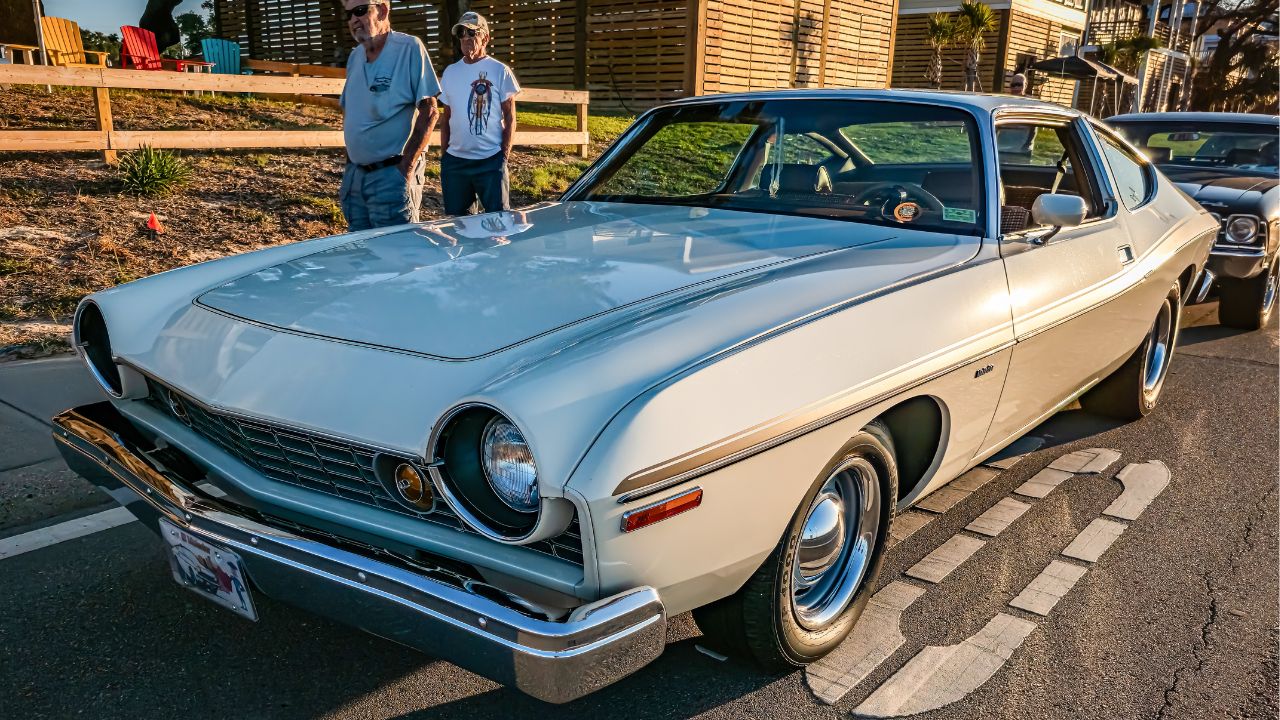
AMC tried to jump into the muscle car game with the Matador, giving it aggressive styling and sporty aspirations. Unfortunately, outside the “Machine” trim, performance was never its strong suit.
By 1974, it lacked the punch buyers expected from a car that looked ready for the strip. Today, it’s a quirky classic, but speed was never its calling card.
1969 Dodge Charger SE

The 1969 Dodge Charger SE was a stunning car with unmistakable styling and plenty of curb appeal. Pop culture appearances only boosted its reputation as a muscle legend. Buyers expected tire-shredding performance to match its aggressive looks.
In reality, the SE trim focused more on comfort than quarter-mile glory. Many came with smaller engines and softer suspensions, making them better suited for cruising than drag racing. It still looked the part, but it wasn’t the street terror people imagined.
1974 AMC Javelin

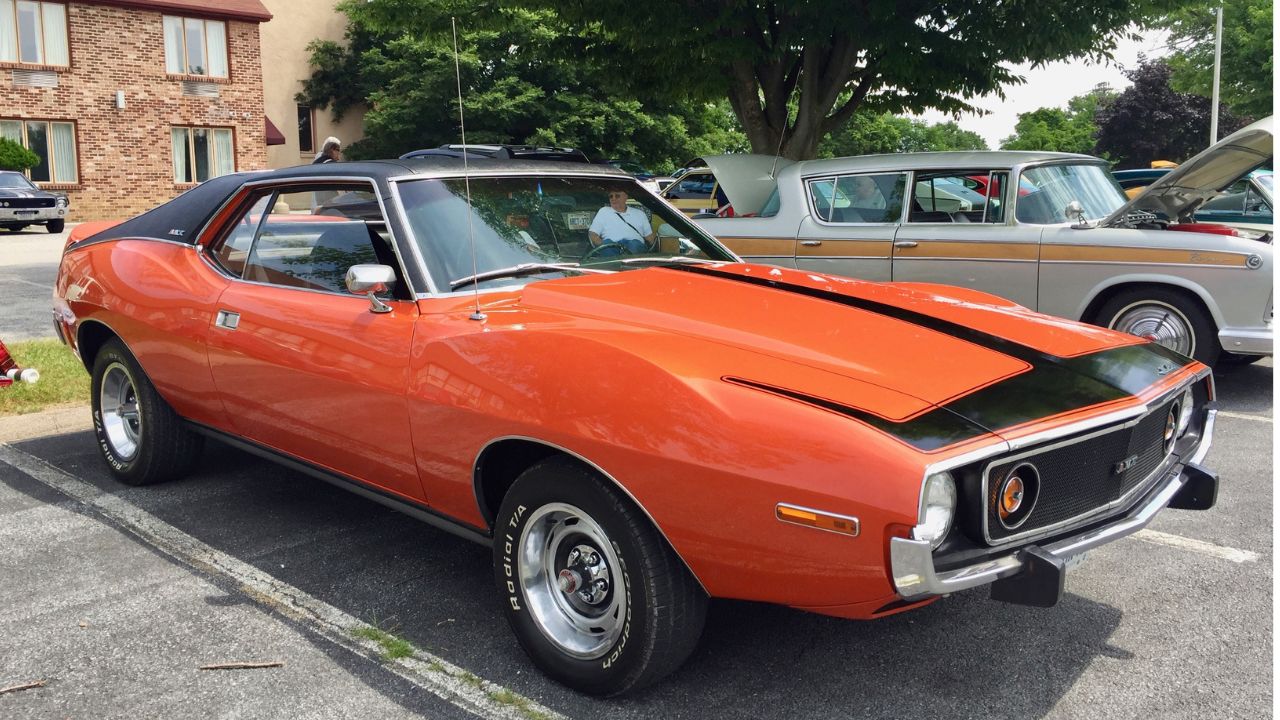
The AMC Javelin always had a distinctive look that helped it stand out from the crowd, and by 1974, it still turned heads with its long, swooping lines. On the surface, it looked every bit the part of a serious muscle machine.
Unfortunately, new emissions standards and added weight meant the Javelin wasn’t nearly as quick as its looks suggested. It was more about style than speed at this point, making it a disappointment for anyone expecting classic muscle car performance.
Legends Without Lightning

Muscle cars hold a special place in automotive culture, and for good reason, they embody bold design, excitement, and a sense of rebellion. As we’ve seen, not every car with a sporty badge lived up to the expectations. Many of these models were products of their time, shaped by economic pressures, emissions regulations, and shifting consumer tastes.
They teach us that even icons can stumble when the world changes around them. Still, these cars remain cherished pieces of history, celebrated for their style and nostalgia. While they may have been sorta slow, they contributed to the muscle car story in unique ways. Today, collectors value them as snapshots of a fascinating era in automotive history. Speed isn’t everything. Sometimes, the story is just as compelling.