Homologation specials exist for one clear reason. Racing rules once forced automakers to build road cars before they could send certain race versions into serious competition.
That created some of the most focused performance cars ever sold to the public. These machines were not shaped by normal showroom logic. They carried wider bodies, special engines, stronger cooling, unusual aero, lighter parts, hidden rally hardware, or race-focused drivetrain changes because the competition program needed those pieces approved.
The best ones still attract a different kind of collector. These are cars people chase for what they meant on timing sheets, service roads, touring car grids, and FIA paperwork, not only for how they look parked at a show.
These seven homologation specials all have genuine competition purpose behind them. Some are already famous, but the real appeal comes from understanding why the road car had to exist before the race car could win.
Mercedes-Benz 190E 2.5-16 Evolution II
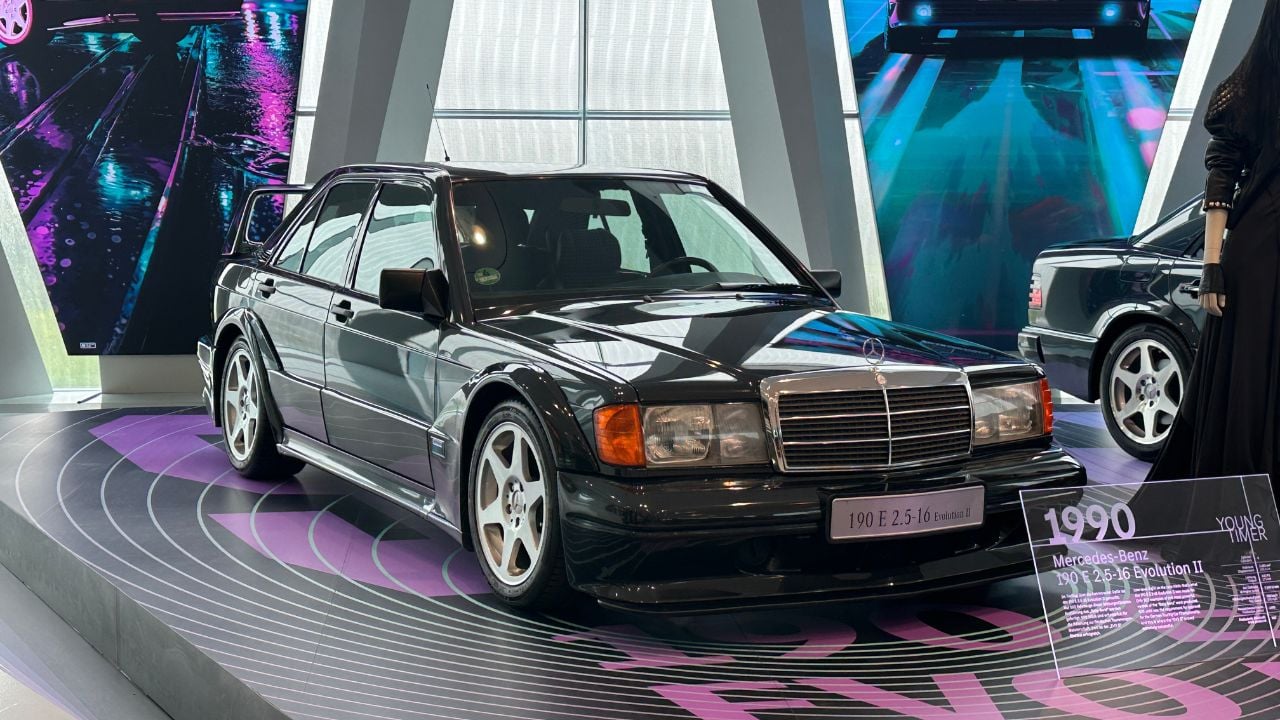
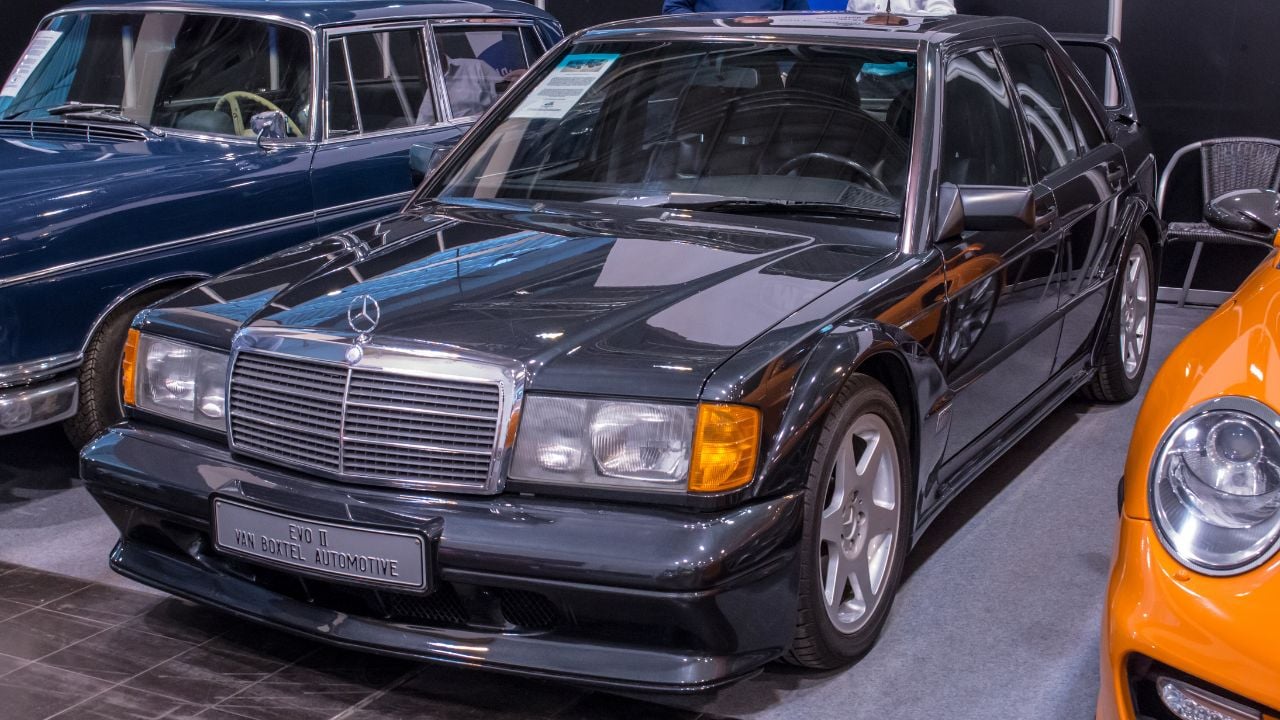
The Mercedes-Benz 190E 2.5-16 Evolution II turned a compact executive sedan into one of the great DTM weapons of the early 1990s. Mercedes built 502 examples, and the car arrived with a more aggressive aero package, wider track, bigger brakes, revised suspension, 17-inch wheels, and a high-revving 2.5-liter four-cylinder rated at 235 PS, or about 232 horsepower.
The road car looked almost outrageous next to a normal 190E, but every major visual detail had a purpose tied to racing. The rear wing, flared bodywork, front splitter, and chassis changes helped Mercedes take the fight to BMW in touring car competition.
The Evolution II represents a very specific DTM moment, which helps explain why serious Mercedes collectors treat it as a landmark model. It was not only a fast Mercedes. It was a factory-built answer to racing pressure, and that gives it a deeper identity than many later AMG road cars.
BMW M3 Sport Evolution E30
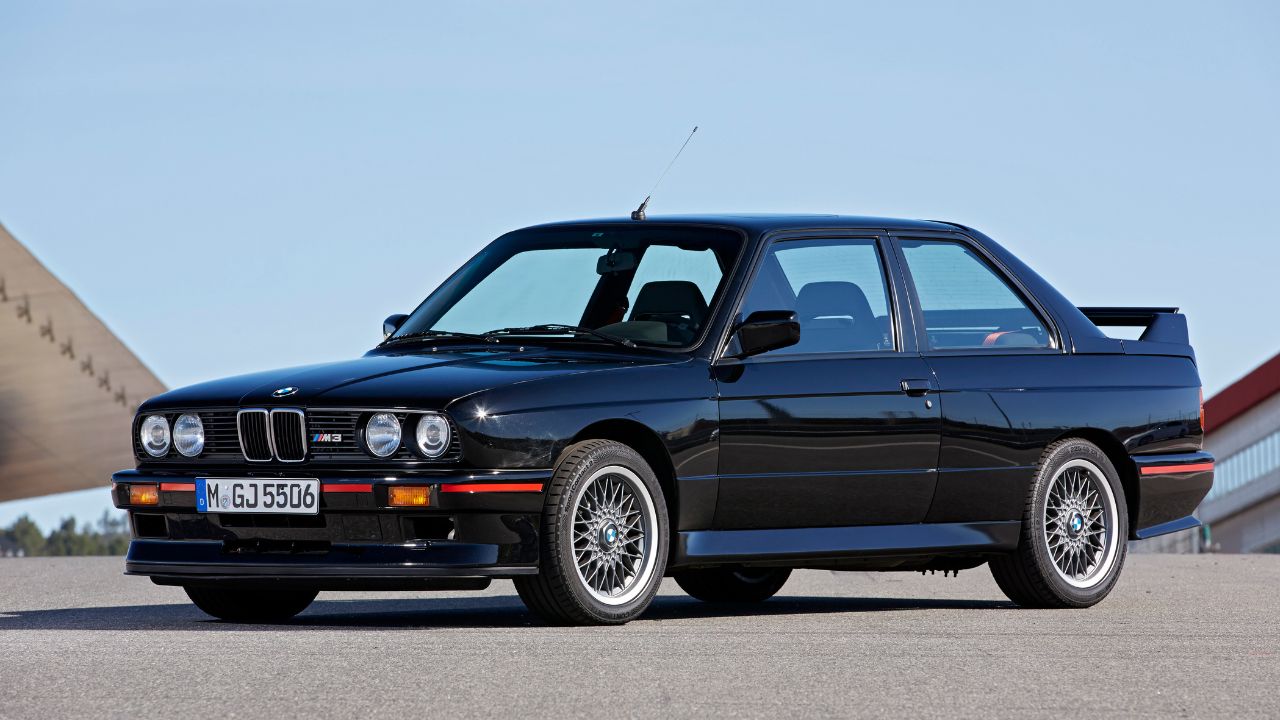
The E30 BMW M3 Sport Evolution was already part of a homologation legend, but the Sport Evolution pushed the formula further. BMW Group Classic says the 1990 M3 Sport Evolution served as a motorsport homologation model, was limited to 600 examples, reduced weight by 55 pounds, increased displacement to 2.5 liters, and raised output to 238 horsepower.
That specification explains why insiders treat it differently from a regular E30 M3. The adjustable front apron, adjustable rear wing, lightweight details, stronger engine, and more focused setup were all linked to the car’s competition life.
The Sport Evolution is the E30 M3 distilled into its sharpest road form. It carries the touring car story, the Motorsport engineering, and the limited production count in one package. For serious BMW racing collectors, it sits near the top of the brand’s homologation hierarchy.
Ford Sierra RS500 Cosworth
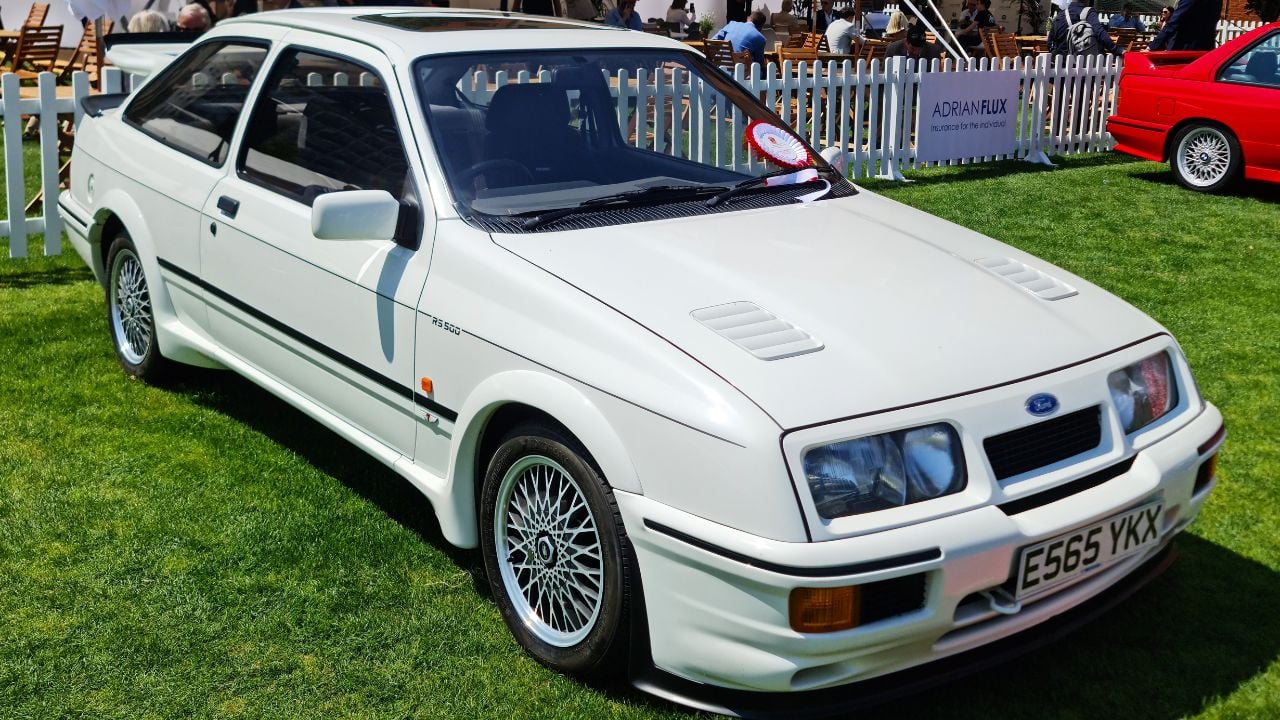
The Ford Sierra RS500 Cosworth is one of the most feared Group A touring car homologation specials ever built. Ford had 500 Sierra RS Cosworths converted by Aston Martin Tickford into RS500 specification, and the model was homologated in August 1987.
The RS500 changes were aimed squarely at racing. The package included hardware such as a stronger engine block, larger turbocharger, larger intercooler, uprated fuel system, improved cooling, revised aero, and other competition-focused details. Some pieces mattered more for the race cars than for normal road use, which is exactly what made the RS500 a true homologation machine.
The road version already looked serious, but the competition version became brutal. RS500s won across touring car series in Europe, Australia, Japan, New Zealand, and beyond, turning the Sierra from a family hatchback shape into a motorsport threat.
The RS500 has the rare combination of clear homologation purpose and dominant racing results. It was built to win under Group A rules, and then it did exactly that. Among racing insiders, few road cars explain their reason for existing as clearly.
Lancia Delta S4 Stradale

The Lancia Delta S4 Stradale is one of the wildest cars ever created for rally homologation. Stellantis Heritage says a minimum of 200 Delta S4 units had to be produced for Group B type approval, which was received on November 1, 1985.
The Stradale was barely related to an ordinary Delta in any meaningful mechanical sense. It used a mid-mounted engine, all-wheel drive, a space-frame structure, and the famous twincharged layout that combined supercharging and turbocharging.
The competition car quickly showed its potential with major rally success before Group B’s short and dangerous era came to an end. That timing makes the Delta S4 feel even more intense today.
This is the kind of homologation special that feels closer to a race car with registration papers than a normal road car. Collectors chase it because it captures Group B at its most extreme: brilliant, frightening, technically fascinating, and impossible to repeat.
Peugeot 205 Turbo 16
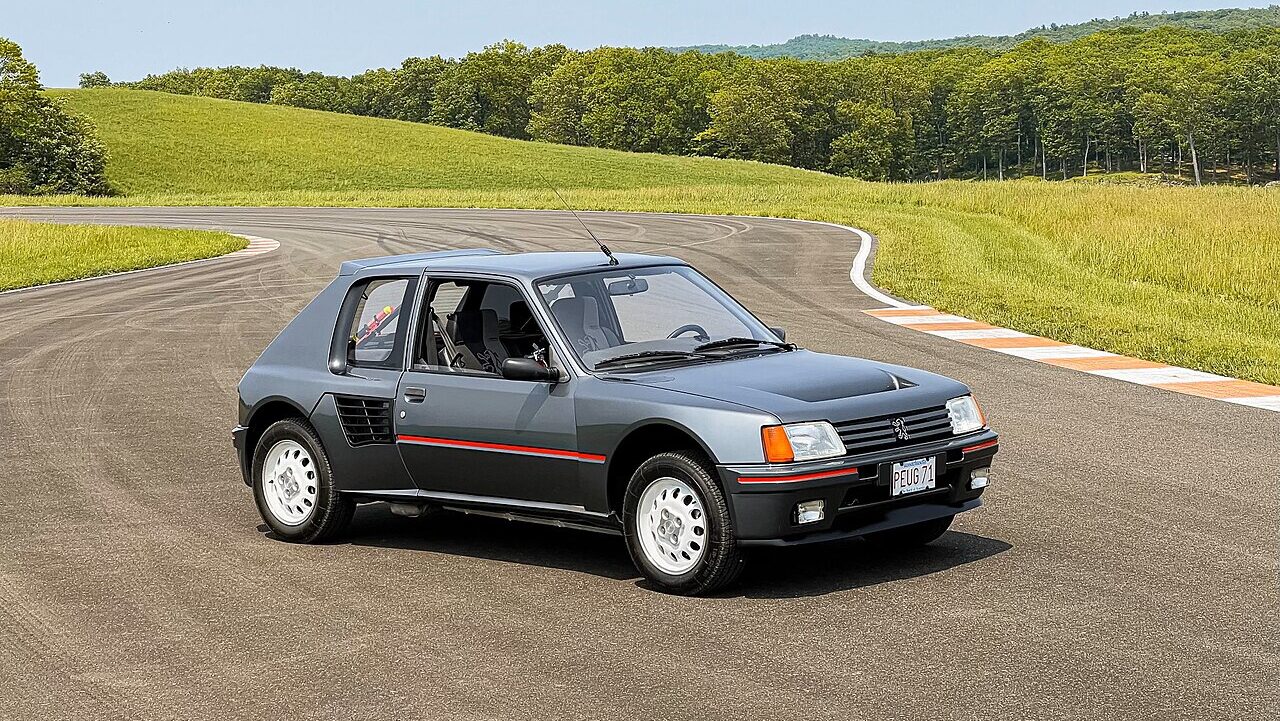
The Peugeot 205 Turbo 16 is another Group B machine that rewrote what a small hatchback could mean. FIA records list the 205 Turbo 16 as a Group B car homologated on April 2, 1984, with four-wheel drive and a four-cylinder engine.
Peugeot had to build road-going examples to homologate the 205 T16 for Group B, but the road car was nothing like a normal front-engine 205. Its body was heavily modified, the engine moved behind the cabin, and the layout became mid-engine with four-wheel drive.
That transformation is exactly why the car matters. Peugeot did not simply tune a shopping hatchback. It used the 205 name and silhouette as a starting point for a purpose-built rally weapon.
The results made the road car even more important. The 205 T16 became one of Group B’s defining competitors, and the homologation version now carries that story in physical form. Racing insiders value it because the engineering ambition is obvious the moment the rear bodywork opens.
Nissan Skyline GT-R Nismo R32
The R32 Nissan Skyline GT-R was created with Group A racing in mind, and the Nismo version made that purpose even clearer. FIA records show the Skyline GT-R Turbo BNR32 was homologated for Group A on March 2, 1990.
The Nismo version was tied to Group A evolution requirements. It is commonly described as a 560-car run, with 500 sold to the public and 60 retained for racing use. That gives it a different identity from a normal R32 GT-R, even before the competition story is considered.
The Nismo version removed certain comforts and added details such as extra ducts, aero changes, and hardware tied to the race program. It was not the most luxurious R32 GT-R. It was the one most closely connected to what Nissan needed for Group A.
The car’s “Godzilla” reputation came from what the R32 achieved in competition. The Nismo version matters because it sits closest to that original racing brief. For collectors who understand Japanese touring car history, it is one of the most important Skyline variants.
Toyota Celica GT-Four ST205 WRC
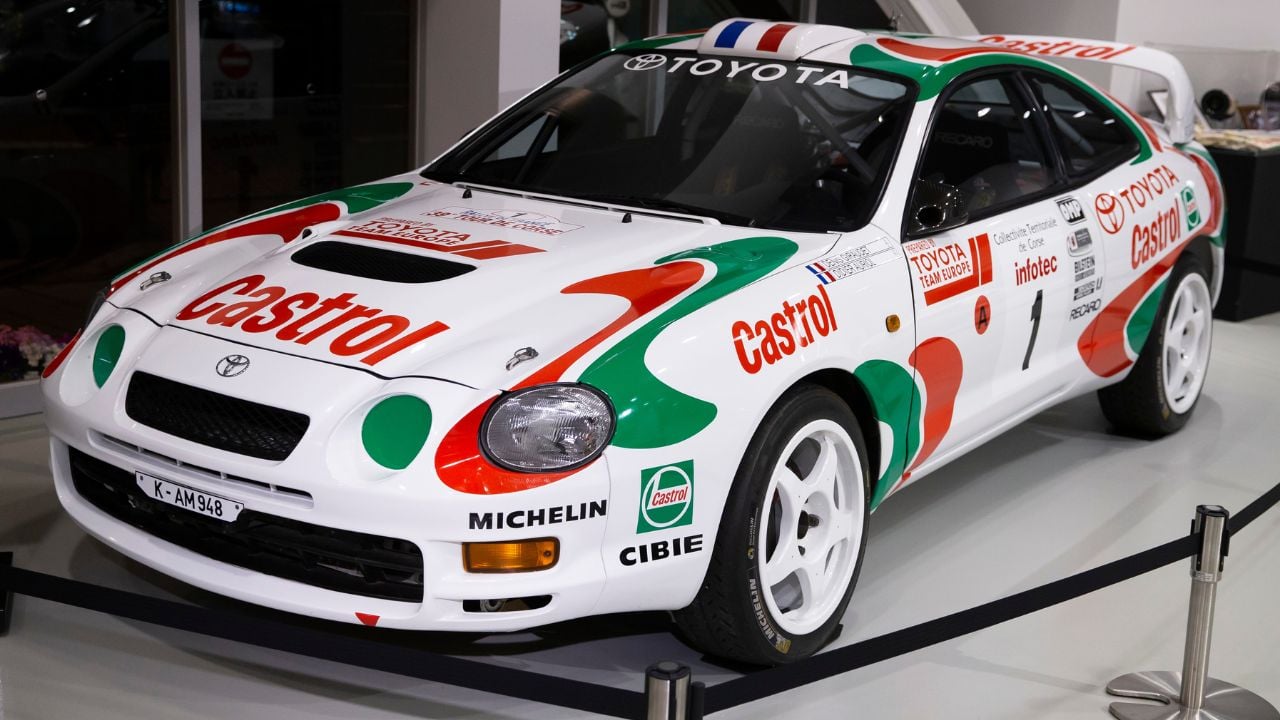
The Toyota Celica GT-Four ST205 WRC is one of the most interesting rally homologation cars because many of its special parts were hidden rather than obvious. FIA records list the Celica GT-Four ST205 as a Group A car homologated on May 2, 1994, with four-wheel drive.
Toyota built 2,500 WRC examples so the ST205 could enter Group A rallying. These cars carried equipment such as anti-lag plumbing, intercooler water-spray hardware, extra cooling-related components, and other rally-focused additions.
That makes the ST205 WRC a car insiders appreciate more than casual observers. It does not look as wild as a Delta S4 or 205 T16, but the important details sit beneath the skin. Toyota was thinking about heat, lag, boost response, and rally duty before most road-car buyers understood why those details mattered.
The ST205’s factory rally story later became controversial after Toyota Team Europe was caught using an illegal turbo-restrictor system in 1995 and was barred from the 1996 WRC manufacturer competition. That controversy complicates the race record, but it does not make the homologation road car any less fascinating.
The ST205 WRC shows how much racing intent can be hidden inside a fairly refined all-wheel-drive coupe. It is a homologation car that rewards people who know where to look.
Why Racing Insiders Still Chase These Cars
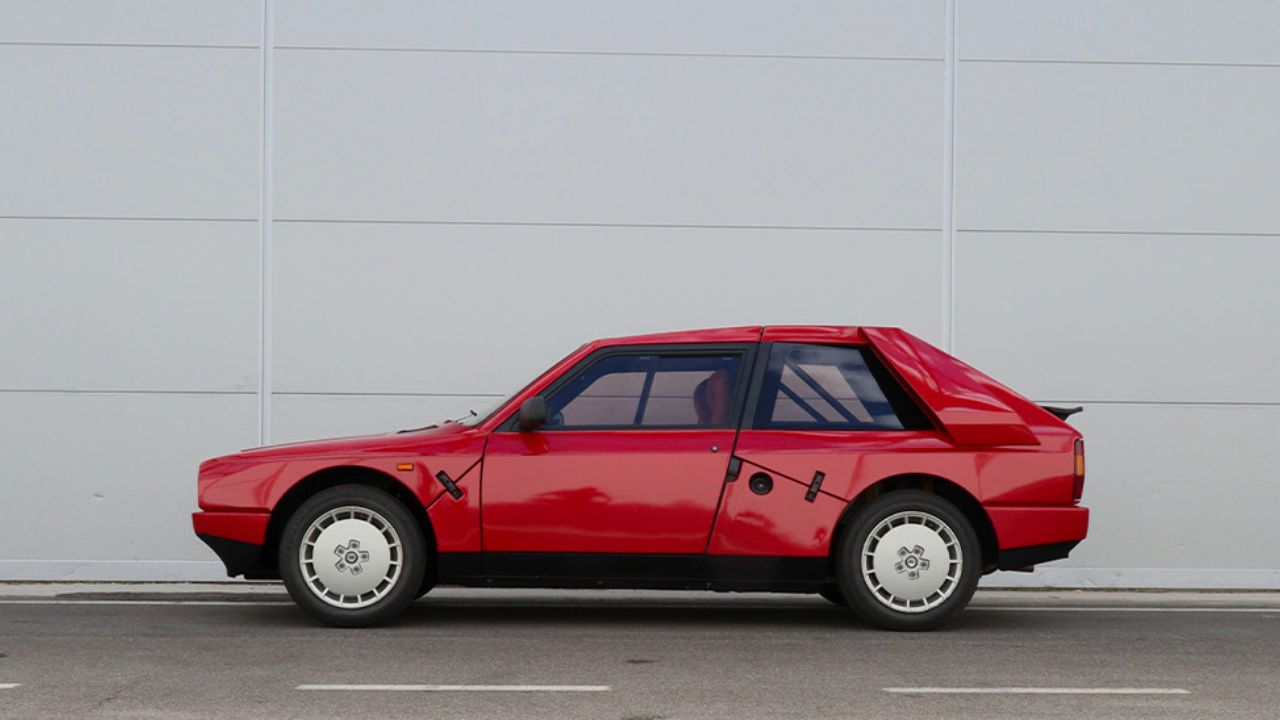
A real homologation special has to carry more than rare paint or a numbered plaque. It needs a reason rooted in competition.
The Mercedes-Benz 190E Evolution II and BMW M3 Sport Evolution came from touring car pressure at the highest level. The Sierra RS500 turned Group A into Ford territory. The Delta S4 and Peugeot 205 T16 captured the extreme engineering of Group B. The R32 GT-R Nismo reflected Nissan’s plan to dominate touring car racing. The Celica GT-Four ST205 WRC hid serious rally hardware inside a road car that still looked usable.
That is why these cars continue to attract collectors who know the racing context. They were built to satisfy rules, unlock race development, and carry factory ambition onto public roads.
The best examples now depend heavily on originality, documentation, correct parts, and careful preservation. A true homologation special is valuable because the details matter. Lose those details, and the car loses part of the story that made it worth chasing in the first place.