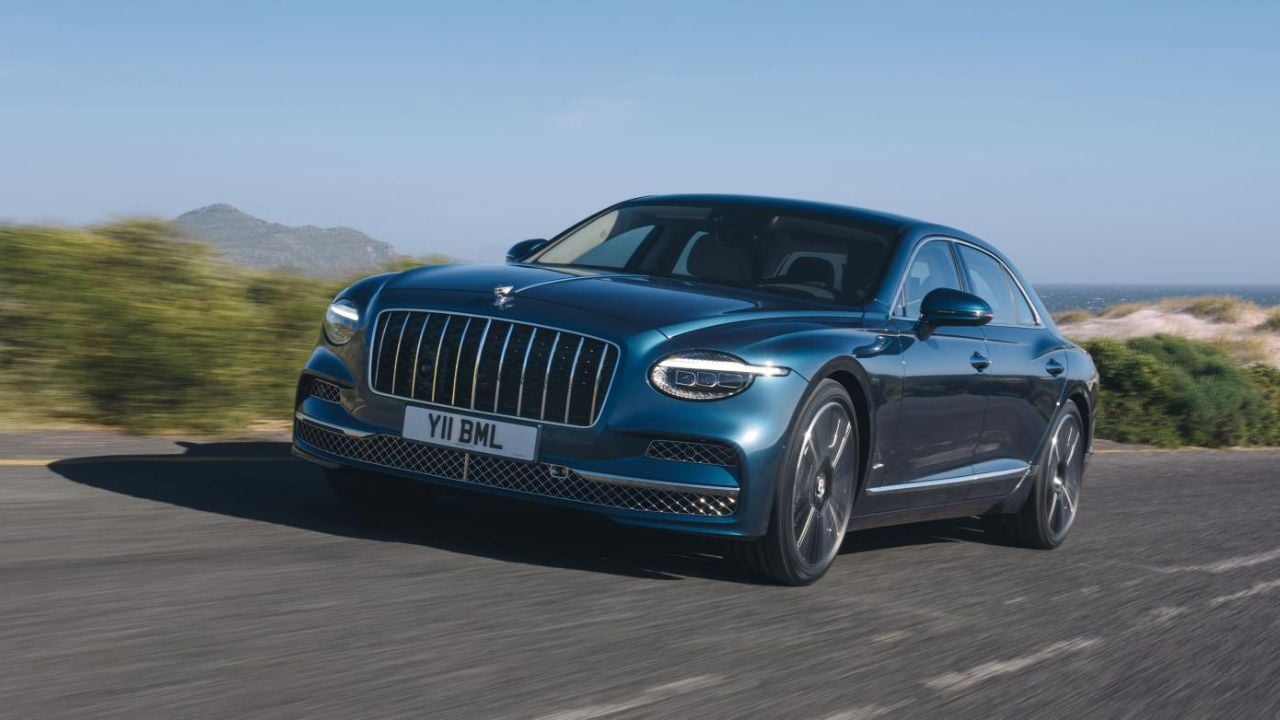
Luxury SUVs may dominate showroom traffic, airport hotel entrances, and private-school pickup lines, but they still do not carry the same formal presence as a true flagship sedan.
A flagship sedan is built around a different idea of luxury. The roofline sits lower. The rear doors matter more. The cabin is designed for silence, legroom, materials, smooth power, and the feeling of being carried through traffic rather than climbing above it.
The best cars in this class also show what each brand wants prestige to mean. Rolls-Royce and Bentley focus on craftsmanship and presence. Mercedes-Maybach and BMW lean into technology, rear-seat comfort, and modern executive travel. Lexus keeps quiet refinement and long-term trust at the center of the formula.
These five sedans show why the format still has power. A luxury SUV can look expensive from the curb, but a great flagship sedan still makes arrival feel more deliberate, more private, and more ceremonial.
Rolls-Royce Phantom
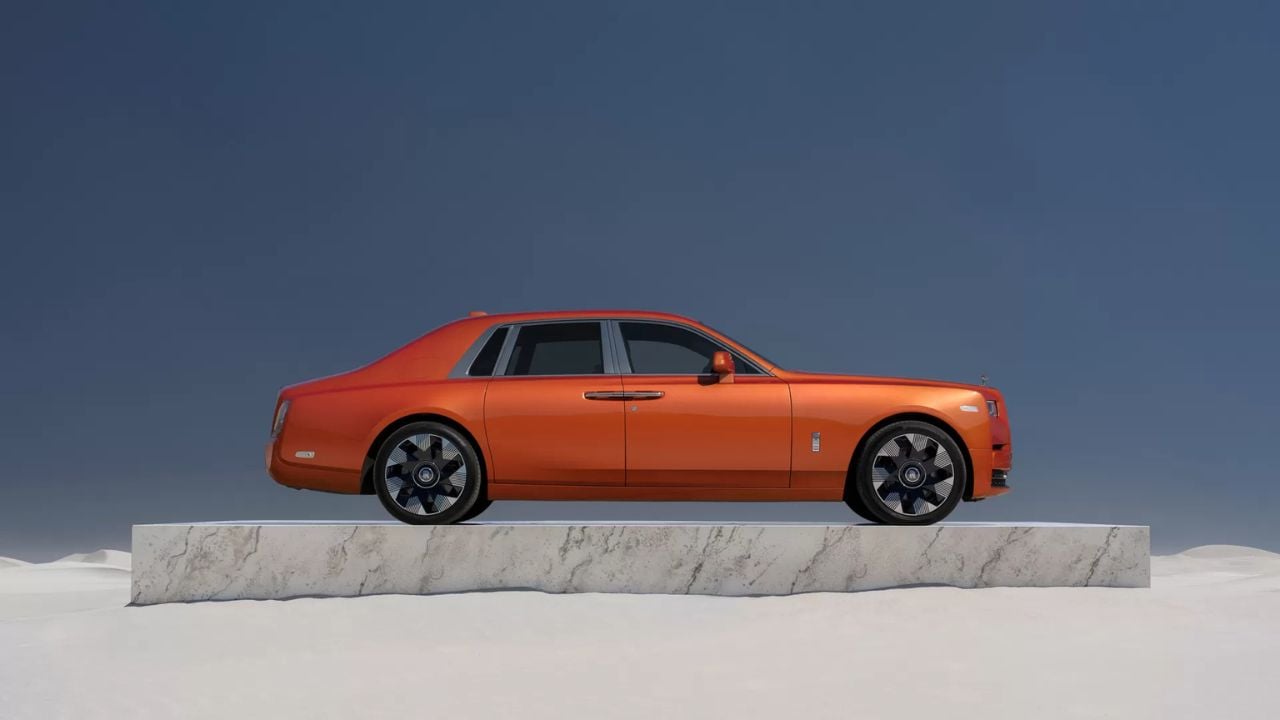
The Rolls-Royce Phantom remains the clearest answer for buyers who see prestige as presence, craftsmanship, and near-total separation from the outside world. Rolls-Royce calls Phantom the pinnacle of the brand, while Phantom Extended is built around the rear cabin, personal commissioning, and a level of quiet that turns the car into private space.
The technical details support that role. Rolls-Royce specification material lists Phantom Extended with a V12 producing 563 bhp and 664 lb-ft of torque, along with a 235.5-inch overall length and a 148.5-inch wheelbase. The numbers matter less as performance bragging rights and more as proof of scale.
The Phantom does not need a loud exhaust, aggressive bodywork, or a screen-heavy cabin to announce itself. Its authority comes from silence, size, bespoke finish, heavy doors, deep carpeting, and the sense that nothing about the car is rushed.
That is why the Phantom still sits at the top of the flagship sedan world. It makes prestige feel calm rather than loud.
Mercedes-Maybach S-Class
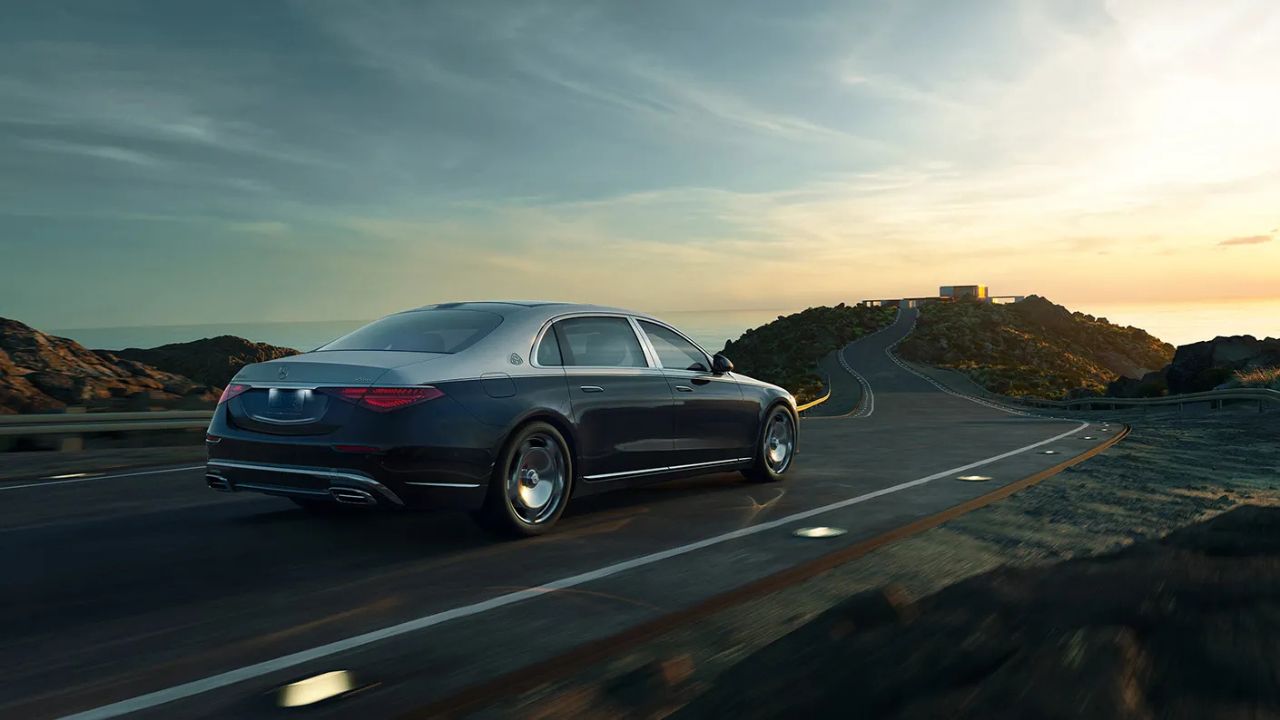
The Mercedes-Maybach S-Class gives the flagship sedan a different kind of power. It starts with the technology and comfort of the S-Class, then adds a stronger rear-seat focus, richer materials, more visual distinction, and the smoothness expected from a chauffeur-driven sedan.
Mercedes-Benz USA lists the 2026 Maybach S 580 4MATIC from $207,150, with a 4.0-liter biturbo V8 mild hybrid producing 496 horsepower and 516 lb-ft of torque. The Maybach S 680 4MATIC goes further with a handcrafted 6.0-liter biturbo V12 producing 621 horsepower and 664 lb-ft of torque.
The Maybach’s strength is the way it blends traditional chauffeur luxury with modern Mercedes technology. The rear cabin, suspension tuning, trim choices, quietness, powertrain options, and Maybach badging move it well beyond a standard S-Class.
For buyers who want a sedan that can serve as a private lounge, executive shuttle, and global status symbol, the Mercedes-Maybach S-Class still defines the modern version of formal luxury.
Bentley Flying Spur
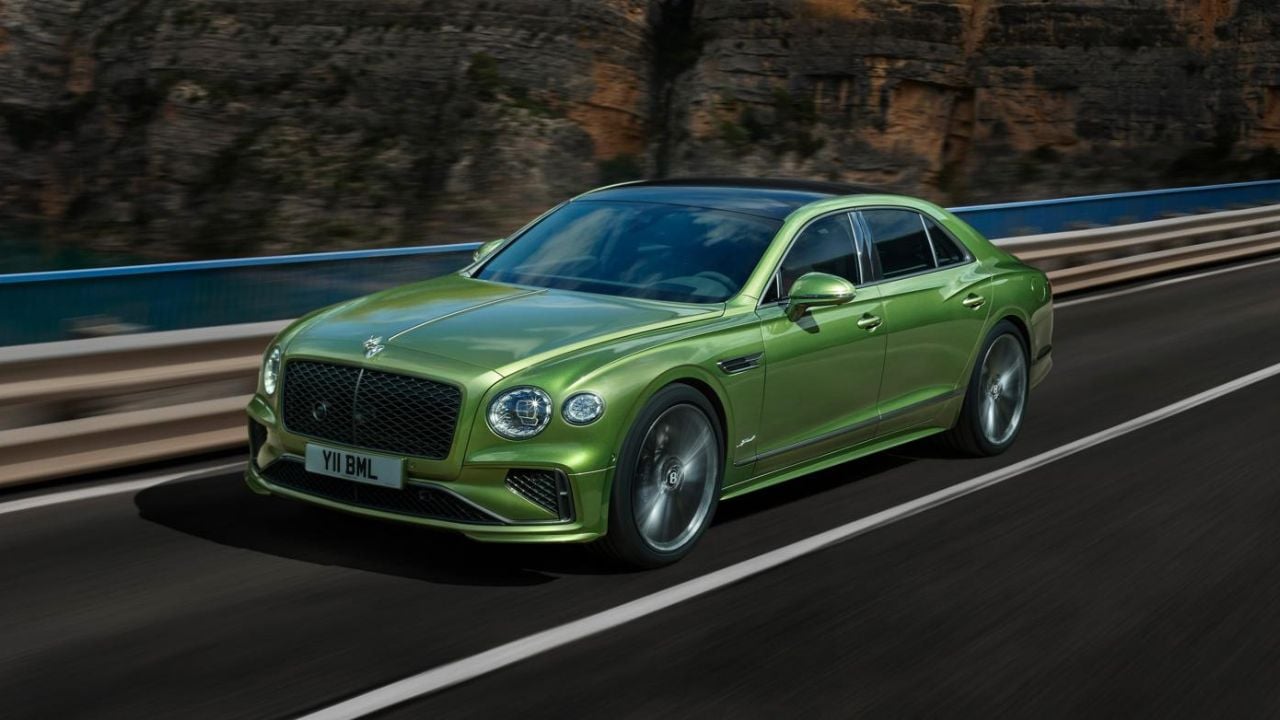
The Bentley Flying Spur keeps the flagship sedan alive for buyers who want luxury with a stronger driver’s-car pulse. It has the cabin richness and handcrafted detail expected from Bentley, but it does not feel like a sedan built only for the rear seat.
In Flying Spur Speed form, Bentley lists a twin-turbocharged 4.0-liter V8 hybrid producing 771 bhp and 738 lb-ft of torque. That gives the Flying Spur a very different prestige message from a Rolls-Royce Phantom: still formal, still indulgent, but much more interested in speed and dynamic authority.
The Flying Spur can arrive quietly at a hotel entrance or cover long distances with serious pace. That dual personality gives it a broader role than many chauffeur-focused sedans.
It works for owners who want to be driven and for owners who still want to drive themselves. That choice keeps the Flying Spur especially relevant in a luxury market crowded with tall SUVs and comfort-first limousines.
BMW i7
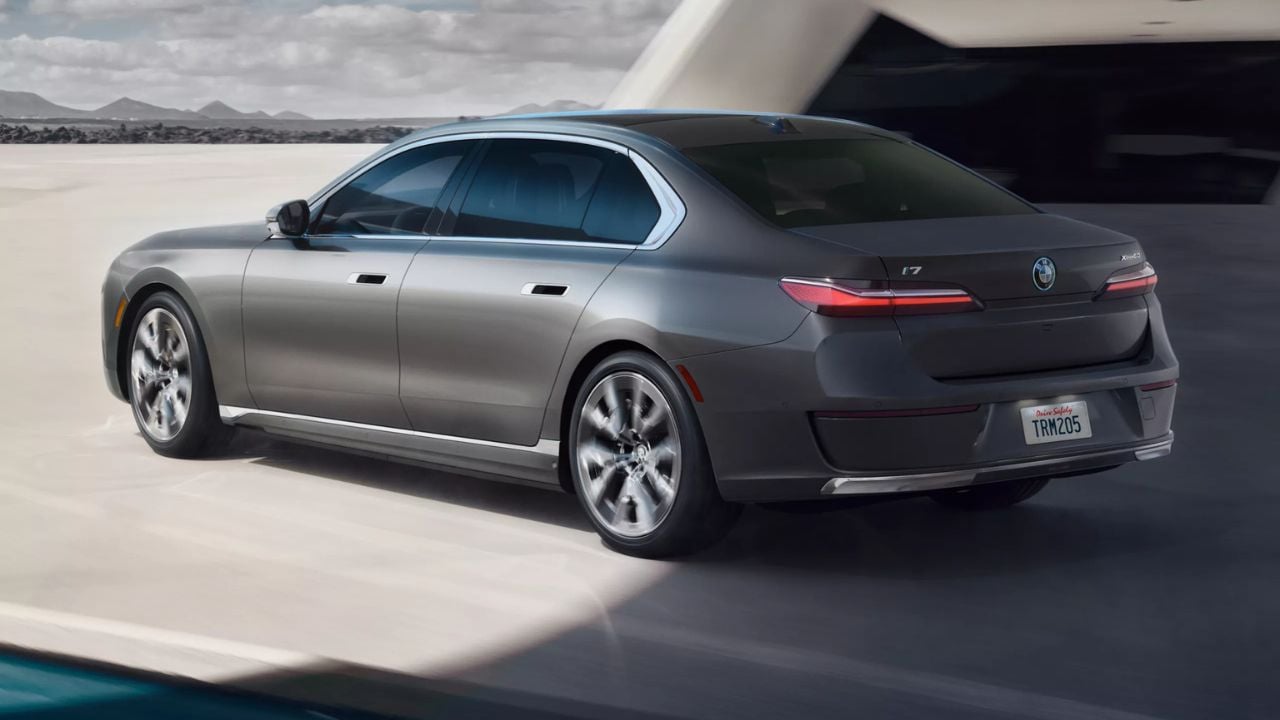
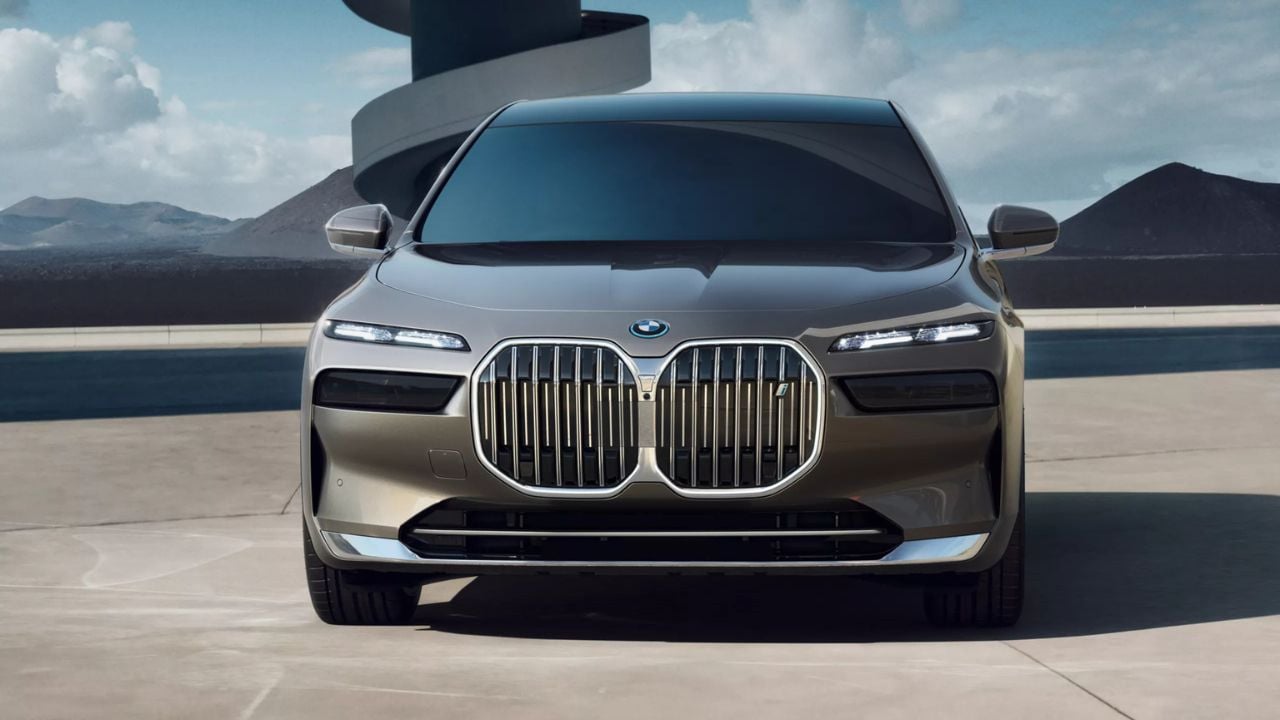
The BMW i7 shows how flagship sedan prestige is changing in the electric age. BMW lists the i7 eDrive50 with an estimated electric range of 301 to 314 miles, while the i7 xDrive60 is listed at 296 to 311 miles. The lineup runs from 449 horsepower in the rear-wheel-drive eDrive50 to 650 horsepower in the M70.
The i7’s prestige is built around electric quietness, digital theater, and rear-seat technology. BMW offers an available 31-inch BMW Theater Screen, turning the back seat into a rolling cinema, while the cabin keeps the long-wheelbase comfort expected from a 7 Series flagship.
The i7 matters because it proves a flagship sedan can move beyond the old V8 and V12 formula without losing its sense of occasion. Electric power gives it smoothness and silence, while BMW’s chassis tuning keeps it from feeling like a passive luxury pod.
It is not trying to copy a Phantom or Maybach. It gives BMW a current version of executive prestige, built around battery-electric power, big-screen rear-seat comfort, and a sedan shape that still feels formal.
Lexus LS
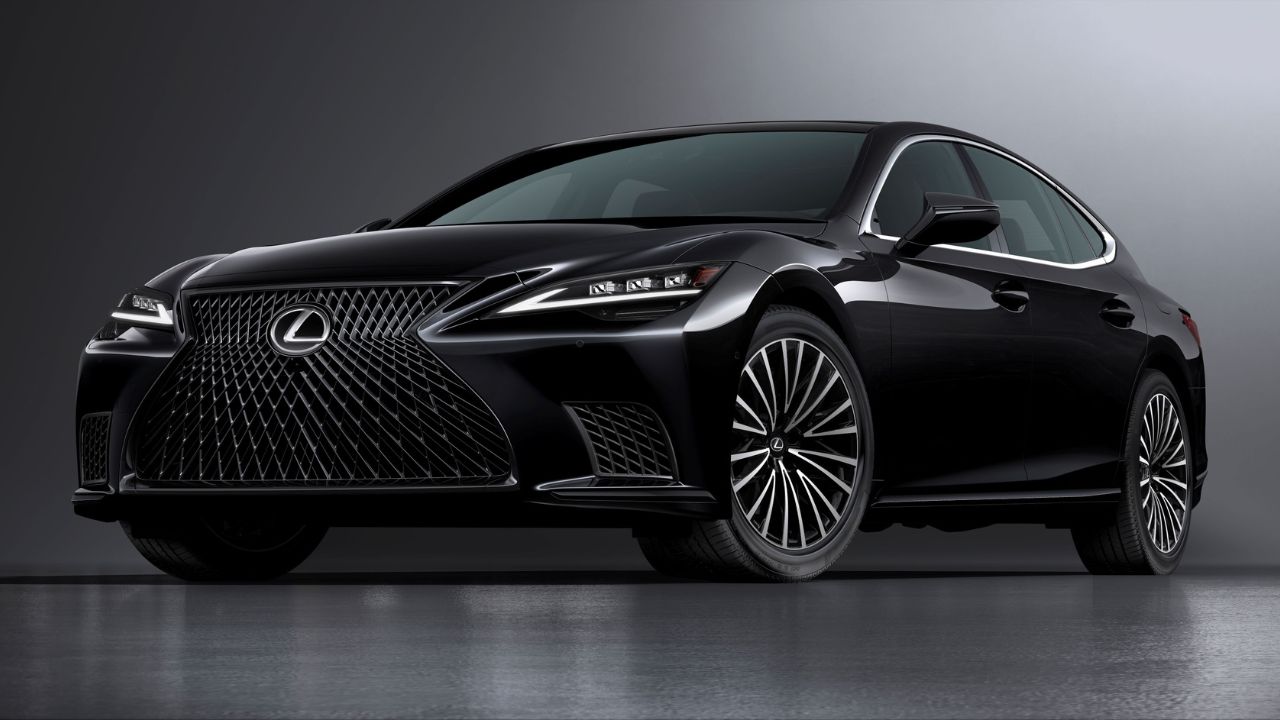
The Lexus LS belongs here for a different reason. It helped redefine luxury sedan expectations in America when Lexus launched, and its final U.S. chapter now gives the model even more historical weight.
For 2026, Lexus is offering the LS 500 AWD Heritage Edition as a final-year tribute to the car that launched the brand. Lexus says the model is limited to 250 units in the United States and starts at $99,380 including delivery, processing, and handling.
The Heritage Edition keeps the LS formula familiar: a twin-turbocharged 3.4-liter V6 producing 416 horsepower and 442 lb-ft of torque, a 10-speed automatic transmission, and standard all-wheel drive. The numbers are strong, but the LS has never relied on theater alone.
Its prestige has always been quieter. The LS is about build quality, smoothness, long-distance comfort, careful details, and an ownership reputation that still matters to buyers who value calm over flash.
That restraint gives the LS a fitting final chapter. While other brands chase larger SUVs and electric crossovers, the LS reminds buyers that a flagship sedan can define a luxury brand through precision, quietness, and dignity.
The Sedan Still Carries Luxury’s Strongest Signature
A flagship sedan carries meaning that few other body styles can match. It shows what a luxury brand believes comfort, power, craftsmanship, silence, and status should feel like when the vehicle is built around passenger experience first.
The Phantom brings ceremony and isolation. The Mercedes-Maybach S-Class adds chauffeur luxury and V12 authority. The Bentley Flying Spur combines craftsmanship with real speed. The BMW i7 shows how electric power can create a new kind of executive sedan. The Lexus LS keeps refinement, trust, and quiet dignity at the center of the story.
SUVs will keep winning sales because they offer height, cargo space, and family flexibility. They are easier to justify for many buyers. They are not always better at prestige.
The best sedans in this class still feel more deliberate, more formal, and more ceremonial than almost anything else on the road. For buyers who care about arrival, silence, craftsmanship, and the feeling of being carried rather than merely transported, the flagship sedan remains the truest luxury statement.