
Luxury car brands have always been the peacocks of the automotive world: all flash, feathers, and promises of greatness. They strut into showrooms with leather that costs more than your mortgage payment and marketing budgets that could fund a small nation. The automotive graveyard is littered with nameplates that once commanded respect, demanded premium prices, and then promptly drove themselves off a cliff faster than you can say “depreciation.”
Some of these luxury carmakers burst onto the scene like fireworks: spectacular, attention-grabbing, and gone before you knew it. Others slowly faded away like our dreams of becoming a professional race car driver, one disappointing model year at a time. Each left behind enough cautionary tales to make modern automakers break out in a cold sweat.
The thing about prestige in the car world? It’s about as stable as a muscle car taking a tight corner. One minute you’re the toast of Park Avenue, the next you’re a trivia question at car shows. Economic downturns hit luxury brands harder than a repo man with a quota to meet. When times get tough, that $80,000 sedan suddenly looks a lot less appealing than keeping the lights on and the kids fed.
The DNA of Automotive Downfalls
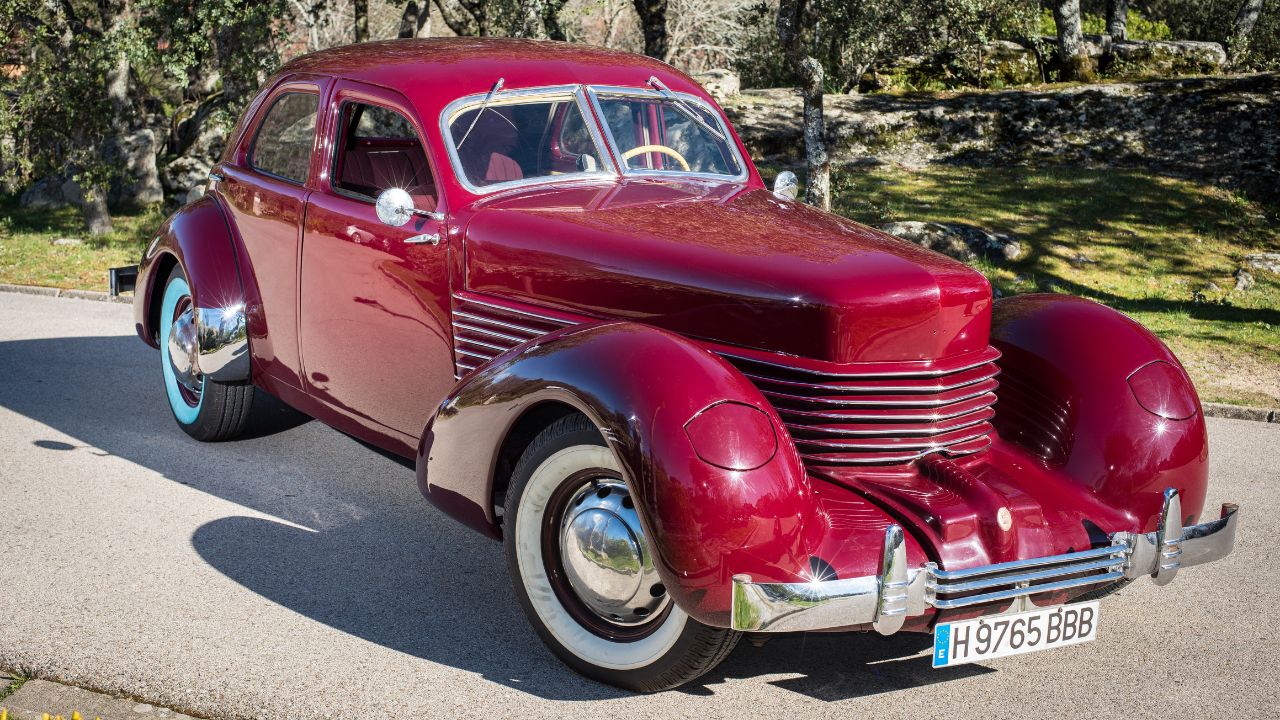
Every failed luxury brand leaves breadcrumbs on its path to oblivion, and we’ve followed every soggy trail. For this list, we dug deep into the stories of marques that once ruled the top shelf of automotive retail but ended up in the bargain bin of history. We examined their golden years (however brief), the unique selling points that made customers open their wallets, and the spectacular faceplants that closed them for good.
Financial backing matters more than a trust fund kid’s allowance when you’re building luxury cars. These vehicles don’t just roll off assembly lines: they’re practically hand-crafted by artisans who probably cost more per hour than most people make in a week. Without deep pockets and deeper patience, even the most beautiful cars become expensive paperweights.
Customer loyalty in the luxury segment is fickle as a teenager’s music taste. Today’s must-have brand becomes tomorrow’s “remember when they made cars?” Some of these companies expanded faster than yoga pants after Thanksgiving dinner, while others got stuck in styling ruts deeper than a muddy driveway. A few simply picked the worst possible timing, like showing up to a black-tie event in flip-flops.
The pattern is always the same: big dreams, bigger promises, and reality checks that bounce harder than a rubber ball on concrete. These stories prove that even the most confident automotive executives can watch their empires crumble faster than a stale cookie.
They may have been failures back in the day, but we now remember them with admiration and awe.
Stutz
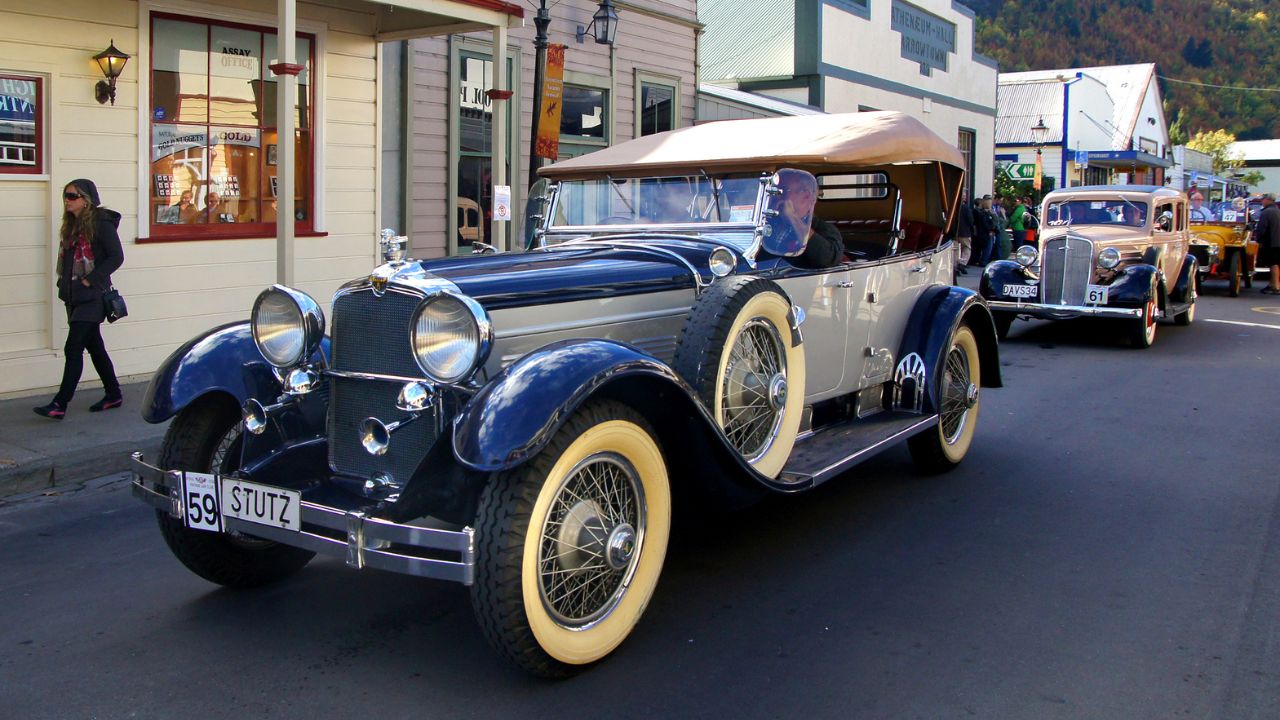
Years Active: 1911-1935, briefly revived 1970s-1990s
Stutz burst onto the scene in 1911 with more swagger than a NASCAR driver at a go-kart track. Their claim to fame? Finishing 11th in their very first Indianapolis 500, which somehow earned them the slogan “The Car That Made Good in a Day.” That’s like getting a participation trophy and calling yourself a champion, but hey, marketing is marketing.
The Stutz Bearcat became the ride of choice for wealthy adrenaline junkies in the 1910s and 1920s. These weren’t cars; they were four-wheeled statements that screamed, “I have money and questionable judgment!” With their stripped-down, race-inspired design, Bearcats were basically street-legal race cars for people who thought speed limits were merely suggestions.
Stutz actually pioneered several safety features, introducing safety glass and hydraulic brakes when most competitors were still figuring out how to make cars stop without praying. They were ahead of their time in engineering, which unfortunately didn’t help when the Great Depression arrived like an uninvited relative who empties your refrigerator.
The 1930s hit Stutz harder than reality hits a lottery winner. Demand for $5,000 cars evaporated when people were selling apples for nickels. Various revival attempts in the 1970s and 1980s produced neo-classic luxury cars that looked like someone’s fever dream of what rich people wanted.
Spoiler alert: they were wrong.
Hupmobile
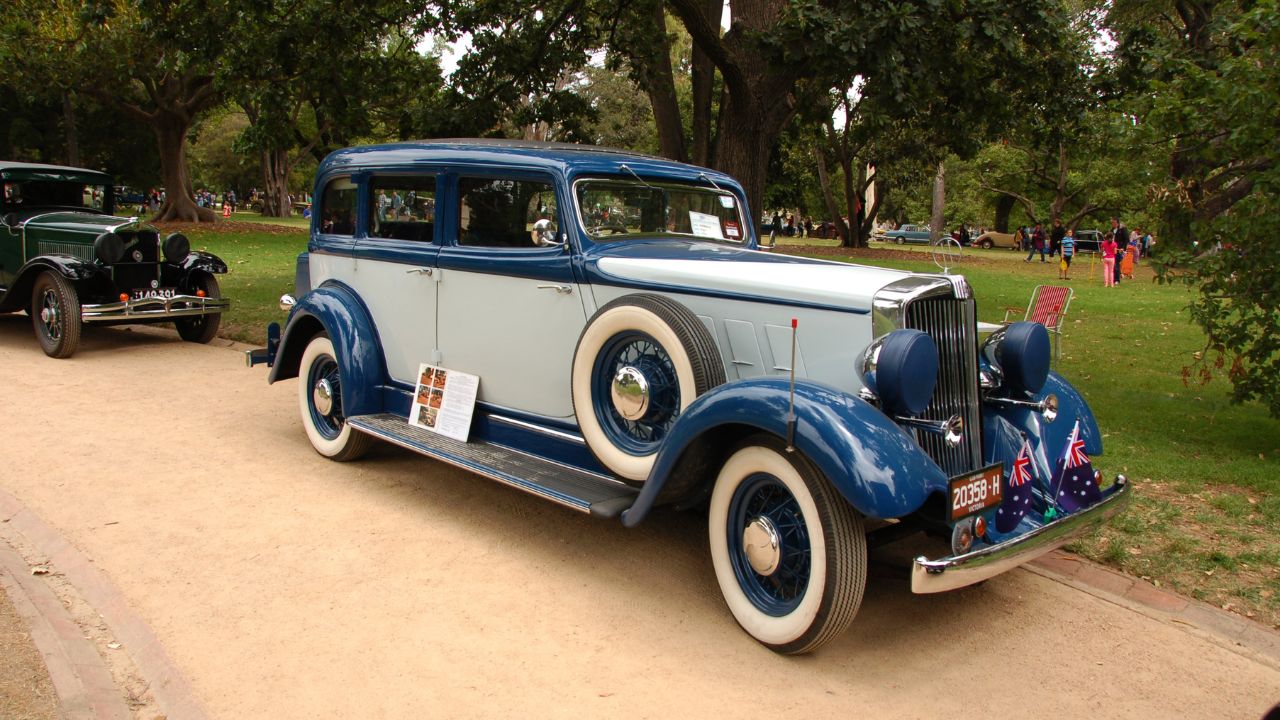
Years Active: 1909-1940
Hupmobile sounds like something a cartoon character would drive, but these Detroit-built machines were serious business. Founded by brothers Robert and Louis Hupp, the company built a solid reputation for dependable, well-finished cars that didn’t break the bank or your back. They were like that chill friend who always showed up on time, but didn’t really want to do much of anything.
By the 1920s, Hupmobile decided to crash the luxury party with elegant styling and engineering that actually worked. They introduced all-steel bodies when competitors were still using wood frames that rotted faster than fruit in the sun. Their aerodynamic experiments in the 1930s produced cars that looked like they belonged in Buck Rogers serials.
The company’s boldest move came when they licensed the stunning Cord 810 body design for their own sedan. Picture this: taking one of the most beautiful car designs ever created and trying to build it on a shoestring budget with outdated production methods. What could go wrong? Everything, as it turned out.
Production problems plagued the Cord-bodied Hupmobiles like mosquitoes at a barbecue. Quality control went out the window, costs spiraled, and customers fled faster than teenagers from a family dinner. By 1940, Hupmobile was history, proving that even brilliant ideas need competent execution and deep pockets to survive.
Imperial
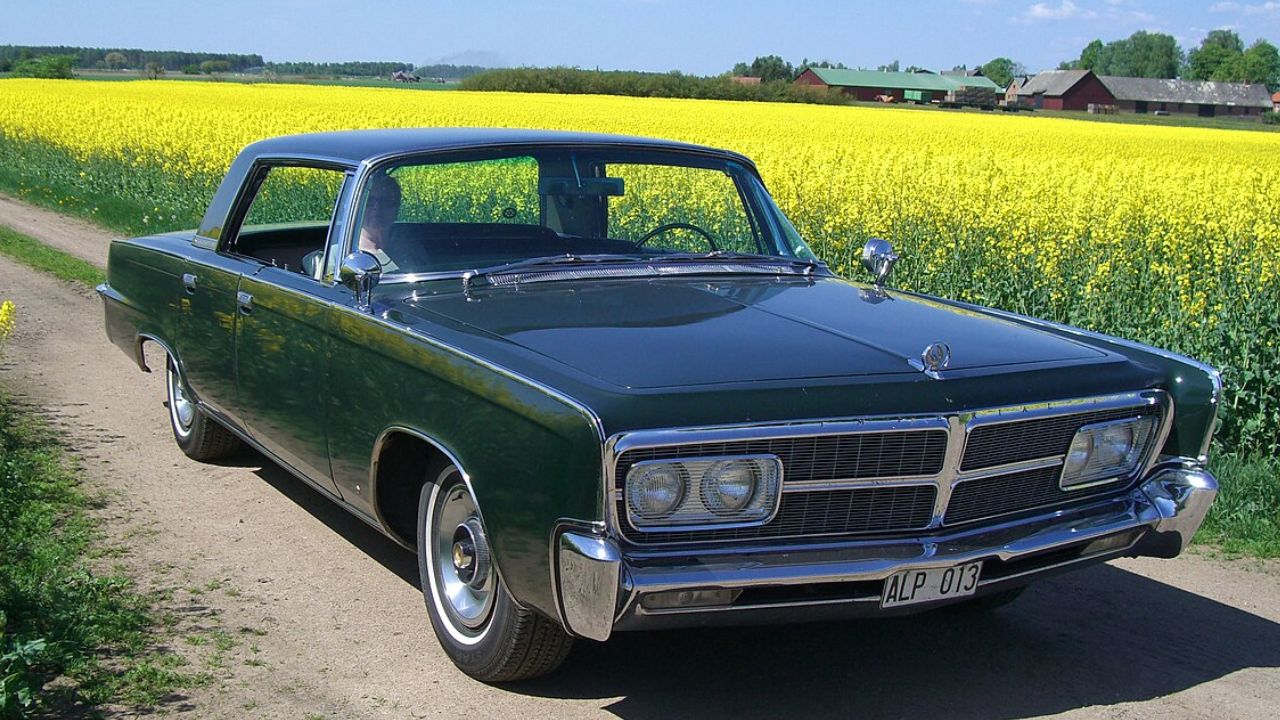
Years Active: 1955-1975, 1981-1983, 1990-1993
Imperial was Chrysler’s answer to the question, “How can we compete with Cadillac and Lincoln without actually trying that hard?” Launched in 1955 as a supposedly separate luxury division, Imperial was about as independent as a teenager with their parents’ credit card.
These cars were genuinely impressive machines, featuring powerful hemispherical V8 engines that could move a small building if properly motivated. The interiors were swathed in genuine leather and real wood, not the vinyl and plastic fantasies that plagued lesser vehicles. Imperial’s signature freestanding headlamps and massive chrome grilles made them unmistakable.
The brand’s early years showed promise, with distinctive styling that looked like nothing else on the road. Unfortunately, the 1970s energy crisis hit large luxury sedans like a wrecking ball hits a house of cards. Suddenly, 10-mile-per-gallon luxury barges seemed about as appealing as a root canal.
Chrysler’s various revival attempts were like watching someone try to resurrect a dinosaur with jumper cables. The 1980s models looked suspiciously like dressed-up Chryslers, because that’s exactly what they were. The final 1990s attempt produced cars that were actually quite good, but by then, the Imperial name carried about as much prestige as a participation trophy.
Some fates are worse than death.
LaSalle
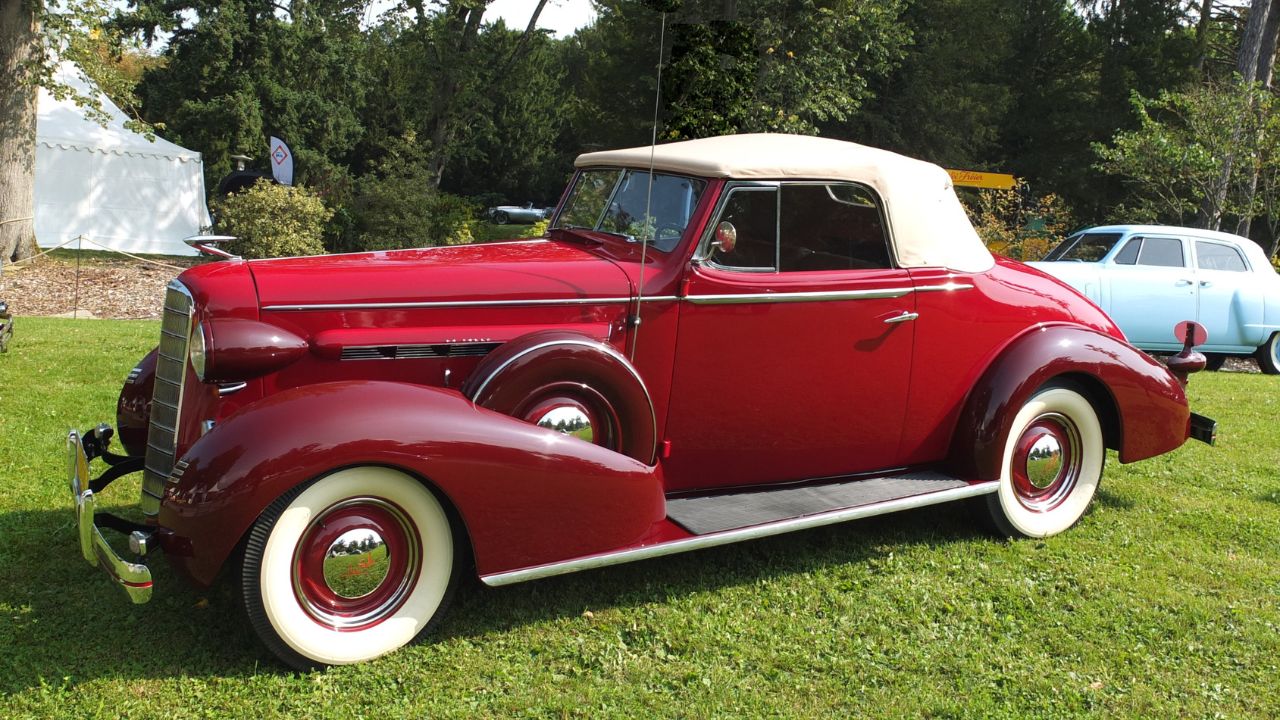
Years Active: 1927-1940
LaSalle was General Motors’ attempt to fill the gap between Buick and Cadillac, because apparently having multiple luxury brands wasn’t complicated enough already. Designed under the watchful eye of Harley Earl (the man who basically invented car styling as we know it), LaSalles were gorgeous vehicles that often looked better than the Cadillacs they were supposed to complement.
These cars were style leaders, introducing design elements that would influence automotive aesthetics for decades. The early LaSalles featured long, low profiles and flowing lines that made other cars look like boxes on wheels. They offered near-Cadillac prestige at a more reasonable price, which sounds great until you realize they were competing with their own corporate siblings.
Here’s where GM’s corporate strategy revealed its genius: they created a brand to fill a gap, then systematically eliminated the gap by expanding Buick and Cadillac’s offerings. It’s like opening a sandwich shop between two restaurants, then watching those restaurants start serving sandwiches.
World War II provided the perfect excuse to put LaSalle out of its misery in 1940. The brand’s death wasn’t dramatic: more like a quiet fade to black while everyone was distracted by bigger problems. LaSalle proved that even beautiful, well-engineered cars can disappear when corporate logic runs headfirst into market reality.
Duesenberg
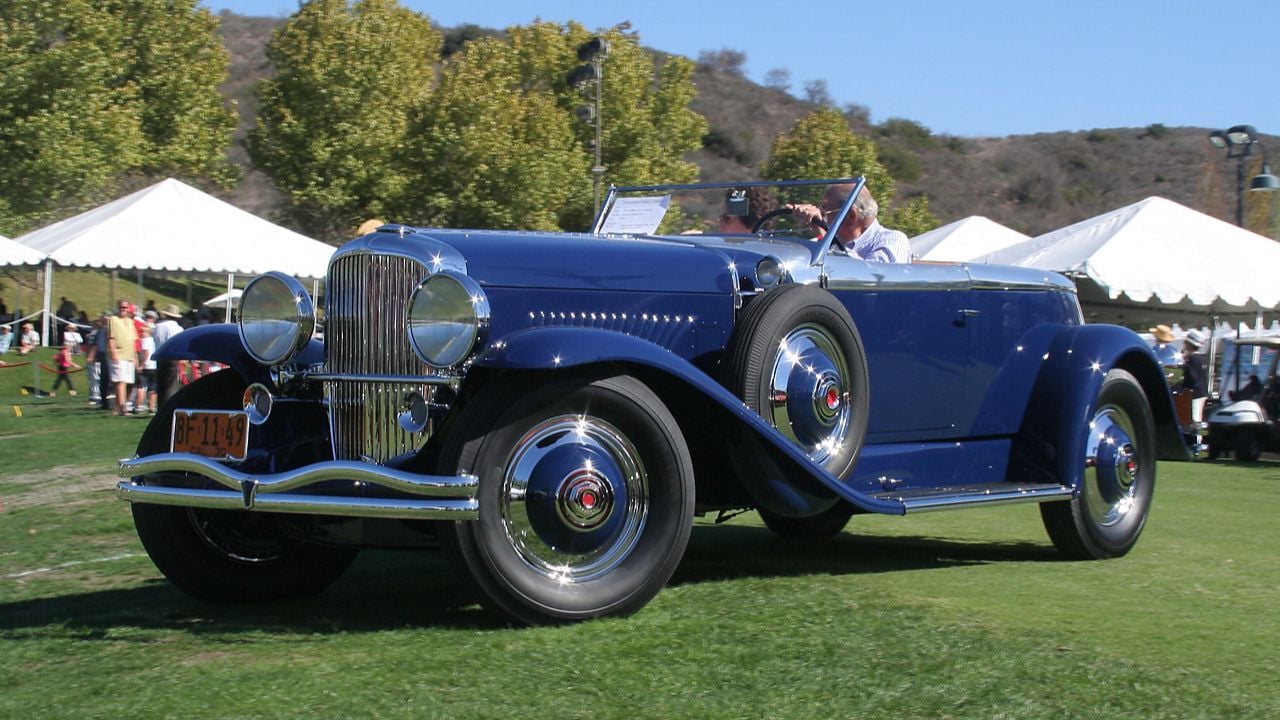
Years Active: 1913-1937
If you’ve ever heard someone say, “It’s a doozy,” you’re witnessing the lasting legacy of Duesenberg, a brand so synonymous with excellence that their name became slang for something extraordinary. Founded by brothers Fred and August Duesenberg, the company started building race cars that dominated early motorsports before pivoting to ultra-luxury automobiles that redefined automotive excess.
The Model J, launched in 1928, was less a car than a rolling mansion. With 265 horsepower when most cars struggled to make 40, the J could hit 116 mph in an era when speed limits were more like speed suggestions. Each chassis cost $8,500 before bodywork — equivalent to about $140,000 today, and that was just the starting point.
Duesenberg buyers weren’t just purchasing transportation; they were commissioning automotive art. The world’s finest coachbuilders — Derham, Murphy, LeBaron — created one-off bodies that turned each Duesenberg into a unique masterpiece. Gary Cooper drove one. Clark Gable owned several. Even European royalty acknowledged American automotive superiority when it wore a Duesenberg badge.
The Great Depression ended the party faster than a noise complaint. When stock portfolios evaporated overnight, even millionaires thought twice about buying cars that cost more than most people’s houses. The final Duesenbergs rolled out in 1937, ending an era when American luxury meant something spectacular. Today, a decent Model J sells for more than most people’s homes, proving that true quality eventually finds its price.
Oldsmobile

Years Active: 1897-2004
Oldsmobile lasted 107 years, making it one of the longest-running automotive brands in history. That’s like being the friend who stays too long at the party: impressive endurance, but eventually everyone wishes you’d just go home. Founded by Ransom E. Olds (yes, that’s where the name came from), Oldsmobile pioneered mass production techniques and created America’s first popular car, the Curved Dash Oldsmobile.
The post-war years were Olds’ golden age, when “Rocket” V8 engines and stylish designs made them genuinely desirable. The 1970 442 could embarrass Corvettes at stoplights, while luxury models like the Toronado pioneered front-wheel drive in full-size cars. Oldsmobile wasn’t just selling cars; they were selling the American dream with bucket seats and air conditioning.
The slow death began in the 1980s when GM’s bean counters discovered platform sharing. Suddenly, Oldsmobiles looked suspiciously like Buicks, which looked suspiciously like Chevrolets, which made customers suspicious about why they were paying premium prices for identical cars with different grilles.
GM’s “This is not your father’s Oldsmobile” campaign in the 1980s accidentally highlighted the problem: if it’s not my father’s Oldsmobile, whose is it? The brand identity crisis deepened as younger buyers fled to imports while older customers defected to more prestigious brands. By 2004, GM finally pulled the plug, ending over a century of automotive history with all the ceremony of canceling a magazine subscription.
Packard

Years Active: 1899-1958
Packard once stood shoulder-to-shoulder with Rolls-Royce as one of the world’s finest automotive marques. Their slogan “Ask the man who owns one” wasn’t marketing fluff: it was a challenge, because Packard owners were genuinely satisfied customers who’d recommend their cars to anyone with taste and deep pockets.
These weren’t just luxury cars; they were engineering marvels. Packard pioneered the modern straight-eight engine, introduced the first production air conditioning system, and built cars so well-engineered that many are still running today. The company’s Detroit factory was a temple to precision manufacturing, where craftsmen built cars the way Swiss watchmakers build timepieces.
The post-war years brought increasing competition from Cadillac and European imports, but Packard’s real problems were self-inflicted. The disastrous 1954 merger with Studebaker was like a champion boxer deciding to carry a piano during a fight. Studebaker’s financial problems dragged down Packard faster than an anchor pulls down a ship.
The final Packards, built in South Bend using Studebaker platforms, were tragedies masquerading as luxury cars. These weren’t the precision-engineered marvels that had built Packard’s reputation; they were desperate attempts to keep a dying brand on life support. Production ended in 1958, closing the book on one of America’s greatest automotive success stories turned cautionary tale.
Pierce-Arrow
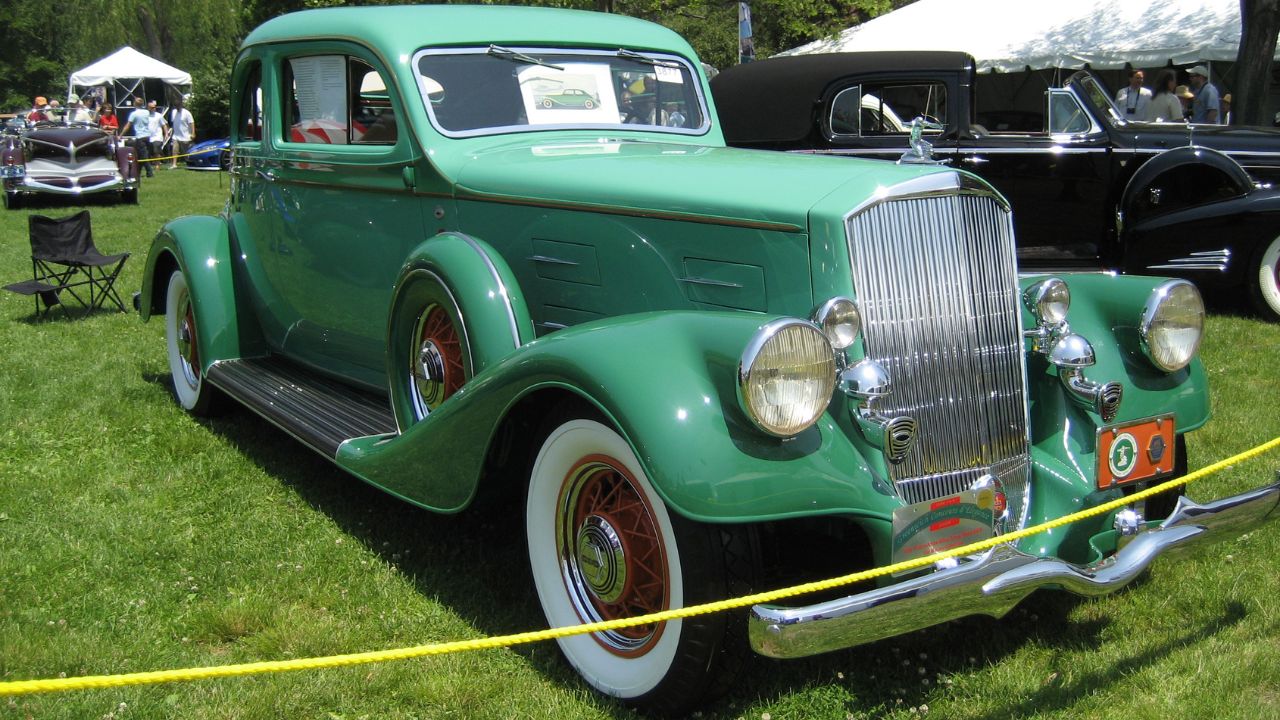
Years Active: 1901-1938
Pierce-Arrow built cars for America’s royalty back when we pretended not to have royalty. Presidents rode in them, celebrities collected them, and robber barons used them to arrive at board meetings in style. These weren’t just automobiles; they were rolling statements that announced your arrival before you even got out.
The company’s signature fender-mounted headlamps became as recognizable as Coca-Cola bottles, while their build quality set standards that most manufacturers couldn’t even aspire to reach. Pierce-Arrow engines were so smooth they could balance coins on their hoods at idle, and their interiors featured craftsmanship that belonged in luxury yachts rather than cars.
The Great Depression hit Pierce-Arrow like a meteor hitting a dinosaur. When millionaires started counting pennies, $5,000 automobiles became harder to sell than ice to Eskimos. The company’s attempts to introduce “affordable” models backfired spectacularly, confusing loyal customers while failing to attract new ones.
By the mid-1930s, Pierce-Arrow was building beautiful cars for a market that no longer existed. The final models were masterpieces of automotive art that nobody could afford to buy. Production ended in 1938, proving that sometimes being the best isn’t enough if you can’t adapt to changing times.
Mercury
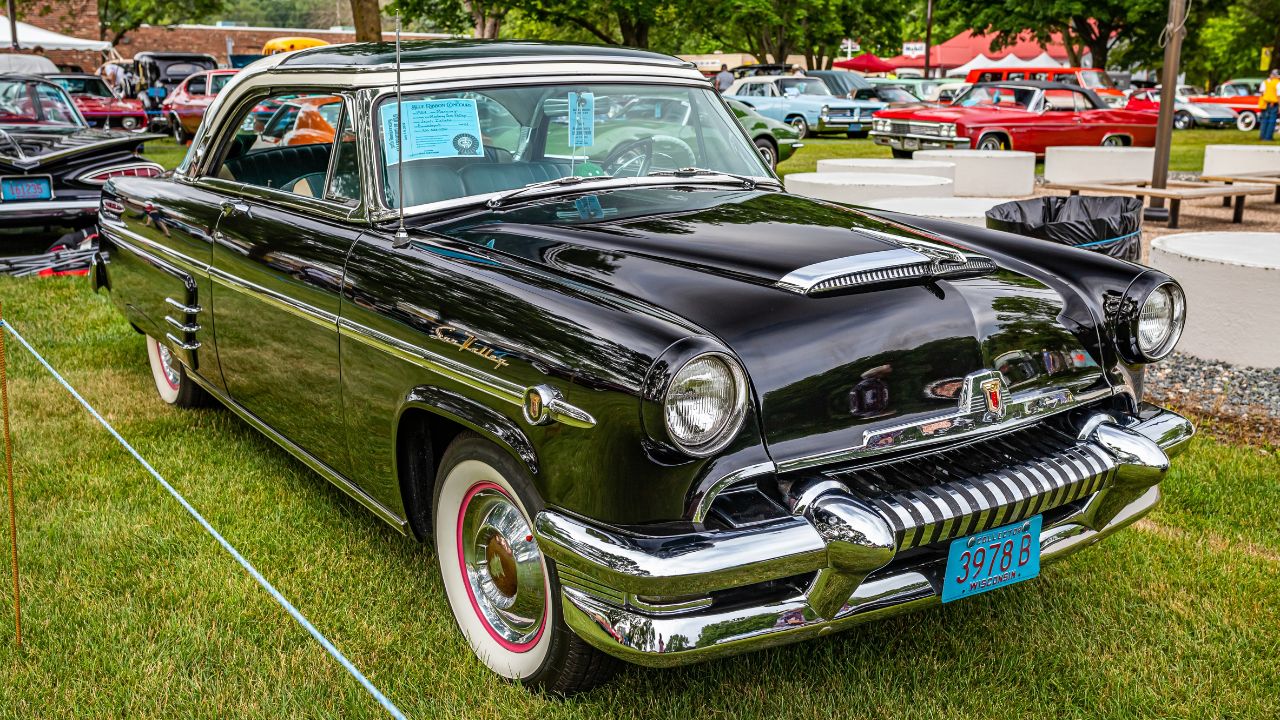
Years Active: 1938-2010
Mercury was Ford’s attempt to create a “premium” brand without actually creating anything premium. Launched in 1938 to fill the gap between Ford and Lincoln, Mercury spent 72 years trying to figure out what it wanted to be when it grew up. Spoiler alert: it never figured it out.
The early years showed promise, with distinctive styling and V8 power that separated Mercury from its Ford siblings. The 1949 Mercury became a custom car icon, while 1960s models like the Cougar offered genuine style and performance. For brief moments, Mercury almost resembled a real luxury brand.
The problems started when Ford’s accountants discovered that badge engineering was cheaper than actual product development. Suddenly, Mercurys became Fords with different grilles, sold by dealers who couldn’t explain why customers should pay more for essentially identical cars. It’s like selling designer water that comes from the same tap as regular water.
Ford’s various attempts to revitalize Mercury were like putting a V8 in a Miata: definitely impressive, but why? Why?! The 2010 cancellation came as a relief to everyone except Mercury dealers, who’d spent decades trying to justify their brand’s existence to confused customers.
Cord

Years Active: 1929-1937
Cord produced some of the most stunning automobiles ever built, cars so beautiful they still stop traffic at classic car shows 90 years later. Founded by E.L. Cord as part of his Auburn-Cord-Duesenberg empire, the brand existed to prove that American designers could create cars as striking as anything from Europe.
The Cord L-29 introduced front-wheel drive to America in 1929, making it more technically advanced than most cars built today. The real showstopper was the 810/812 series, unveiled in 1935 with hidden headlamps, Art Deco styling, and a dashboard that looked like it belonged in Buck Rogers’ spaceship. These weren’t cars; they were automotive sculpture.
Unfortunately, Cord’s engineers were better at creating beautiful cars than reliable ones. The complex front-wheel-drive system broke down more often than a 1980s British car, while the innovative transmission had more quirks than an eccentric relative. Quality control was apparently handled by the same people responsible for weather prediction.
The Great Depression provided the final nail in Cord’s coffin, though the brand was already bleeding money faster than a slot machine player. Production ended in 1937, leaving behind a legacy of stunning design and bitter lessons about the importance of building cars that actually work. Today, a decent Cord 812 sells for more than most Ferrari supercars, proving that beauty eventually finds its value, even if reliability doesn’t.
Studebaker
Years Active: 1852-1966 (automobiles 1902-1966)
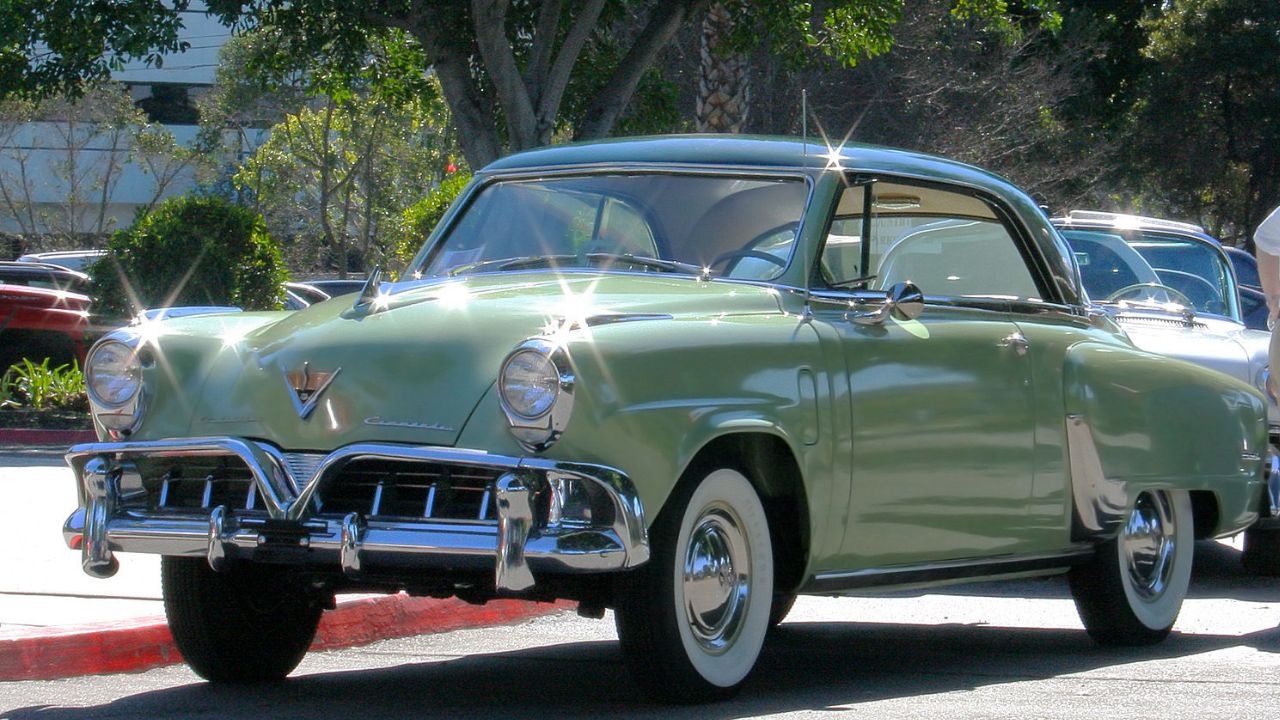
Studebaker’s story reads like a textbook on how to lose everything while doing completely fine. Starting as wagon builders in 1852, they transitioned to automobiles and spent six decades proving that good ideas and distinctive styling couldn’t overcome limited resources and corporate stubbornness.
The company’s golden years came in the 1950s, when designer Raymond Loewy created cars that looked like they’d traveled back from the future. The 1950 Studebaker Champion was so advanced-looking that other manufacturers’ products seemed dated by comparison. Unfortunately, being ahead of your time doesn’t help if you can’t afford to stay in the race.
Studebaker’s problems were legion: inadequate dealer networks, quality control issues that made customers flee to more reliable brands, and a corporate culture that valued penny-pinching over progress. The 1950s merger with Packard was supposed to create synergy, but instead created a disaster that dragged both companies down.
The final American Studebakers rolled off the line in 1963, with production limping along in Canada until 1966. The company that had survived the transition from wagons to automobiles couldn’t survive competition from the Big Three, proving that heritage and innovation mean nothing without the resources to execute properly.
Auburn
Years Active: 1900-1937
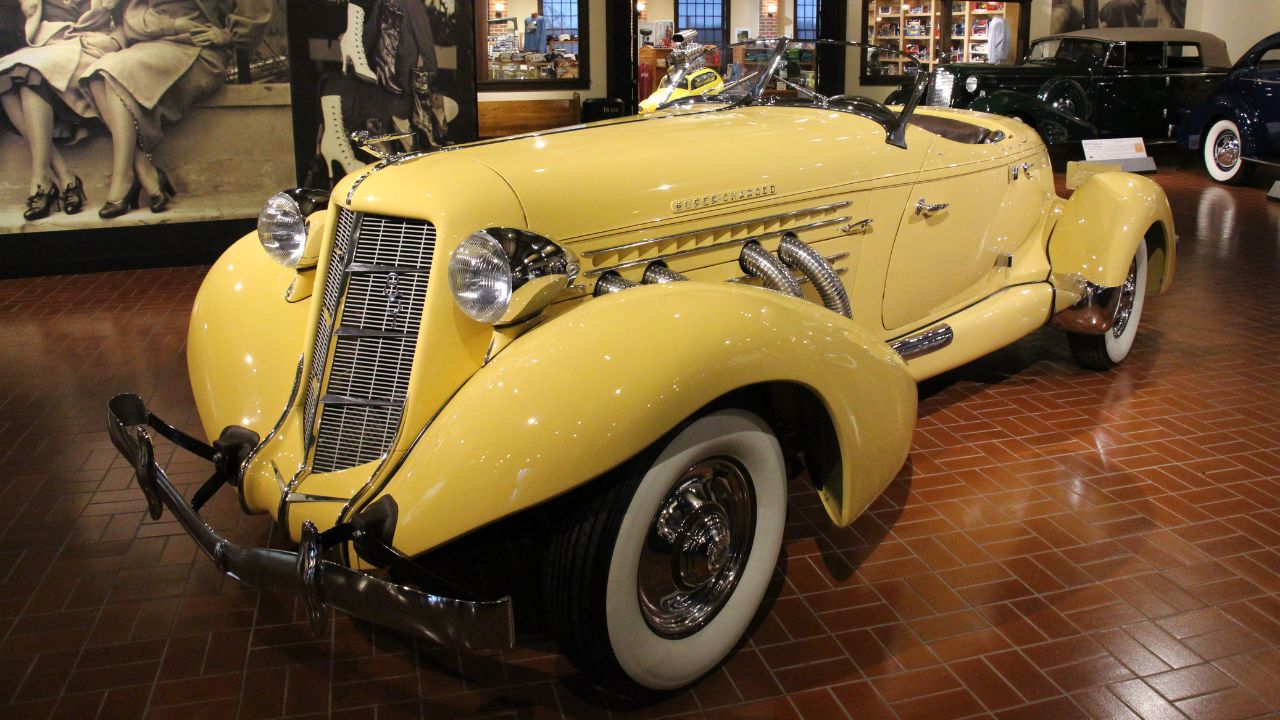
Auburn built some of the most gorgeous cars of the pre-war era, vehicles so stunning they looked like rolling works of art. The Auburn Speedster remains one of the most beautiful cars ever created, with flowing lines that seem to suggest motion even when standing still. These weren’t just automobiles; they were automotive poetry written in steel and chrome.
Under E.L. Cord’s leadership, Auburn embraced bold design and advanced engineering, creating cars that stood out in any crowd. Their supercharged straight-eight engines provided genuine performance to back up the spectacular looks, while innovative features like safety glass and independent front suspension showed serious engineering commitment.
The Great Depression hit Auburn’s target market like a sledgehammer hitting an egg. Wealthy customers who’d previously bought expensive toys suddenly found themselves counting pennies, and Auburn’s exotic automobiles became as desirable as iceboxes in Antarctica. Even aggressive price cuts couldn’t revive demand for cars that screamed “I have money” when having money was becoming a bit socially awkward.
Production ended in 1937, closing another chapter in the Auburn-Cord-Duesenberg story. Today, Auburn Speedsters sell for seven-figure sums at auctions, proving that time eventually rewards true beauty, even if the market doesn’t.
What the Past Can Teach About the Future of Luxury Cars
The automotive graveyard is full of brands that forgot one simple truth: luxury buyers are the most demanding customers on earth. They expect perfection, and anything less sends them straight to your competitors. These historical failures offer valuable lessons for anyone brave enough or foolish enough to chase automotive luxury today.
Timing matters more than a Swiss watch in the luxury car business. Launch too early, and you’re a curiosity. Launch too late, and you’re irrelevant. Launch during an economic downturn, and you’re extinct. The brands that survived understood that luxury is the first expense people cut and the last they restore.
Brand identity isn’t just marketing fluff: it’s survival equipment. The moment customers can’t explain why they should buy your product instead of your competitor’s, you’re finished. Too many of these brands lost their way in corporate reshuffles, platform sharing, and cost-cutting exercises that saved pennies while losing dollars.
For today’s luxury shoppers, these stories offer a different lesson: don’t fall in love with a nameplate. Beautiful cars and clever marketing can’t hide fundamental problems forever. The brands that died deserved their fate, not because they were evil, but because they forgot that in the luxury business, good enough is never good enough.
The road to automotive success is littered with the dreams of visionaries who thought they could build a better mousetrap. Sometimes they were right about the mousetrap but wrong about everything else. These stories remind us that in the car business, as in life, it’s not enough to be good — you have to be good at the right time, with the right resources, and the right amount of luck.
The next time you see a stunning concept car at an auto show, remember these cautionary tales. Behind every beautiful prototype lies the potential for either greatness or spectacular failure, and history suggests that spectacular failure is far more common than anyone wants to admit.