
Paris does not require paranoia, but it does reward preparedness. The city’s official tourism guidance is clear that visitors should stay alert for pickpockets, fake petitions, bonneteau street games, fake transport inspectors, and unofficial ticket sellers, especially in crowded tourist areas and on public transport.
That sounds intimidating until you realize how repetitive most of these setups are. The same tricks keep working because travelers are distracted, rushed, or trying to be polite in unfamiliar situations. Once you know the pattern, most of them become much easier to shut down.
The safest strategy is not to act frightened. It is to keep moving, buy only through official channels, and treat unsolicited help, “free” offers, and pressure tactics as warning signs. Paris is much easier to enjoy when you assume that any stranger trying to stop your momentum probably wants something from you.
That does not mean the city is uniquely dangerous. It means it is one of the world’s most visited places, and heavily visited places attract the same handful of scams over and over. A little preparation goes a long way, and in Paris it usually pays off fast.
1. Watch for Distraction First, Theft Second
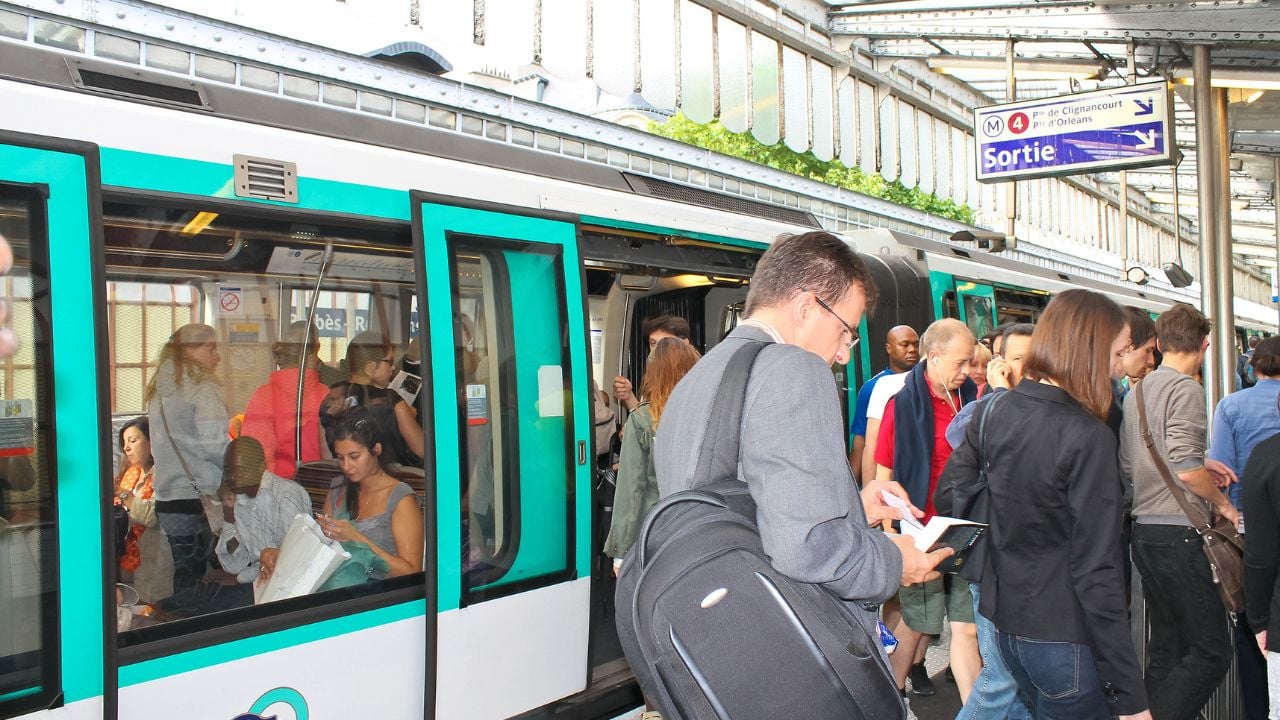
In Paris, the biggest risk for many visitors is still petty theft, not elaborate con artistry. Paris je t’aime says pickpockets are especially active in busy areas and tourist zones, while RATP warns that they may also be present on the public transport network. In many cases, the real danger is not the thief you notice, but the distraction that makes the theft possible.
That is why the safest habits are still the simplest ones. Keep your bag zipped, wear it in front of you in crowds, do not leave your phone on a café table, and do not let your attention get pulled in two directions at once. Most theft prevention in Paris is really about staying physically organized when everything around you is busy.
2. Do Not Stop for Petitions, Bracelets, or Street Games
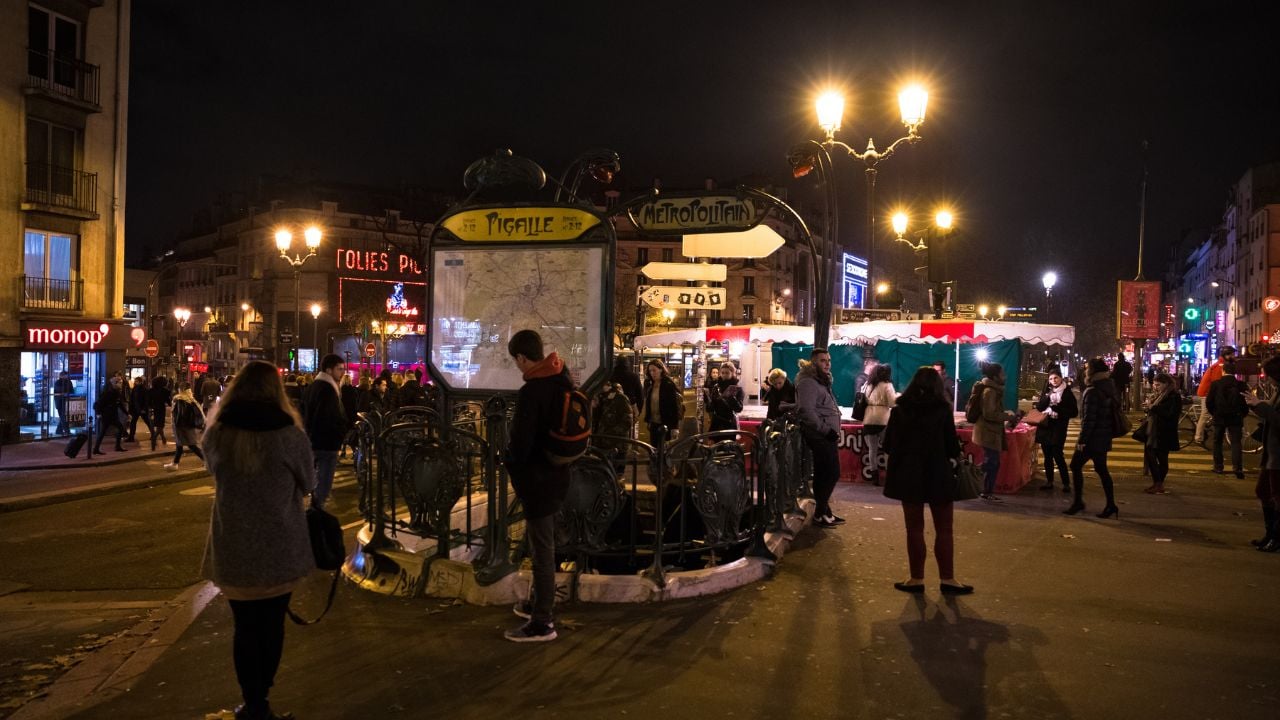
One of the clearest warnings from official Paris guidance is to stay alert for unusual approaches. Paris je t’aime specifically tells visitors to watch for fake petitions and bonneteau, the classic three-card or three-cup street swindle. These are not harmless street curiosities. They are often designed to hold your attention long enough for money or belongings to disappear.
The same logic applies to the friendship-bracelet setup and similar “free gift” routines. Someone approaches as if they are doing something harmless, then uses the moment of confusion to demand payment or create an opening for theft. The safest response in all of these situations is the same: do not engage, do not stop to explain yourself, and do not let a stranger place anything in your hand or on your body. Keep walking and give a firm “Non, merci.”
3. Buy Metro Tickets and Attraction Tickets Only From Official Sources
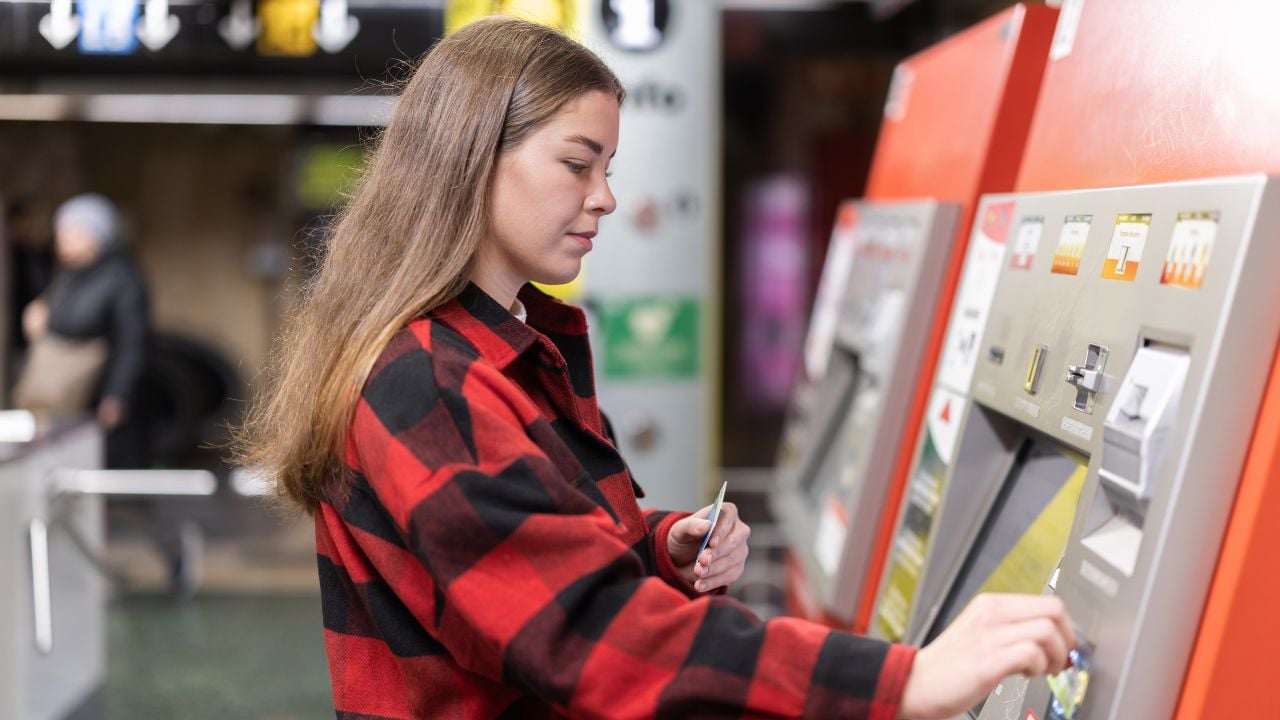
Paris gives visitors a very direct warning on transport scams. Paris je t’aime says illegal street sellers sometimes offer “cheap” public transport tickets that are invalid or sold at heavily inflated prices, and it also warns about fake inspectors who may demand immediate cash payment. RATP adds another useful reminder: validate your ticket properly and keep it until you leave the station.
The same rule applies to attractions. The Eiffel Tower’s official site warned in 2025 about fraudulent tickets sold through fake websites and misleading online ads, and it says only its official platform is authorized to sell single-ascent tickets. One of the easiest anti-scam rules in Paris is also one of the clearest: if a stranger offers transport help or attraction tickets at a “special” price, skip it and book direct.
4. Use Official Taxis and Know the Airport Fares Before You Land

Taxi uncertainty is one of the easiest ways to look vulnerable in a new city. Paris Aéroport says official taxis from Orly and Charles de Gaulle use fixed fares into Paris and should be taken only from designated taxi ranks. That matters because anyone approaching you inside the terminal or just outside it is exactly the kind of person you do not want to negotiate with.
If you already know the airport fares before you land, most of the ambiguity disappears. The fixed-rate system is simple enough to memorize, and once you head straight to the marked rank, the scam opportunity narrows fast. Paris is a much easier airport-arrival city when you remove the decision-making before the pitch ever happens.
5. Carry Less, Pay Smarter, and Know What To Do if Something Goes Wrong
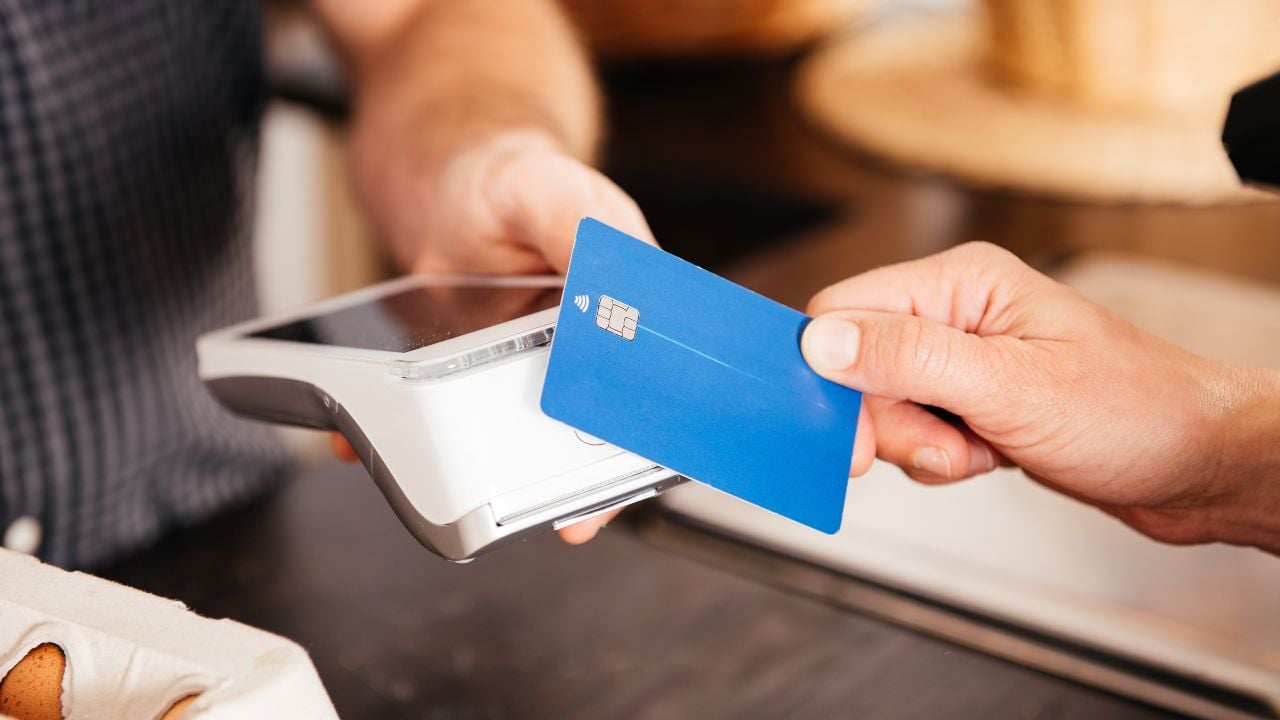
The official Paris tourism office recommends avoiding large amounts of cash, paying by card or mobile when possible, keeping your belongings close, and carrying copies of your identity papers in a safe place, including digitally. It also advises visitors to contact their consulate and the police if identity papers are lost or stolen, and notes that foreign visitors can file a complaint through the SAVE assistance system in their own language.
That is the most useful final reminder because scam prevention is not only about spotting bad actors. It is also about limiting the damage if something does go wrong. Bring only what you need for the day, separate your backup card from your main wallet, store a secure copy of your passport, and save key emergency contacts before you arrive. Paris is much easier to enjoy when a failed scam stays a story instead of becoming a ruined trip.