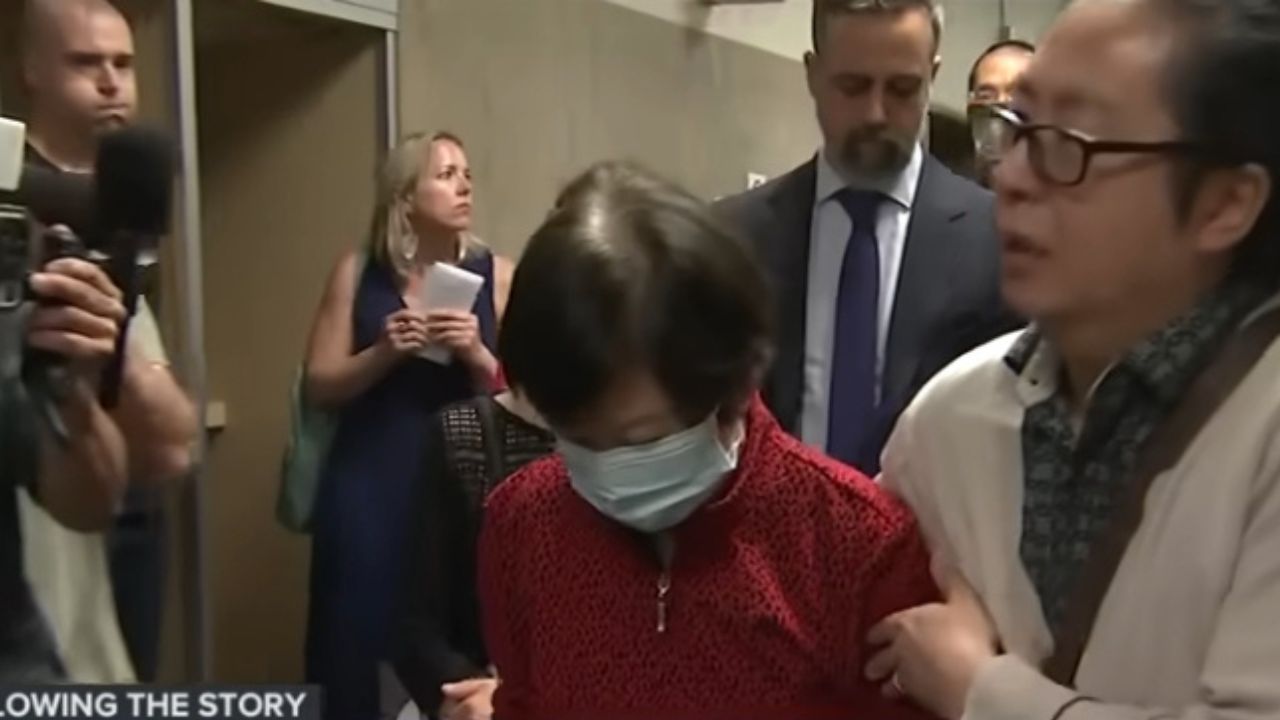

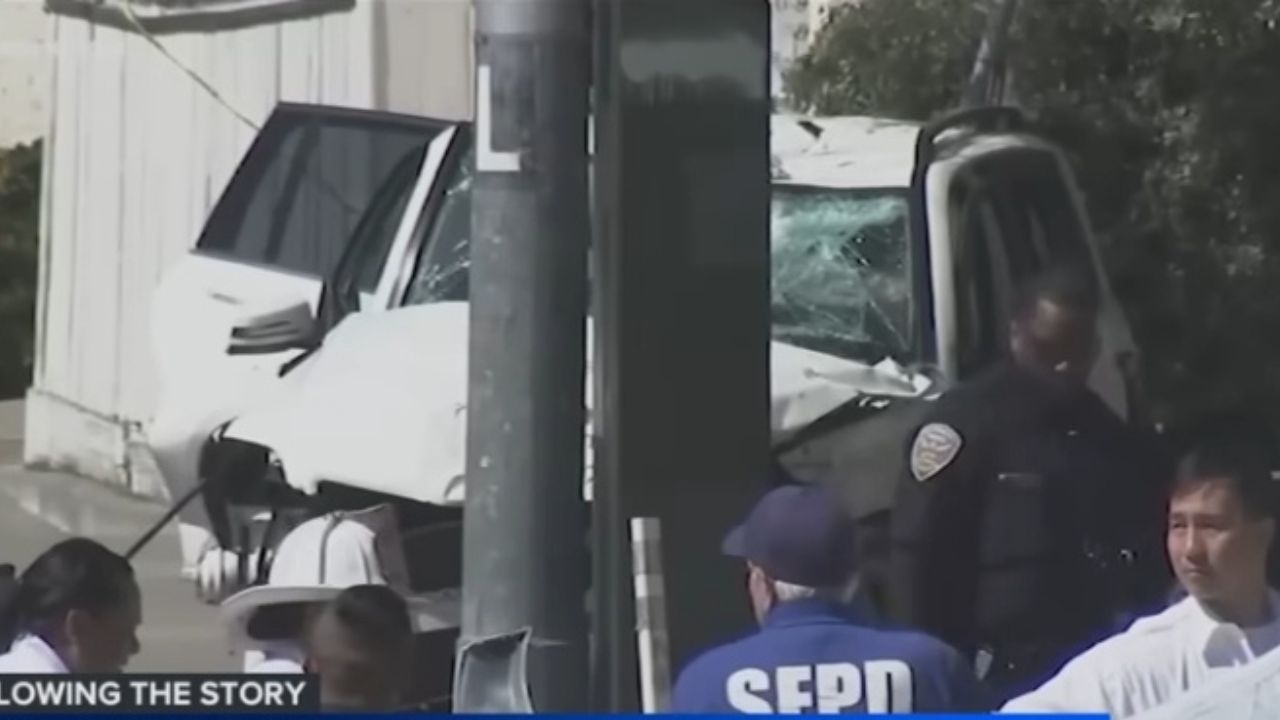
The quiet streets of San Francisco’s West Portal neighborhood became the scene of unimaginable tragedy when an 80-year-old driver, Mary Phuong Lao, lost control of her car and crashed into a family of four. In a matter of seconds, an ordinary day turned into a devastating loss that would ripple through an entire community.
According to authorities, the impact was catastrophic. The victims, a family out together, had no chance to escape the oncoming vehicle.
The fact that the mom, dad, and their two young children were simply out walking together when the crash occurred underscores the randomness and devastation of the incident — they were not engaged in risky behavior, just going about their day in a residential neighborhood.
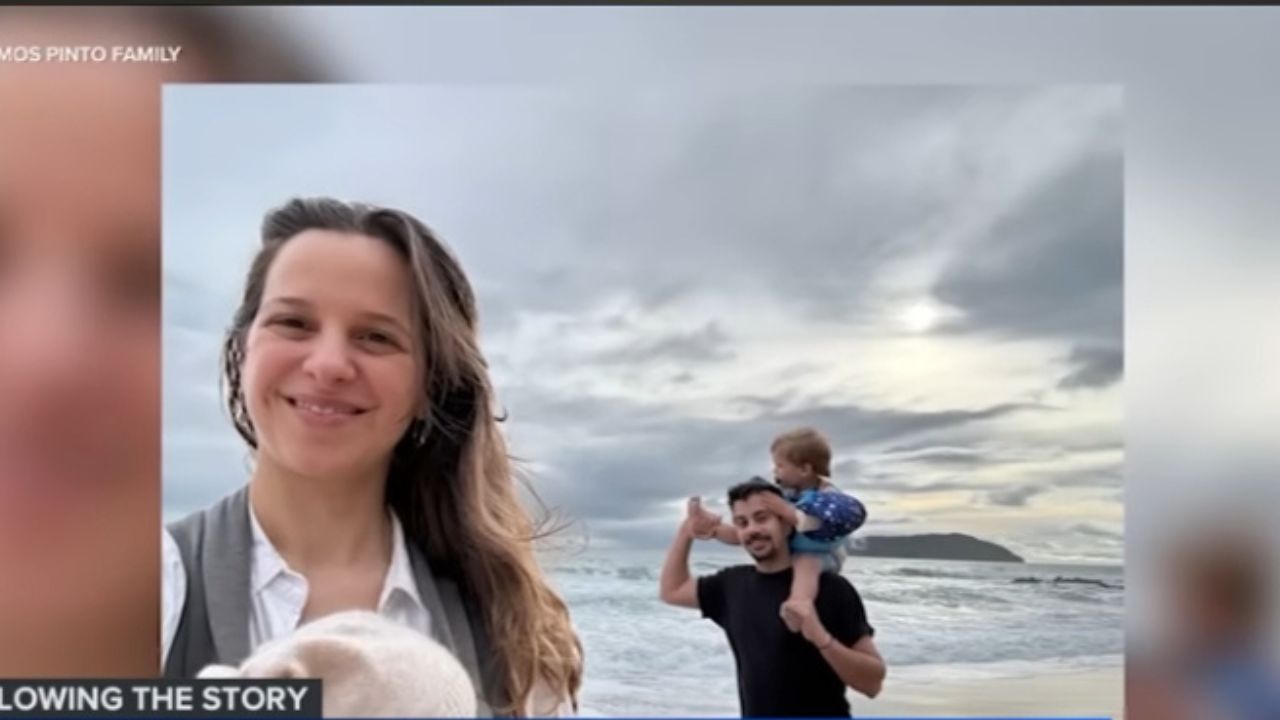
Emergency responders rushed to the scene, where the aftermath was described as chaotic and deeply distressing. Four people were killed as a result of the crash, leaving behind grieving relatives and a community searching for answers.
The Driver, the Speed, and the Criminal Case
In the immediate aftermath, attention turned to the driver. Investigators revealed that Lao had been traveling at an alarming speed, reportedly reaching up to 70 miles per hour in a residential area just moments before the collision. That detail alone raised serious concerns about how such an incident could occur under those conditions.
The criminal case that followed concluded recently, with Lao receiving a sentence that included probation and 200 hours of community service. For many, especially the victims’ loved ones, the punishment felt insufficient given the scale of the loss.
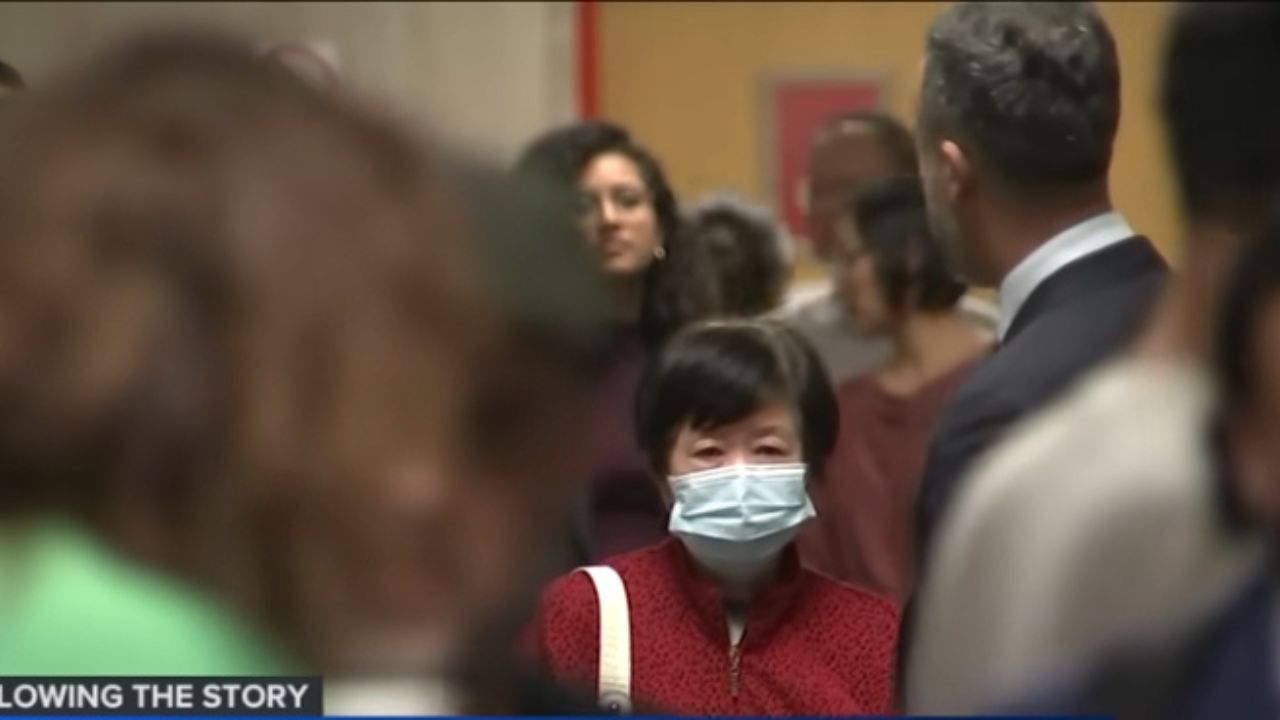
The sense of injustice has fueled the next phase of legal action, as the family now turns to civil court in pursuit of accountability.
Two civil lawsuits are moving forward against Lao. Unlike in the criminal proceedings, where she entered a plea of no contest, the civil cases will require her to testify under oath. Legal experts explain that because the criminal matter has been resolved, she can no longer invoke protections against self-incrimination.
This means she will be compelled to answer questions about her actions leading up to the crash, including her speed, awareness, and decision-making in those critical moments.
The Civil Fight
The family’s legal team is focused not only on uncovering the full truth but also on determining appropriate financial compensation. In civil court, damages are calculated differently than in criminal sentencing.
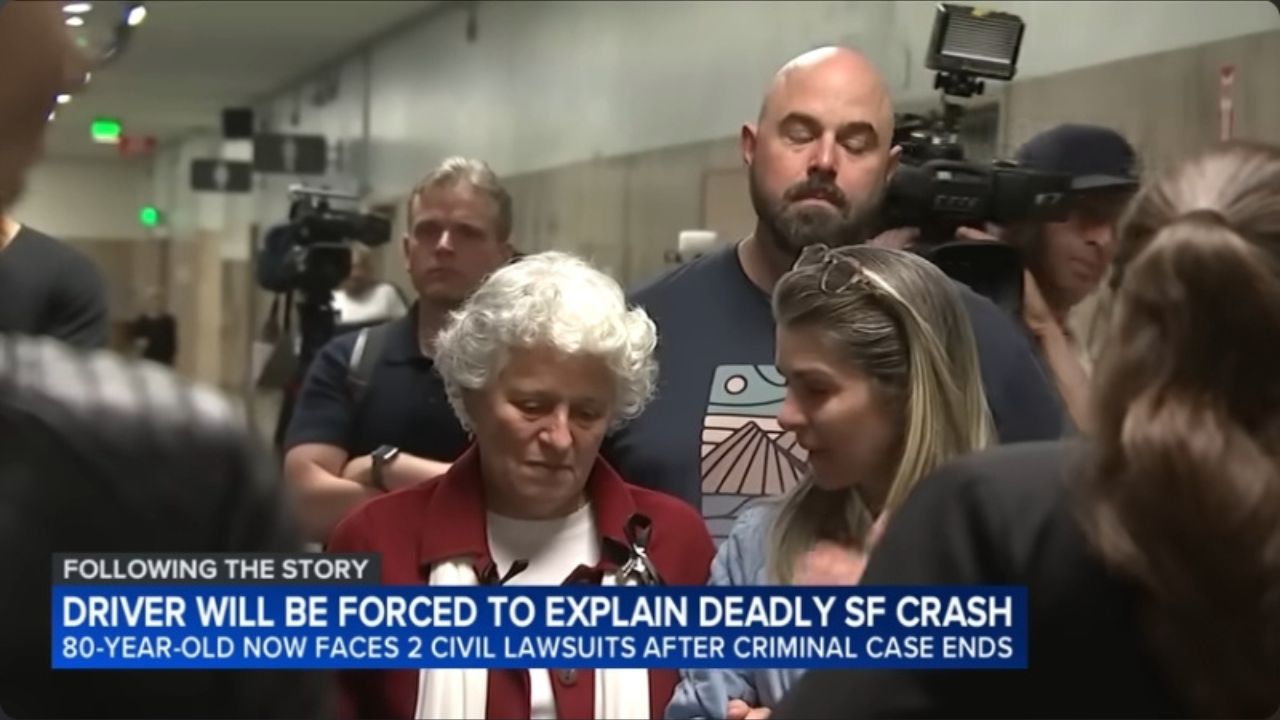
Jurors are asked to consider the emotional and financial toll on surviving relatives, often translating grief and loss into monetary terms that reflect the magnitude of the tragedy.
Adding another layer of complexity, the plaintiffs’ attorney has alleged that Lao transferred significant assets out of her name during the course of the criminal case. These transfers, reportedly involving millions of dollars, are now under scrutiny.
The legal team is working to trace those assets, determine whether they were moved improperly, and, if necessary, recover them. The outcome could play a crucial role in what compensation, if any, the family ultimately receives.
Legal scholars note that the civil trial could become lengthy and highly detailed. Because Lao did not admit guilt in the criminal case, the burden will fall on the plaintiffs to establish liability in civil terms. This process may involve expert testimony, reconstruction of the incident, and emotional accounts from those affected by the loss.
At the heart of the case lies a profound human story. A family’s life was cut short in an instant, and those left behind are now navigating both grief and a complex legal system. While no verdict or settlement can undo what happened, the civil proceedings represent an effort to seek some measure of justice.
Age, Responsibility, and the Law
What’s remarkable here is the collision between age, responsibility, and the law. An 80‑year‑old found to be driving nearly 70 mph on a residential street faces a very unusual legal landscape:
Courts often weigh whether advanced age contributed to impaired judgment, reflexes, or medical conditions. Yet the sheer recklessness of traveling at highway speeds in a neighborhood makes diminished capacity a weak shield. It looks a lot more like gross negligence.
Still, judges frequently take age into account when imposing penalties. At 80, incarceration can be seen as disproportionately harsh given health risks, but leniency can spark outrage when the consequences are this catastrophic. That tension often leads to probation, community service, or very short custodial terms rather than long prison sentences.
Regardless of criminal sentencing, civil lawsuits remain wide open. Families can pursue damages for wrongful death, and here the driver will almost certainly be compelled to testify about what happened. Civil courts don’t soften liability because of age. Financial responsibility can extend to assets, insurance, and estates.
Ultimately, a case like this often ignite debate about whether elderly drivers should face stricter licensing requirements, mandatory retesting, or medical evaluations. The fact that someone at 80 could accelerate to 70 mph in a residential zone raises systemic questions beyond the individual case.