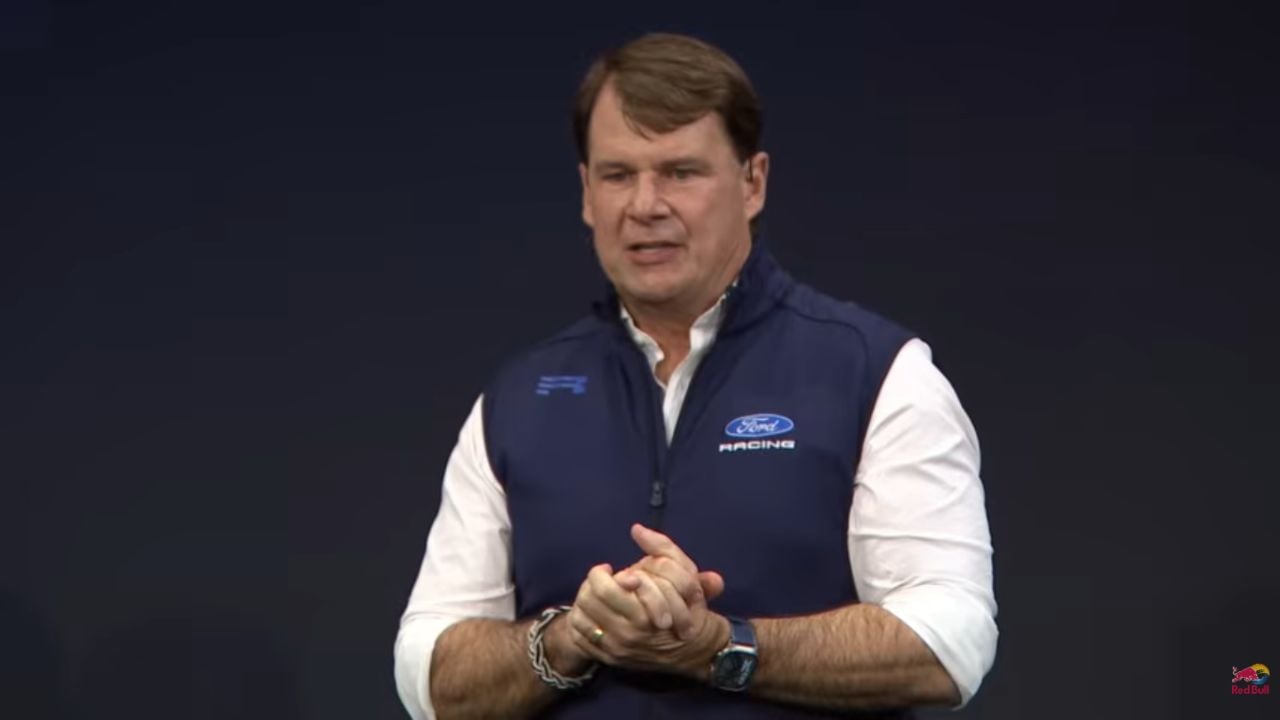

Amid the industry’s ongoing, painful adjustment to the electric vehicle revolution, Ford Motor Company CEO Jim Farley is more worried about software.
According to Farley, it’s a mistake to assume the shift to software-defined vehicles as just another hurdle. He’s just described it as the single biggest transformation the auto industry has faced in decades, eclipsing even the challenge of electrification and the competitive pressure from Chinese automakers.
Farley made these comments in a recent, wide-ranging interview with Car and Driver, the same media chat in which the CEO confessed he regrets the F-150 Lightning. This admission about software spotlights an unfolding reality that many traditional carmakers have struggled to admit.
The future of mobility is no longer solely about horsepower, torque, or range. It is about software control, seamless updates, and centralized computing architectures that can evolve long after the car leaves the dealership.
The Old Way of Building Cars Is ‘Not Going to Work’
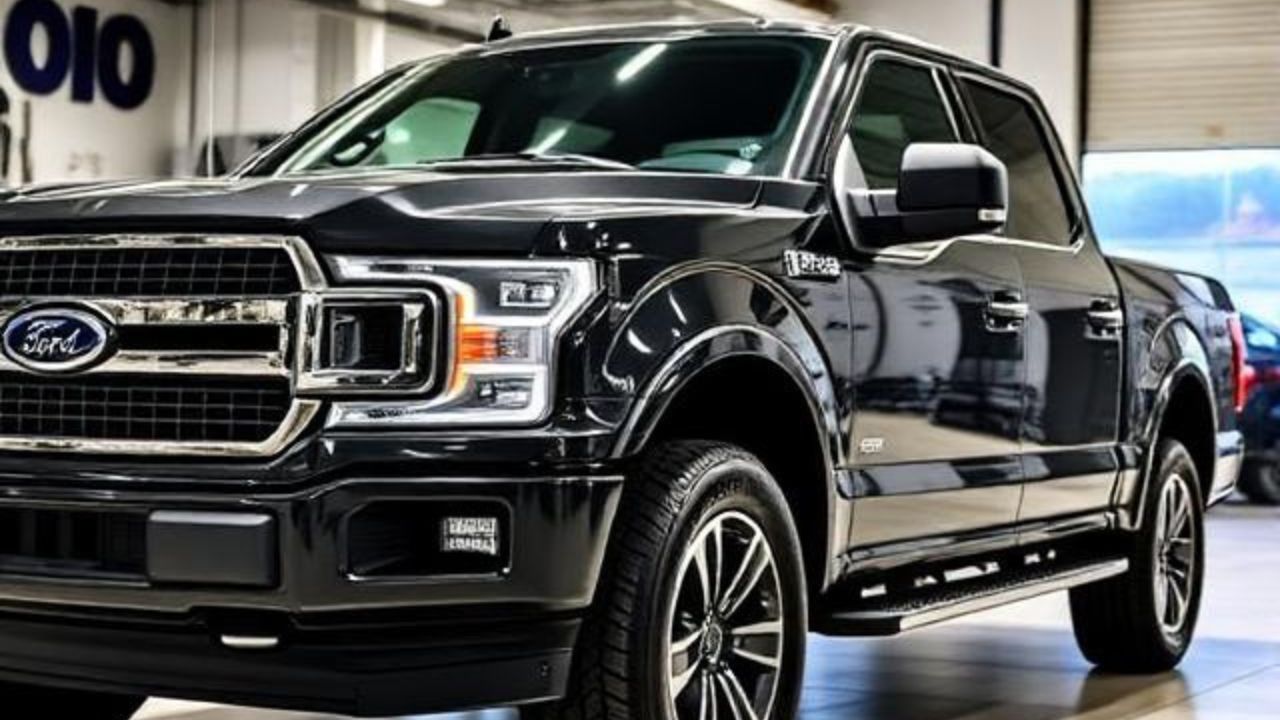
Modern cars have become increasingly complex machines, packed with hundreds of sensors and dozens of electronic control units. Each system, from braking to climate control, traditionally runs on its own hardware and software stack. Farley says this approach is outdated.
“The old model of many separate ECUs controlled by multiple suppliers is not going to work for the future,” he explained. Ford is now trying to consolidate these systems under a centralized computing architecture that allows for consistent updates and rapid deployment of new features.
This transition, however, is far from simple. Legacy automakers like Ford built decades of expertise around mechanical engineering and supply chain management. Software is a completely different discipline. It requires iterative development, agile teams, and an infrastructure capable of supporting continuous improvement.
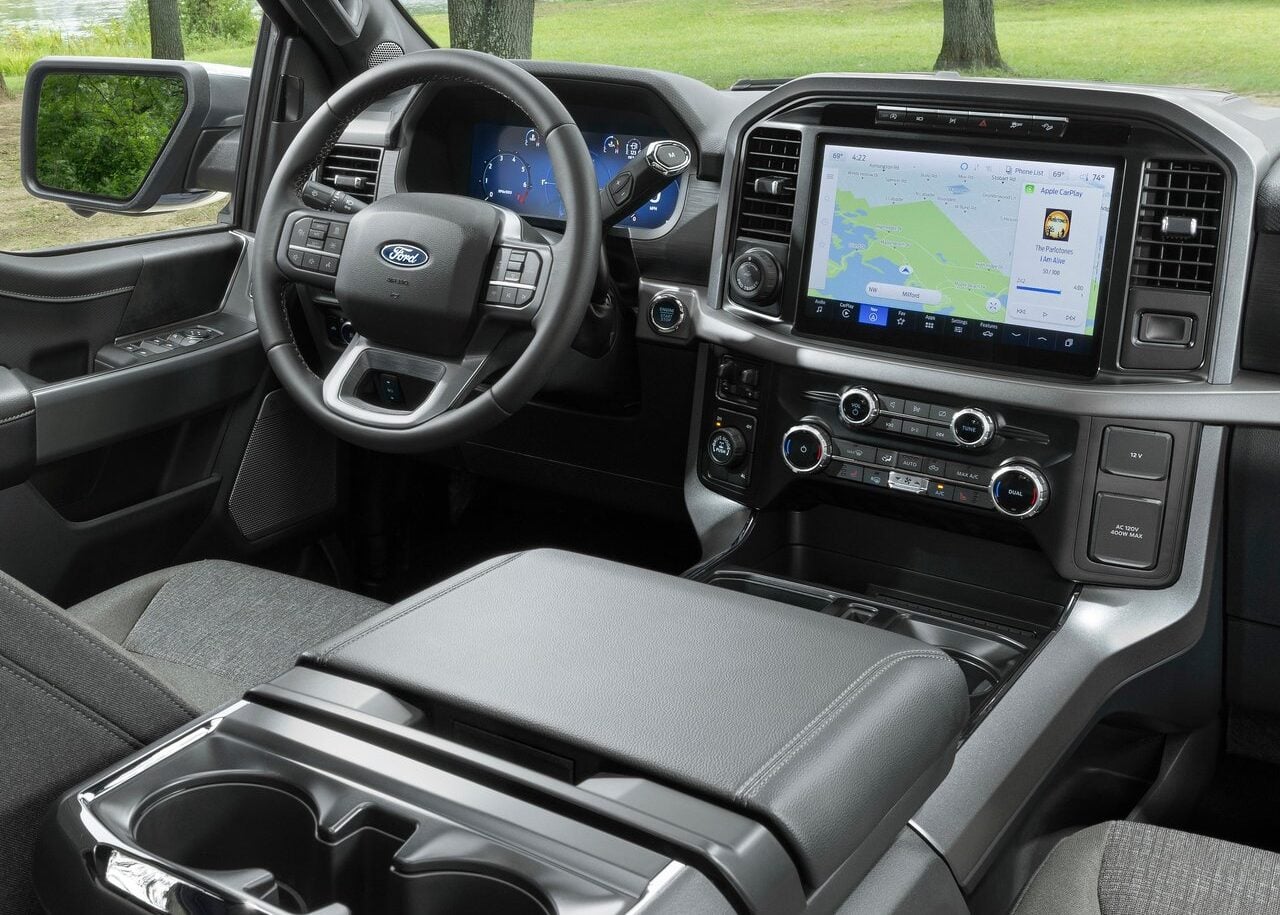
Farley notes that automakers must think like software companies, not just hardware manufacturers, if they want to compete in the next decade.
The stakes are high. Tesla has demonstrated the power of software-centric vehicles with over-the-air updates, responsive user interfaces, and sophisticated driver assistance systems that improve over time.
Chinese EV manufacturers have embraced similar models, giving them an edge in markets where consumers value connected features and frequent updates. Farley warns that companies that fail to master this new paradigm risk being left behind, no matter how strong their legacy lineup of vehicles may be.
The ’New Engine’ Driving Ford’s Future
Centralized computing also ties directly to the future of autonomous and assisted driving. Farley emphasized that the car of the future will be defined by software experiences, from advanced driver assistance systems to infotainment, navigation, and vehicle-to-vehicle communication.
The ability to roll out new capabilities over the air will be a key differentiator in the marketplace.
Ford is investing heavily to catch up. The company is developing internal software teams and working closely with technology partners to build a more unified automobile architecture.
Farley acknowledged the growing pains, noting that the transformation requires retraining engineers, rethinking partnerships, and building new platforms from the ground up. It is not just a technical challenge but a cultural one.
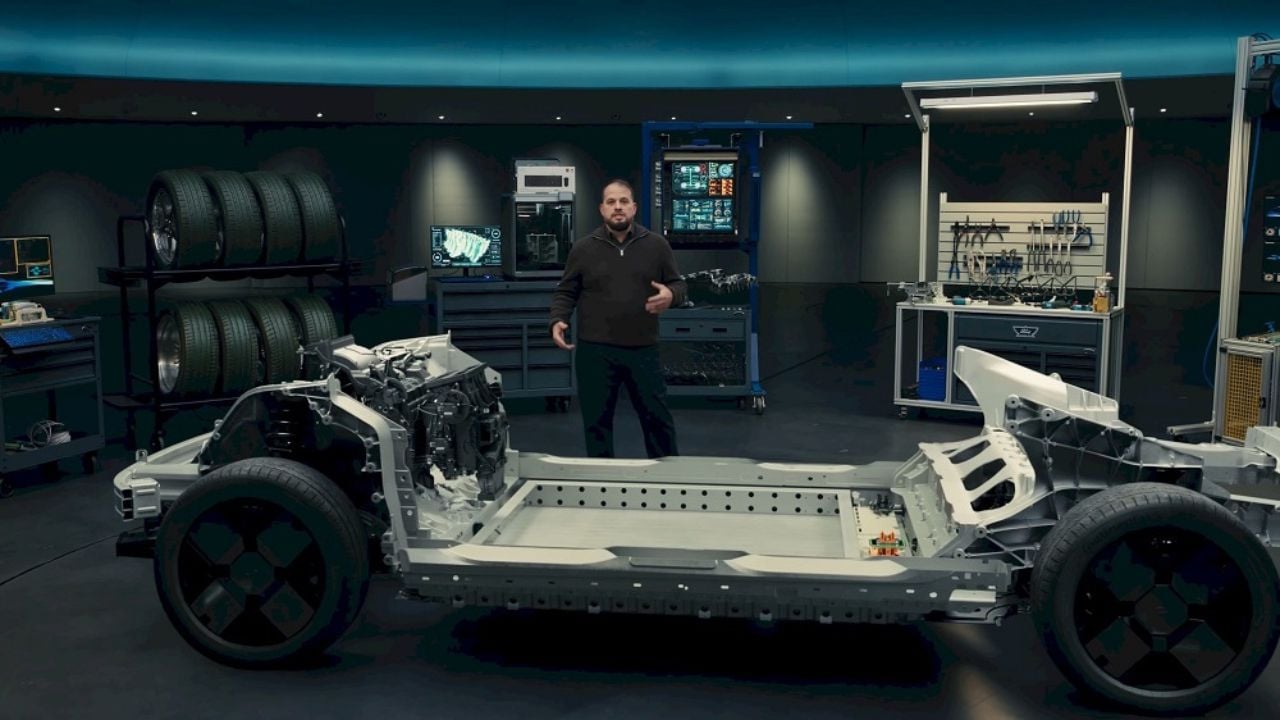
Many in the industry would agree with Farley on the urgency of this one. As EV adoption continues onward and inevitable, software-defined vehicles are quietly shaping consumer expectations and competitive dynamics.
The automaker that masters both hardware and software will not only sell cars but control the customer experience throughout the life of the car.
Adapt or Decay
Ultimately, Farley just reiterated what industry watchers already know. The future belongs to companies that embrace software as the core of vehicle design and operation. Ford has the brand recognition, engineering expertise, and global footprint to succeed, but the clock is ticking.
Software is no longer an accessory. It is the new engine of the automotive industry. Failure to adapt is to risk obsolescence long before their gas-powered legacy fades completely. No wonder Farley says the software revolution is bigger than electrification, bigger than any foreign competitor, and essential for survival.
Sources: Car and Driver