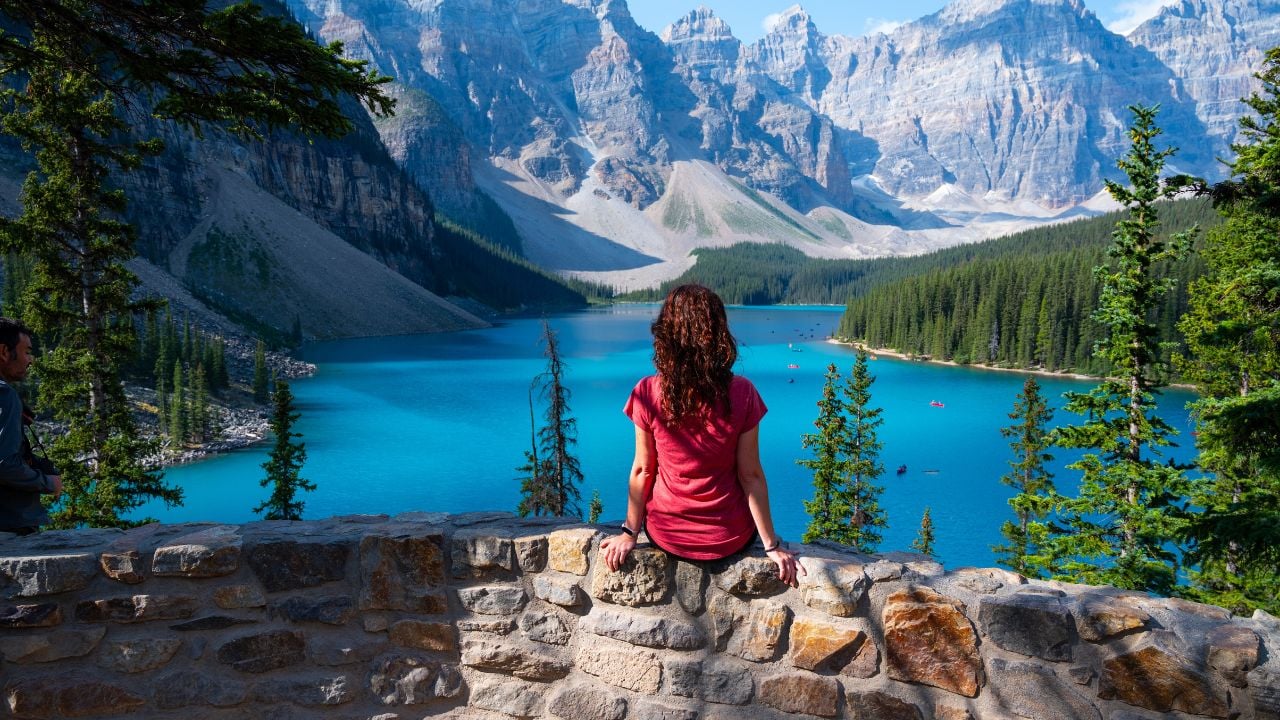
Summer gets most of the attention in the Canadian Rockies, but early autumn makes a stronger case than many first-time visitors expect.
Banff and Lake Louise’s official fall guide and Tourism Jasper’s fall page both lean into the same appeal: hiking, paddling, biking, sightseeing, and a quieter rhythm once the busiest summer weeks pass.
That seasonal change matters because Banff and Jasper do not simply become cooler versions of summer.
In Banff, golden larches turn parts of the landscape into a brief burst of color. In Jasper, earlier darkness pushes stargazing to the front of the experience, while wildlife activity adds extra tension to roadsides and meadows.
1. Banff’s larch season gives fall its signature look

Banff has one enormous advantage in autumn: larch season. Parks Canada says the peak season for autumn colors usually lands from mid to late September, when these unusual conifers turn bright gold before dropping their needles. That short window is one of the biggest reasons Banff changes character after summer instead of simply becoming quieter.
The popularity comes with a trade-off. Parks Canada notes that Lake Louise and Moraine Lake are especially busy on September weekends during larch season, which is why fall tends to reward travelers who start early, stay flexible, and do not build the whole trip around one photo stop.
2. Jasper feels calmer, moodier, and especially good after dark
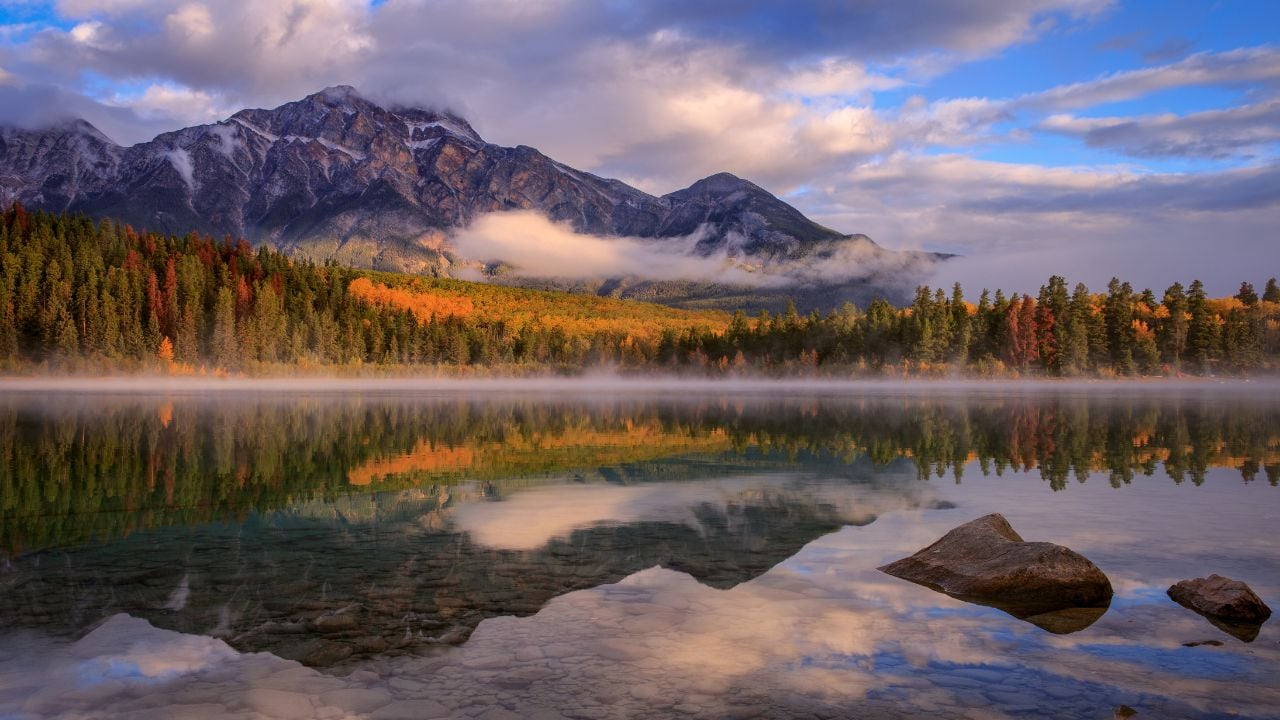
Jasper’s autumn appeal comes through a slightly different mood. Tourism Jasper describes fall as a season for hiking, biking, canoeing, wildlife viewing, and sightseeing, but at a gentler pace than the height of summer. That softer energy suits the park, because thinner crowds make lakes, lookouts, and town walks feel more immersive.
Earlier nightfall is another big reason the season stands out. Jasper promotes itself as the world’s largest accessible dark sky preserve, while Parks Canada says October is Dark-Sky Month. That gives the park a second identity after sunset, one that feels more hushed, dramatic, and memorable than summer’s longer evenings.
3. Wildlife season adds tension as well as beauty
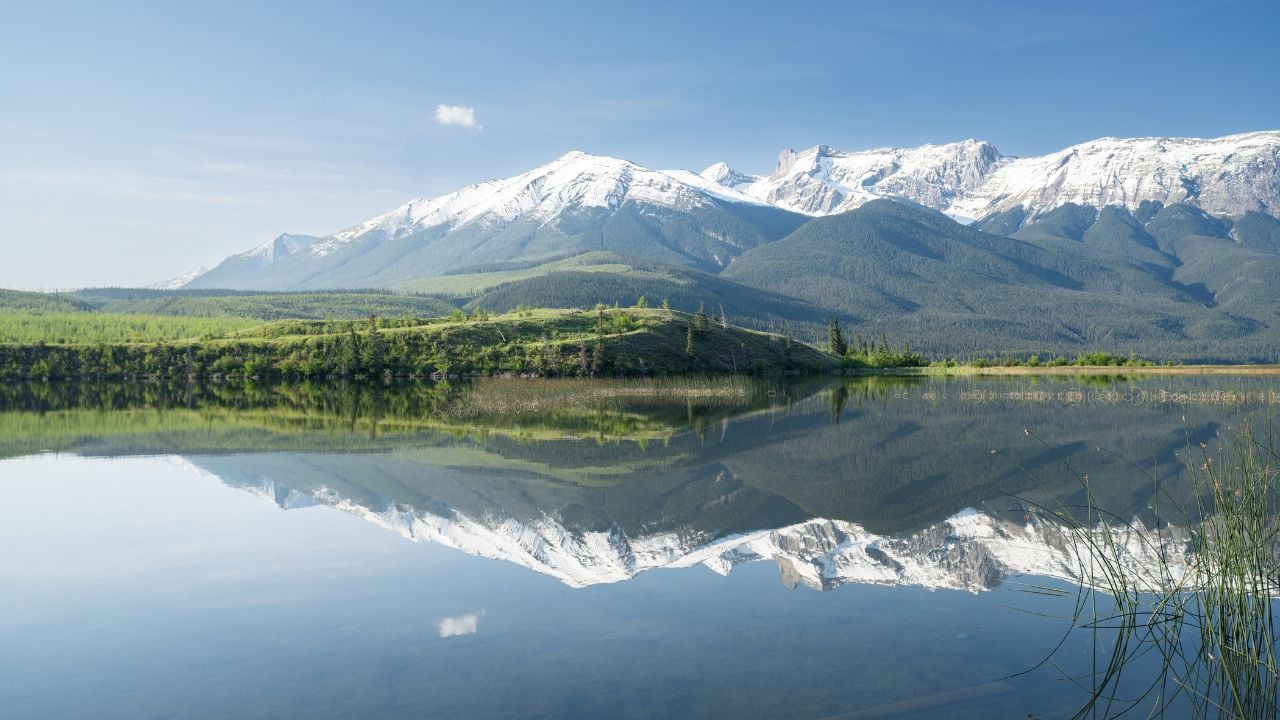
Autumn is also when both parks feel more alive in a wilder sense. Parks Canada says Jasper’s elk rut runs from September 1st through October 15th, while the Town of Banff says the rut generally stretches from late August to mid-October. That means a fall trip can overlap with one of the Rockies’ most memorable wildlife seasons.
The official advice is clear that this is a season for distance and caution, not close-up photos. Jasper safety guidance says visitors should stay at least 30 metres from elk and other large ungulates, and much farther from predators. In practice, the best wildlife viewing here is patient, respectful, and unhurried.
4. The drives between the highlights are part of the reward
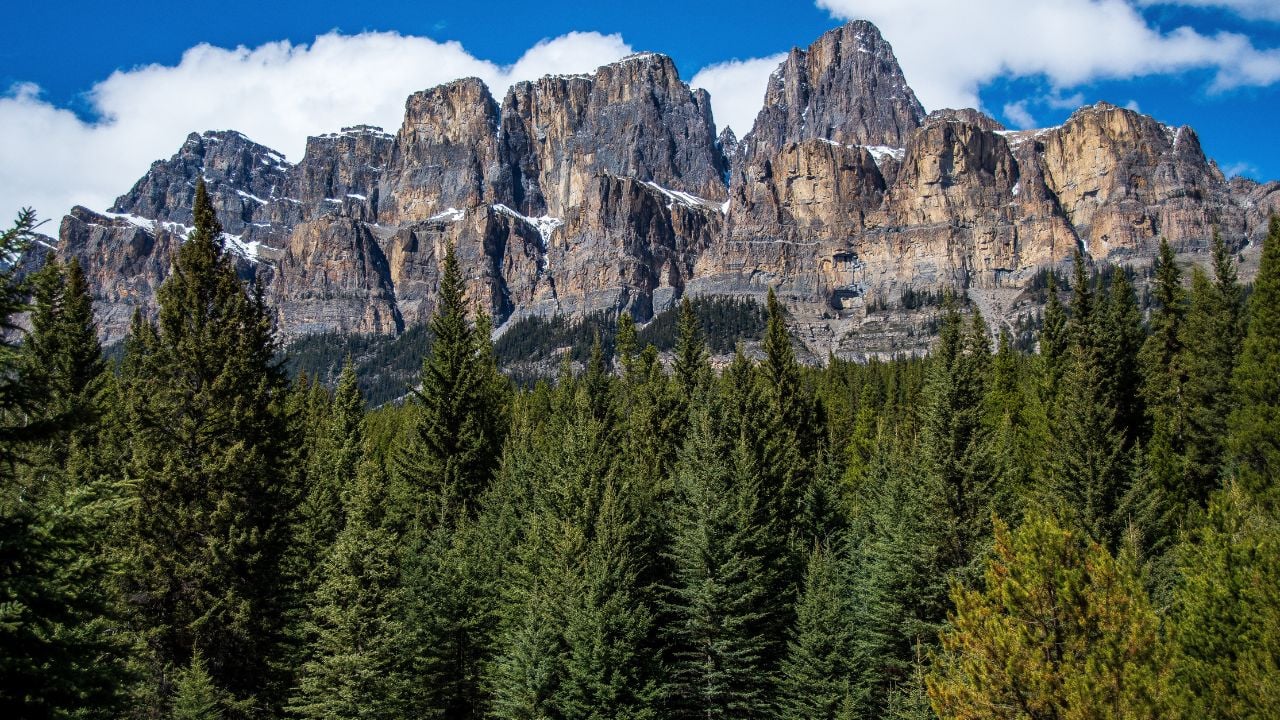
One reason fall works so well here is that the journey between major stops can be as satisfying as the headline attractions. Parks Canada says the Icefields Parkway runs 232 kilometres between Lake Louise and Jasper, and that famous corridor is lined with glaciers, lakes, and wide mountain views that feel especially good when traffic pressure eases a little after summer.
Banff offers its own quieter version of that pleasure on the Bow Valley Parkway. Banff and Lake Louise tourism notes that a portion of the road is seasonally closed to vehicles in spring and fall for cycling, which helps the route feel more relaxed and scenic at exactly the time of year when many travelers want a slower pace anyway.
5. Fall rewards good timing and a little practicality
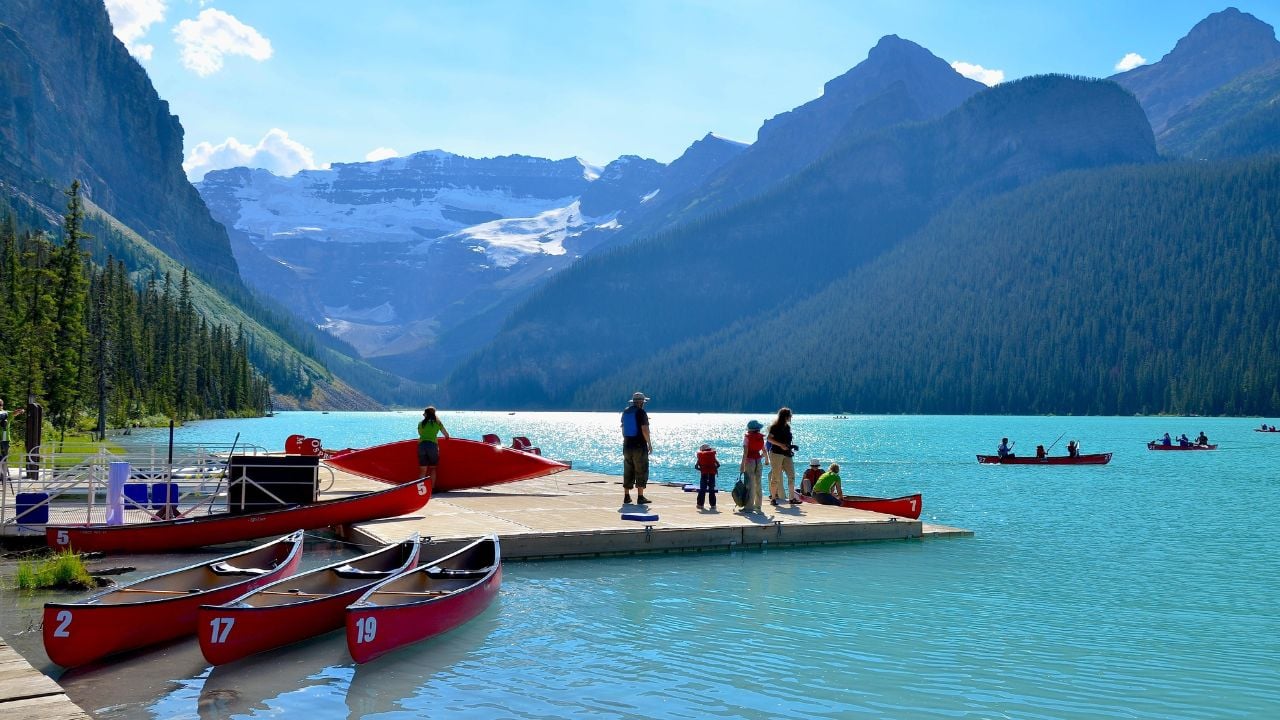
The season is beautiful, but it is not carefree in quite the same way as midsummer. Parks Canada says many Lake Louise-area trails are exposed to avalanche hazard and travel is not recommended from mid-October through mid-June, which means the shoulder season can narrow quickly as conditions shift.
That practicality is part of the appeal, not a drawback. Fall in Banff and Jasper suits people who like crisp air, shorter natural windows, and the sense that they caught the Rockies in a more textured mood. The larches do not last forever, the nights arrive earlier, and the weather can turn faster than it did in July, which is exactly why the season feels so vivid.