Lotus spent much of the past decade talking about an all-electric future. Now, the British sports car manufacturer appears to be charting a different course, one that includes a return to high-performance combustion engines alongside electrification.
The change became clearer following the company’s recent Focus 2030 strategy announcement. Rather than abandoning internal combustion power, Lotus plans to build a lineup that combines plug-in hybrids and electric vehicles while continuing to cater to enthusiasts who still crave traditional sports car characteristics.
That strategy could produce one of the most exciting Lotus models in decades. Company executives have confirmed that a new V8 hybrid supercar is scheduled to arrive in 2028, marking the return of eight-cylinder power to the brand for the first time in more than 20 years.
Just as intriguing is the possibility that Lotus may revive one of its most iconic nameplates. While CEO Feng Qingfeng stopped short of making an official announcement during an interview with Automotive News, his comments strongly suggest that the legendary Esprit could be making a comeback.
The Esprit Name Refuses To Die
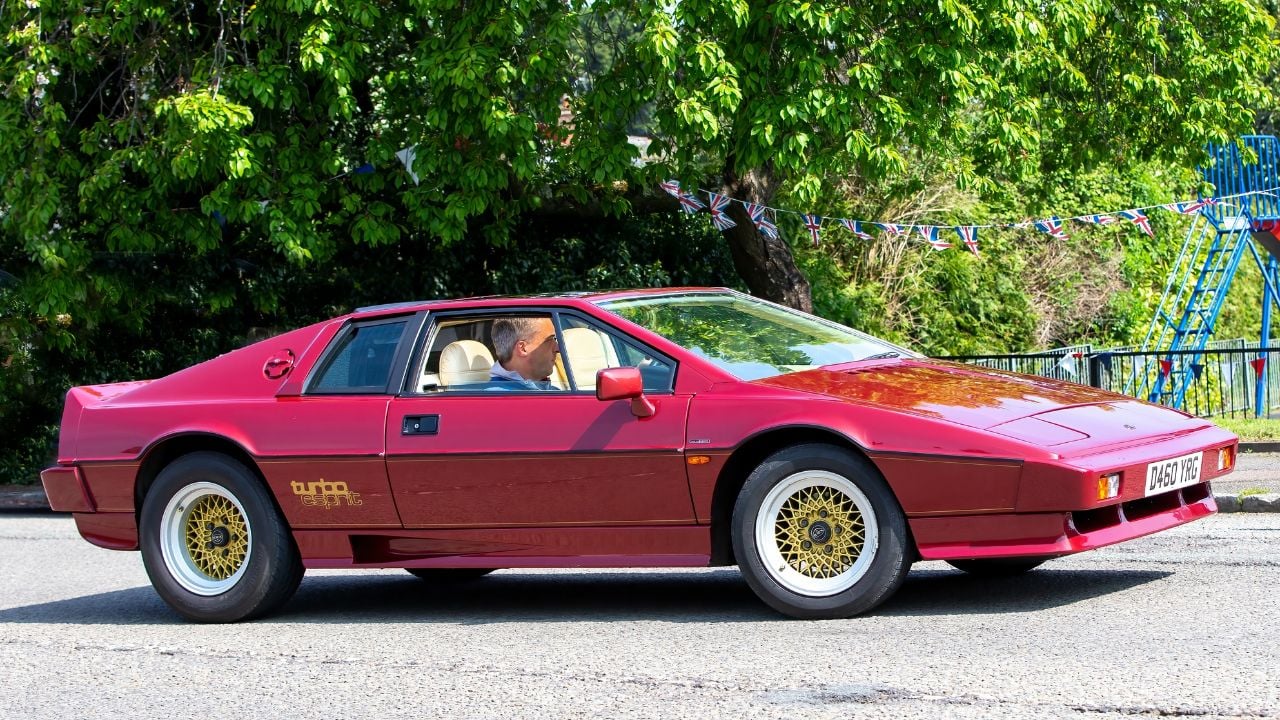
The Lotus Esprit remains one of the company’s most recognizable models. Produced from 1976 through 2004, the wedge-shaped sports car evolved over multiple generations and eventually became the first Lotus to receive a factory V8 engine.
Since production ended, enthusiasts have repeatedly called for the nameplate’s return. Qingfeng acknowledged that demand during the interview, noting that the Esprit remains firmly embedded in the minds of customers and fans.
When asked whether the upcoming V8-powered supercar would wear the Esprit badge, Qingfeng offered a carefully worded response. “Let’s just say there’s a logical legacy connection,” he said, fueling speculation that the famous name could return alongside the new model.
Aiming Directly At Ferrari
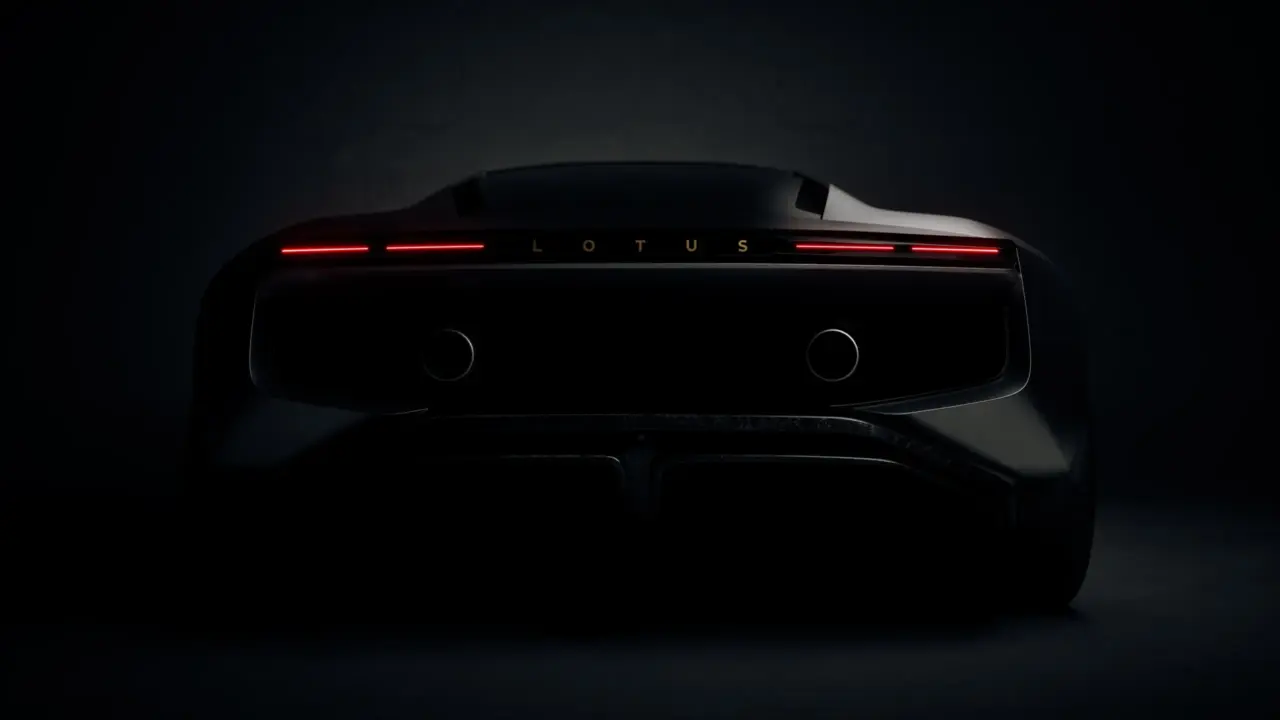
Lotus is not setting modest goals for its next flagship. According to Qingfeng, the upcoming Type 135 supercar will be benchmarked against Ferrari’s new 849 Testarossa, a plug-in hybrid supercar producing more than 1,000 horsepower.
That target alone signals how ambitious Lotus has become. While the company has long been known for lightweight handling and driver engagement, it now appears ready to compete directly with some of the most technologically advanced performance cars on the planet.
Matching Ferrari’s performance will require significant engineering investment. The upcoming Lotus flagship is expected to combine hybrid technology with a newly developed V8 engine designed specifically for future Geely-owned performance vehicles.
A New V8 Developed In-House
Unlike many smaller manufacturers that source engines from outside suppliers, Lotus plans to help develop its new V8 internally through the Horse Powertrain joint venture. Horse is a collaboration between Geely and Renault focused on next-generation combustion and hybrid powertrains.
Qingfeng says the project offers Lotus an opportunity to create an engine tailored to the brand’s priorities. Engineers are reportedly focusing on minimizing both weight and size while maintaining the performance expected from a modern supercar.
The new V8 will not be exclusive to Lotus. Other Geely brands are expected to use the engine in larger vehicles, including SUVs, though Lotus will remain the only company applying it to a dedicated sports car.
The Emira Is Staying Combustion Powered Too
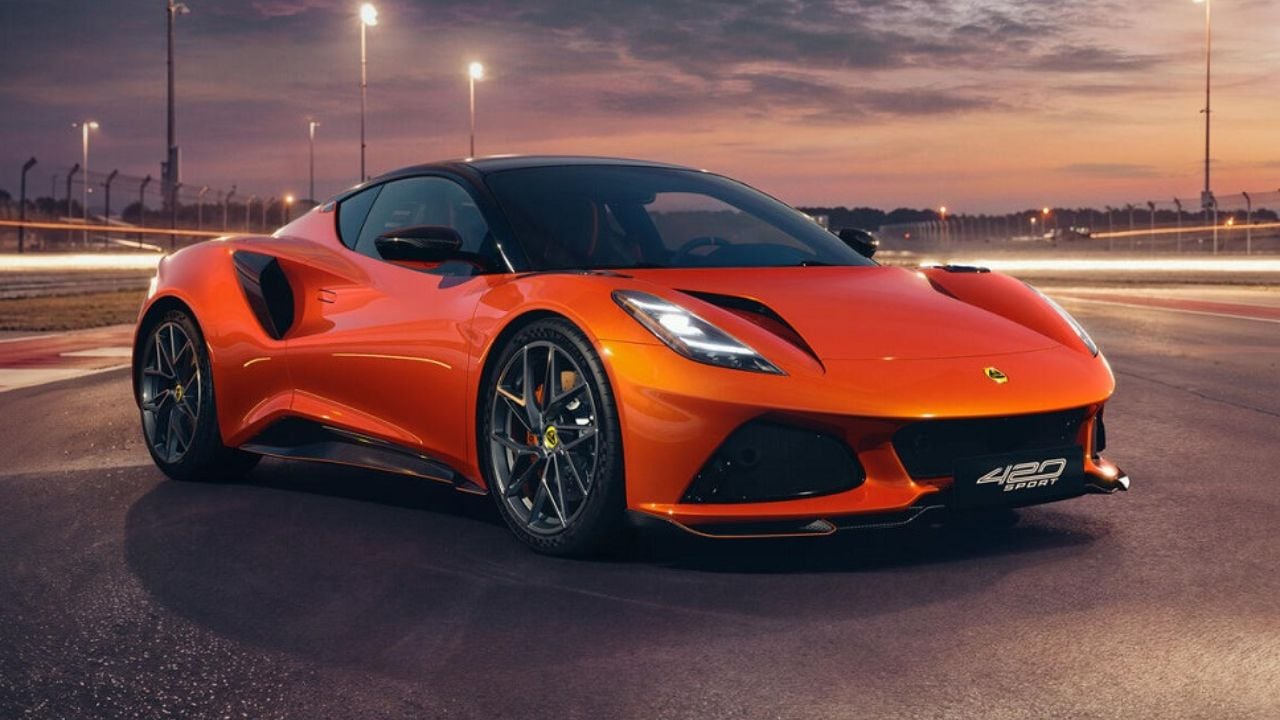
The V8 flagship is not the only model benefiting from Lotus’ revised strategy. The Emira is also expected to receive a new hybrid powertrain as the company moves away from its current engine suppliers.
Future versions of the Emira will reportedly adopt a hybrid V6 from Horse Powertrain. That change would replace both the existing Mercedes-AMG four-cylinder and Toyota-sourced V6 currently offered in the sports car.
According to Qingfeng, customer preferences played a major role in that decision. He noted that the V6 remains the most popular engine choice among American buyers, reinforcing the argument for keeping combustion power alive within the Lotus lineup.
A Different Vision For Lotus’ Future
Only a few years ago, Lotus appeared committed to an all-electric future. Market realities, however, have encouraged many manufacturers to adopt more flexible strategies that blend traditional engines with electrified technology.
Under Focus 2030, Lotus expects approximately 60 percent of its sales to come from plug-in hybrids and 40 percent from battery-electric vehicles by the end of the decade. That approach gives customers greater choice while allowing the company to continue building the performance cars that established its reputation.
If the Esprit name truly returns alongside a V8 hybrid supercar, it could represent one of the most significant moments in Lotus’ modern history. For enthusiasts who feared the brand’s future would be entirely electric, the message is becoming increasingly clear: the sound of combustion is not leaving Lotus anytime soon.