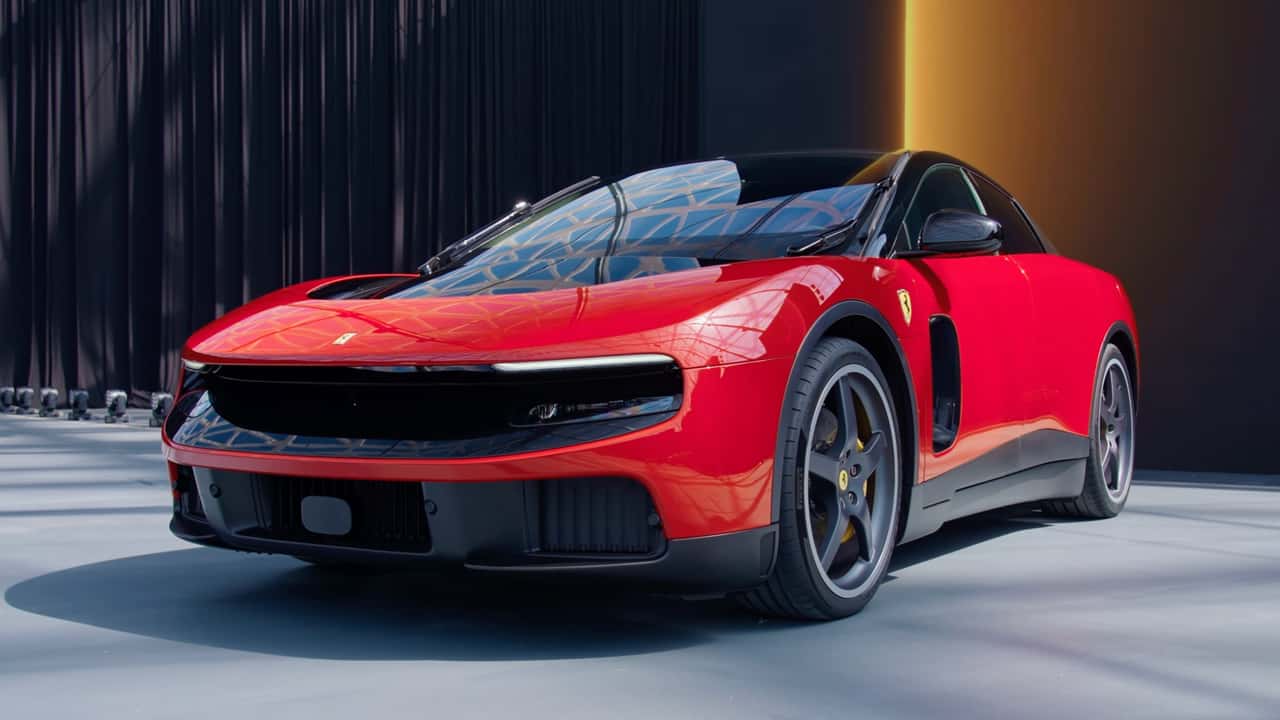
Ferrari’s first fully electric model has sparked plenty of debate since its recent unveiling. Critics have questioned everything from its styling to its six-figure price tag, while longtime enthusiasts continue to wonder whether an EV can truly carry the spirit of the Prancing Horse.
Despite the mixed reaction, Ferrari says customers are already placing orders for the Luce. CEO Benedetto Vigna told reporters, according to Electrek, that the new EV has drawn interest from both existing Ferrari owners and new customers, suggesting that reactions online may not fully reflect what actual buyers are doing.
The comments came after a turbulent week for Ferrari. Shares fell sharply following the Luce’s debut, and even former Ferrari chairman Luca di Montezemolo publicly criticized the car’s design, adding fuel to an already heated discussion surrounding the company’s electric future.
Luce Demand Appears Strong Despite Controversy
While internet reaction has been mixed, Ferrari says customer interest has been strong from the beginning. According to Vigna’s comments, as reported by Electrek, both existing Ferrari owners and new buyers have already placed orders for the Luce.
The Luce marks Ferrari’s first production EV and introduces a radically different formula for the company. The four-door, five-seat model combines a quad-motor powertrain producing 1,050 horsepower with an 800-volt electrical architecture and a claimed WLTP range of approximately 530 kilometers.
Customer deliveries are not expected to begin until October 2026, making the early order activity notable. However, Ferrari has clarified that its order book extending into late 2027 refers to the company’s overall order book, not specifically to the Luce.
Ferrari Isn’t Abandoning Combustion Power
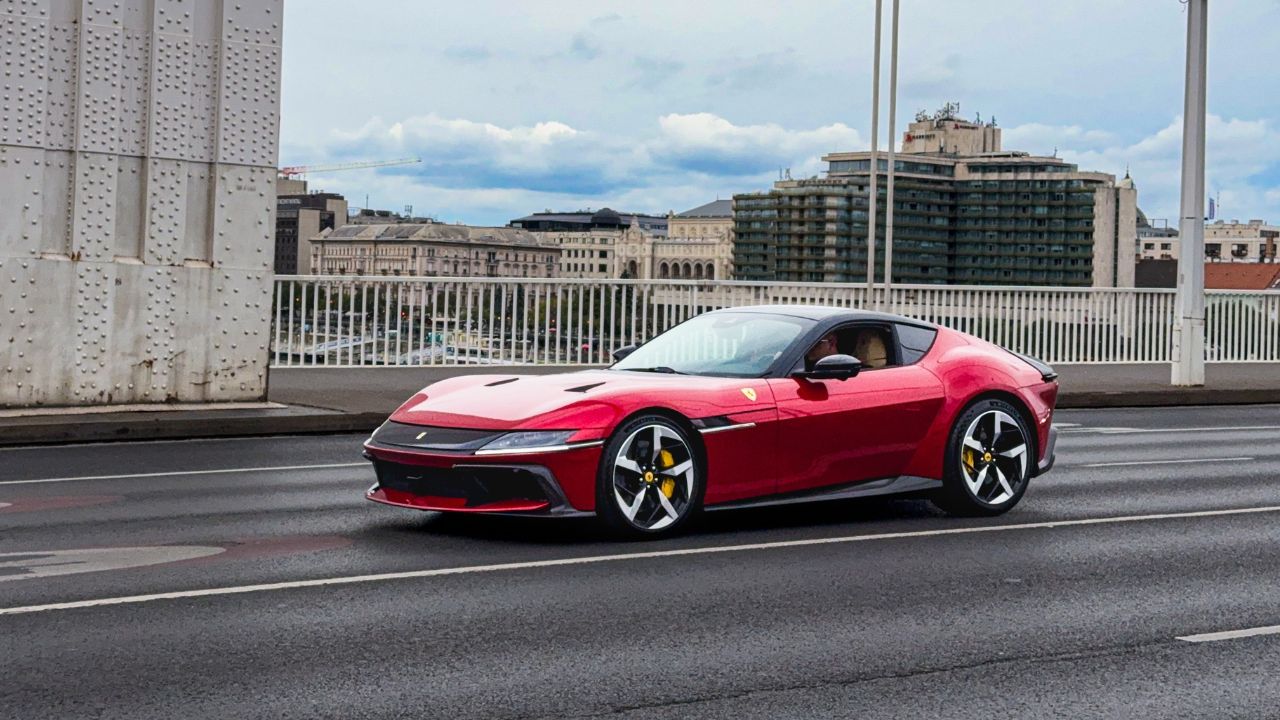
Perhaps the biggest takeaway from Vigna’s recent comments is that Ferrari does not view the Luce as a replacement for its traditional models. Instead, the company sees electric power as an additional option alongside its existing gasoline and hybrid offerings.
“We have internal combustion, we have hybrid, and we have electric,” Vigna explained. “Then the client can pick whatever they want.” That philosophy differs from several luxury manufacturers that previously announced plans for all-electric lineups before scaling those ambitions back as market demand evolved.
Ferrari says different customers want different experiences, with some preferring the instant torque and silent performance of an EV while others remaining committed to the emotional appeal of a turbocharged V8 or naturally aspirated V12.
Driver Engagement Remains A Core Value
One area where Ferrari has drawn a firm line is autonomous driving. While many automakers are investing heavily in self-driving technology, Ferrari says fully autonomous vehicles have no place in its future product plans.
Vigna said Ferrari buyers still want to drive their own cars, which is why the company has no plans to develop Level 3 or higher autonomous vehicles. For Ferrari, the driving experience remains fundamental to the brand’s identity.
The company will continue offering driver assistance technologies such as adaptive cruise control and lane-keeping systems. However, Ferrari insists that every future model will still feature a steering wheel and a driver actively engaged in the experience.
The Future Includes EVs, Hybrids, And V12s
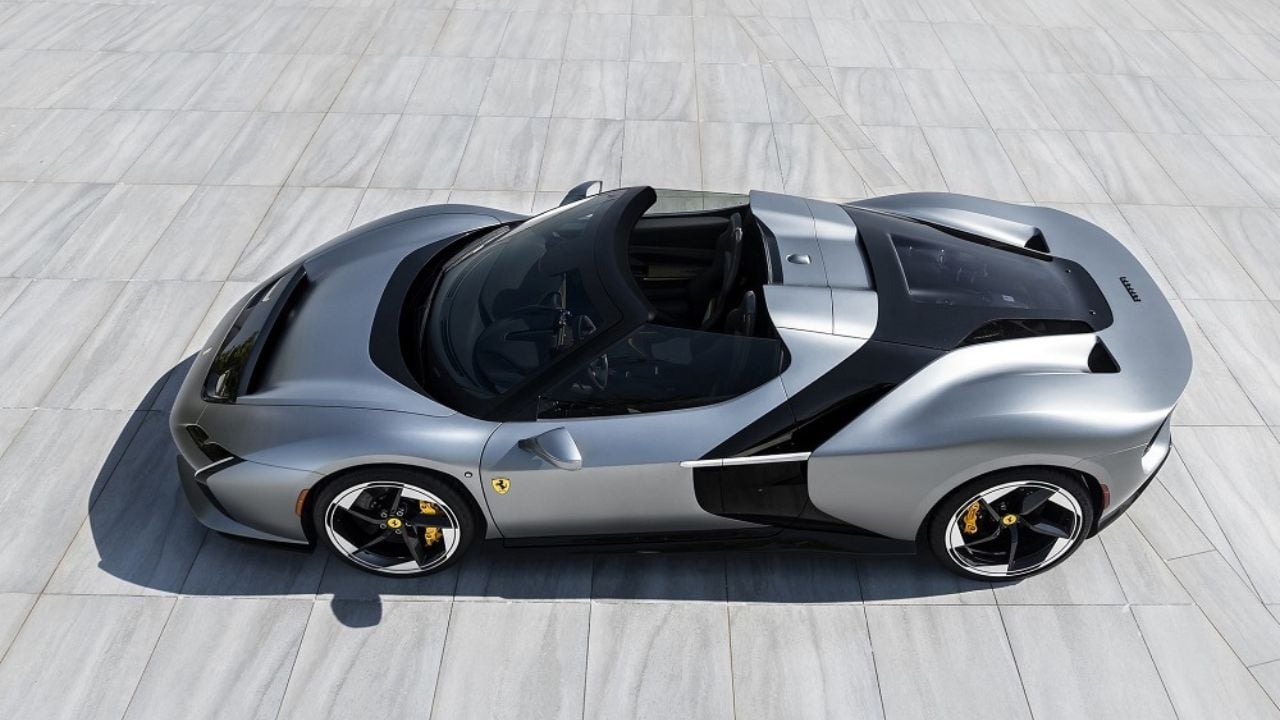
Ferrari has continued signaling its commitment to V12-powered halo cars, hybrids, and special editions even as it develops electric vehicles. The Luce serves as proof that the company believes EVs can play a meaningful role within its lineup without forcing customers to abandon traditional powertrains.
Whether the Luce ultimately becomes a commercial success remains to be seen. Some industry observers argue that early orders may be influenced by Ferrari’s exclusive allocation system, where loyal customers often purchase new models to improve their chances of securing future limited-production vehicles.
Ferrari Is Taking A Different Approach To Electrification
Unlike some competitors that have treated electrification as a complete transition away from gasoline engines, Ferrari is presenting the Luce as an expansion of customer choice. Early interest suggests some buyers are open to that strategy, while the company remains committed to building everything from EVs and hybrids to traditional combustion-powered supercars.
The message from Maranello is straightforward: the Luce may represent Ferrari’s future, but it is not the only future Ferrari intends to build.
Update (June 26, 2026): After publication, Ferrari contacted Guessing Headlights to clarify that CEO Benedetto Vigna’s comments about the company’s order book extending into late 2027 referred to Ferrari’s overall order book, not specifically to the Luce. The article has been updated to reflect Ferrari’s clarification.