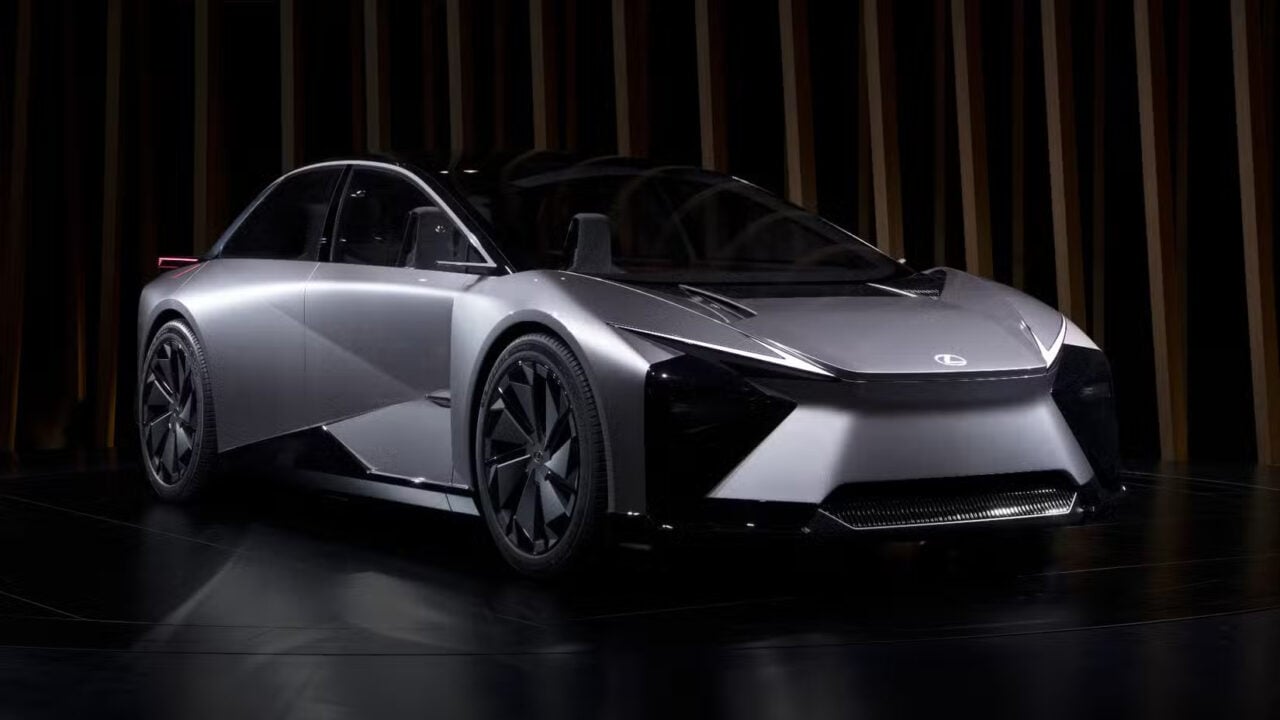
Lexus appeared ready to usher its long-running IS sedan into the electric age. The company’s futuristic LF-ZC concept, unveiled in 2023, seemed to preview a sleek battery-powered successor that would finally replace the aging sports sedan.
Instead, the project has reportedly been canceled before reaching production. Lexus has confirmed that development of an all-electric sedan positioned below the ES has been halted following a broader review of the company’s vehicle programs.
The decision comes at a time when many automakers are reassessing ambitious EV plans. Slower-than-expected electric vehicle adoption, changing consumer preferences, and the continued popularity of SUVs have forced several manufacturers to rethink product strategies that once seemed certain.
For Lexus, the cancellation leaves a significant gap in its future lineup. It also raises new questions about the future of the current IS, a sedan that first entered production more than a decade ago and has already survived multiple facelifts.
The Electric IS Replacement Is No More
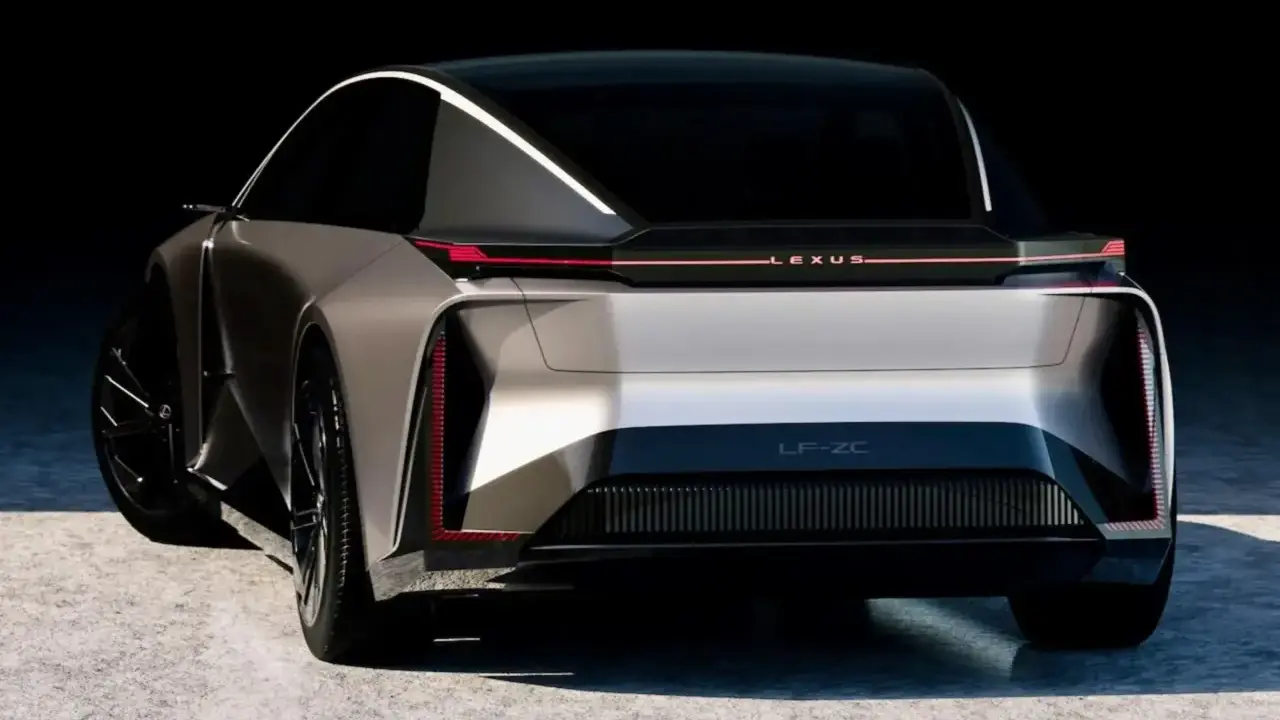
According to Germany’s Automobilwoche, Lexus has ended development of an electric sedan that was expected to serve as the next-generation IS. The vehicle was heavily inspired by the LF-ZC concept and was reportedly scheduled to enter production before delays pushed its launch into 2027.
A Lexus spokesperson said the decision resulted from a company-wide review of vehicle development projects that considered changing market conditions and fluctuations in consumer demand. The United States, Lexus’ largest market, played a major role in that evaluation.
The timing is not entirely surprising. EV growth in the U.S. has cooled compared to earlier forecasts, particularly following the expiration of federal tax incentives, while demand for traditional sedans continues to trail far behind SUVs and crossovers.
Lexus Is Focusing On Other EV Priorities
Although the electric IS has been shelved, Lexus is not abandoning its electrification plans. The company will continue investing in key technologies that were originally intended for the canceled sedan.
Among those technologies are gigacasting manufacturing processes and solid-state battery development. Both are considered important long-term initiatives that could improve vehicle efficiency, reduce production complexity, and lower weight in future Lexus models.
Those advancements may eventually appear in vehicles that remain on the company’s roadmap. The recently redesigned ES sedan, the RZ electric crossover, and the upcoming three-row TZ SUV are all expected to play major roles in Lexus’ future EV strategy.
The Current Lexus IS Gets Another Reprieve
One immediate consequence of the cancellation is uncertainty surrounding the existing IS. Without a replacement ready to take its place, the current generation may remain on sale longer than originally planned.
That would be an impressive run for a vehicle whose basic architecture dates back to the 2014 model year. Lexus has managed to keep the IS relevant through extensive updates, including a major redesign in 2021 and another refresh for 2025.
The latest update modernized the dashboard and eliminated several outdated features, helping the sedan remain competitive despite its age. However, it still faces increasingly tough competition from newer rivals that offer more advanced platforms and electrified powertrains.
Rivals Continue Moving Forward
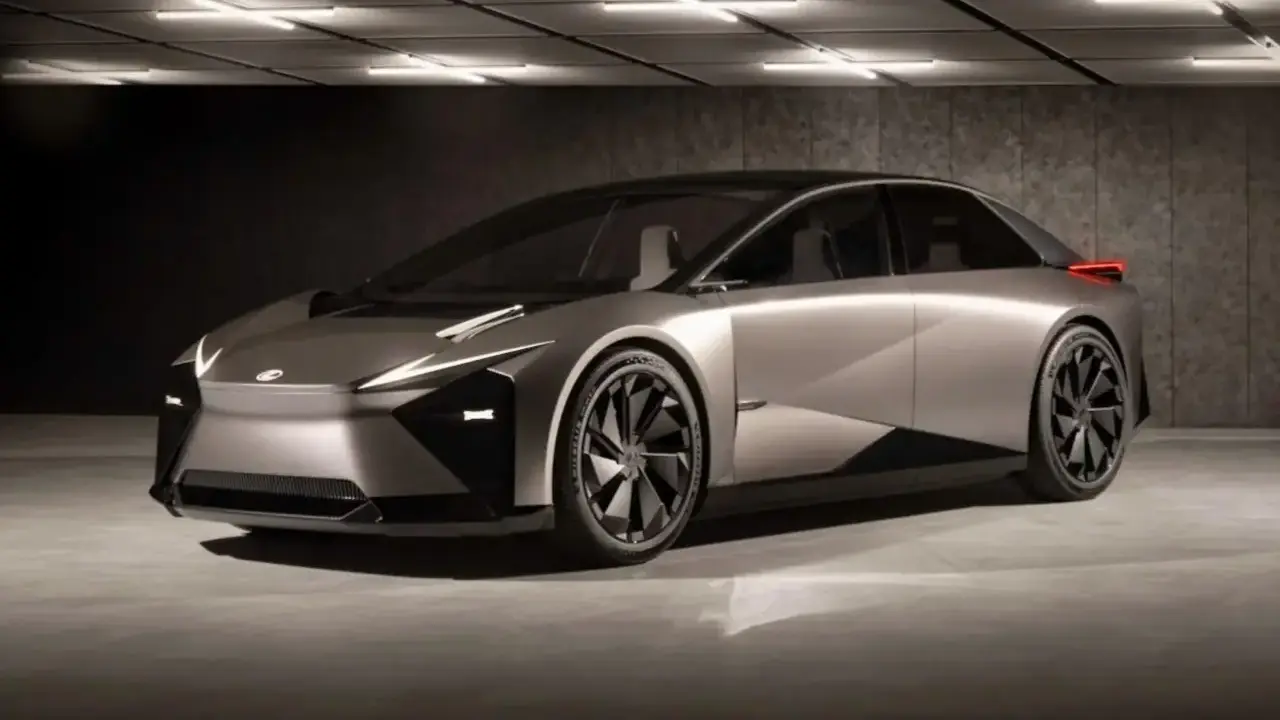
The cancellation comes as German luxury brands continue expanding their electric sedan offerings. Both BMW and Mercedes-Benz have introduced new generations of their compact luxury sedans while simultaneously preparing dedicated EV alternatives.
BMW’s upcoming electric i3 and Mercedes-Benz’s new electric C-Class will provide buyers with battery-powered options alongside traditional gasoline and hybrid models. Lexus now finds itself without a direct competitor in that growing segment.
That leaves the brand’s sedan strategy increasingly centered on the larger ES. The latest generation ES will be available with both hybrid and fully electric powertrains, giving Lexus at least one electrified sedan offering as it navigates an uncertain market.
A Reflection Of A Changing Market
The demise of the electric IS replacement highlights how quickly the automotive landscape continues to evolve. Just a few years ago, many manufacturers were accelerating plans to electrify entire lineups and phase out combustion-powered vehicles.
Today, the market is proving far more complicated. Consumer demand varies significantly by region, SUV sales continue to dominate, and many buyers remain hesitant to fully embrace EVs despite growing model availability.
For Lexus, canceling the electric IS appears less like a retreat from electrification and more like a strategic adjustment. The company is still investing heavily in EV technology, but it is choosing to focus those resources on vehicles and segments where demand appears strongest.
Whether the current IS receives another redesign, another facelift, or quietly exits the market remains to be seen. For now, the electric successor that once seemed destined to carry the nameplate into the future will never make it beyond the concept stage.