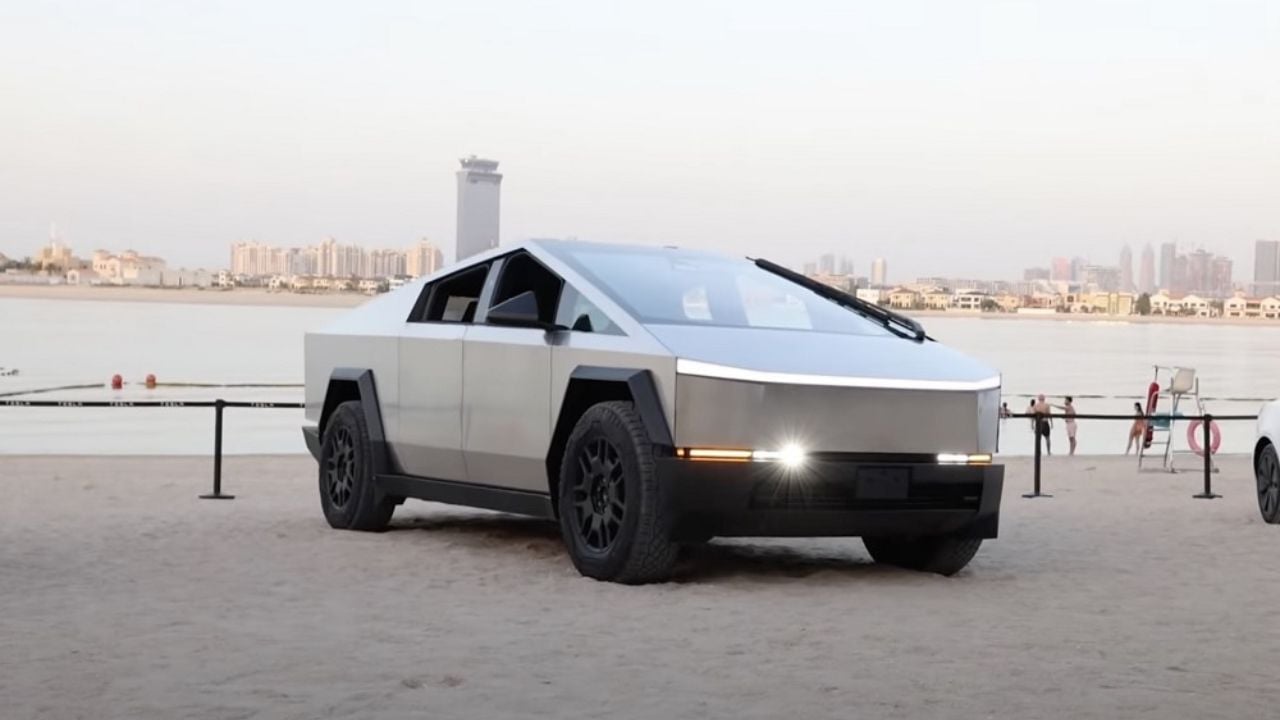

Tesla is leaning on its own backyard to keep the Cybertruck moving, and the story behind it says a lot about where things stand for the electric pickup.
A recent report shows that Tesla has been getting plenty of help from SpaceX, another company under Elon Musk. Not through some flashy marketing campaign or big consumer push, but through bulk buying.
Here why you’re reading about this.
During the last quarter of 2025, about 7,000 Cybertrucks were registered in the United States. Out of that number, more than 1,200 units, representing over 18 percent, were snapped up by SpaceX alone.
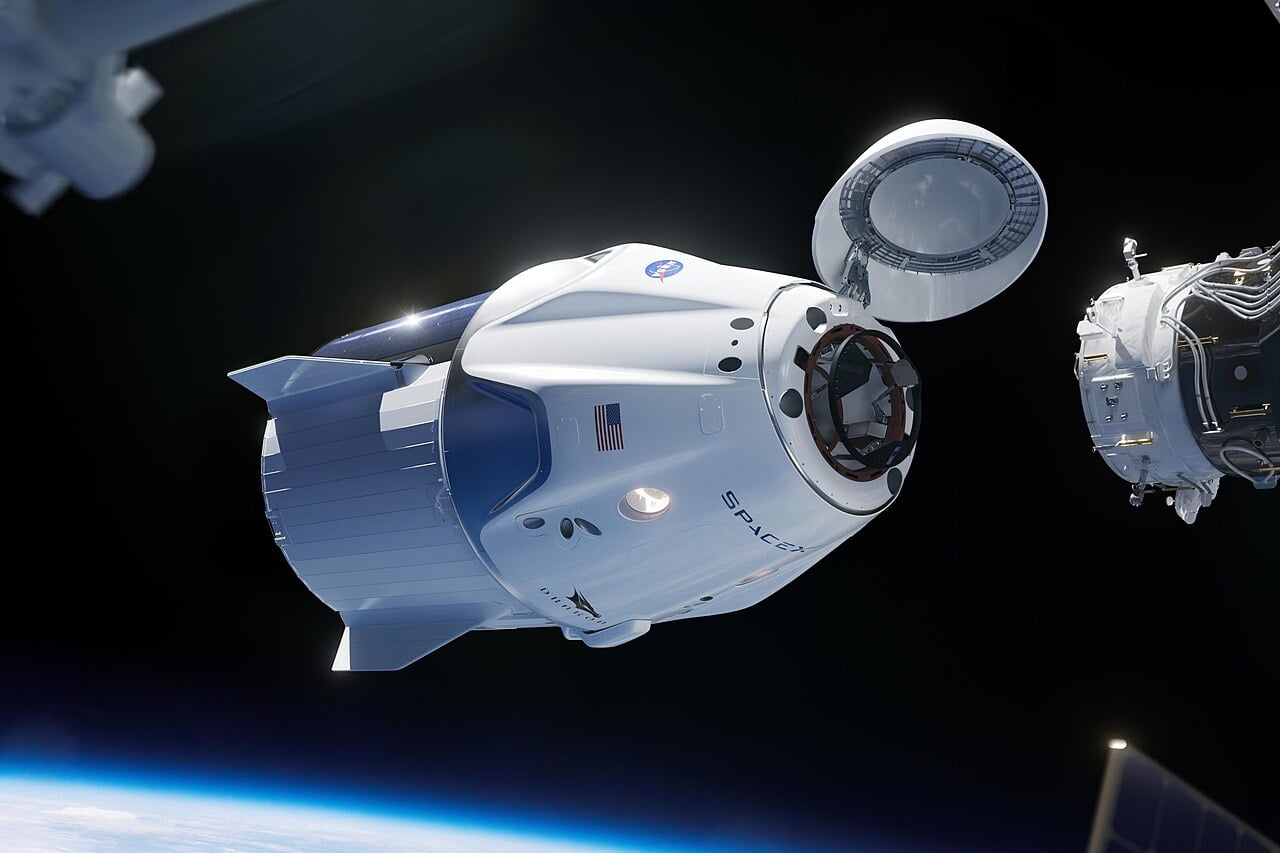
Add in a handful bought by Musk’s other ventures like xAI, Neuralink, and The Boring Company, and you are looking at nearly one in every five Cybertrucks effectively staying within Musk’s own business ecosystem.
In other words, you and I didn’t buy those Cybertrucks they said Tesla sold. The EV maker inflated the truck’s sales figures by counting in units — over 18% of them — ‘bought’ by its own businesses.
Besides the stats, this changes how the sales story looks.
Why Elon Musk’s Companies Bought So Many Cybertrucks
The revelation here is that without those internal purchases, Cybertruck registrations for that period would have dropped by more than half.
For a vehicle that once had sky high expectations, that is a big deal. The Cybertruck arrived with massive hype, bold promises, and a design that looked like it drove straight out of a sci-fi movie. But real-world demand has not kept pace with the buzz.

High pricing, production headaches, and mixed public reaction have all played a role in slowing things down.
So why is SpaceX buying so many trucks?
Taking at face value, it does make some sense.
SpaceX operates large facilities, test sites, and launch locations where rugged utility vehicles can actually be useful. A fleet of electric pickups could fit right into daily operations, especially in places like Texas where both companies have a strong presence.
In fact, you could go as far as arguing that if Tesla didn’t build cars, SpaceX would still be interested in ordering a fleet of the Cybertrucks for its daily operations. The truck fits right in.
But if you weren’t playing the devil’s advocate, the whole thing starts to look a lot like a way to support Tesla during a rough patch for the Cybertruck. It is not uncommon for companies within the same corporate orbit to do business with each other. Still, the scale here makes that argument suspect.
This isn’t a few units for testing or executive perks.

We are talking about thousands of trucks helping to prop up delivery numbers at a time when the broader electric pickup segment is cooling off. Reports show the entire category is struggling, with sales dropping sharply across multiple brands as high prices and shifting incentives make buyers hesitate.
An Industry Moved by Optics and Numbers
For everyday readers and car enthusiasts, the takeaway is pretty simple. The Cybertruck is not exactly flying off dealership lots the way early hype suggested. Instead, a chunk of its momentum is coming from within Musk’s own network of companies.
That does not mean the truck is a failure. It is still one of the most talked about vehicles on the road, and it brings real innovation in design and engineering. But it does mean the gap between expectations and reality is becoming harder to hide.
And in the auto world, perception matters almost as much as performance.
If Tesla can turn that internal demand into real customer interest over time, this phase might just look like a temporary boost. If not, the Cybertruck could end up being one of those vehicles people remember more for the noise it made than the numbers it delivered.
Sources: Bloomberg Law News, CleanTechnica