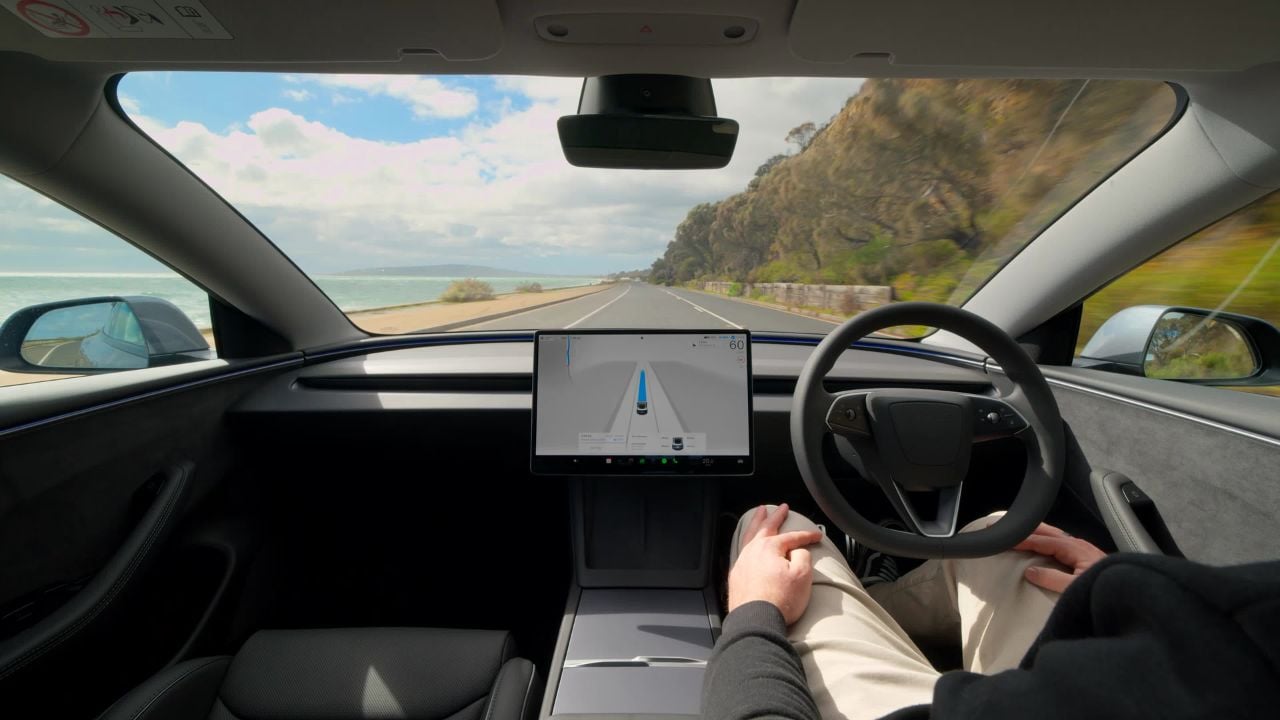

It’s no longer news that Tesla is undergoing a profound transformation, one that shifts its identity from a car manufacturer to a software-driven enterprise.
The brand’s Full Self-Driving (FSD), the subscription service that Elon Musk has positioned as Tesla’s next great revenue engine, may have just evolved into the center of this evolution.
As EV demand softens and margins tighten, Musk may be leaning harder into software monetization, betting that recurring income from FSD will stabilize Tesla’s financial trajectory in ways that traditional car sales cannot.
The numbers tell the story.
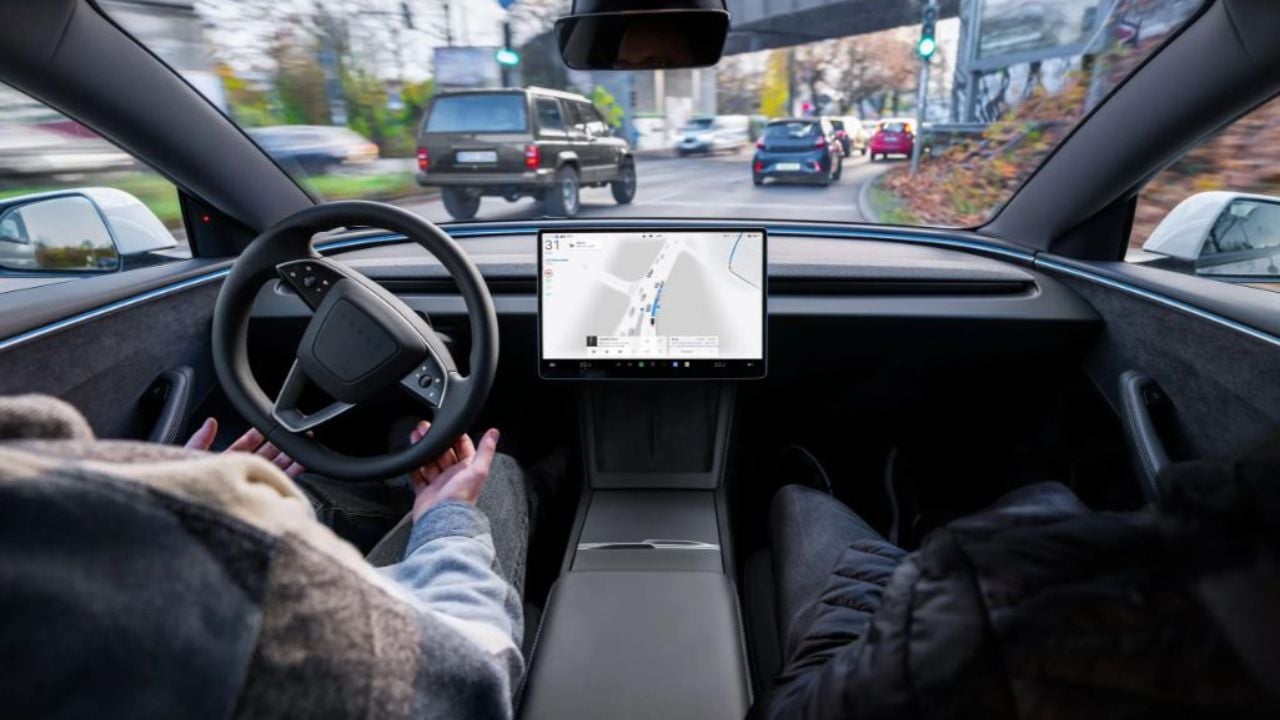
In the first quarter of 2026, Tesla reported 1.28 million active FSD subscribers, a figure that represents a 51 percent increase year over year. This surge may have marked a fundamental shift in Tesla’s financial narrative.
It means each car Tesla sells is no longer a one-time transaction but a long-term revenue node, capable of generating steady monthly income long after the initial sale.
By eliminating the one-time purchase option in February 2026 and locking in a $99 monthly fee, Musk has converted sporadic upgrade revenue into predictable cash flow. What once depended on the timing of customer upgrades now compounds into hundreds of millions of dollars each quarter.
FSD Is Now Big Business
Estimates suggest that FSD subscriptions are already generating around $127 million per month. That figure, when annualized, rivals the contribution of Tesla’s automotive business in certain markets.
Investors who didn’t know this already may now be realizing FSD has never been no more than a side business for Tesla but a glimpse of its future.
Musk has tied executive compensation milestones to autonomy adoption, with internal targets aiming for 10 million subscribers. Achieving that scale would not only unlock massive payouts but also cement Tesla’s valuation as a software-first company.
Yet the opportunity is matched by challenges.
Only about 14 percent of Tesla’s 9.2 million vehicles currently subscribe to FSD. This imbalance highlights both the ceiling on near-term revenue and the vast untapped potential if conversion rates improve.
The company is aggressively pursuing global expansion, seeking regulatory approvals in Europe and preparing for entry into China. These markets represent the next frontier of subscription growth, but they also come with hurdles, from regulatory scrutiny to cultural differences in how autonomy is perceived.
The Level 2 Reality Check
Skepticism remains a persistent shadow.
Despite its branding, FSD is still classified as a Level 2 driver-assistance system, requiring human supervision at all times. This limitation has over time proven to undermine Tesla’s positioning of FSD as a true autonomous solution.
The gap between marketing and reality complicates investor expectations and raises questions about how quickly Tesla can deliver on its autonomy promises. For now, FSD is a powerful driver-assistance tool, but not yet the fully autonomous system Musk envisions.
The broader context makes Tesla’s pivot even more significant.
The electric vehicle market is experiencing slower growth, with profit pressures mounting as competition intensifies and consumer demand cools. Against this backdrop, FSD’s recurring revenue model becomes a crucial counterbalance.
It offers Tesla a way to smooth out cyclical swings in auto sales and align its business model with technology giants that thrive on subscriptions. Just as companies like Apple and Microsoft have embedded ongoing digital services into their ecosystems, Tesla is embedding software into the economics of car ownership.
This strategy reframes Tesla’s identity. No longer defined solely by the number of cars it delivers, Tesla is increasingly measured by the monetization of each vehicle through services and software.
The divergence is clear: while unit growth slows, revenue per car is rising. For Musk, this might be more a philosophical adjustment than a financial one. Tesla is becoming less about manufacturing hardware and more about building a platform for digital services that extend the life and profitability of every vehicle.
The Stakes for Auto Industry
The stakes are high not just for Tesla but the auto market as a whole.
If Tesla succeeds in scaling FSD subscriptions globally, it could redefine the economics of the automotive industry. Cars would no longer be static products but dynamic platforms, generating income long after they leave the showroom. Granted, this is already happening; but Tesla could fan the flame significantly.
If adoption stalls, however, Tesla risks being caught between declining automotive momentum and unfulfilled software ambitions. For now, Musk is doubling down, accelerating the transition to a subscription-only model and betting that autonomy, whether fully realized or not, will anchor Tesla’s long-term valuation.