
If you have ever glanced at your speedometer while merging onto the highway and felt a small wave of panic, Colorado’s latest legislative proposal might not exactly put your mind at ease. A bill currently making its way through the state Capitol would lower the bar for speed camera enforcement significantly, allowing automated systems to flag drivers going as little as six miles per hour over the posted speed limit. It is a modest margin that, for many drivers, falls squarely within what they consider normal, everyday driving.
The proposal, championed by state Sen. Matt Ball, is framed as a public safety measure designed to bring consistency and transparency to how speed cameras operate across Colorado. Under the bill, a first-time offender caught going between six and nine miles over the limit would receive a warning rather than a fine, giving drivers a heads-up that they are on the radar, literally. Repeat offenders, however, would face fines of up to $40, with those amounts potentially doubling in school zones and construction areas where the stakes are highest.
Supporters argue the bill is less about punishing drivers and more about closing the Wild West loopholes that currently allow some communities to deploy cameras without much warning or accountability. As automated speed enforcement continues to expand into more Colorado cities and towns, lawmakers backing the measure say a unified standard is long overdue. The idea is that drivers should know the rules of the game before getting hit with a bill in the mail.
Not everyone, though, is convinced the proposal is as clean and well-intentioned as it sounds. Some residents see it as a thinly veiled revenue grab dressed up in safety language, and their skepticism is not entirely without merit. Any time government officials promise a new enforcement mechanism will not be used to pad budgets, citizens have a right to raise an eyebrow, especially when that mechanism involves cameras that never sleep, never call in sick, and never miss a vehicle going six miles over the speed limit at 2 in the morning.
What the Bill Actually Proposes
The mechanics of the bill are relatively straightforward. Speed cameras would begin triggering at six miles per hour above the posted limit, a lower threshold than many current setups. Drivers caught in that six-to-nine mph range for the first time would receive a warning letter in the mail rather than a fine, which is actually a notable departure from how many automated systems currently operate. Fines of up to $40 would kick in for repeat violations, and in school zones or active construction areas, those fines could double. The bill has cleared a Senate committee and is headed to a full Senate floor vote before moving to the House.
Supporters Say It Is About Safety, Not Revenue
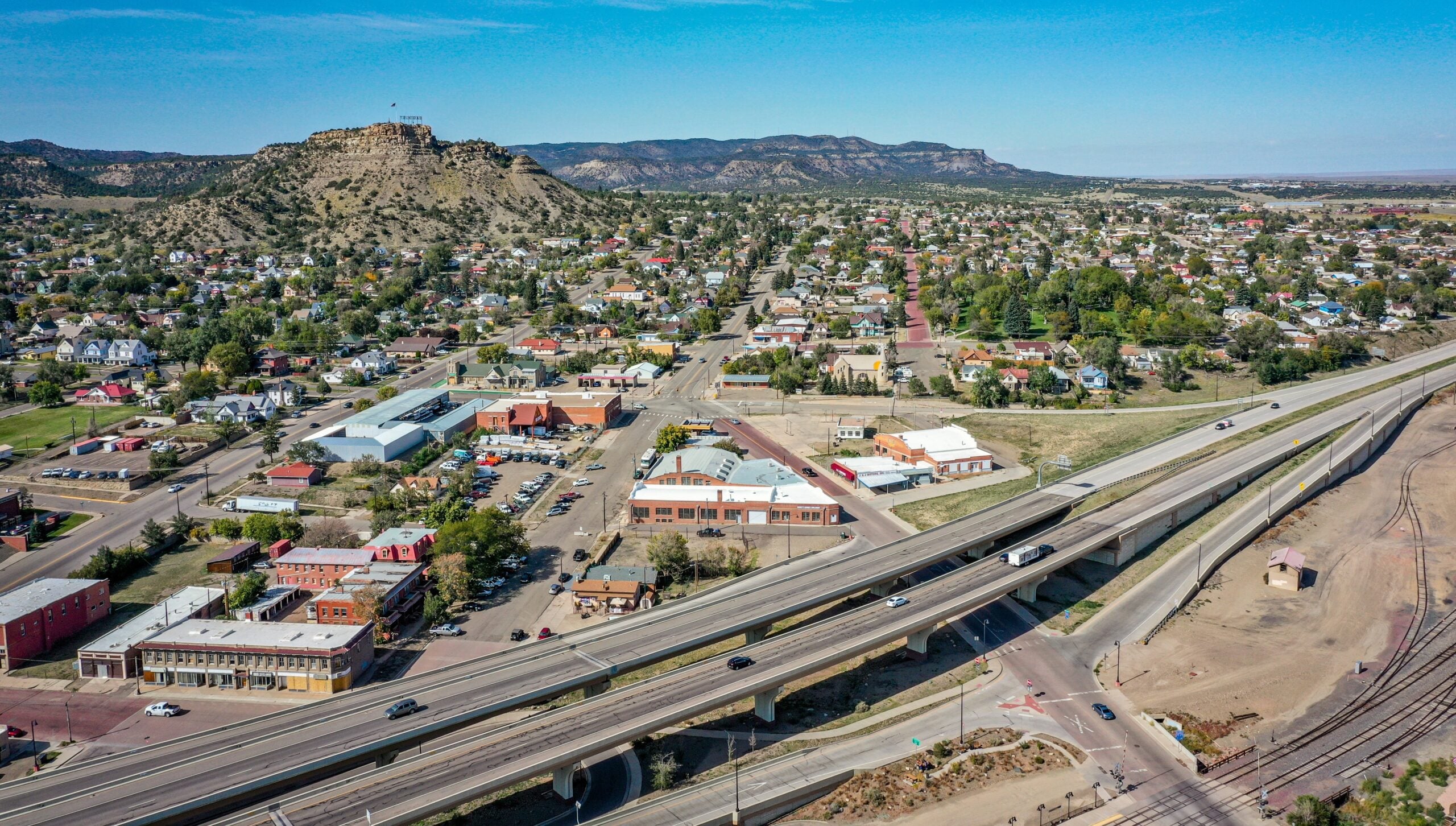
Sen. Ball has been clear about what he believes the purpose of speed cameras should and should not be. In his view, these systems belong in places where they can genuinely protect people, not in locations chosen because they are likely to generate the most ticket revenue. He also emphasized that one of the bill’s most meaningful impacts would simply be transparency. Under the current patchwork of local policies, some communities have launched camera programs without adequately notifying drivers, leaving people to discover they were being monitored only when a fine landed in their mailbox. Under the proposed framework, first-time violators would at least get a warning, giving them a chance to adjust before any money changes hands.
Not All Coloradans Are Buying It
Denver resident Doc Miller summed up the skepticism many drivers share. Miller, who says he generally tries to follow the speed limit, pointed out that minor speed increases happen all the time for completely ordinary reasons, like passing another vehicle, responding to a sudden situation on the road, or simply keeping up with the flow of traffic. He argued that the real issue driving the push for more enforcement is not speeding itself but rather local government budget shortfalls looking for creative solutions. His concern is that everyday drivers will end up footing the bill for financial problems that have nothing to do with how fast they drive.
What We Can Learn From This Debate
Colorado’s speed camera debate is a useful reminder that the line between public safety and public revenue generation is not always as clear as officials would like it to be. When governments deploy automated enforcement tools, the burden falls on lawmakers to build in genuine safeguards, like the warning system this bill proposes, to prove the intent is protection rather than profit. The transparency element here is actually one of the bill’s strongest arguments. Informing drivers before fining them is a low-cost way of demonstrating good faith. If a camera program is truly about safety, warnings should produce behavior change, and that should be the real goal. The bill also highlights how quickly technology can outpace policy. As speed cameras become cheaper and more widespread, communities across the country will face similar questions about where enforcement ends and taxation begins. Colorado getting ahead of that conversation with a statewide standard, imperfect as this proposal may be, is at least a step in a more organized direction than letting every city figure it out on its own.