Several automakers are facing an unusual challenge as new U.S. connected-vehicle regulations begin to take effect. Companies that have sold certain China-built models in America for years are now being forced to seek government authorization if they want those vehicles to remain on sale.
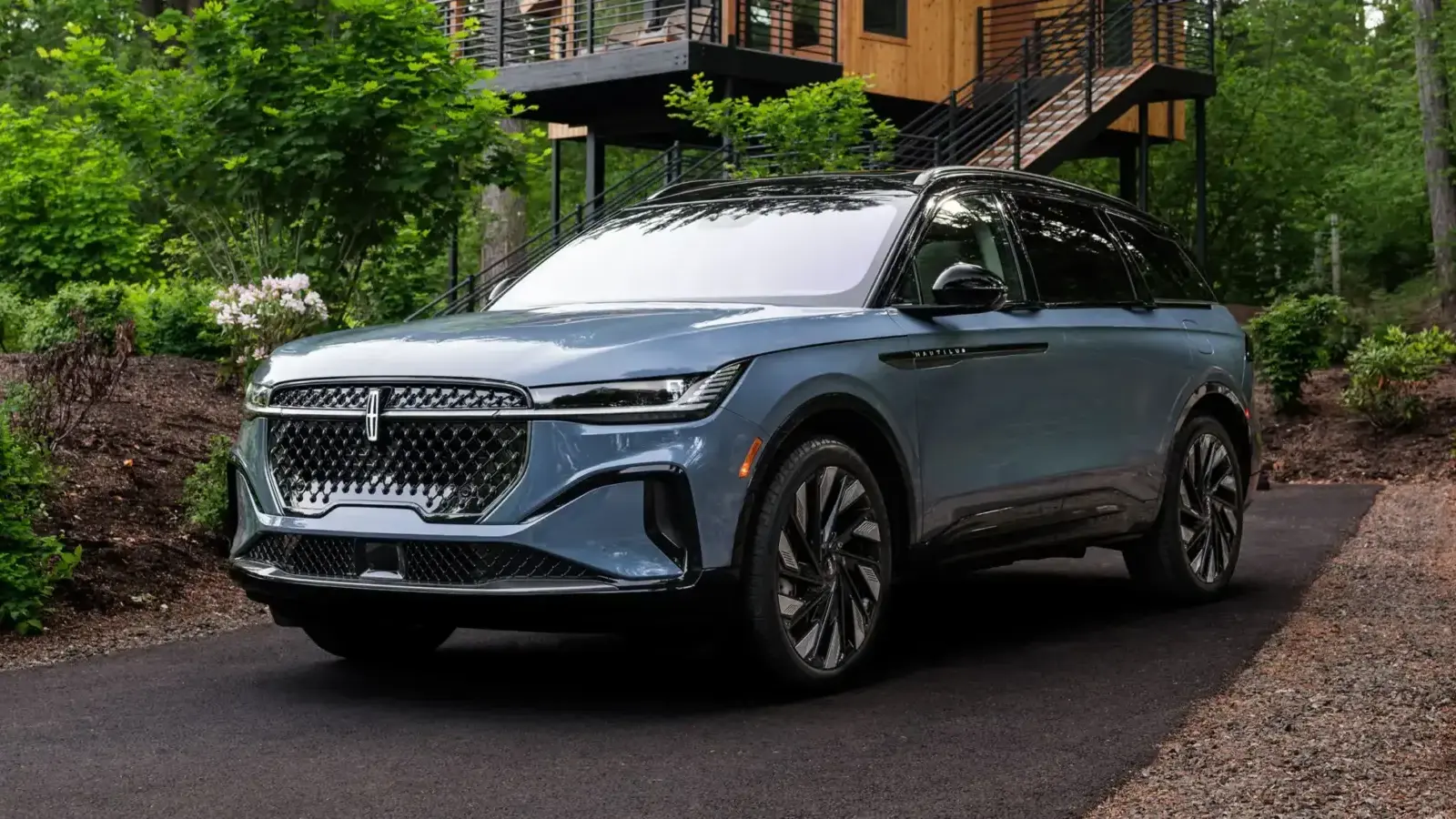
Ford is among the manufacturers already navigating the process. The automaker confirmed it has applied for approval from the U.S. Department of Commerce to continue importing the China-built Lincoln Nautilus, one of the few Chinese-assembled vehicles currently sold in the American market.
The situation stems from regulations introduced in early 2025 that restrict the use of Chinese-developed software and, later, Chinese-sourced hardware in connected vehicles. Federal officials argue that modern vehicles collect significant amounts of data, creating potential national security concerns if key technologies originate from foreign adversaries.
While the software restrictions are creating immediate headaches for some automakers, industry experts believe the tougher challenge is still ahead. Hardware-related requirements scheduled to take effect later this decade could force a much more extensive restructuring of automotive supply chains.
Why Ford Needs Government Approval

The Lincoln Nautilus has become one of the most visible examples of how complex modern vehicle manufacturing has become. Although the SUV is built in China, Ford says the software used in the vehicle was developed in the United States.
However, because that software is installed into the vehicle during assembly in China, the model falls under the scope of the new regulations. As a result, Ford requires government authorization to continue importing and selling future model-year Nautilus vehicles in the United States.
The company is expected to begin importing 2027-model-year Nautilus crossovers early next year, leaving only a limited window to secure the necessary approval.
Other Automakers Could Face Similar Challenges

Ford is unlikely to be the only manufacturer affected by the new rules. General Motors may face similar issues because it currently imports the Buick Envision from China for the U.S. market.
GM has already announced plans to move Envision production to Kansas beginning in 2028, a decision that could help reduce future regulatory complications. Until then, however, the crossover remains one of the highest-profile Chinese-built vehicles sold in America.
Other companies with significant Chinese ties may also require special authorization. Volvo Cars, which is majority-owned by China’s Geely, confirmed it received approval earlier this year to continue selling connected vehicles in the United States.
Polestar, another Geely-controlled brand, has also indicated that it is working with U.S. authorities to ensure compliance with the evolving regulations.
Software Restrictions Arrive First
The first phase of the rules targets software used in connected vehicles. Beginning with the 2027 model year, most Chinese-developed or Chinese-maintained software will be prohibited in vehicles sold in the United States.
The regulations were originally adopted during the Biden administration and have remained in place under President Trump’s administration. Officials have argued that connected vehicles possess the ability to collect sensitive information about drivers, locations, and infrastructure, creating potential security risks.
The rules also extend beyond software itself, covering companies with substantial Chinese ownership interests. That broader scope has added another layer of complexity for automakers operating across global markets.
The Hardware Ban Could Be Much Harder
While automakers are currently focused on software compliance, industry analysts warn that the hardware restrictions scheduled for the 2030 model year may prove significantly more disruptive.
Modern vehicles rely on thousands of components sourced from suppliers around the world, many of which have direct or indirect links to China. Replacing those supply chains will require considerable investment, planning, and coordination across the industry.
Research cited by Reuters suggests the hardware requirements could be substantially more difficult to implement than the software restrictions. Automakers may need years to identify alternative suppliers, redesign components, and certify replacement systems.
Some manufacturers have already begun preparing. Earlier reports indicated that GM has instructed certain suppliers to remove Chinese-sourced content from portions of their supply chains by 2027.
An Evolution In Automotive Manufacturing
The regulations highlight just how interconnected the global automotive industry has become. Vehicles sold in the United States often rely on software development, engineering, manufacturing, and component sourcing spread across multiple continents.
Parts suppliers are also feeling the impact. Industry groups have raised concerns about how regulators will interpret globally developed software and hardware, especially when development teams operate across multiple countries.
For now, automakers are focused on securing the approvals necessary to keep existing models on sale. Longer term, however, the regulations are accelerating a broader effort to reduce dependence on Chinese technology and manufacturing within the North American automotive sector.
Whether those efforts can be completed smoothly before the 2030 hardware restrictions arrive remains one of the industry’s biggest unanswered questions.