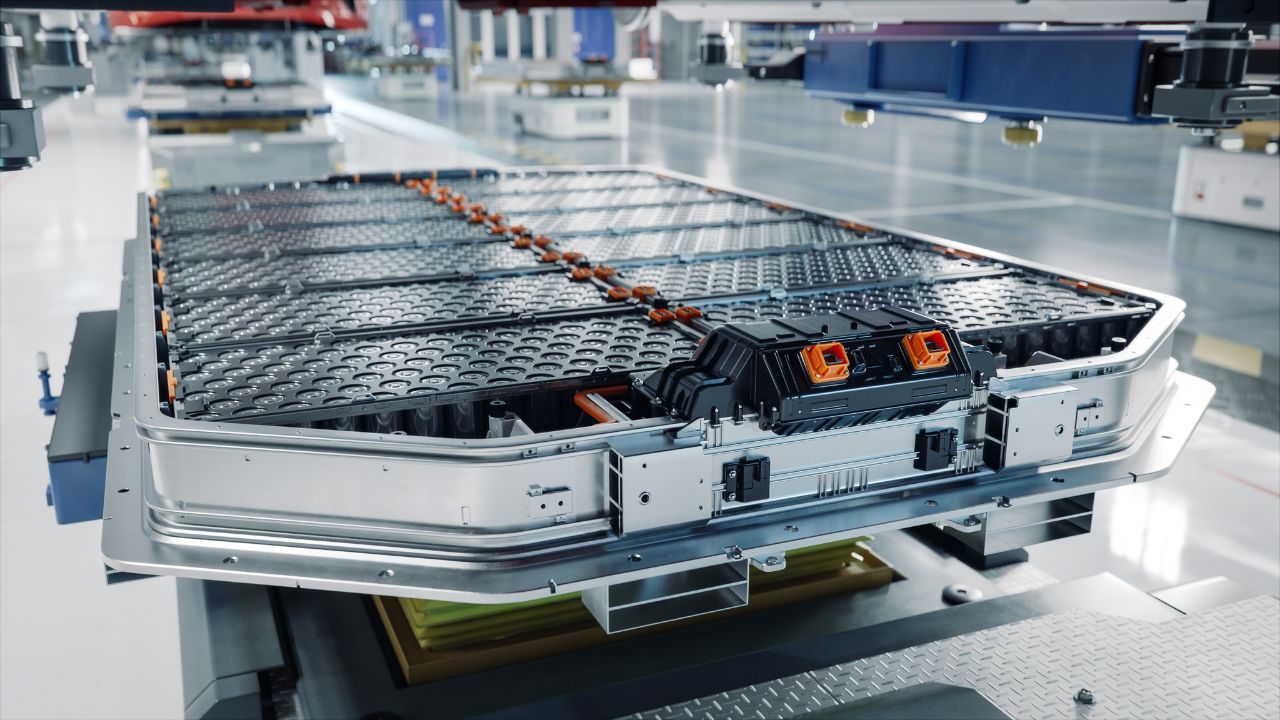
For decades, the automotive industry’s biggest profits flowed to the companies designing, building, and selling vehicles. Today, that balance is shifting rapidly as electrification transforms the industry’s value chain.
A striking example emerged from China this quarter. Contemporary Amperex Technology Co. Limited, better known as CATL, posted first-quarter profits so large that the world’s biggest battery manufacturer nearly matched the earnings of Toyota, the world’s largest automaker.
Even more remarkably, CATL generated more profit during the first three months of 2026 than seven major Chinese automakers combined, highlighting just how much influence battery suppliers now wield in the global EV market.
The numbers underscore a growing reality: in the electric era, the companies supplying batteries may become just as powerful as the brands building the vehicles themselves.
A Massive First Quarter
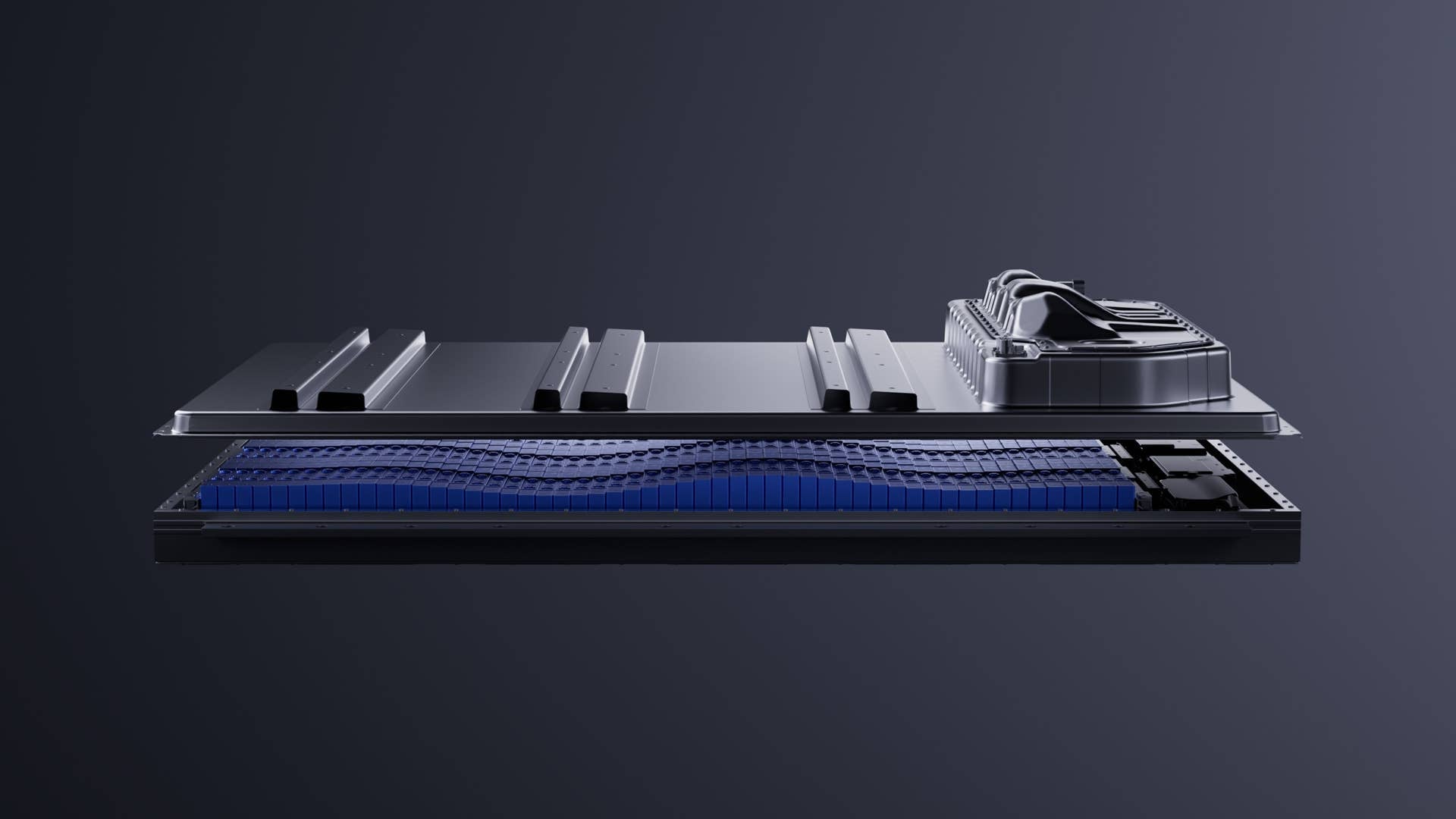
CATL reported first-quarter 2026 revenue of 129.13 billion yuan ($17.9 billion), alongside net profit attributable to shareholders of 20.7 billion yuan ($3.06 billion).
Those figures are impressive on their own, but the comparison with China’s largest vehicle manufacturers tells the bigger story.
According to industry data, CATL’s quarterly profit exceeded the combined earnings of seven major Chinese automakers, including BYD, Geely, Chery, SAIC, Great Wall Motor, Seres, and Changan. Together, those companies generated roughly 17.5 billion yuan ($2.59 billion) in net profit during the same period.
Individually, none of the automakers came close to CATL’s profitability. Chery and Geely each earned just over 4 billion yuan, while BYD reported approximately 4.08 billion yuan in profit for the quarter.
In simple terms, the company supplying batteries to much of China’s auto industry made more money than many of its customers combined.
Nearly Matching Toyota
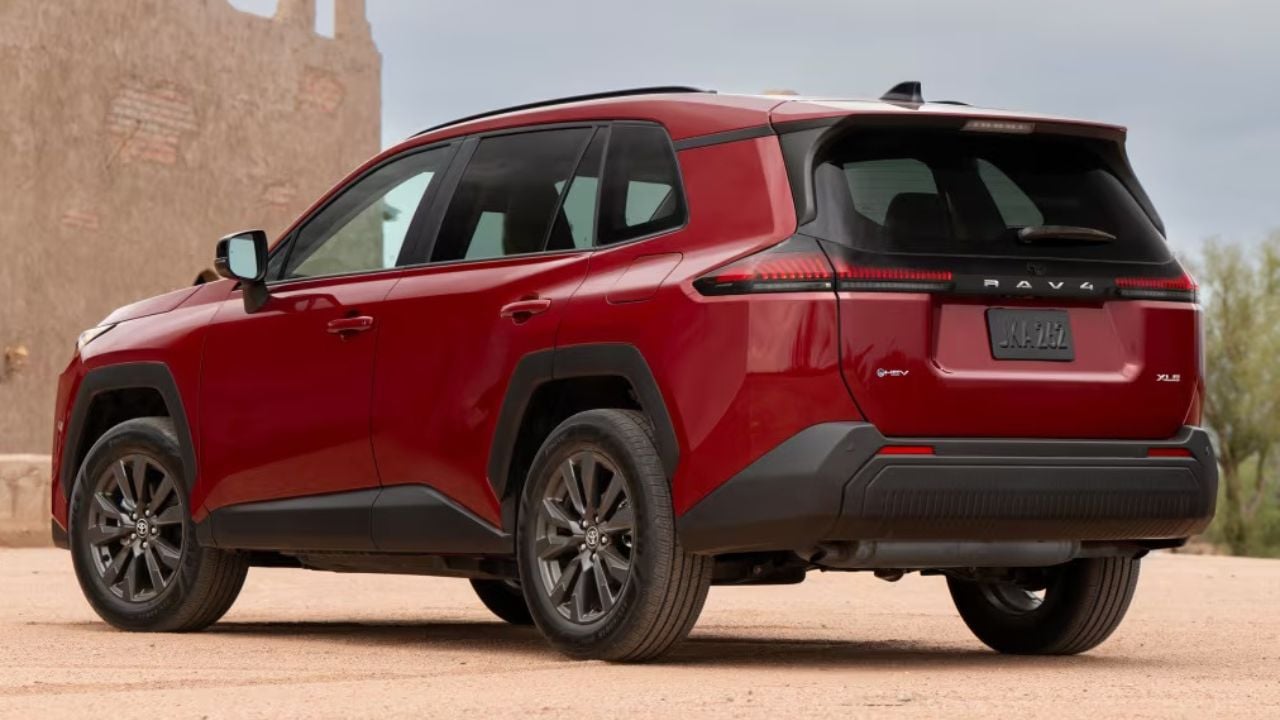
The comparison becomes even more notable when measured against Toyota. The Japanese giant remains the world’s largest automaker by volume, selling roughly 10 million vehicles annually across its Toyota and Lexus brands. Yet during the January-to-March quarter, Toyota’s operating profit came in at approximately $3.8 billion.
That still places Toyota ahead of CATL, but not by much. A battery manufacturer generating profits within striking distance of the world’s largest automaker would have been almost unimaginable a decade ago.
The gap has narrowed even further as global automakers face rising competition, tariff pressures, and growing investments in electrification.
Toyota’s earnings were also impacted by a significant year-over-year decline, making CATL’s rapid rise even more noticeable.
Dominating China’s EV Battery Market
CATL’s financial strength is closely tied to its commanding position within China’s EV ecosystem. The company installed 59.52 GWh of batteries in China during the first quarter, capturing a 46.4 percent share of the domestic battery market.
That figure actually represented growth despite slower EV demand following the gradual reduction of government subsidies. Nearly one out of every two EV batteries installed in China now comes from CATL.
The company supplies batteries to a wide range of automakers, including domestic brands and global manufacturers operating in China. Many automakers have become heavily dependent on CATL’s technology, production capacity, and pricing power.
Its influence extends beyond battery supply contracts as well. CATL has established joint ventures with major automakers including Geely and SAIC while simultaneously investing heavily in battery-swapping infrastructure across China.
The New Power Brokers Of The EV Era

The automotive industry’s traditional hierarchy is being challenged as electric vehicles become mainstream. Historically, suppliers operated in the background while automakers captured most of the profits and consumer recognition. Batteries have changed that equation because they represent one of the most expensive and technologically critical components in an EV.
As battery technology advances and production scales increase, companies like CATL are becoming central players rather than supporting actors.
The company’s 2025 performance already demonstrated this trend. CATL generated approximately 72.2 billion yuan ($10.68 billion) in annual net profit, surpassing the combined earnings of numerous publicly traded Chinese automakers. That momentum has continued into 2026.
What Comes Next?
CATL is not standing still. Beyond expanding battery production, the company is investing heavily in next-generation technologies, charging infrastructure, and battery-swapping networks.
At the same time, CATL Chairman Dr. Robin Zeng has cautioned that widespread solid-state battery production remains years away, suggesting the company expects current lithium-ion technologies to remain dominant for the foreseeable future.
Whether or not CATL eventually surpasses Toyota in quarterly profitability remains to be seen. What is already clear, however, is that the balance of power in the automotive industry is changing.
The companies building the batteries are becoming just as important as the companies building the cars. CATL’s latest earnings report may be one of the clearest signs yet that the electric vehicle revolution is creating a new class of automotive giants.