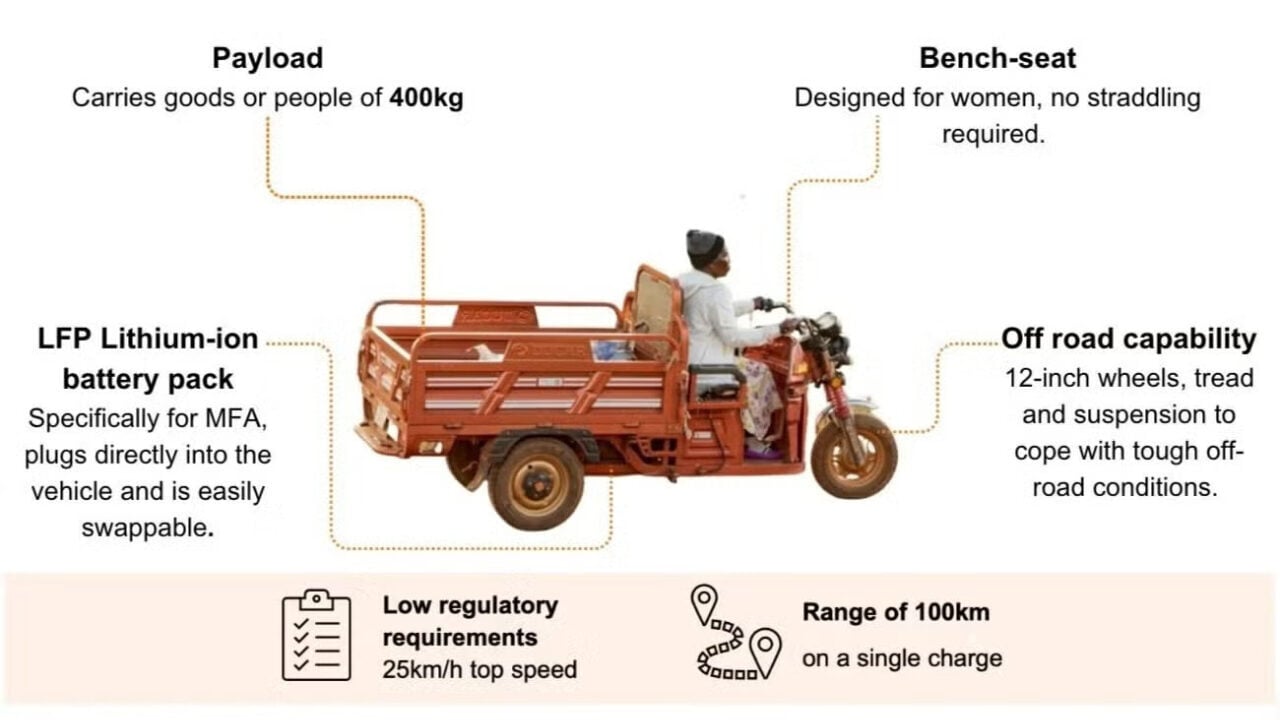
A legal battle is unfolding between one of the world’s largest automotive organizations and a small African electric mobility startup. Mobility for Africa (MFA), a Zimbabwe-focused social enterprise specializing in rural electric transportation, has filed a lawsuit accusing the Toyota Mobility Foundation and its consultants of misappropriating proprietary technology and business information.
The lawsuit, filed in the U.S. District Court for the Central District of California, alleges that Toyota’s philanthropic mobility division gained access to MFA’s intellectual property through a proposed partnership before using that knowledge to develop similar projects elsewhere in Africa.
Toyota has not yet publicly responded to the allegations in court filings. As a result, the claims remain accusations at this stage and have not been proven.
The case could draw significant attention within both the automotive and technology sectors, raising broader questions about intellectual property, partnerships between multinational corporations and startups, and the future of electric mobility development in emerging markets.
The Startup Behind The Dispute
Founded by former UNICEF executive Shantha Bloemen, Mobility for Africa was created to address transportation challenges faced by rural communities, particularly women farmers in Zimbabwe.
The company’s flagship product is the Hamba, a rugged electric cargo tricycle designed for operation in remote regions where traditional transportation infrastructure is limited. Rather than simply developing a vehicle, MFA also built a supporting ecosystem that includes battery-swapping stations and solar-powered charging infrastructure.
The concept is intended to help rural entrepreneurs transport agricultural products, access markets, and reduce transportation costs while avoiding dependence on fossil fuels.
According to the company, hundreds of Hamba vehicles have already been deployed across Zimbabwe, with women making up a substantial portion of the customer base.
Allegations Against Toyota Mobility Foundation
At the center of the lawsuit are claims that the Toyota Mobility Foundation (TMF) and consulting firm EXA Innovation Studio gained access to MFA’s proprietary information while discussing a potential collaboration.
According to the complaint, TMF initially supported MFA through grant funding and expressed interest in working together to expand rural electric mobility solutions across Africa.
MFA alleges that during the course of that relationship, Toyota and its consultants obtained access to operational data, technical information, business models, and other proprietary knowledge developed through years of work in Zimbabwe.
The lawsuit claims that after gaining access to those resources, the defendants distanced themselves from MFA and later launched similar mobility initiatives independently.
The Songa Mobility Project

One of the key points raised in the complaint involves a project known as Songa Mobility, which operates in Kenya.
According to MFA, the project shares several core characteristics with the system the company developed in Zimbabwe, including electric three-wheelers, battery-swapping infrastructure, solar-supported charging networks, and services aimed at supporting rural agricultural communities.
The lawsuit alleges that Toyota and its partners used information obtained from MFA to build and expand the Kenyan operation while excluding the original creators from participation.
MFA further claims that the defendants are now competing for some of the same grant funding and development opportunities that helped support its growth.
The Toyota Mobility Foundation has not publicly addressed those specific allegations.
Claims Seeking Damages And Injunctions
The complaint includes allegations of breach of contract, fraud, breach of fiduciary duty, and misappropriation of trade secrets.
Mobility for Africa is seeking compensatory damages, restitution, disgorgement of profits, and court orders preventing any further use of its alleged proprietary information.
MFA founder Shantha Bloemen stated that Toyota benefited from years of work developing rural mobility solutions before choosing to replicate those concepts rather than invest in the entrepreneurs who created them.
Attorneys representing MFA have described the case as an example of a small social enterprise being exploited by much larger organizations with greater financial resources and market influence.
A Broader Debate About Innovation And Ownership
Beyond the legal claims themselves, the lawsuit highlights growing tensions surrounding innovation in emerging markets. Startups often collaborate with major corporations to secure funding, expertise, and broader deployment opportunities, but those relationships can also create concerns about intellectual property ownership and control.
The outcome of the case could prove significant for organizations developing transportation, energy, and mobility solutions across Africa and other developing regions. Many rely on partnerships with larger international companies to scale their operations.
For now, the allegations remain untested in court, and Toyota’s formal response has yet to be filed. As the case proceeds through the legal system, it is likely to attract attention far beyond the automotive industry.
At stake is not only the future of a rural electric mobility program, but also a larger debate about how innovation created by small enterprises is protected when global corporations become involved.